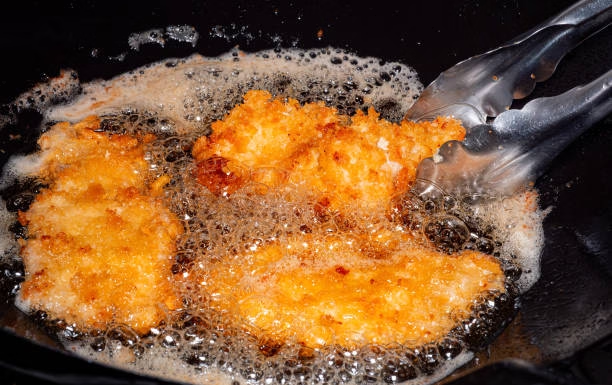
Frying is one of the most common cooking methods around the world. From crispy vegetables to golden fried fish, cooking oil plays a central role in taste and texture. But once the frying is done, a very practical—and often confusing—question comes up:
Can you reuse cooking oil after frying?
Some people reuse frying oil several times without hesitation. Others throw it away after a single use, fearing health risks. The truth lies somewhere in between. Reusing cooking oil can be safe in certain situations and harmful in others.
This article explains everything you need to know—backed by food science and practical kitchen wisdom—so you can make informed, healthy choices.
What Happens to Cooking Oil When You Fry Food?
Before answering whether you can reuse cooking oil after frying, it’s important to understand what happens to oil at high temperatures.
When oil is heated repeatedly, especially above its smoke point, several chemical changes occur:
- Oxidation: Oil reacts with oxygen, forming harmful compounds
- Hydrolysis: Water from food breaks down fats
- Polymerization: Oil molecules combine, making oil thicker and sticky
- Formation of free radicals: Linked to inflammation and long-term health risks
These changes affect not just the oil’s flavor and color—but also its safety.
Can You Reuse Cooking Oil After Frying?
Yes, you can reuse cooking oil after frying—but only under specific conditions.
Reusing frying oil safely depends on:
- The type of oil
- What you fried
- How hot the oil got
- How many times it has been reused
- How it was stored
Reutilizing oil blindly, without checking these factors, can expose you to harmful compounds.
Reusing Frying Oil: When It’s Generally Safe
You can usually reuse cooking oil if:
- The oil hasn’t reached its smoke point
- The food fried was not heavily battered or crumbed
- The oil is clear (not dark or cloudy)
- There is no strong burnt or rancid smell
- The oil was strained and stored properly
For example, oil used to fry plain vegetables or potatoes once or twice can often be reused safely.
What Happens When You Reuse Cooking Oil Too Many Times?
This is where problems begin.
When oil is reused repeatedly, it undergoes cumulative damage. Over time, reused oil can:
- Increase levels of trans fats
- Produce toxic aldehydes
- Promote oxidative stress in the body
- Trigger digestive discomfort
- Increase the risk of heart disease and inflammation
This is why many food safety experts warn against excessive reuse of frying oil.
How Often Can You Reuse Frying Oil?
There is no single number that applies to all oils, but general guidelines exist.
General Rule of Thumb
- 1–2 times: Usually safe for most home frying
- 3–4 times: Acceptable only with stable oils and proper care
- More than 4 times: Not recommended
Commercial kitchens often use oil longer—but they rely on filtration systems and chemical testing that home kitchens don’t have.
Can Canola Oil Be Reused?
Yes, canola oil can be reused—but with caution.
Canola oil has:
- A moderate smoke point
- A relatively neutral flavor
- A decent fatty acid profile
However, it is still prone to oxidation after repeated heating.
Best practices for reusing canola oil:
- Do not exceed 2–3 uses
- Avoid frying fish or strongly flavored foods
- Strain immediately after use
- Store in an airtight container away from light
If canola oil smells fishy, bitter, or sticky—it’s time to discard it.
Can I Reuse Oil After Frying Fish?
This is one of the most common questions—and the answer is usually no.
Frying fish introduces:
- Strong odors
- Proteins that break down quickly
- Moisture that accelerates oil degradation
Even if the oil looks fine, fish oils and residues can:
- Make the oil spoil faster
- Affect the taste of future foods
- Increase harmful compound formation
Health recommendation:
Avoid reusing oil after frying fish, especially if you plan to cook non-seafood dishes.
Best Oils for Reusing After Frying
Some oils handle heat better than others.
Oils That Are More Stable
- Peanut oil
- Avocado oil
- Refined sunflower oil
- Refined palm oil (used sparingly)
Oils Less Suitable for Reuse
- Olive oil (especially extra virgin)
- Flaxseed oil
- Butter and ghee residues
- Unrefined oils
High smoke point and saturated or monounsaturated fat content make oils more stable during reuse.
Signs You Should NOT Reuse Cooking Oil
Never reuse cooking oil if you notice:
- Dark brown or black color
- Thick, sticky texture
- Foaming when reheated
- Burnt, sour, or fishy smell
- Smoke appearing too quickly
These are clear signs that harmful breakdown products have formed.
Proper Way to Store Used Frying Oil
If you plan to reuse frying oil, storage matters as much as cooking.
Step-by-Step Storage Guide
- Let oil cool completely
- Strain through a fine sieve or cheesecloth
- Transfer to a clean, airtight glass container
- Label with date and number of uses
- Store in a cool, dark place
Never mix fresh oil with old oil—it accelerates degradation.
Health Risks of Reusing Cooking Oil Incorrectly
Improper reuse of cooking oil has been linked to:
- Increased LDL (bad cholesterol)
- Higher oxidative stress
- Inflammation
- Potential cancer risk from aldehydes
- Worsening heart health
This doesn’t mean reused oil is always dangerous—but careless reuse certainly is.
Reusing Frying Oil: Cultural vs Scientific Practices
In many cultures, oil reuse is common and economical. The issue isn’t reuse itself—it’s how often and how carefully it’s done.
Traditional practices often involved:
- Lower frying temperatures
- Fewer frying cycles
- Animal fats with higher stability
Modern deep frying at very high temperatures changes the equation.
Healthier Alternatives to Reusing Oil Excessively
If you want to reduce oil waste without harming health:
- Shallow fry instead of deep fry
- Use air frying
- Fry smaller batches
- Choose stable oils
- Discard oil sooner rather than later
Sometimes, saving a little money on oil can cost much more in health.
Final Verdict: Can You Reuse Cooking Oil After Frying?
Yes—but only mindfully and minimally.
Reusing frying oil once or twice under proper conditions is generally safe. Reusing it repeatedly, especially after frying fish or battered foods, increases health risks significantly.
The key is balance:
- Know your oil
- Watch for warning signs
- Store it correctly
- Don’t overdo reuse
When in doubt, throw it out. Your body will thank you.