Meningitis is a serious medical condition that requires prompt attention and awareness. It affects people of all ages and can progress rapidly if not treated early. Understanding how meningitis spreads, its symptoms, causes, and available vaccines can help reduce risk and ensure timely care.
What Is Meningitis?
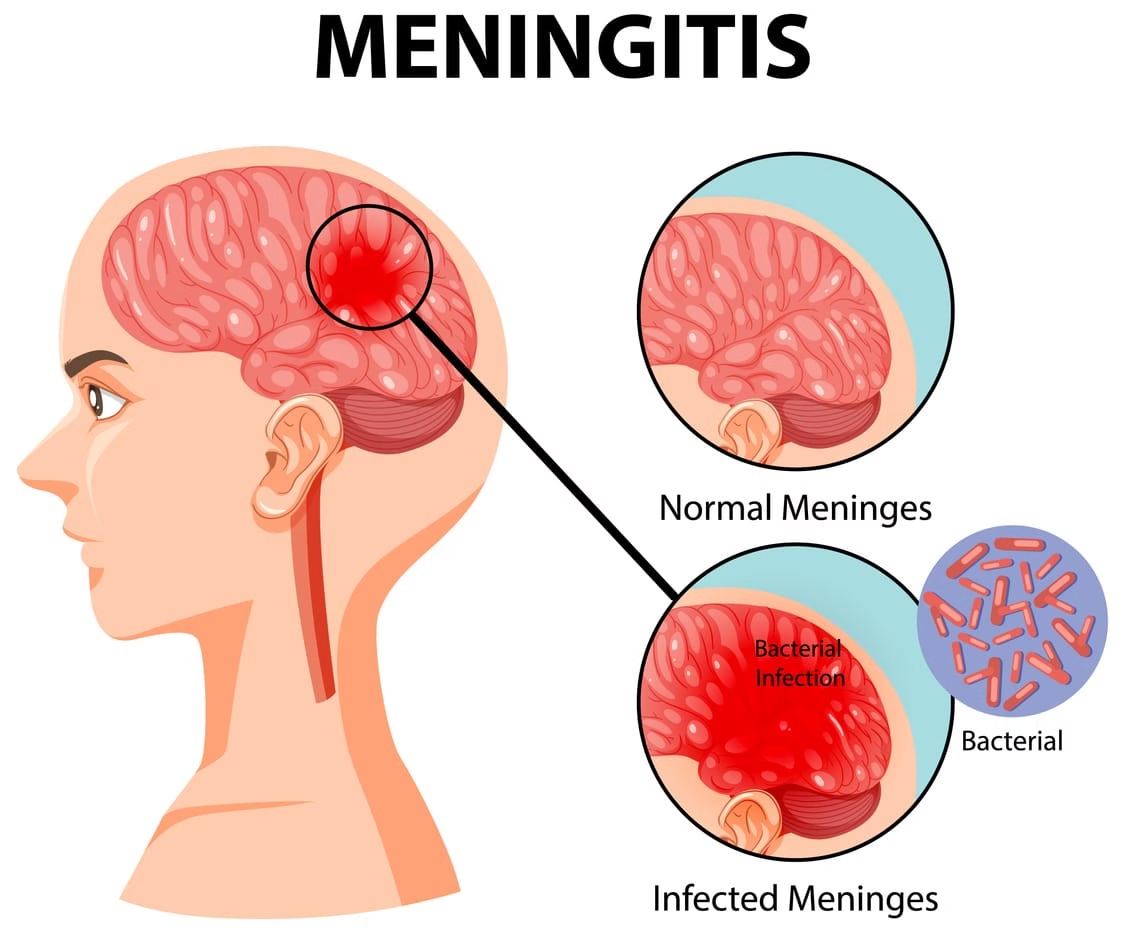
Meningitis is an inflammation of the protective membranes that surround the brain and spinal cord, known as the meninges. This inflammation is usually caused by infections, though in some cases it may result from non-infectious conditions.
The condition can vary in severity depending on the cause. Some forms are mild and resolve without complications, while others can be life-threatening and require urgent treatment.
Meningitis Causes
There are several types of meningitis based on what triggers the inflammation.
Bacterial meningitis
- Caused by bacteria such as Neisseria meningitidis, Streptococcus pneumoniae, and Haemophilus influenzae
- Considered the most severe form
- Requires immediate medical treatment
Viral meningitis
- Caused by viruses such as enteroviruses
- More common but usually less severe than bacterial forms
- Often resolves without specific treatment
Fungal meningitis
- Caused by fungal infections, often in people with weakened immune systems
Parasitic meningitis
- Rare and caused by parasites found in contaminated food or water
Non-infectious meningitis
- Caused by conditions such as autoimmune diseases, certain medications, or cancer
How Meningitis Is Spread
The way meningitis spreads depends on the underlying cause. Most commonly, it spreads through close contact with infected individuals.
Respiratory droplets
- Spread through coughing, sneezing, or close face-to-face contact
- Common in bacterial and viral forms
Saliva exchange
- Kissing or sharing utensils, drinks, or toothbrushes can transmit the infection
Close living conditions
- Dormitories, hostels, and crowded households increase risk
- Prolonged exposure to an infected person raises chances of transmission
Contaminated food or water
- Certain forms can spread through improperly handled or contaminated food
From mother to baby
- Some types can pass during childbirth
It is important to note that meningitis does not spread as easily as common colds or flu, but close and prolonged contact can increase the risk significantly.
Risk Factors
Certain groups are more vulnerable to developing meningitis.
- Infants and young children
- Teenagers and young adults in shared living spaces
- People with weakened immune systems
- Individuals who have not received recommended vaccinations
- Travelers to regions with higher infection rates
Meningitis Symptoms
Recognizing meningitis symptoms early can save lives. Symptoms may appear suddenly and worsen quickly.
Common symptoms in adults
- High fever
- Severe headache
- Stiff neck
- Sensitivity to light
- Nausea and vomiting
- Confusion or difficulty concentrating
- Seizures in severe cases
Meningitis signs in infants and young children
- Bulging soft spot on the head
- Constant crying or irritability
- Poor feeding
- Vomiting
- Sleepiness or difficulty waking
- Stiffness in the body
Emergency warning signs
Seek immediate medical attention if any of the following occur:
- Sudden high fever with neck stiffness
- Difficulty staying awake
- Sensitivity to light combined with headache
- Seizures
- Confusion or disorientation
How Meningitis Is Diagnosed
Diagnosis involves a combination of clinical evaluation and laboratory tests.
- Physical examination to check neck stiffness and neurological signs
- Blood tests to detect infection
- Lumbar puncture to analyze cerebrospinal fluid
- Imaging tests in certain cases
Early diagnosis is critical for effective treatment, especially in bacterial cases.
Meningitis Treatment
Treatment depends on the cause and severity of the condition.
Bacterial meningitis treatment
- Immediate hospitalization
- Intravenous antibiotics
- Supportive care such as fluids and oxygen
- Corticosteroids in some cases to reduce inflammation
Viral meningitis treatment
- Often managed at home with rest and fluids
- Pain relief medications
- Most cases resolve without complications
Fungal and parasitic meningitis treatment
- Antifungal or antiparasitic medications
- Longer treatment duration may be required
Prompt treatment significantly improves outcomes and reduces complications.
Complications of Meningitis
If not treated in time, meningitis can lead to serious complications.
- Hearing loss
- Memory difficulties
- Learning disabilities
- Seizures
- Brain damage
- In severe cases, death
Early medical care is the best way to prevent these outcomes.
Is There a Vaccine for Meningitis?
Yes, vaccines are available for several types of meningitis, particularly bacterial forms. Vaccination is one of the most effective ways to prevent the disease.
Types of meningitis vaccines
- Meningococcal vaccines that protect against Neisseria meningitidis
- Pneumococcal vaccines that protect against Streptococcus pneumoniae
- Haemophilus influenzae type b vaccine
These vaccines are commonly included in routine immunization schedules in many countries.
Who Should Get Vaccinated
Vaccination is recommended for specific groups based on age and risk factors.
- Infants and young children as part of routine immunization
- Teenagers and young adults
- People living in shared accommodations
- Individuals with weakened immune systems
- Travelers to high-risk regions
Consulting a healthcare provider can help determine the appropriate vaccination schedule.
How Vaccines Help Prevent Meningitis
Vaccines work by training the immune system to recognize and fight the bacteria that cause meningitis.
- Reduce the risk of infection
- Lower the severity if infection occurs
- Help prevent outbreaks in communities
Widespread vaccination has significantly reduced cases of bacterial meningitis worldwide.
Prevention Tips Beyond Vaccination
While vaccines are highly effective, additional preventive measures can further reduce risk.
- Practice good hygiene such as frequent handwashing
- Avoid sharing personal items like utensils and bottles
- Cover mouth and nose when coughing or sneezing
- Maintain a healthy immune system through proper nutrition and rest
- Seek medical advice if exposed to someone with meningitis
When to See a Doctor
Do not delay medical care if symptoms suggest meningitis.
- Persistent high fever
- Severe headache with neck stiffness
- Sensitivity to light
- Confusion or unusual behavior
- Vomiting along with neurological symptoms
Early treatment can be lifesaving.
Final Thoughts
Meningitis is a serious condition, but awareness can make a significant difference. Understanding meningitis causes, how it spreads, and recognizing meningitis symptoms early are essential steps in protecting yourself and others.
Vaccination remains one of the most powerful tools in prevention, especially for bacterial forms. Combined with good hygiene and prompt medical care, the risks associated with meningitis can be greatly reduced.
Staying informed and proactive is the best approach to safeguarding health against this potentially life-threatening condition.