isThe human body follows natural patterns that regulate many biological processes. These patterns control when we feel alert, when we feel sleepy, and how our bodies perform throughout the day. One of the most important systems guiding these patterns is the circadian rhythm.
This internal timing system influences sleep, hormone release, digestion, metabolism, and even mood. Understanding how the circadian body clock works can help people develop healthier daily routines and improve overall well-being.
When the natural circadian rhythm functions properly, the body maintains balance between activity and rest. However, disruptions to this rhythm can affect sleep, energy levels, and long-term health. Learning about biological rhythms and how they influence daily life can help individuals support their health in meaningful ways.
Circadian Rhythm Meaning
The circadian rhythm refers to the natural cycle that regulates physical, mental, and behavioral changes in the body over approximately a twenty four hour period. This cycle is influenced primarily by light and darkness in the environment.
In simple terms, the circadian rhythm meaning describes the body’s internal clock that helps control the sleep wake rhythm and other daily biological functions.
Key characteristics of the circadian rhythm include:
- It operates on a roughly twenty four hour cycle
- It is influenced by exposure to light and darkness
- It helps regulate sleep and wakefulness
- It coordinates many physiological processes in the body
The circadian clock exists in nearly every living organism, including humans, animals, plants, and even some microorganisms.
The Circadian Body Clock
This is controlled by a small region in the brain called the suprachiasmatic nucleus. This area is located in the hypothalamus and receives signals from the eyes that detect light.
When light enters the eyes, the brain receives signals that help regulate the internal clock. These signals influence many functions throughout the body.
The circadian clock helps coordinate:
- Sleep and wake cycles
- Body temperature changes
- Hormone production
- Digestive processes
- Metabolism and energy levels
Because this system affects so many body functions, maintaining a stable circadian pattern is essential for overall health.
Understanding the Twenty Four Hour Body Clock
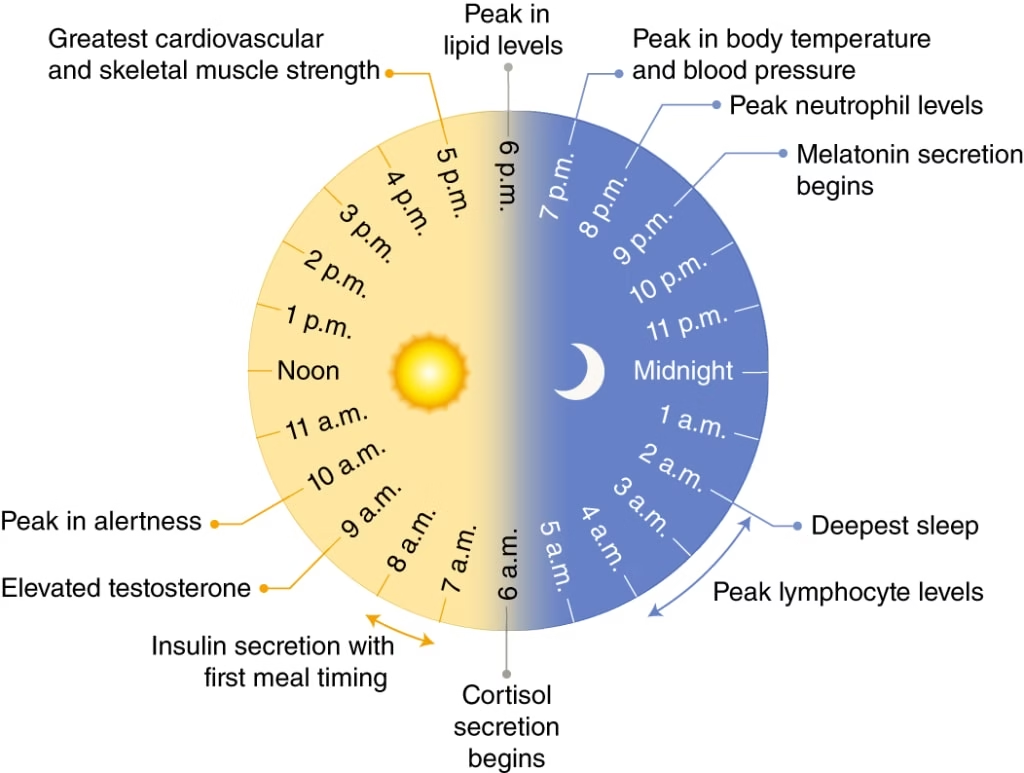
The human body naturally follows a twenty four hour body clock. This clock divides the day into phases that support activity during daylight and rest during nighttime.
Typical circadian pattern stages include:
- Morning alertness and rising body temperature
- Midday peak energy and concentration
- Evening gradual relaxation
- Nighttime release of sleep hormones
These patterns are part of the natural circadian rhythmicity that allows the body to function efficiently.
However, modern lifestyles can interfere with these natural cycles, especially through artificial lighting, irregular sleep schedules, and excessive screen exposure.
Circadian Rhythm Sleep and the Sleep Wake Rhythm
One of the most important roles of the circadian rhythm is regulating sleep. The circadian rhythm sleep cycle helps determine when people feel sleepy and when they feel awake.
During the evening, the brain releases a hormone called melatonin. This hormone signals the body that it is time to prepare for sleep.
Circadian sleep regulation helps:
- Control the timing of sleep
- Improve sleep quality
- Maintain consistent sleeping rhythms
- Support physical and mental recovery
When the sleep wake rhythm becomes disrupted, individuals may experience insomnia, fatigue, or irregular sleep patterns.
Biological Rhythms in the Human Body
Circadian rhythm is one type of biological rhythm. Biological rhythms refer to repeating cycles that regulate different functions within living organisms.
The body operates through several rhythmic cycles, including:
- Circadian rhythms lasting about twenty four hours
- Ultradian cycles occurring multiple times within a day
- Longer seasonal rhythms that affect mood and behavior
These biological rhythms work together to maintain balance and ensure that body processes occur at appropriate times.
Ultradian Cycle and Its Role in Daily Function
In addition to the circadian cycle, the body experiences ultradian cycles. These cycles are shorter rhythms that repeat several times during a day.
Ultradian cycles typically last between ninety minutes and a few hours and influence:
- Stages of sleep
- Hormone secretion patterns
- Attention and concentration cycles
- Energy fluctuations throughout the day
For example, sleep consists of multiple ultradian cycles that alternate between different sleep stages.
Understanding these cycles helps explain why people experience periods of high focus followed by natural dips in energy.
Diurnal Rhythms and Daytime Activity
Diurnal rhythms refer to patterns that occur during daylight hours. Humans are generally considered diurnal organisms because they are naturally active during the day and rest during the night.
Diurnal rhythms influence:
- Daytime alertness
- Cognitive performance
- Physical coordination
- Mood and emotional balance
Exposure to natural daylight plays a critical role in maintaining these rhythms. Spending time outdoors during the day helps reinforce the natural circadian cycle.
Effects of Circadian Rhythm on Human Health
The circadian rhythm affects many aspects of human health. When the internal clock remains aligned with natural environmental cues, the body functions more efficiently.
Healthy circadian rhythmicity supports:
- Improved sleep quality
- Balanced hormone production
- Strong immune function
- Healthy metabolism
- Stable mood and mental clarity
When circadian patterns are disrupted, the body may struggle to maintain these essential functions.
Circadian Rhythm and Mental Health
The circadian clock has a strong connection with emotional and psychological well-being. Irregular sleeping rhythms can influence mood, stress levels, and mental performance.
Disruptions to the circadian cycle may contribute to:
- Mood disorders
- Increased stress
- Difficulty concentrating
- Reduced cognitive performance
Maintaining a consistent sleep wake rhythm helps support emotional stability and mental clarity.
Circadian Rhythm and Metabolism
The circadian body clock also plays an important role in regulating metabolism. The body processes food and energy differently depending on the time of day.
Healthy circadian patterns help regulate:
- Hunger and appetite signals
- Insulin sensitivity
- Energy metabolism
- Fat storage processes
Eating meals at irregular times or late at night may interfere with metabolic rhythms and affect long-term health.
Circadian Rhythm and Immune Function
Research suggests that the immune system also follows circadian rhythmicity. Certain immune responses become more active during specific times of the day.
Healthy circadian cycles support:
- Efficient immune defense
- Proper inflammatory response
- Faster recovery from illness
Chronic disruptions to the internal clock may weaken immune function over time.
Causes of Circadian Rhythm Disruption
Modern lifestyles can easily disturb the natural circadian rhythm. Several factors can interfere with the internal clock.
Common causes include:
- Irregular sleep schedules
- Shift work
- Late night screen exposure
- Traveling across time zones
- Excessive artificial lighting at night
When these disruptions occur frequently, the body may struggle to maintain healthy biological rhythms.
Health Effects of Circadian Rhythm Disturbances
Disruptions to the circadian cycle can affect multiple body systems. Over time, irregular rhythms may contribute to several health concerns.
Potential effects include:
- Chronic sleep problems
- Fatigue and reduced energy
- Difficulty concentrating
- Metabolic imbalances
- Increased stress levels
Maintaining a stable daily routine can help reduce these risks.
Supporting a Natural Circadian Rhythm
Maintaining healthy circadian patterns involves aligning daily habits with the body’s natural internal clock.
Helpful practices include:
- Maintaining a consistent sleep schedule
- Getting exposure to natural daylight during the morning
- Limiting screen exposure before bedtime
- Creating a relaxing evening routine
- Eating meals at consistent times
- Avoiding heavy meals late at night
These habits help reinforce the natural circadian sleep cycle and improve overall well-being.
Importance of Healthy Sleeping Rhythms
Sleeping rhythms play a central role in physical and mental recovery. During sleep, the body performs essential processes such as tissue repair, hormone regulation, and memory consolidation.
Healthy sleep patterns support:
- Improved concentration
- Emotional stability
- Physical recovery
- Immune system strength
Consistent sleep wake rhythms allow the body to restore energy and maintain optimal health.
Final Thoughts
The circadian rhythm is a fundamental system that influences many aspects of human health. From regulating sleep to supporting metabolism and immune function, the internal clock plays a critical role in maintaining balance within the body.
Modern lifestyles often disrupt natural biological rhythms, but simple lifestyle adjustments can help restore alignment with the body’s natural circadian cycle.
By understanding how circadian rhythmicity works and supporting healthy sleeping rhythms, individuals can improve sleep quality, boost energy levels, and enhance overall well-being.