Sexually transmitted infections, commonly known as stis, are among the most widespread health concerns worldwide. They are primarily transmitted through sexual contact, including vaginal, oral, and anal sex. While some infections can be easily treated, others may lead to long-term complications if left undiagnosed.
Understanding the different types of sexually transmitted infection conditions, their symptoms, and treatment options is essential for maintaining good sexual health. This guide covers the most common infections, what to watch for, and how to protect yourself.
What are sexually transmitted infections
Sexually transmitted infections are infections caused by bacteria, viruses, or parasites that spread through sexual contact. Some infections can also be transmitted through blood, from mother to child during pregnancy, or through shared needles.
Many people with stis do not experience noticeable symptoms, which makes regular testing and awareness extremely important.
Sexually transmitted infection symptoms
Symptoms can vary widely depending on the type of infection. In many cases, individuals may not notice any signs at all.
Common symptoms in both men and women
- Unusual discharge from the genitals
- Burning sensation during urination
- Sores, bumps, or rashes in the genital area
- Itching or irritation
- Pain during sexual activity
- Lower abdominal pain
Symptoms of STD in female
- Abnormal vaginal discharge
- Bleeding between periods
- Pelvic pain
- Pain during intercourse
- Unusual odor
Because symptoms can be mild or absent, many infections go undetected without testing.
Why sexual health awareness matters
Maintaining good sexual health is not just about avoiding infections. It also involves regular screenings, safe practices, and open communication with partners.
Key reasons to stay informed
- Prevent long-term health complications
- Reduce the spread of infections
- Protect reproductive health
- Ensure early diagnosis and treatment
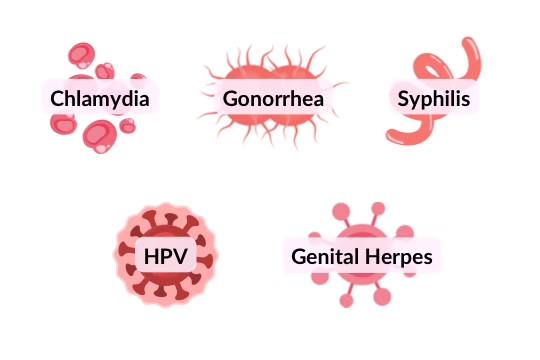
Sexually transmitted diseases list
Below are some of the most common infections affecting people worldwide.
Chlamydia
Chlamydia is one of the most frequently reported bacterial infections.
Symptoms
- Often no symptoms
- Pain during urination
- Discharge from genitals
- Pelvic pain in women
Treatment
- Antibiotics are highly effective
- Early treatment prevents complications
If untreated, it can lead to infertility, especially in women.
Gonorrhea
Gonorrhea is another common bacterial infection that often occurs alongside chlamydia.
Symptoms
- Burning during urination
- Thick discharge
- Painful or swollen testicles
- Increased vaginal discharge
Treatment
- Antibiotics are used
- Drug resistance is increasing, making timely treatment important
Syphilis
Syphilis progresses in stages and can cause serious complications if untreated.
Symptoms
- Painless sores in early stage
- Skin rash in later stages
- Fever and fatigue
- Neurological complications in advanced stages
Treatment
- Antibiotics, especially penicillin
- Early detection is critical
Genital herpes
Genital herpes is caused by the herpes simplex virus.
Symptoms
- Painful blisters or sores
- Itching and irritation
- Flu-like symptoms during initial outbreak
Treatment
- No cure, but antiviral medications help manage symptoms
- Reduces frequency and severity of outbreaks
Genital warts
Genital warts are caused by certain strains of human papillomavirus.
Symptoms
- Small bumps or growths in genital area
- Itching or discomfort
- Sometimes no symptoms
Treatment
- Removal procedures
- Medications to reduce warts
- Vaccination helps prevent certain strains
HIV/AIDS
HIV attacks the immune system and can progress to AIDS if untreated.
Symptoms
- Flu-like symptoms in early stage
- Weight loss
- Chronic infections
- Fatigue
Treatment
- Antiretroviral therapy
- Lifelong management
Early diagnosis allows individuals to live long, healthy lives.
Trichomoniasis
This infection is caused by a parasite.
Symptoms
- Itching and irritation
- Unusual discharge
- Burning during urination
Treatment
- Antiparasitic medications
- Both partners should be treated
Hepatitis B
Hepatitis B affects the liver and can be transmitted sexually.
Symptoms
- Fatigue
- Nausea
- Yellowing of skin and eyes
- Abdominal pain
Treatment
- Antiviral medications in chronic cases
- Vaccination is available
Human papillomavirus
HPV is one of the most common infections worldwide.
Symptoms
- Often no symptoms
- Can cause genital warts
- Linked to certain cancers
Treatment
- No cure for the virus itself
- Vaccination provides protection
- Regular screening helps detect complications
Pubic lice
Pubic lice are parasites that live in coarse body hair.
Symptoms
- Intense itching
- Visible lice or eggs
- Skin irritation
Treatment
- Medicated lotions or shampoos
- Cleaning of clothing and bedding
Sexually transmitted infection(STIs) treatment
Treatment depends on the type of infection.
General approaches
- Antibiotics for bacterial infections
- Antiviral medications for viral infections
- Antiparasitic drugs for parasitic infections
Important considerations
- Complete the full course of medication
- Avoid sexual activity during treatment
- Inform and treat partners
- Follow up with testing if needed
Complications of untreated infections
Ignoring symptoms or delaying treatment can lead to serious health problems.
Possible complications
- Infertility
- Chronic pelvic pain
- Pregnancy complications
- Increased risk of HIV
- Organ damage
Early diagnosis significantly reduces these risks.
How to prevent stis
Prevention is always better than treatment.
Effective prevention strategies
- Use protection during sexual activity
- Limit number of sexual partners
- Get regular health checkups
- Get vaccinated where available
- Avoid sharing needles
- Maintain open communication with partners
When to get tested
Testing is essential even if there are no symptoms.
You should consider testing if
- You have a new sexual partner
- You have multiple partners
- You experience any symptoms
- Your partner has been diagnosed with an infection
Regular testing is a key part of responsible sexual health.
Final thoughts
Sexually transmitted infections are common, but they are also preventable and often treatable. Awareness, safe practices, and timely medical care can make a significant difference.
Understanding the symptoms of sexually transmitted infection conditions, knowing the available treatments, and taking proactive steps toward prevention are essential for maintaining overall well-being.
Taking care of your sexual health is an important part of your overall health, and staying informed empowers you to make better decisions.