Categories
Health

How to Fix Hormonal Hunger Without Dieting – Smart Ways to Regulate Ghrelin

Do you ever feel that no matter how much you eat, you’re still hungry? That uncontrollable urge to snack, binge, or overeat may not just be a matter of willpower or bad habits — it could be your hormones at work. One key player in this puzzle is ghrelin, commonly known as the hunger hormone.

Instead of turning to restrictive dieting, there are smarter ways to manage hormonal hunger and restore balance, helping you enjoy a healthy lifestyle without unnecessary food anxiety.

✅ What Is Ghrelin?

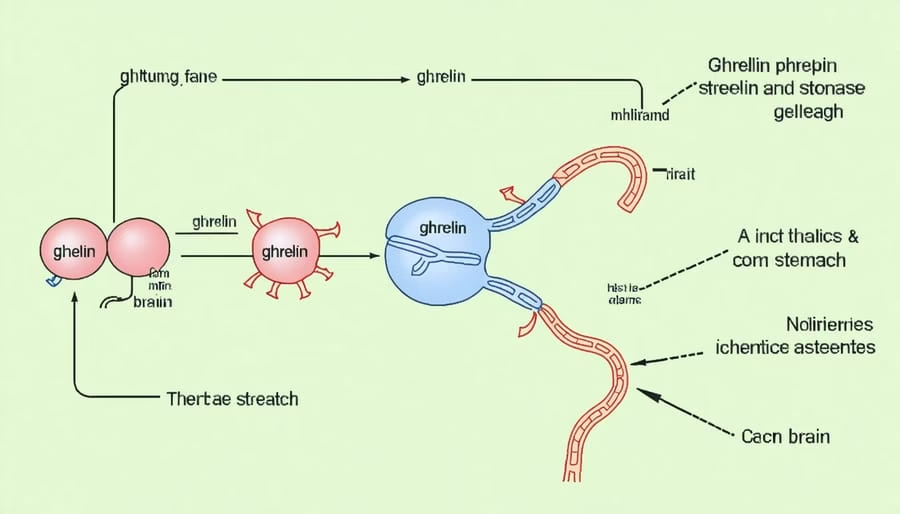
Ghrelin is a hormone produced mainly in the stomach. It signals your brain when it’s time to eat by increasing appetite and promoting fat storage. When ghrelin levels rise, you feel hungry — even if your body doesn’t need more calories.

Interestingly, ghrelin levels tend to rise:

  • Before meals
  • During dieting
  • When you’re sleep-deprived or stressed

👉 High ghrelin is part of your body’s natural mechanism to prevent starvation, but modern habits can turn it into an obstacle.

⚡ Why Dieting Can Make It Worse

Many people think restricting calories or following harsh diets is the key to controlling hunger. However, dieting often backfires by:

  • Increasing ghrelin production, making you feel hungrier than before.
  • Causing food anxiety, which leads to overeating or bingeing.
  • Triggering a cycle of yo-yo dieting, which disrupts your metabolism and hormones.

👉 Instead of fighting your body’s signals, it’s smarter to work with them.

✅ Signs You’re Experiencing Hormonal Hunger

  • Constant, uncontrollable urge to snack
  • Feeling hungry even after a large meal
  • Craving sugary or high-carb foods
  • Mood swings linked to hunger
  • Food anxiety or obsessing about next meal time

If this sounds familiar, your ghrelin levels may be elevated.

🌿 How to Fix Hormonal Hunger Without Dieting

1 Prioritize Protein and Fiber in Meals

Both protein and fiber help reduce ghrelin production and increase satiety.

  • Include lean proteins like chicken, fish, legumes, and tofu.
  • Incorporate high-fiber vegetables and whole grains.

🍳 Example: A balanced plate with grilled chicken, quinoa, and steamed broccoli keeps you full longer without triggering extra hunger.

2 Get Enough Quality Sleep

Sleep deprivation is a major cause of elevated ghrelin levels. Aim for:

  • 7–9 hours of sleep per night
  • A regular sleep schedule

💡 Pro Tip: Avoid caffeine and screens close to bedtime to improve sleep quality.

3 Manage Stress with Healthy Lifestyle Practices

Chronic stress raises ghrelin and makes you crave comfort foods. Instead of dieting under stress, focus on:

  • Meditation
  • Gentle exercise (e.g., yoga, walking)
  • Deep breathing techniques

This helps lower stress hormones and balances hunger signals naturally.

4 Eat Mindfully and Avoid Food Anxiety

Rather than obsessing about calories or restricting yourself:

  • Practice mindful eating.
  • Pay attention to hunger and fullness cues.
  • Enjoy meals without distractions (no TV or phone).

🍴 Example: Slow down, savor each bite, and stop when you feel comfortably full.

5 Incorporate Healthy Fats

Healthy fats such as avocado, olive oil, and nuts help stabilize blood sugar and suppress ghrelin spikes.
🥑 Example: Add avocado slices or a handful of almonds to your meals.

6 Stay Hydrated

Sometimes thirst disguises itself as hunger. Drinking enough water helps:

  • Lower ghrelin levels
  • Improve digestion
  • Support overall metabolic health

💧 Tip: Drink a glass of water before meals to help control hunger naturally.

7 Consider Natural Ghrelin Blockers

Some foods and supplements may help regulate ghrelin production:

⚠️ Always consult a healthcare provider before using supplements.

🌟 Final Thoughts

Managing ghrelin – the hunger hormone – is not about starving yourself or following extreme diets. It’s about smart choices that respect your body’s signals:
✅ Prioritize protein and fiber
✅ Sleep well
✅ Manage stress
✅ Eat mindfully
✅ Incorporate healthy fats
✅ Stay hydrated
✅ Use natural ghrelin blockers (with caution)

By focusing on these strategies, you can reduce hormonal hunger, enjoy your meals without guilt, and adopt a healthy lifestyle that lasts a lifetime.

👉 Don’t let hunger hormone control you — take small steps today for long-term balance and well-being.


Categories
Wellness

Tips to staying healthy in retirement

Retired people mostly worry about the three things which are wealth, health and relationships. Wealth is the first major worry for almost all retirees. Second is the health that occupies their mind. Retirement should not be like staying at home alone, it should be like starting to spend time on things you’ve really wanted to in your service period. Retirement can be one of the best times of your life, but the thing is you should make sure you’re staying active and healthy. Our immune systems should run at its peak efficiently. To achieve, here are some tips for staying healthy in retirement.

Fitness

Having sedentary lifestyle spoils the overall health, so it is necessary to stay active and engaged. This fewer the health problems we face like obesity, arthritis, neurological disorders, gastrointestinal disorders, etc. For being active, our mind should be filled with good positive attitude. Getting older is not a barrier to achieve anything in life. Talk to your doctor and know about your restrictions you might have, and then get engaged with all the activities you’ve wanted to do always but didn’t find time.

5 simple ways to stay active and healthy

Staying healthy in retirement is easy when you choose anyone or all the 5 as your daily routine:

Swim

Swimming and any water-based workouts are completely safe and effective regardless of your age. This is easy on the joints and will not be harmful even if you’ve any bone problems. Swimming is the approved exercise to increase the heart health, improves muscle strength, and cardiovascular health. Thus, it is considered to be a good choice for elderly people.

Lift weights

This may sound weird but we need to rethink on this, look at the benefits it creates including self-confidence, stronger bones and muscles. Trainer would advice on the effective exercises for aged people or even for people with disabilities.

Hiking/Walking

Walking or Hiking helps in connecting with nature and to interact with neighbors or other people in the park and outdoors. The sense of independence is the key here, this benefits most hikers and help them relieve from everyday stress. Walking or Hiking also includes other health benefits like heart health, mobility and a reduced risk of hospitalization.

Joining a Sports League

Adult sports leagues are available all across the country and whatever your sport of choice is, there is a high chance to find the players in your area. Thus, this has physical and mental health benefits of making some new friends.

Yoga

If you’re hesitant to do more active exercises or sports, then yoga is the best choice. This helps in increasing flexibility, lowering stress level, increasing blood circulation, etc. thereby good for overall health.

Final thoughts

For staying healthy after retirement, the major key is to stay fit and to follow an active lifestyle. Following these five simple yet effective ways will not only help in improving health and fitness but also makes your life happier and more balanced.

Categories
Health

Natural Immune Boosters for a Healthy Body: Nutrition, Habits, and Lifestyle

In today’s fast-paced world, our bodies constantly face stress, pollution, and pathogens that test the strength of our immune system. While no single food or pill can guarantee protection from illness, the choices we make daily play a huge role in keeping our defenses strong. That’s where natural immune boosters come in — simple, science-backed ways to give your body the resilience it needs.

Instead of reaching for quick fixes, focusing on long-term immune health through nutrition, lifestyle, and habits can make a world of difference. Let’s explore how you can naturally boost your immunity and maintain a healthy body.

Why Focus on Immune Boosters?

The immune system is your body’s shield against infections, viruses, and chronic disease. A well-functioning immune system:

  • Fights off harmful bacteria and viruses
  • Promotes faster recovery from illness
  • Reduces inflammation
  • Improves overall energy and vitality

Immune boosters don’t “supercharge” the immune system to unnatural levels — rather, they help balance and support its natural function, making it more effective at defending you when it matters most.

Top Natural Immune Boosters

1. Nutrient-Rich Foods

A healthy diet is the foundation of immunity. Focus on foods that are rich in vitamins, minerals, and antioxidants.

  • Vitamin C: Found in citrus fruits, strawberries, bell peppers, and kiwi.
  • Vitamin A: Present in carrots, sweet potatoes, and spinach.
  • Zinc: A key immune mineral found in pumpkin seeds, chickpeas, and nuts.
  • Probiotics: Yogurt, kefir, and fermented foods like kimchi support gut health, which is closely tied to immunity.

Pro Tip: Eat a colorful plate — the more varied the colors, the broader the nutrient range.

2. Herbal Support

For centuries, herbs have been used as natural immune boosters. Science is now catching up to confirm their benefits.

  • Elderberry: May reduce the duration of colds and flu.
  • Echinacea: Supports the body’s natural defenses, especially during seasonal changes.
  • Turmeric: Packed with curcumin, a powerful anti-inflammatory compound.
  • Ginger & Garlic: Both have antimicrobial properties and support circulation.

3. Quality Sleep

Sleep isn’t just rest — it’s when your body repairs and regenerates. Poor sleep lowers immune cell production and makes you more vulnerable to infections.

Aim for 7–9 hours of quality sleep per night. Try creating a bedtime routine, avoiding blue light before bed, and keeping your room cool and dark.

4. Regular Exercise

Moderate physical activity stimulates the immune system by improving circulation and reducing stress hormones.

  • Walking, jogging, or cycling for 30 minutes a day can significantly boost immunity.
  • Avoid overtraining, as extreme exercise may weaken immune response.

5. Stress Management

Chronic stress produces high levels of cortisol, which weakens immune function. Managing stress is just as important as nutrition.

Effective stress-relievers include:

  • Meditation or mindfulness
  • Yoga and breathing exercises
  • Journaling or creative hobbies
  • Spending time in nature

6. Stay Hydrated

Water supports the body’s detox systems, helps transport nutrients, and maintains mucous membranes — your first line of defense against pathogens. Aim for at least 8 glasses daily, adjusting for activity and climate.

 7. Vitamin D from Sunlight

Vitamin D plays a major role in activating immune defenses. Spending just 15–20 minutes in sunlight a few times a week can boost levels naturally. In winter months, supplements may be needed.

Habits That Weaken Immunity (to Avoid)

To get the best from immune boosters, avoid these common pitfalls:

  • Excessive sugar and processed foods (inflammation triggers)
  • Smoking and heavy alcohol use
  • Chronic sleep deprivation
  • Sedentary lifestyle

Putting It All Together

Natural immune boosters aren’t about quick fixes or miracle cures. They’re about building habits that strengthen your body’s defenses over time. Think of it as stacking the odds in your favor: nutrient-dense meals, herbal support, good sleep, movement, and stress management all work together.

Your immune system is one of the most sophisticated defense networks in nature. By giving it the right support, you’ll not only fight off illness better but also enjoy more energy, focus, and vitality in your daily life.

Exit mobile version