
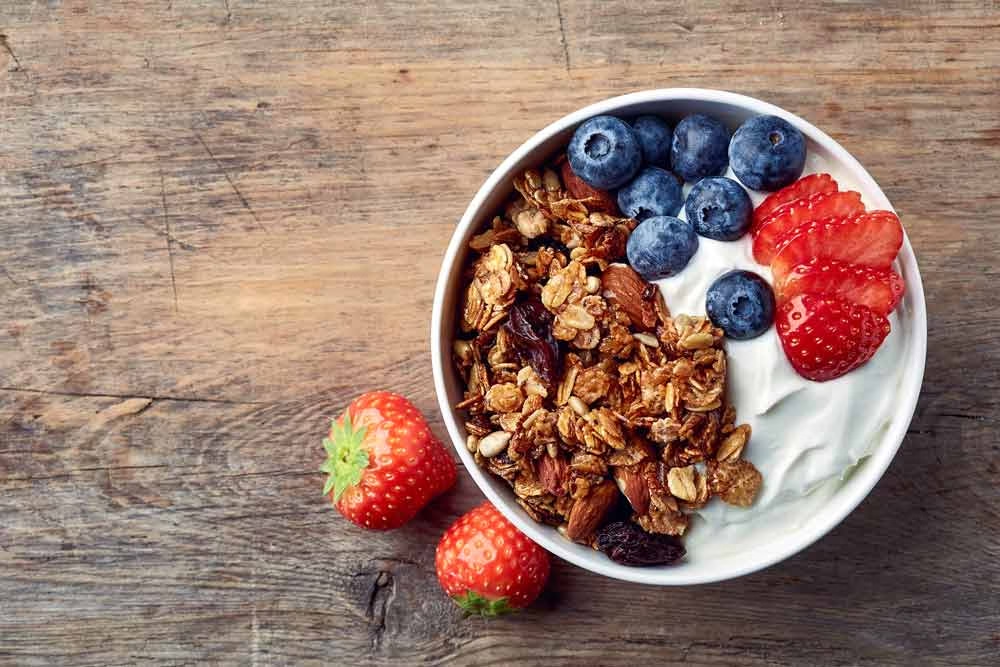
A healthy diet is no longer defined only by calories, protein, or vitamins. Increasingly, attention has shifted toward gut health and the role of beneficial bacteria in supporting overall well-being. The human digestive system hosts trillions of microorganisms, and maintaining a balanced microbiome has become central to modern nutrition diet strategies.
Probiotics are live microorganisms that, when consumed in adequate amounts, offer health benefits. These beneficial bacteria support digestion, immune function, metabolic health, and even mood regulation. Including high quality probiotics in a daily diet is one of the most practical ways to improve long-term health.
The good news is that probiotic foods are widely available, natural, and easy to incorporate into everyday meals. Below are 10 probiotic foods that can strengthen a healthy fresh eating routine and support a lifestyle that is truly healthy for life.
-
Yogurt With Live Cultures
Yogurt is one of the most recognized probiotic foods worldwide. It is produced by fermenting milk with beneficial bacteria such as Lactobacillus and Bifidobacterium strains.
Not all yogurt contains live cultures, so it is important to choose varieties labeled with “live and active cultures.” Plain, unsweetened yogurt is typically the best option, as added sugars can negatively affect gut health.
Benefits of including yogurt in a daily diet:
- Supports digestion
- Improves lactose tolerance
- Strengthens immune function
- Helps maintain gut balance
Yogurt can be consumed as:
- Breakfast with fruits and seeds
- A smoothie base
- A side dish with meals
- A post-meal digestive aid
For individuals after weight loss, yogurt provides protein and probiotics that help maintain satiety and metabolic stability.
-
Kefir
Kefir is a fermented milk drink similar to yogurt but thinner in consistency. It contains a broader variety of beneficial bacteria and yeast compared to regular yogurt, making it a powerful source of high quality probiotics.
Kefir supports:
- Gut microbiome diversity
- Bone health due to calcium content
- Improved digestion
- Immune system regulation
Because kefir is a drinkable probiotic, it easily fits into a daily diet routine. It can be consumed plain, blended into smoothies, or added to overnight oats.
Probiotic drinks benefits include easier absorption and improved digestive support, especially for individuals with sensitive stomachs.
-
Kimchi
Kimchi is a traditional Korean dish made from fermented vegetables, commonly cabbage and radish, combined with spices and seasonings.
It is rich in:
- Beneficial bacteria
- Fiber
- Antioxidants
- Vitamins A and C
The benefits of fermented vegetables such as kimchi include enhanced digestion, reduced inflammation, and improved gut flora balance.
Kimchi can be added to:
- Rice bowls
- Stir-fries
- Salads
- Soups
Regular inclusion of fermented vegetables in a nutrition diet supports long-term digestive resilience.
-
Sauerkraut
Sauerkraut is fermented cabbage prepared through natural lactic acid fermentation. When unpasteurized, it contains live probiotic cultures.
Sauerkraut supports:
- Digestive enzyme production
- Nutrient absorption
- Immune system strength
- Reduced bloating
It is important to choose refrigerated, unpasteurized sauerkraut, as shelf-stable versions are often heat-treated and may lack live bacteria.
Adding small portions daily to meals enhances gut health while contributing to a healthy fresh eating approach.
-
Miso
Miso is a fermented soybean paste commonly used in Japanese cuisine. It contains beneficial microorganisms formed during fermentation.
Miso contributes to:
- Improved digestion
- Balanced gut bacteria
- Plant-based protein intake
- Mineral support
Miso soup is a simple way to introduce probiotics into the daily diet. The key is to avoid boiling miso excessively, as high heat can reduce probiotic activity.
For those seeking better foods that combine flavor and function, miso is a practical addition.
-
Tempeh
Tempeh is another fermented soybean product, but unlike miso, it is solid and high in protein. It is popular among individuals following plant-based nutrition diet plans.
Benefits include:
- Probiotic support
- High protein content
- Fiber for digestive health
- Satiety support after weight loss
Tempeh can be grilled, baked, or sautéed and added to salads, sandwiches, or grain bowls.
Its combination of protein and probiotics makes it ideal for individuals aiming to maintain muscle mass and metabolic balance.
-
Kombucha
Kombucha is a fermented tea beverage made using a symbiotic culture of bacteria and yeast. It has gained popularity as a functional probiotic drink.
Probiotic drinks benefits of kombucha include:
- Supporting gut microbiome balance
- Providing antioxidants
- Assisting digestion
- Potential detox support
Choosing low-sugar versions is important to maintain the integrity of a healthy diet.
Kombucha can replace sugary sodas and serve as a refreshing alternative in a daily diet routine.
-
Pickles (Naturally Fermented)
Naturally fermented pickles, prepared in saltwater brine rather than vinegar, contain beneficial bacteria.
These pickles:
- Support gut flora
- Improve digestion
- Add beneficial enzymes
- Provide a low-calorie snack option
Like sauerkraut, they must be unpasteurized to retain probiotic benefits.
Incorporating small servings into meals enhances flavor while contributing to high quality probiotics intake.
-
Traditional Buttermilk
Traditional buttermilk, especially when cultured, contains live bacteria that support digestive health.
It aids in:
- Soothing the digestive tract
- Supporting gut bacteria balance
- Providing calcium and protein
- Improving hydration
Buttermilk can be consumed alone or added to smoothies and traditional recipes.
In warm climates, it serves as a refreshing addition to a healthy fresh diet.
-
Fermented Cheeses
Certain cheeses, such as aged cheddar, Gouda, and mozzarella, may contain live probiotic cultures if not heavily processed.
These cheeses offer:
- Probiotic support
- Calcium for bone health
- Protein for muscle maintenance
- Improved gut balance
Moderation is essential, especially for individuals managing calorie intake after weight loss. When included wisely, fermented cheeses can complement a balanced nutrition diet.
Why Probiotics Matter in a Healthy Diet
Gut health influences far more than digestion. Research continues to show that the microbiome impacts:
- Immune system regulation
- Inflammation control
- Metabolic efficiency
- Mood and mental clarity
- Weight management
An imbalanced microbiome can contribute to digestive discomfort, weakened immunity, and metabolic challenges.
By incorporating probiotic fruits, fermented vegetables, and probiotic drinks into the daily diet, individuals create a supportive internal environment that promotes long-term health.
Probiotic Fruits and Natural Sources
While most probiotics come from fermented foods, certain fruits act as prebiotics, supporting beneficial bacteria growth.
Examples include:
- Bananas
- Apples
- Berries
- Papaya
Although not direct sources of probiotics, they enhance the effectiveness of high quality probiotics in the digestive system.
Pairing yogurt with fruits or adding berries to kefir strengthens microbiome benefits.
How to Safely Add Probiotics to the Daily Diet
Introducing probiotic foods gradually is important. Sudden large amounts may cause temporary bloating or gas as the gut adjusts.
Recommended approach:
- Start with small servings
- Add one new fermented food at a time
- Monitor digestive comfort
- Maintain hydration
Consistency matters more than quantity. A small daily portion is often more effective than occasional large servings.
Probiotics and Weight Management
Gut bacteria influence appetite regulation, nutrient absorption, and fat storage. Including probiotic-rich better foods may support weight stability and digestive efficiency.
After weight loss, maintaining a healthy microbiome can:
- Reduce cravings
- Improve metabolism
- Support nutrient absorption
- Enhance digestive comfort
While probiotics alone do not cause weight loss, they support metabolic health within a comprehensive nutrition diet.
Benefits of Fermented Vegetables in your Diet
Fermented vegetables deserve special attention because they provide both probiotics and fiber.
Key benefits include:
- Improved digestion
- Enhanced nutrient absorption
- Reduced inflammation
- Increased gut microbiome diversity
They are low in calories yet rich in flavor, making them ideal additions to a healthy diet.
Building a Healthy Fresh Routine
Creating a sustainable probiotic habit does not require drastic changes. A simple daily plan may include:
- Yogurt with fruit for breakfast
- Fermented vegetables with lunch
- Kombucha or kefir as a beverage
- Tempeh or miso in dinner dishes
This balanced approach ensures exposure to diverse strains of beneficial bacteria.
The goal is not perfection but consistency. High quality probiotics from natural sources help build resilience in the digestive system over time.
Final Thoughts
A healthy diet is more than calorie counting. It is about nourishing the body’s internal ecosystem.
Including probiotic foods such as yogurt, kefir, kimchi, sauerkraut, miso, tempeh, kombucha, pickles, buttermilk, and fermented cheeses supports gut health and overall well-being.
These better foods contribute to digestion, immune strength, metabolic stability, and long-term vitality. When integrated thoughtfully into the daily diet, they create a foundation that supports being healthy for life.
Probiotics are not a trend. They are a functional, science-supported component of modern nutrition diet strategies.
Consistency, variety, and balance remain the keys to maximizing their benefits.