
Polycystic ovary syndrome (PCOS) is a condition that occurs mainly due to excess hormones created by your ovaries. That hormone is called androgens, which causes your other reproductive hormones to malfunction. As the reproductive hormones gets disturbed, women with PCOS face irregular menstrual cycles, no periods for 2-3 consecutive months and unpredictable ovulation phase. As the name implies, “polycystic” means many fluid filled sacs with immature eggs may be visible on your ovaries. But don’t get panic, these are not dangerous or painful. In this guide, we are going to explore mild pcos symptoms list. If you are looking for a complete guide on PCOS, please check our PCOS – causes, symptoms, diagnosis, and tests guide.
Mild PCOS Symptoms List
Here’s the mild pcos symptoms list to explore:
- Irregular periods – irregular or missed periods or having no periods at all is the common PCOS symptom found among teenage girls and adult women.
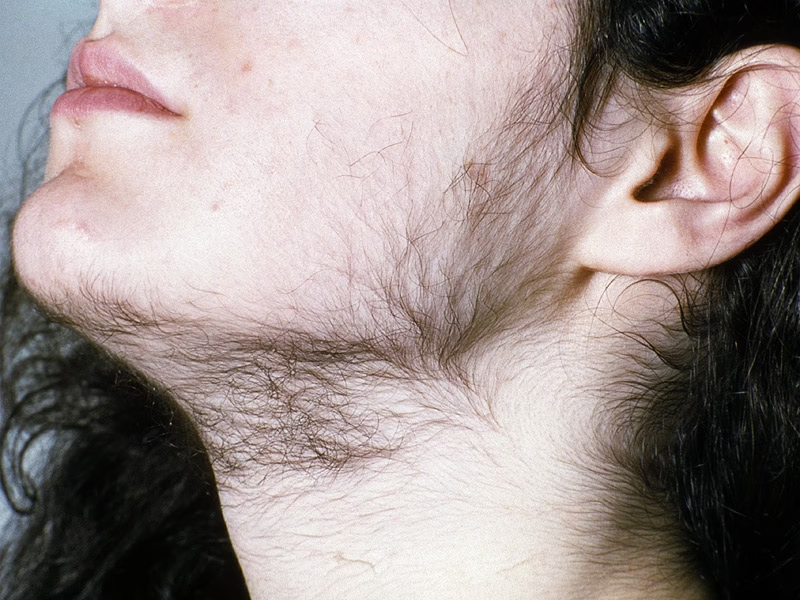
- Abnormal hair growth – There may be excess hair growth on face, chest, arms and abdomen. This is called Hirsutism. Around 70% of women with PCOS have this sign.
- Acne – Teenage girls and adult women with PCOS have acne problem that is difficult to treat.
- Obesity – Most people with PCOS often have difficulty maintaining a healthy weight. Around 80% of people with PCOS suffer from obesity.
- Dark patches on the skin – PCOS causes dark patches on the skin, especially in the folds of neck, groin, under your breasts and armpits. This condition is also called acanthosis nigricans.
- Cysts – Ovaries appear larger or have many follicles inside. Ultrasound method can help you diagnose this.
- Skin tags – Little flaps of extra skin are often visible in your neck or in your armpits.
- Hair thinning or hair loss – PCOS women suffer from hair loss, patches of hair on their head start to get bald.
- Infertility – As the ovulation is not regular, it is impossible for women with PCOS to get pregnant.
I don’t have any of the PCOS symptoms, but I am diagnosed with PCOS
This is the most common statement from women who have PCOS. The actual problem is many women don’t even realize they have PCOS until there is trouble for getting pregnant or not able to maintain ideal weight. These cases often come under the mild pcos symptoms that’s why you were not able notice any differences in your body.
PCOS Causes
Some studies say that genetics and obesity play a role in PCOS causes. However, the exact cause of PCOS is still known.
People with PCOS are diagnosed with the following:
Higher levels of androgens
You know what, androgen levels prevent the releasing of eggs from your ovaries. As a result, this causes irregular menstruation. This irregular ovulation creates small fluid-filled sacs in your ovaries. If the androgen levels are extremely high, it can cause excess hair growth of facial hairs in females and acne which is difficult to treat.
Insulin resistance
The rise in the androgen levels (male hormones) causes suppression in the ovulation process. This is due to insulin resistance in your body. Evidences show that obesity can also contribute to insulin resistance. As a result, you will either have diabetes or just an indication of insulin resistance with normal blood glucose level.
Pregnancy complications and PCOS – How true it is?
Most people with PCOS are able to carry a successful pregnancy. However, some pregnancies include the following complications:
- Preterm birth
- C-section delivery because of obesity
- High blood pressure
- Diabetes
- Preeclampsia
When to see a doctor?
Consult a doctor if you suspect you have PCOS. Some signs include:
- Menstrual cycle is longer than 40 days or not having periods at all
- Levels of androgen(male hormone) is too high
- Excess hair growth in face, chest, back, arms and abdomen
- Difficulty getting pregnant
- Hair loss or hair thinning
- Difficulty in maintaining healthy weight (obese)
Treatment to expect
The treatment usually depends on whether you want to get pregnant or don’t want to get pregnant.
Firstly, if you want to get pregnant now or in the near future, you’ll be guided like this:
- Drugs to induce ovulation – because a successful pregnancy begins with regular ovulation.
- Surgery to remove tissues in your ovaries that suppress ovulation resulting in androgen hormonal production. But don’t worry about this; there are many new medications available now to restore the ovulation process. So doctors will rarely perform this treatment method.
- In-vitro fertilization (IVF) – this is only for people with PCOS whom the medication doesn’t work. IVF is a procedure in which your healthcare provider fertilizes your egg with your partner’s sperm in a lab and then transfers it to your uterus for successful pregnancies.
Secondly, if you don’t want to get pregnant, then the treatment includes:
- Hormonal birth control
- Insulin-sensitizing medicine – many reports show there are improvements in menstrual cycles, once insulin is under control.
- Medications to block androgens – Once the androgen levels get normal by medications, hair growth and acne control is highly possible.
- Lifestyle changes – Maintaining a healthy body weight and eating nutritious foods can help get positive effect on insulin levels in your body.
Does PCOS go away?
No. PCOS will not go away. There is no cure but there are ways to help manage the PCOS symptoms, so you can live a normal life.
How to prevent PCOS?
Unfortunately, as we don’t know the exact causes of PCOS, there are no proven ways to prevent PCOS. Therefore, lifestyle changes like eating nutritious foods, simple walking, exercising regularly and maintaining a healthy weight for your height and age can be helpful in avoiding the serious of effects of PCOS.
How can I live with PCOS?
Taking small steps towards a healthy lifestyle affects the hormone levels in your body. Once the hormone level gets normal, there is a high chance that your periods get normal. So just follow a healthy lifestyle, eat more nutritious foods and exercise regularly.
For excess hair growth and acne problems, consulting with dermatologists might be helpful in managing the symptoms.
Frequently Asked Questions (FAQs)
-
What hormones affect PCOS?
Yes, hormones like androgens (testosterone and androstenedione) and reproductive hormones like Leutinizing hormone (LH), Follice-stimulating hormone (FSH), Estrogen, Progesterone, and Insulin. As we know that these hormones are vital for the functioning of your reproductive system, their imbalances likely causes disruption in menstrual cycle, ovulation and pregnancy.
-
Is PCOS a genetic disorder?
There are a lot of researches going on to know more about this cause. Some evidence shows PCOS has hereditary components present. This states that if your biological parent has PCOS, then you may be more likely to have it too.
Summarizing
The physical effects of PCOS is challenging and frustrating. Around 1 out of 10 women suffer from PCOS. It is not curable but manageable. Living a healthy lifestyle can help you live a happy life with PCOS. You can get pregnant, you can maintain a healthy weight and you can manage the other symptoms too. Just start early, if you suspect you have PCOS, talk to your healthcare professional immediately.