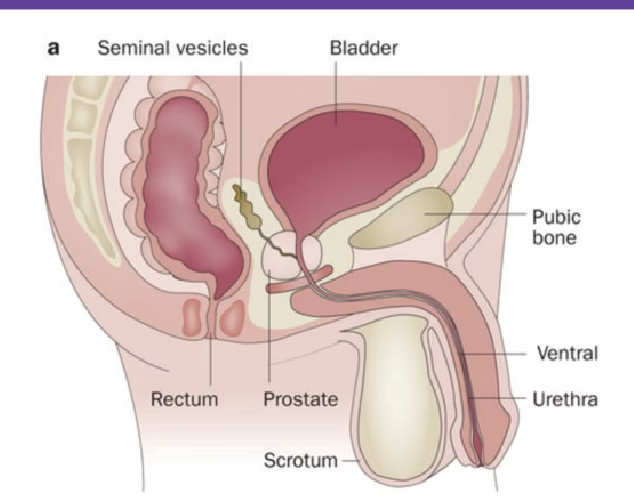
A urinary catheter is a medical device used to drain urine from the bladder when a person is unable to urinate normally. It is commonly used in hospitals, long-term care settings, and sometimes at home under medical supervision. While catheterization can be essential for managing certain medical conditions, it also requires careful handling and proper hygiene to prevent complications.
Many patients and caregivers feel anxious when they first hear about catheter use. Understanding how the device works, the different urinary catheter types and sizes, and the correct catheter care procedure can make the process safer and less stressful.
This guide explains the basics of bladder catheter use, including the urinary catheter procedure, common catheter types, safe handling practices, and important care tips for both patients and caregivers.
What Is a Urinary Catheter
A urinary catheter is a flexible tube inserted into the bladder to allow urine to drain out when natural urination is not possible or needs assistance.
The catheter may be placed temporarily during surgery, used for monitoring urine output in hospitals, or required for longer periods in individuals with certain medical conditions.
The device helps relieve bladder pressure and allows healthcare providers to monitor urinary function.
Catheterization may be recommended in situations such as:
- Urinary retention where the bladder cannot empty normally
• Surgical procedures requiring bladder drainage
• Severe mobility limitations
• Neurological conditions affecting bladder control
• Monitoring urine output in critical care settings
Although catheterization is a common medical practice, proper technique and hygiene are essential to reduce the risk of infection and other complications.
Urinary Catheter Parts
Understanding urinary catheter parts helps patients and caregivers recognize how the device functions and how to manage it safely.
Most catheters include the following components:
- Flexible tube inserted into the bladder
• Drainage eyelets or small openings near the tip that allow urine to flow into the tube
• Connector that attaches the catheter to the drainage bag
• Balloon near the catheter tip in certain catheter types that holds the catheter in place inside the bladder
These parts work together to create a closed drainage system that safely collects urine from the bladder.
Urinary Catheter Types and Sizes
There are several types of catheter and size variations designed for different medical needs. Healthcare providers select the appropriate catheter based on the patient’s condition, anatomy, and duration of use.
Intermittent Catheter
This catheter is inserted temporarily to drain the bladder and removed immediately after urine flow stops.
It is often used for individuals who need occasional bladder drainage.
Indwelling Catheter
An indwelling catheter, often known as a Foley catheter, remains in the bladder for a longer period.
A small balloon at the tip is inflated after insertion to keep the catheter securely in place.
This type is commonly used in hospitals and for patients who require continuous drainage.
External Catheter
External catheters are typically used for male patients and fit over the penis like a sheath. They collect urine without entering the bladder.
These are sometimes used for individuals with urinary incontinence.
Suprapubic Catheter
This catheter is inserted through a small surgical opening in the abdomen directly into the bladder.
It may be recommended for long-term catheter use when urethral catheterization is not suitable.
Catheter Sizes
Catheters come in different diameters and lengths. Healthcare professionals choose the smallest size that allows effective drainage.
Appropriate sizing reduces irritation and lowers the risk of injury to the urinary tract.
Urinary Catheter Procedure
The urinary catheter procedure is typically performed by trained healthcare professionals. In some cases, patients or caregivers may learn how to perform intermittent catheterization at home under medical guidance.
The general catheterization process includes:
- Cleaning the genital area with antiseptic solution
• Using sterile gloves and sterile equipment
• Applying lubricating gel to the catheter
• Gently inserting the catheter through the urethra into the bladder
• Allowing urine to drain through the tube into a collection container or bag
For indwelling catheters, a small balloon is inflated once the catheter reaches the bladder to keep it in place.
After placement, the catheter is connected to a drainage bag that collects urine.
Female Catheter Insertion
Female catheter insertion requires careful technique because the urethra is relatively short and located near sensitive tissues.
The urinary catheterization procedure female patients undergo generally involves the following steps:
- The patient lies comfortably with knees slightly bent
• The genital area is cleaned using sterile technique
• The healthcare provider identifies the urethral opening
• Lubricated catheter is gently inserted into the urethra
• Once urine begins to flow, the catheter is advanced slightly further into the bladder
• For an indwelling catheter, the balloon is inflated to secure the device
Proper hygiene and sterile technique are essential during female catheter insertion to prevent infection.
Catheter Procedure Male
The catheter procedure male patients undergo follows a similar process but includes anatomical considerations because the male urethra is longer.
The general steps include:
- Cleaning the genital area with antiseptic solution
• Holding the penis upright to straighten the urethra
• Applying lubricating gel to the catheter
• Slowly inserting the catheter through the urethra
• Advancing the catheter until urine begins to flow
• Inflating the balloon if an indwelling catheter is being used
The procedure must be performed gently to avoid discomfort or injury.
Indwelling Catheter Care
Patients who use an indwelling catheter need consistent care to maintain hygiene and prevent complications.
Daily care practices typically include:
- Washing the area around the catheter with mild soap and water
• Keeping the drainage bag below bladder level to prevent backflow
• Ensuring the catheter tube is not twisted or blocked
• Emptying the drainage bag regularly
• Maintaining proper hand hygiene before and after handling the catheter
These steps help reduce the risk of urinary tract infections and ensure the catheter functions properly.
Catheter Care Procedure at Home
When patients return home with a catheter, caregivers or the patients themselves must follow proper care procedures.
Important catheter care practices include:
- Cleaning the catheter entry area daily
• Washing hands thoroughly before touching the catheter
• Emptying the urine bag before it becomes too full
• Checking for signs of infection such as redness, swelling, or unusual odor
• Drinking adequate fluids if recommended by the healthcare provider
Maintaining a clean environment and following medical instructions are essential for safe catheter use at home.
Foley Catheter Removal
Foley catheter removal is typically performed by healthcare professionals, although some patients may be instructed on safe removal procedures.
The removal process involves:
- Deflating the balloon that holds the catheter in place
• Gently withdrawing the catheter from the bladder
• Monitoring for normal urination after removal
Patients may experience mild discomfort during removal, but the process is usually quick.
After removal, healthcare providers may observe urine output to ensure the bladder functions normally.
Possible Risks and Complications
Although catheterization is a common medical procedure, it carries some risks if not managed properly.
Possible complications may include:
- Urinary tract infections
• Bladder irritation
• Catheter blockage
• Leakage around the catheter
• Injury to the urethra
Following proper catheter care procedures and maintaining good hygiene significantly reduces these risks.
Patients should contact a healthcare provider if they notice unusual symptoms such as fever, severe pain, cloudy urine, or lack of urine drainage.
Tips for Using a Urinary Catheter Safely
Safe catheter use depends on careful handling and consistent hygiene practices.
Helpful safety tips include:
- Always wash hands before and after touching the catheter
• Keep the catheter and surrounding area clean
• Avoid pulling or twisting the catheter tubing
• Ensure the drainage bag remains below the bladder level
• Empty the urine bag regularly
Patients should also follow all instructions provided by their healthcare provider regarding catheter care and replacement schedules.
When to Seek Medical Help
Individuals using a bladder catheter should monitor their condition and seek medical advice if certain symptoms occur.
Warning signs may include:
- Fever or chills
• Pain in the lower abdomen or bladder area
• Strong odor or cloudy urine
• Blood in the urine
• No urine draining through the catheter
These symptoms may indicate infection or other complications that require medical evaluation.
Living With a Urinary Catheter
For some individuals, catheter use may be temporary, while others may require it for longer periods.
Adjusting to life with a catheter can take time, but many people continue their daily activities with proper care and precautions.
Patients can maintain comfort by:
- Wearing loose and comfortable clothing
• Ensuring the catheter tubing is properly secured
• Staying hydrated if recommended
• Following regular cleaning routines
Healthcare providers can also provide guidance on lifestyle adjustments and catheter management techniques.
Conclusion
A urinary catheter is an important medical device that helps manage bladder drainage when normal urination is not possible. Understanding how the device works, the different urinary catheter types and sizes, and the proper catheter care procedure can help patients and caregivers use it safely.
Whether used temporarily after surgery or for ongoing medical conditions, proper hygiene, careful handling, and regular monitoring are essential for preventing complications.
By following medical guidance and maintaining good catheter care practices, patients can reduce risks and ensure that the catheter functions effectively while supporting overall urinary health.