Hormones play a central role in how your body functions every day. From your menstrual cycle to your metabolism and mood, even small hormonal shifts can create noticeable changes. Polycystic Ovary Syndrome (PCOS) is one of the most common hormonal and metabolic conditions. It affects 1 in 10 women in the US and the UK. No matter how common it is, the journey to a diagnosis is challenging. Studies show it takes, on average, two years and multiple doctor visits to confirm the diagnosis of PCOS.
PCOS is characterized by the signs of hormonal imbalance, which can cause various symptoms like irregular cycles, dark patches on skin, difficulty managing weight and other long-term health risks. It is a systemic condition, but the personalized management plan and the right diagnosis method, create a strong impact on your health and wellbeing.
Hormonal Imbalance and PCOS
Hormonal imbalance in PCOS occurs when key hormones in the body are not in their normal range.
This often includes:
- Higher levels of androgens, often called male hormones
- Disrupted estrogen and progesterone balance
- Increased levels of insulin due to insulin resistance
The elevation in these hormone levels affects ovulation, metabolism and overall health in women.
Why Hormonal Imbalance Happens in PCOS
Several underlying factors contribute to hormonal imbalance in PCOS.
- Insulin resistance leads to excess insulin, which triggers androgen production
- Ovaries produce higher levels of androgens
- Chronic inflammation affects hormone regulation
- Genetics may increase susceptibility
These factors work together, making symptoms more persistent.
Common Signs of Hormonal Imbalance PCOS
Recognizing these symptoms early can make a significant difference. Understanding the symptoms clearly and visiting doctor for a proper diagnosis and treatment could help in maintaining the health and wellbeing of women and teenagers.
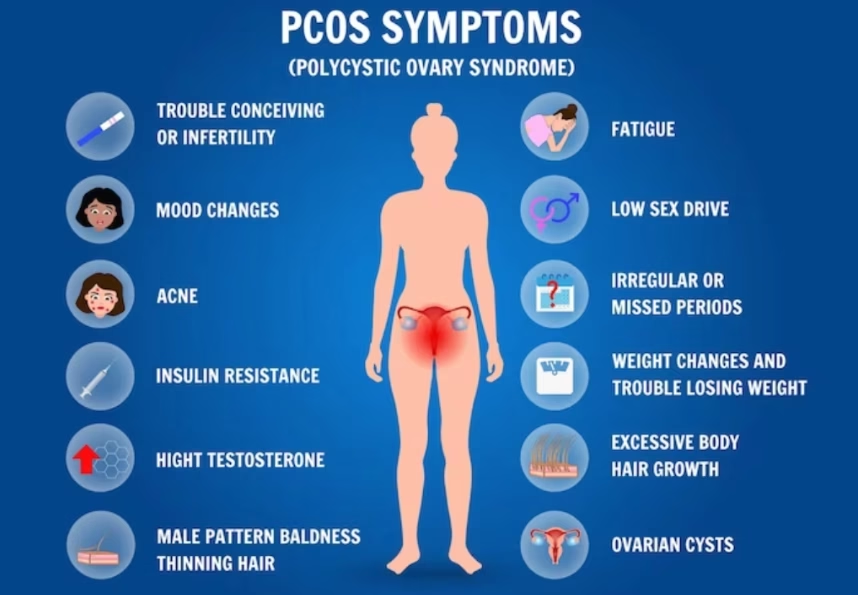
Irregular Periods
- Periods may be delayed, missed, or unpredictable
- Some women experience very light or heavy bleeding
- Ovulation may not occur regularly
Excess Hair Growth
- Hair may grow on the face, chest, or back
- This is due to increased androgen levels
- Often noticeable around the chin or upper lip
Persistent Acne
- Acne appears on the face, chest, or back
- Often resistant to regular treatments
- Linked to hormonal fluctuations
Weight Gain or Difficulty Losing Weight
- Weight gain usually occurs around the abdomen
- Even with diet and exercise, fat loss may be slow
- Metabolism may be affected
Thinning Hair or Hair Loss
- Hair thinning on the scalp is common
- May resemble male-pattern hair loss
- Often gradual but noticeable over time
Darkened Skin Patches
- Skin may appear darker in areas like the neck or underarms
- This is often linked to insulin resistance
- Texture may feel thicker or velvety
Fatigue and Low Energy
- Persistent tiredness even after rest
- Energy levels fluctuate throughout the day
- May be linked to insulin and blood sugar imbalance
Mood Changes
- Anxiety or irritability
- Mood swings without clear reason
- Increased stress sensitivity
Hidden Signs Many Women Overlook
Not all symptoms are obvious. Some subtle signs are often ignored. That includes:
- Frequent headaches or migraines
- Cravings for sugar or refined carbs
- Difficulty sleeping
- Bloating that doesn’t go away
- Reduced focus or mental clarity
These signs may seem unrelated but can be linked to hormonal imbalance.
Signs of Hormonal Imbalance PCOS in Lean Women
PCOS is often associated with weight gain, but it can also affect women with a normal body weight.
- Belly fat may still be present despite a slim body
- Period irregularities may occur
- Acne and hair changes are common
- Symptoms are often overlooked due to normal weight
This form is sometimes referred to as lean PCOS.
How Hormonal Imbalance Affects the Body
Hormonal imbalance in PCOS impacts multiple systems.
- Reproductive system leading to irregular ovulation
- Metabolic system affecting insulin and fat storage
- Skin and hair due to androgen levels
- Mental health through stress and mood changes
Understanding this connection helps explain why symptoms vary.
Long-Term Effects If Ignored
Ignoring the signs can lead to more serious health issues.
- Increased risk of type 2 diabetes
- Fertility challenges
- Cardiovascular concerns
- Metabolic complications
Early action helps reduce these risks.
When Should You Be Concerned
You should consider medical advice if you notice:
- Persistent irregular periods
- Excess hair growth or hair loss
- Unexplained weight gain
- Severe acne or skin changes
A proper diagnosis usually involves blood tests, medical history, and imaging if needed.
How to Manage Hormonal Imbalance in PCOS
While there is no instant fix, consistent lifestyle changes can help improve symptoms.
Diet Changes
- Focus on whole foods
- Reduce processed sugar and refined carbs
- Include protein and fiber in meals
- Add healthy fats like nuts and seeds
Physical Activity
- Regular exercise improves insulin sensitivity
- Strength training supports metabolism
- Walking and light cardio help maintain balance
Stress Management
- Practice relaxation techniques
- Maintain a consistent routine
- Prioritize sleep
Medical Support
- Doctors may recommend medications
- Hormonal treatments may be used in some cases
- Regular monitoring helps track progress
Can Hormonal Imbalance in PCOS Be Reversed
There is no permanent cure, but symptoms can be managed effectively.
- Hormone levels can improve with consistent effort
- Lifestyle changes play a key role
- Early intervention leads to better outcomes
Final Thoughts
Recognizing the signs of hormonal imbalance in PCOS is the first step toward better health.
Many symptoms may seem minor at first, but they often signal deeper changes in the body. Paying attention to these signs and taking action early can help you manage the condition more effectively.
With the right approach, it is possible to regain balance and improve overall well-being.
FAQs
What are the early signs of hormonal imbalance in PCOS?
Irregular periods acne excess hair growth and weight changes are common early signs.
Can hormonal imbalance cause weight gain in PCOS?
Yes, insulin resistance and hormonal changes can lead to weight gain especially around the abdomen.
Is acne a sign of hormonal imbalance in PCOS?
Yes, persistent acne is often linked to increased androgen levels.
Can hormonal imbalance in PCOS affect mood?
Yes, it can cause mood swings anxiety and irritability.
How can I balance hormones naturally with PCOS?
Healthy diet regular exercise stress management and proper sleep can help improve hormonal balance.