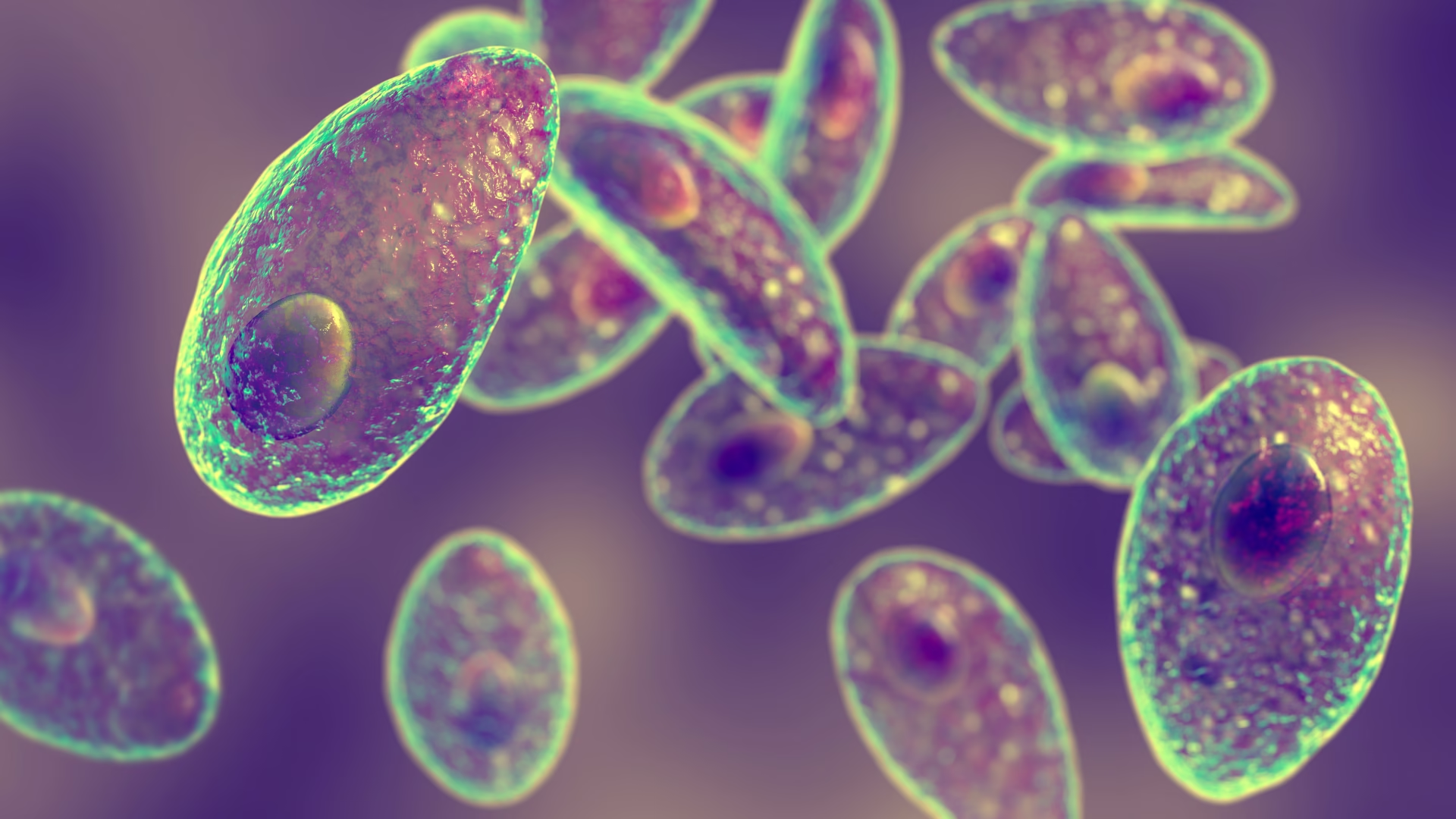
Toxoplasmosis is a common parasitic infection that often goes unnoticed but can have serious consequences in certain individuals. Caused by the microscopic parasite Toxoplasma gondii, this condition affects millions of people worldwide. While many individuals may never experience symptoms, understanding toxoplasmosis in humans is essential, especially for pregnant women and those with weakened immune systems.
Definition of toxoplasmosis
Toxoplasmosis is an infection caused by the parasite Toxoplasma gondii. This parasite is capable of infecting most warm-blooded animals, including humans. It typically spreads through contaminated food, water, soil, or exposure to infected animal feces, particularly from cats.
In healthy individuals, the immune system often keeps the infection under control. However, in vulnerable populations, it can lead to severe complications.
How toxoplasma gondii infects humans
The toxo parasite enters the human body through several common routes. Understanding these helps reduce the risk of infection.
Common transmission pathways
- Consuming undercooked or raw meat containing cysts
- Drinking contaminated water
- Handling soil or sand contaminated with infected cat feces
- Poor hygiene after cleaning a litter box
- Mother-to-child transmission during pregnancy
- Organ transplantation or blood transfusion in rare cases
The parasite can remain dormant in the body for years, forming cysts in tissues such as the brain and muscles.
Toxoplasmosis symptoms
Most healthy individuals infected with t gondii may not show any symptoms. When symptoms do appear, they are often mild and resemble flu-like illness.
Common toxoplasmosis symptoms
- Fever
- Fatigue
- Muscle aches
- Swollen lymph nodes
- Headache
- Sore throat
These symptoms usually resolve without treatment in individuals with strong immune systems.
Human symptoms of toxoplasmosis in high-risk groups
Certain groups are more likely to experience severe symptoms.
In people with weakened immunity
This includes individuals with conditions like HIV or those undergoing chemotherapy.
- Severe headaches
- Confusion
- Seizures
- Poor coordination
- Vision problems
AIDS with toxoplasmosis
In people with advanced HIV infection, toxoplasmosis can reactivate and affect the brain, leading to a serious condition known as toxoplasmosis encephalitis.
Toxoplasmosis of brain
Toxoplasmosis of the brain is one of the most severe forms of the disease. It occurs when dormant cysts reactivate and cause inflammation in brain tissue.
Symptoms of brain involvement
- Persistent headaches
- Seizures
- Altered mental status
- Weakness on one side of the body
- Difficulty speaking
This condition requires immediate medical attention and treatment.
Toxoplasmosis radiology
Radiological imaging plays a crucial role in diagnosing brain involvement.
Key findings in toxoplasmosis radiology
- Multiple ring-enhancing lesions in the brain
- Swelling or edema around lesions
- Commonly seen in MRI or CT scans
These findings help differentiate toxoplasmosis from other neurological conditions.
Toxoplasmosis in newborn
Congenital toxoplasmosis occurs when a pregnant woman becomes infected and passes the parasite to the fetus.
Risks during pregnancy
- Miscarriage
- Stillbirth
- Premature birth
Symptoms in newborns
- Enlarged liver or spleen
- Jaundice
- Seizures
- Vision problems
- Developmental delays
Some babies may not show symptoms at birth but develop complications later in life.
Litter box and pregnant women
Pregnant women are often advised to avoid handling cat litter due to the risk of infection.
Safety precautions
- Avoid cleaning litter boxes if possible
- Use gloves and wash hands thoroughly if unavoidable
- Change litter daily to reduce parasite survival
- Keep cats indoors to prevent infection
- Avoid feeding cats raw meat
These steps significantly reduce the risk of toxoplasmosis in humans during pregnancy.
Toxoplasmosis treatment
Treatment depends on the severity of the infection and the individual’s health condition.
When treatment is needed
- Severe symptoms
- Pregnancy
- Newborn infection
- Weakened immune system
Drugs for toxoplasmosis
- Pyrimethamine
- Sulfadiazine
- Folinic acid
These medications work together to eliminate the parasite and reduce complications.
Duration of treatment
- Mild cases may not require treatment
- Severe cases may need weeks or months of therapy
- Long-term maintenance therapy may be needed in immunocompromised individuals
Prevention of toxoplasmosis
Preventing exposure to toxoplasma gondii is the most effective way to avoid infection.
Food safety measures
- Cook meat thoroughly
- Wash fruits and vegetables properly
- Avoid unpasteurized dairy products
Hygiene practices
- Wash hands after handling raw meat
- Wear gloves while gardening
- Avoid touching face during food preparation
Pet-related precautions
- Keep cats indoors
- Avoid contact with stray cats
- Clean litter boxes safely
Diagnosis
Early diagnosis helps prevent complications.
Common diagnostic methods
- Blood tests to detect antibodies
- PCR testing for parasite DNA
- Imaging studies for brain involvement
- Amniocentesis in pregnancy cases
Doctors use a combination of these tests to confirm toxoplasmosis in humans.
Long-term effects of toxoplasmosis
While many people recover fully, some may experience lasting effects.
Possible complications
- Vision loss due to eye infection
- Neurological issues
- Chronic fatigue
- Recurring infections in immunocompromised individuals
Regular monitoring is essential for high-risk patients.
Toxoplasmosis and eye health
The parasite can infect the retina, leading to ocular toxoplasmosis.
Symptoms
- Blurred vision
- Eye pain
- Sensitivity to light
- Redness
If untreated, it can result in permanent vision damage.
Who is most at risk
Understanding risk factors can help with early prevention.
High-risk groups
- Pregnant women
- Newborns
- Individuals with HIV or AIDS
- Organ transplant recipients
- Cancer patients undergoing chemotherapy
These groups should take extra precautions to avoid exposure.
When to see a doctor
Seek medical attention if you experience:
- Persistent flu-like symptoms
- Neurological symptoms such as seizures or confusion
- Vision problems
- Symptoms during pregnancy
Early treatment can prevent serious complications.
Conclusion
Toxoplasmosis is a widespread but often overlooked infection. While many people may never experience symptoms, it can pose serious risks to vulnerable groups such as pregnant women, newborns, and those with weakened immune systems.
By understanding the transmission routes, recognizing toxoplasmosis symptoms, and following preventive measures, individuals can significantly reduce their risk. Awareness and timely medical care remain the key to managing this infection effectively.