Neural tube defects are among the most serious congenital conditions that can affect a developing baby. For many expecting parents, hearing about these conditions can be overwhelming. The good news is that in many cases, neural tube defects are preventable, and early intervention plays a crucial role in reducing risks.
This article explores what neural tube defects are, their causes, signs, and most importantly, whether and how they can be prevented.
What Are Neural Tube Defects?
Neural tube defects are birth defects of the brain, spine, or spinal cord that occur during early pregnancy. The neural tube is the structure in a developing embryo that eventually forms the brain and spinal cord.
- The neural tube forms and closes within the first 28 days after conception
- If this tube does not close properly, it results in neural tube defects
- These conditions can vary in severity, from mild to life-threatening
List of Neural Tube Defects
Some of the most common types include:
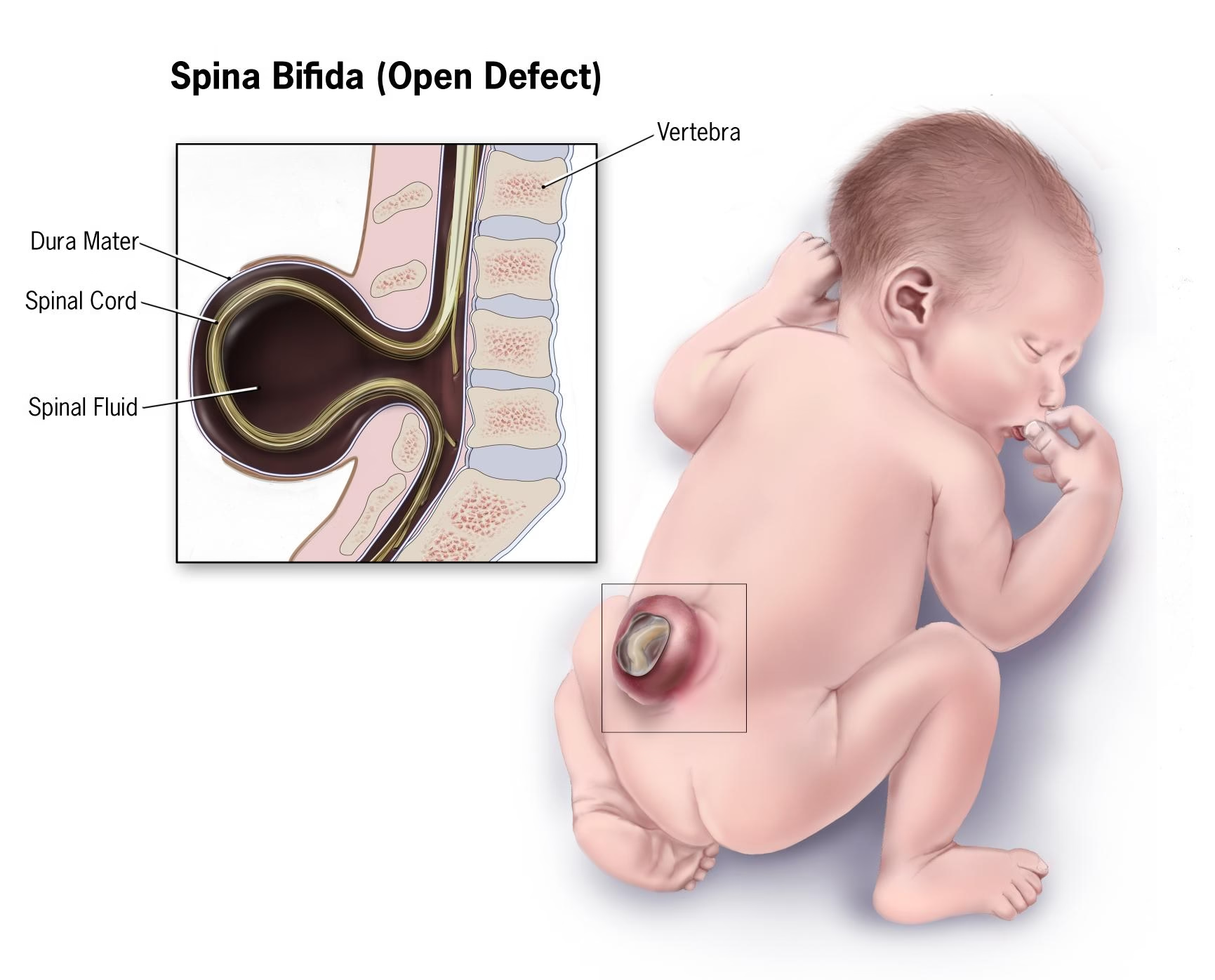
- Spina bifida
- Anencephaly
- Encephalocele
Each condition affects the baby differently, depending on the location and severity of the defect.
Neural Tube Defect in Pregnancy
Neural tube defects develop very early in pregnancy, often before a woman even realizes she is pregnant. This makes prevention strategies especially important.
- Most defects occur in the first month of pregnancy
- Proper nutrition before and during early pregnancy is critical
- Regular prenatal care helps in early detection
Anencephaly Cause and Understanding the Condition
It is one of the most severe neural tube defects.
- It occurs when the upper part of the neural tube fails to close
- This leads to incomplete development of the brain and skull
- Babies with anencephaly typically do not survive long after birth
Anencephaly Fetus
- The fetus lacks major portions of the brain
- Consciousness and survival are not possible
- It is usually detected during routine prenatal scans
Causes of Anencephaly
While the exact cause is not always known, several risk factors have been identified:
- Folic acid deficiency
- Genetic predisposition
- Poor maternal nutrition
- Uncontrolled diabetes
- Certain medications during pregnancy
- Obesity in the mother
Signs of Neural Tube Defects in Pregnancy
In many cases, neural tube defects do not show obvious symptoms during early pregnancy. However, medical screening can help identify them.
Common signs and detection methods:
- Elevated alpha-fetoprotein levels in maternal blood tests
- Abnormal ultrasound findings
- Presence of fluid-filled sacs in the spine or head region
- Missing skull structures in severe cases like anencephaly
Importance of Prenatal Screening
- Blood tests during the second trimester can indicate risk
- Ultrasound scans help confirm diagnosis
- Early detection allows better decision-making and care planning
Neural Tube Defects and Folic Acid
Folic acid plays a vital role in preventing neural tube defects. It is one of the most important nutrients for women of reproductive age.
Why Folic Acid Matters
- Helps in proper formation of the neural tube
- Reduces the risk of neural tube defects significantly
- Supports healthy fetal development
Recommended Intake
- Women planning pregnancy should take folic acid daily
- Supplementation should ideally begin before conception
- Continued intake during early pregnancy is essential
Natural Sources of Folic Acid
- Leafy green vegetables
- Citrus fruits
- Beans and legumes
- Fortified cereals
- Nuts and seeds
Is It Possible to Save Babies from Neural Tube Defects?
This is one of the most important questions for expecting parents.
Prevention is the Most Effective Strategy
- Many neural tube defects can be prevented with proper folic acid intake
- Lifestyle and dietary changes play a key role
- Early planning before pregnancy is crucial
Early Detection and Medical Intervention
- Some conditions like spina bifida may be treated with surgery
- In certain cases, fetal surgery during pregnancy may be an option
- Postnatal treatments can improve quality of life
Limitations
- Severe conditions like anencephaly cannot be treated or reversed
- In such cases, prevention remains the only effective approach
Risk Factors
Understanding risk factors helps in reducing the chances of occurrence.
Key risk factors include:
- Lack of folic acid
- Previous pregnancy with neural tube defect
- Diabetes in the mother
- Obesity
- Exposure to high temperatures in early pregnancy
- Use of certain anti-seizure medications
Steps to Reduce the Risk of NTD in Pregnancy
Taking proactive measures can significantly lower the risk.
Before Pregnancy
- Start folic acid supplements
- Maintain a healthy diet
- Manage chronic conditions like diabetes
- Consult a doctor if planning pregnancy
During Pregnancy
- Continue folic acid intake
- Attend regular prenatal check-ups
- Avoid harmful substances
- Follow medical advice strictly
Lifestyle Changes
- Eat balanced meals rich in nutrients
- Stay physically active
- Avoid alcohol and smoking
- Maintain a healthy weight
Diagnosis and Treatment Options
While prevention is key, early diagnosis allows better management.
Diagnostic Methods
- Maternal blood screening
- Ultrasound imaging
- Amniocentesis in some cases
Treatment Options
- Surgery after birth for conditions like spina bifida
- Physical therapy and long-term care
- Multidisciplinary medical support
Emotional and Psychological Support
A diagnosis of neural tube defects can be emotionally challenging.
Support Strategies
- Counseling for parents
- Support groups
- Guidance from healthcare providers
- Open communication within the family
Key Takeaways
- Neural tube defects occur early in pregnancy and can be serious
- Folic acid plays a critical role in prevention
- Early detection improves outcomes in some cases
- Severe conditions like anencephaly cannot be treated
Planning and proper care can significantly reduce risks