Categories
Health

How Long Does COVID Brain Fog Last? Recovery Timeline & Tips to Clear the Foggy Head

Introduction – Understanding COVID and Brain Fog

COVID‑19 continues to cast a shadow on cognitive health, with many recovering individuals experiencing residual brain fog—a feeling of mental cloudiness that includes slowed thinking, fuzzy head feeling, and memory loss. If you’re dealing with a foggy head, tiredness, or even brain fog depression, you’re not alone.

What Is COVID‑Related Brain Fog?

While not a formal medical diagnosis, COVID‑related brain fog refers to persistent mental symptoms such as confusion, poor concentration, slowness in thinking, and memory problems. These symptoms often appear several weeks to months following the initial infection—typically as part of long COVID Brown Health+3Ada+3GoodRx+3.

Long COVID can affect anyone, whether the initial COVID case was mild or severe. Neurological sequelae like brain fog are estimated to affect a significant subset of sufferers—approximately 10–30% of those not hospitalized, and up to 50–70% of those hospitalized Wikipedia+1.

How Long Does Brain Fog Last?

Estimates vary, but the typical duration is as follows:

  • For many, brain fog begins around 4 weeks post-infection, may peak around 3 months, and resolves gradually over the next several months Yale MedicineWikipedia.
  • Studies report most people improve between 6 and 9 months after onset ama-assn.org+7Brown Health+7Yale Medicine+7.
  • A few individuals report brain fog lasting over 1 year, and in rare cases as long as 18 months to 2 years or more, especially in older or hospitalized individuals Wikipedia+8Yale Medicine+8Brown Health+8.
  • Longitudinal data suggest cognitive symptoms can persist or even emerge 2–3 years post-infection, with measurable drops in IQ (~6‑10 points) in hospitalized cohorts nypost.comtheguardian.comft.com.
  • One large follow-up found brain fog lasting beyond 14 months with little objective change in reporting, although participants felt gradual improvement healthline.comnejm.org.

Why Do Symptoms Like Fuzzy Head and Tiredness Happen?

Inflammation, blood‑brain barrier disruption, and microclots are common theories explaining the symptom profile of COVID brain fog twin-cities.umn.eduAdaWikipedia. Neuroinflammation in older patients may contribute to persistent fatigue and memory dysfunction twin-cities.umn.edu. Additionally, depression and anxiety, common in long COVID, can worsen cognitive symptoms and braided “foggy head” feelings—sometimes called brain fog depression myjournalcourier.com+7verywellhealth.com+7GoodRx+7.

Link Between Brain Fog and Depression / Memory Loss

Mental health and cognition are deeply interconnected:

  • Depression and anxiety are often reported alongside brain fog, sometimes as co-occurring or even compounding factors Wikipediatheguardian.com.
  • Memory loss—especially impaired short‑term recall and difficulty forming new memories—is a hallmark of brain fog and is measurable in studies involving large cohorts nejm.orghealthline.comft.com.
  • Those experiencing a foggy head and tiredness may also report low mood, both resulting from—and contributing to—cognitive sluggishness.

What Can Help: Practical Tips to Clear the Fuzzy Head

Though no “quick fix” exists, evidence-backed strategies can improve mental clarity:

  • Pace yourself: Avoid overloading your brain. Take breaks and gradually build activity levels de.wikipedia.orgGoodRx.
  • Prioritize sleep: Consistent restorative sleep is vital for brain repair and reducing fog healthline.comGoodRx.
  • Exercise and stay active: Movement can boost mood, reduce inflammation, and support cognition healthline.com.
  • Nutrition matters: Anti‑inflammatory foods (e.g., fatty fish, veggies, antioxidants) may help. Stay hydrated and avoid alcohol and smoking healthline.comverywellhealth.com.
  • Cognitive strategies: Use planning tools, daily routines, and memory aids to ease mental load healthline.comGoodRx.
  • Mental health support: Speak to a professional if depressive or anxiety symptoms persist—they may be treatable and improve cognition Wikipediaverywellhealth.com.
  • Medical evaluation: In cases of severe or long-standing symptoms, cognitive rehabilitation, off‑label medications such as guanfacine or NAC (under medical supervision), or multidisciplinary long COVID clinics may provide benefit Ada.

Summary

Question Answer
How long can COVID brain fog last? From a few days to several months for most; commonly clears by 6–9 months; up to 2 years or more in rare cases
What types of symptoms? Foggy head, slowed thinking, memory loss, tiredness, possibly depression/anxiety
Who is at risk for long duration? Older age, severe infection, hospitalization, comorbidities, mental health symptoms
What helps recovery? Sleep, nutrition, pacing, exercise, mental health support, medical evaluation

Final Thoughts

Recovering your mental clarity after COVID can feel slow and frustrating—but improvements do come over time. If you’ve been experiencing a fuzzy head and tiredness, memory lapses, or mood shifts, know you’re part of a growing number of people whose brains are healing. By embracing supportive lifestyle habits and tapping into medical or mental health support when needed, you can gradually overcome brain fog and depression, sharpen memory, and reclaim your focus.

Categories
Health

Hepatitis A and Pregnancy: Risks, Symptoms, and What You Should Know

Pregnancy can make you more aware of every health decision you make, especially when it comes to infections like Hepatitis A. If you’re pregnant and worried about hep A, you’re not alone — and understanding this liver infection is the first step to protecting yourself and your baby.

In this post, we’ll walk you through the causes of hepatitis A, its symptoms, how it spreads, hepatitis A treatment, and how to stay safe during pregnancy.

What is Hepatitis A?

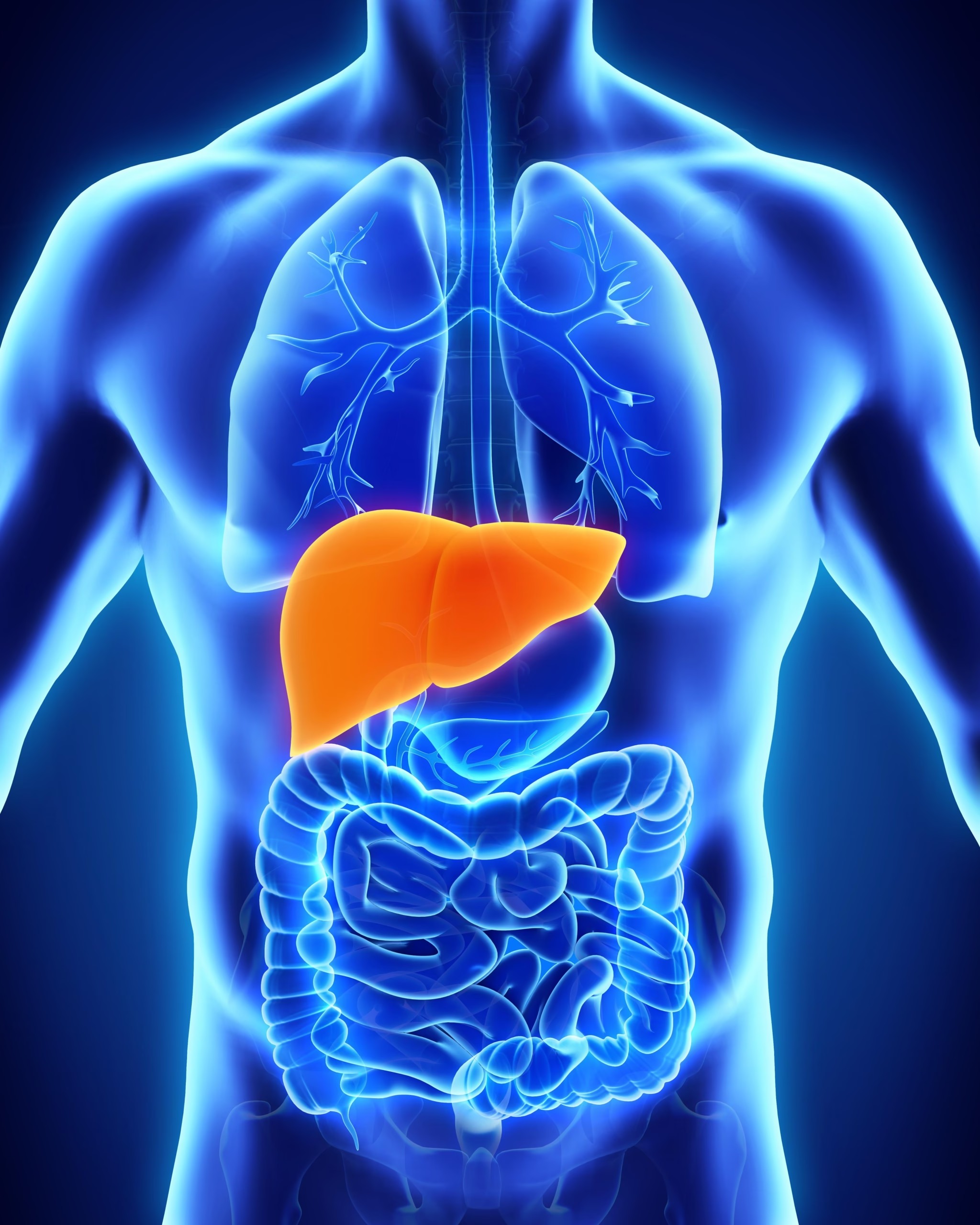
Hepatitis A is a highly contagious liver infection caused by the Hepatitis A virus (HAV). Unlike other forms of hepatitis, Hep A is usually acute, meaning it doesn’t lead to chronic liver disease. But during pregnancy, even temporary illnesses can have significant consequences.

Is Hepatitis A Contagious?

Yes. Hepatitis A spreads mainly through:

  • Contaminated food or water
  • Close contact with an infected person
  • Poor sanitation and hygiene practices

Pregnant women traveling to areas with poor sanitation are at higher risk. Hep A outbreaks also occur in areas with limited access to clean water or where food hygiene is compromised.

Causes of Hepatitis A in Pregnancy

Hep A in pregnancy is caused the same way it is in the general population — by ingesting the virus through contaminated sources. But pregnancy lowers your immunity, which might make the effects of the virus feel more intense or last longer.

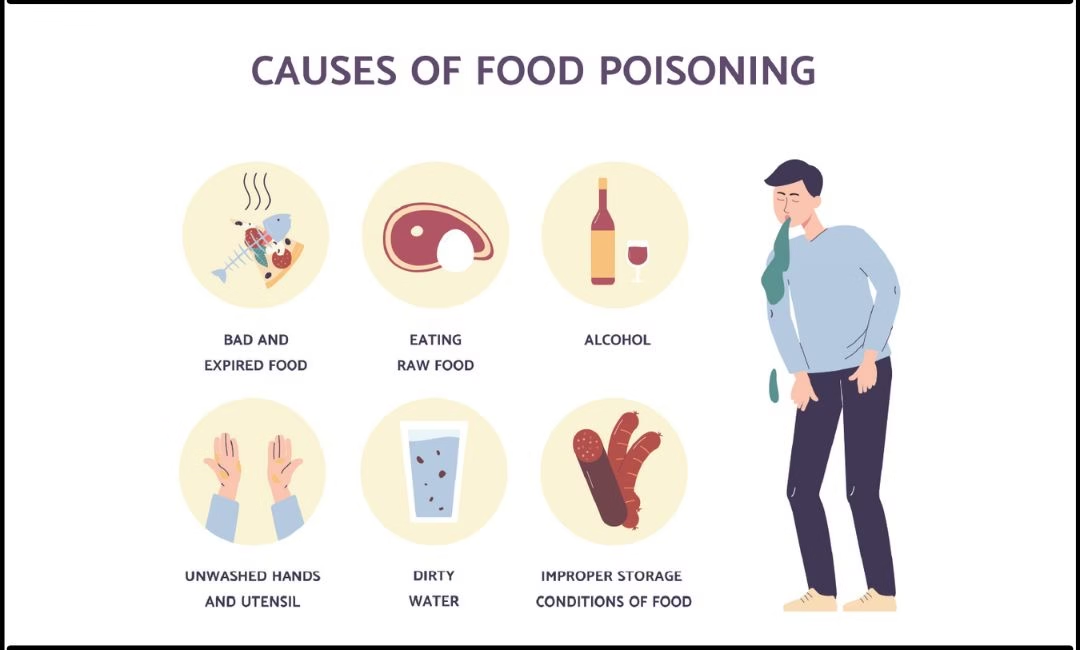
Common sources (etiology of hepatitis A):

Symptoms of Acute Hep A

The signs of acute Hep A may take 2–7 weeks to show after exposure. Symptoms can include:

  • Fatigue
  • Nausea and vomiting
  • Abdominal pain
  • Dark urine
  • Pale stool
  • Jaundice (yellowing of eyes and skin)

In some cases, especially in children and young adults, symptoms may be mild or even absent.

How Does Hepatitis A Affect Pregnancy?

In most cases, hepatitis A does not lead to birth defects or miscarriage. However, in rare situations, the infection can lead to complications such as:

  • Preterm labor
  • Acute liver failure (extremely rare)
  • Prolonged illness in the mother

The key is early diagnosis and proper management.

Hepatitis A Treatment During Pregnancy

There is no specific antiviral treatment for hepatitis A. Management is mostly supportive:

  • Plenty of fluids
  • Adequate nutrition
  • Rest

In some cases, pregnant women exposed to the virus may be given immune globulin (IG) to reduce the severity or prevent infection if administered within 2 weeks of exposure.

Good news: Most people recover fully from Hep A within a few weeks to a few months.

Is Hep A Curable?

Yes. Hep A is curable in the sense that the body usually clears the virus on its own without long-term damage. It does not become chronic.

After recovery, you develop immunity for life.

Can You Get the Hepatitis A Vaccine During Pregnancy?

Yes — if you’re at high risk (such as traveling to certain countries), your doctor may recommend the Hep A vaccine.

While there’s limited research on vaccination in pregnancy, available studies show no increased risk of harm. It’s a killed virus vaccine, which makes it safer than live vaccines during pregnancy.

Some individuals may experience a mild fever (hep A vaccine fever) after getting the shot — this is temporary and not harmful.

How to Prevent Hepatitis A

  • Wash hands with soap after using the bathroom and before meals
  • Drink clean, filtered water
  • Avoid raw or undercooked seafood
  • Get vaccinated if recommended by your OB-GYN
  • Avoid street food in high-risk countries

Final Thoughts

Hepatitis A and pregnancy can sound scary, but knowledge is power. With proper hygiene, safe eating habits, and vaccination when needed, the risk of serious complications is low.

If you’re pregnant and concerned about hep A, speak with your doctor about your exposure risk and whether immunization is right for you.

Protect yourself. Protect your baby. Stay informed.

Categories
Health

Always Hungry? Here’s What Your Body Might Be Trying to Tell You

Why am I always hungry?” If this question echoes in your mind more than once a day, you’re not alone.

Feeling hungry all the time — even after eating — might seem like just a quirk of your metabolism, but it’s often a clue to something deeper. Whether it’s nutritional, hormonal, psychological, or lifestyle-related, understanding the causes of excessive appetite is key to managing it effectively.

Here’s a research-backed guide to what may be going on and how you can regain control of your hunger.

  1. You’re Not Eating Enough Nutrients

If your meals are loaded with refined carbs (like white bread or sugary snacks) and lacking in protein, fiber, and healthy fats, your body quickly burns through them, leaving you hungry after eating.

Fix it:

  • Include lean protein (chicken, lentils, eggs) in every meal
  • Load up on high-fiber foods (vegetables, beans, oats)
  • Add healthy fats (nuts, olive oil, avocado) for satiety

These nutrients help slow digestion and signal fullness.

  1. Hormonal Imbalances (Ghrelin and Leptin)

Ghrelin is your “hunger hormone,” while leptin tells your brain when you’re full. If these hormones are out of balance — which can happen due to stress, lack of sleep, or obesity — you may feel always hungry, regardless of your actual needs.

Fix it:

  • Prioritize 7–9 hours of quality sleep
  • Reduce chronic stress with mindfulness or movement
  • Focus on whole, unprocessed foods
  1. You’re Dehydrated

Mild dehydration can mimic hunger signals. Your brain might misread thirst as hunger, leading you to eat unnecessarily.

Fix it:

  • Start your day with a big glass of water
  • Drink water before each meal
  • Add electrolytes (like lemon or a pinch of salt) if needed
  1. You’re Eating Too Fast

It takes about 20 minutes for your brain to register fullness. If you scarf down your meals, you may feel hungry all the time simply because you didn’t give your body a chance to process it.

Fix it:

  • Slow down and chew thoroughly
  • Put your fork down between bites
  • Eat without distractions
  1. You’re Under Emotional or Mental Stress

Emotional eating is real. Stress, anxiety, or boredom can all trigger cravings — usually for carbs or comfort food.

Fix it:

  • Keep a journal to track emotional vs physical hunger
  • Use non-food stress relievers: go for a walk, call a friend, meditate
  • Seek therapy or support if emotional eating is frequent
  1. You’re Exercising More Than You’re Fueling

If you’ve increased your workouts or activity level without adjusting your diet, your body may simply need more calories — especially from protein and complex carbs.

Fix it:

  • Add post-workout recovery meals
  • Don’t fear healthy carbs like brown rice, fruit, or sweet potatoes
  • Track your intake to make sure you’re fueling appropriately
  1. Medical Conditions That Trigger Hunger

Certain health conditions can increase hunger, such as:

  • Diabetes or insulin resistance
  • Hyperthyroidism
  • Polycystic Ovary Syndrome (PCOS)
  • Certain medications (like steroids or antidepressants)

If none of the lifestyle tweaks help, it’s worth checking in with a healthcare provider.

Always Hungry? What to Eat Instead

When cravings hit, choose filling and nourishing options:

  • Snack ideas:
    • Greek yogurt with chia seeds
    • Apple slices with almond butter
    • Boiled eggs and hummus

These choices help curb hunger and support blood sugar balance.

Final Thoughts

If you constantly think, “I am always hungry,” your body is likely trying to communicate something important.

Whether it’s a nutrient deficiency, hormonal imbalance, or emotional stress, understanding the causes of excessive appetite empowers you to fix it.

With smart food choices, hydration, better sleep, and a bit of mindfulness, you can finally silence that growling stomach — for good.

Categories
Health

Nephrolithiasis Explained: Causes, Types, and How to Prevent Recurring Kidney Stones

Kidney stones — medically known as nephrolithiasis or urolithiasis — are more than just painful. They’re a sign that something in your body’s filtration system isn’t working as it should. And if you’ve had them once, you’re at a high risk of getting them again.

In this post, we’ll break down the etiology of kidney stones, their types, symptoms, and what you can do to treat and prevent them from recurring.

What Are Kidney Stones?

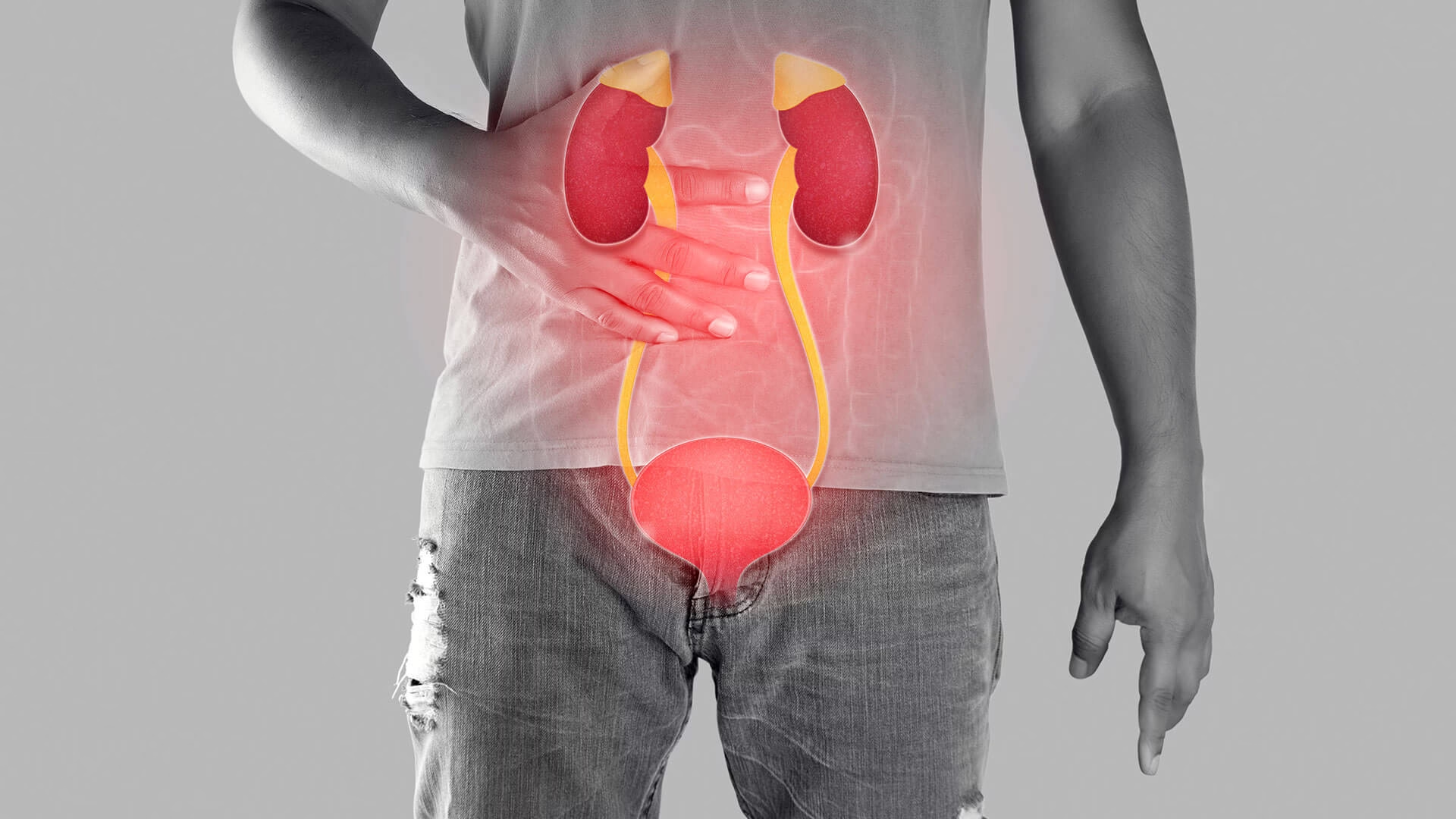
Kidney stones are hard, crystalline mineral deposits that form in the kidneys when urine becomes too concentrated. This allows minerals and salts to stick together and solidify.

Depending on the kinds of kidney stones, they may pass on their own or require medical intervention.

Symptoms of Nephrolithiasis

  • Sharp, stabbing pain in the side or back (often radiating to the lower abdomen)
  • Pain during urination
  • Pink, red, or brown urine
  • Frequent urination
  • Nausea or vomiting
  • Cloudy or foul-smelling urine

Men are more likely to experience kidney stones in men due to certain anatomical and dietary differences.

Etiology of Kidney Stones: Why Do They Form?

Several factors contribute to nephrolithiasis, including:

  • Dehydration (not drinking enough water)
  • High intake of sodium, oxalates, or protein
  • Certain medications or supplements
  • Genetics and family history
  • Medical conditions like obesity, gout, or inflammatory bowel disease

Chronic kidney stone sufferers often have underlying metabolic disorders.

Types of Kidney Stones

There are four main kinds of kidney stones:

  1. Calcium Stones

The most common type. Usually formed from calcium oxalate or calcium phosphate.

Tip: Eat calcium-rich foods but avoid high-oxalate foods like spinach and nuts.

  1. Uric Acid Stones

Formed when urine is too acidic. Common in people with high-protein diets.

  1. Struvite Stones

Linked to urinary tract infections (UTIs) and grow rapidly.

  1. Cystine Stones

Rare and hereditary. Caused by a genetic disorder that leads to excessive cystine in urine.

Identifying the type helps tailor your urolithiasis treatment and prevention strategy.

Diagnosis and Treatment

To confirm nephrolithiasis, doctors may recommend:

  • Urinalysis
  • Blood tests
  • CT scan or X-ray
  • Stone analysis (if passed)

Treatment Options:

For Small Stones:

  • Increase fluid intake
  • Pain relievers (NSAIDs)
  • Alpha blockers to relax the ureter and aid passage

For Large or Multiple Kidney Stones:

  • Shock Wave Lithotripsy (SWL)
  • Ureteroscopy
  • Percutaneous Nephrolithotomy
  • Surgery (rare cases)

If you’re dealing with chronic or recurring kidney stones, consistent monitoring is key.

Natural Prevention: How to Avoid Chronic Kidney Stones

Here are some practical tips to lower your risk:

  1. Hydrate Regularly

Drink at least 2-3 liters of water daily. Add lemon or citrus fruits for natural citrate.

  1. Eat Smart

  • Limit oxalate-rich foods (spinach, beets, chocolate)
  • Reduce sodium
  • Moderate protein intake
  • Don’t over-supplement calcium
  1. Monitor Your Health

Keep track of your urinary pH, especially if you’ve had calcium kidney stones or uric acid stones.

  1. Follow-Up

Frequent episodes of multiple kidney stones require regular follow-ups with a urologist or nephrologist.

Final Thoughts

Nephrolithiasis may be common, but it doesn’t have to be a recurring nightmare. With early diagnosis, proper urolithiasis treatment, and lifestyle adjustments, you can significantly lower your risk.

Whether it’s a cure for kidney stones you’re after or a way to avoid the next painful episode, knowledge is your best defense. Stay hydrated, eat mindfully, and listen to your body.

Categories
Health

7 Foods That Naturally Strengthen Gums and Support Healthy Teeth

You brush and floss daily. You visit the dentist regularly. But what you eat plays a huge role in your oral health too. The right foods can do more than nourish your body — they can strengthen gums, reduce inflammation, and even help heal teeth and gums naturally.

If you’re dealing with teeth swelling, gum sensitivity, or want to enhance your dental care routine naturally, these 7 powerhouse foods should be on your plate.

Strengthen Gums with these Foods

  1. Leafy Greens (Spinach, Kale, Swiss Chard)

Loaded with vitamins and minerals like calcium and folic acid, leafy greens support gum tissue and reduce inflammation.

Why it works:

  • High in antioxidants and fiber
  • Promotes saliva production
  • Folic acid helps combat gum disease

How to enjoy: Toss into salads, smoothies, or sauté with garlic for a quick side dish.

  1. Crunchy Fruits and Veggies (Apples, Carrots, Celery)

These fibrous foods act like natural toothbrushes, scrubbing away plaque and food particles.

Why it works:

  • Boosts saliva
  • Massages gums while chewing
  • Helps reduce bacteria

Tip: Keep a sliced apple or carrot handy for a post-meal mouth cleanser.

  1. Dairy Products (Cheese, Yogurt, Milk)

Calcium and phosphates in dairy help rebuild enamel and heal teeth and gums naturally.

Why it works:

Best choice: Choose low-sugar, plain dairy options for best results.

  1. Nuts and Seeds (Almonds, Walnuts, Chia Seeds)

These nutrient-dense snacks are rich in omega-3s, zinc, and vitamin E — all great for strengthening gums.

Why it works:

  • Anti-inflammatory benefits
  • Encourages tissue repair
  • Full of essential minerals

Snack idea: A small handful daily provides a steady supply of tooth-friendly nutrients.

  1. Green Tea

This antioxidant-rich drink contains catechins that reduce inflammation and kill harmful bacteria in the mouth.

Why it works:

  • Reduces plaque and bleeding gums
  • Fights oral bacteria
  • Calms inflamed tissue

Drink it: Unsweetened green tea once or twice daily.

  1. Vitamin C Fruits (Strawberries, Kiwi, Oranges)

Vitamin C is crucial for collagen production, which keeps gum tissue firm and healthy.

Why it works:

  • Repairs connective tissue
  • Strengthens blood vessels in gums
  • Prevents gum bleeding and swelling

Best fruits for teeth and gums: Strawberries and kiwi are gentler on enamel than citrus.

  1. Fatty Fish (Salmon, Mackerel, Sardines)

These are packed with omega-3 fatty acids that lower inflammation and improve gum health.

Why it works:

  • Combats gum disease
  • Supports healthy blood flow
  • Rich in vitamin D for calcium absorption

Meal idea: Grill salmon and pair with leafy greens for a dental supermeal.

Final Thoughts

If you’re searching for teeth swelling home remedies, start in your kitchen. A balanced diet rich in these 7 foods can strengthen your gums, prevent decay, and support natural healing.

Of course, food alone isn’t a substitute for dental hygiene — but it’s a powerful ally. Combine these foods with daily brushing, flossing, and regular checkups to enjoy healthier, stronger teeth and gums for life.

Categories
Health

Why Getting a Vaccine Shot Matters: From COVID-19 to Back-to-School Immunizations

As summer fades and school bells begin to ring, parents everywhere are double-checking school supplies, uniforms — and immunization records. But it’s not just children who benefit from vaccine shot. From COVID-19 protection to seasonal flu defense, immunization remains one of the most powerful tools in modern medicine.

In this blog post, we explore why immunization shots are critical, which ones matter most in 2025, and how to easily find a nearby vaccination site.

What Is Immunization or Vaccine shot?

Immunization is the process where you become protected against a disease, usually through vaccination. A vaccine shot introduces a weakened or inactive form of a disease-causing microorganism, triggering your immune system to fight it off — without you getting seriously ill.

Think of it as giving your immune system a sneak peek of the enemy so it can prepare in advance.

Why Immunization Still Matters in 2025

In recent years, global health crises like COVID-19 reminded us just how vulnerable we are without vaccination.

Even though pandemic-level fear has subsided, getting vaccinated continues to:

  • Prevent severe illness
  • Reduce hospitalizations
  • Protect the most vulnerable (elderly, babies, and immunocompromised)
  • Avoid resurgence of previously controlled diseases like measles and polio

In short, vaccines protect you, your family, and your community.

Immunization Shots for Children: Back-to-School Checklist

Most schools require proof of vaccination before children can attend. These school-entry vaccines help prevent outbreaks in high-contact environments.

Common Child Vaccines:

  • DTP (Diphtheria, Tetanus, Pertussis)
  • MMR (Measles, Mumps, Rubella)
  • Polio
  • Varicella (Chickenpox)
  • Hepatitis A and B
  • COVID-19 (if eligible)

Some vaccines require multiple doses or booster shots, so keeping an up-to-date vaccination record is key.

Pro Tip: Ask your school nurse or pediatrician for a current immunization schedule.

COVID-19 & Updated Boosters in 2025

Even as the world recovers, COVID-19 isn’t gone. New strains continue to emerge, and staying protected is critical, especially for those:

  • With underlying health conditions
  • Working in crowded or high-exposure environments
  • Living with elderly or vulnerable family members

Current COVID Vaccine Advice:

  • Updated mRNA boosters available for 2025 variants
  • Free at most vaccination sites and pharmacies
  • Combine with your annual flu shot for convenience

Where to Get Vaccinated

Whether it’s a child’s school shots or a booster for adults, you have plenty of easy options:

Find a Vaccination Site Near You:

  • Local hospitals and clinics
  • Government-run health centers
  • School-based immunization programs
  • Major pharmacy chains (e.g., CVS, Walgreens)
  • Online booking portals (check your local health department site)

Bring your vaccination record, ID, and insurance card (if required — many shots are free regardless).

Worried About Side Effects?

It’s normal to feel anxious about vaccines. Most side effects are minor and temporary, such as:

  • Sore arm
  • Mild fever
  • Fatigue

These are actually signs your immune system is doing its job.

Tip: Ask your healthcare provider about expected side effects, especially if you have allergies or underlying conditions.

Staying on Schedule: A Lifetime of Protection

Immunization isn’t just for kids. Adults need protection too.

Adult Vaccine Checklist:

  • Flu shot (every year)
  • COVID-19 booster (updated annually)
  • Tdap booster (every 10 years)
  • HPV vaccine (recommended until age 26 or beyond if unvaccinated)
  • Shingles vaccine (50+)
  • Pneumococcal vaccine (65+ or with chronic conditions)

Bookmark a digital calendar or app to remind you when it’s time to get vaccinated again.

Final Thoughts: Vaccines Are a Public Service

Getting a vaccine shot protects you — but also those who can’t be vaccinated due to health issues. It builds what’s called herd immunity, reducing outbreaks and saving lives.

Immunization is more than a personal choice — it’s a community responsibility.

So whether your child is preparing for their first school year or you’re due for an annual booster, don’t wait. Check your records, visit a vaccination site, and roll up your sleeve.

Because prevention is always better than cure.

Categories
Health

10 Effective Home Remedies for Clogged Ears: How to Get Relief Naturally

Ever said, “My ears feel clogged and I can’t hear properly”? You’re not alone. Whether it’s caused by earwax, fluid, allergies, or even altitude changes, that blocked sensation can be frustrating and uncomfortable.

If your ear feels stuffed up or you’ve had your ear clogged for days, don’t panic. Many cases can be treated at home using safe and natural methods — no doctor visit required.

Let’s explore the best home remedies for clogged ears and how to use them effectively.

  1. Warm Compress

A simple warm towel or compress can help relieve pressure and soften any hardened wax.
How to Use:
Soak a clean cloth in warm water, wring it out, and place it over the affected ear for 5–10 minutes. Repeat 2–3 times a day.

  1. Steam Inhalation

If the clog is due to sinus congestion, steam is your best friend.
How to Use:
Boil water, pour it into a bowl, and inhale the steam with a towel over your head. Breathe deeply for 10 minutes. Add eucalyptus oil for an extra soothing effect.

  1. Valsalva Maneuver (Pop Your Ears)

This technique helps equalize pressure inside the ear.
How to Do It:
Close your mouth, pinch your nose, and gently blow out. This may produce a “pop” sensation and relieve pressure. Do not blow too forcefully!

  1. Olive Oil Drops

If your ear is clogged due to wax buildup, warm olive oil can soften it.
How to Use:
Warm a few drops of olive oil (not hot!) and drop them into your ear with your head tilted. Stay still for a few minutes, then drain.

  1. Gravity Drainage

A classic trick if you have a water clogged ear after swimming or showering.
How to Do It:
Lie on your side with the clogged ear facing down. Gentle gravity may help the fluid drain out naturally.

  1. Hydrogen Peroxide (3%)

Used cautiously, hydrogen peroxide can break down excess earwax.
How to Use:
Mix equal parts of hydrogen peroxide and warm water. Tilt your head and drop in 2–3 drops. Let it bubble for a few minutes, then drain.

Note: Avoid this method if you have a perforated eardrum or ear infections.

  1. Stay Hydrated

Dehydration can worsen sinus pressure and congestion. Drinking enough water helps thin mucus and may indirectly relieve ear blockage.

  1. Chewing or Yawning

This works especially well for airplane ear or altitude changes.
How It Works:
Chewing gum or yawning helps open the Eustachian tube, equalizing the pressure in your ears.

  1. Nasal Decongestants

Sometimes, the issue isn’t in your ears but your sinuses.
Try This:
Use a saline spray or gentle over-the-counter nasal decongestant (briefly) to relieve sinus pressure that may be backing up into your ears.

  1. Avoid Cotton Swabs

It might be tempting to use a cotton swab when your ear feels clogged, but this often pushes wax deeper and makes things worse. Stick to safe, natural remedies instead.

When to See a Doctor

While most ear congestion clears on its own, seek medical attention if:

  • Your ear remains clogged for more than a week
  • You experience pain, discharge, or hearing loss
  • You feel dizzy or unbalanced

Persistent symptoms could signal infection or something more serious.

Final Thoughts

Clogged ears are annoying — but often fixable. Whether it’s wax, fluid, pressure, or allergies, these home remedies for clogged ears can help restore comfort and clarity. So next time you think “my ear is clogged”, reach for a warm towel, steam, or olive oil — and skip the risky ear swabs!

Your ears will thank you.

Categories
Health

Oral Hygiene Matters: The Simple Habits That Protect Your Smile and Health

When we talk about health, we often think of the heart, the gut, or even the skin — but oral hygiene plays just as vital a role in your overall wellbeing.

Your mouth is a gateway to the rest of your body. Poor oral health and hygiene can lead to more than cavities and bad breath — it can contribute to serious conditions like heart disease, diabetes, and respiratory infections.

The good news? With simple, daily habits and the right dental care, you can keep your smile bright and your body protected.

Why Oral Hygiene Matters

Your mouth hosts billions of bacteria. Most are harmless, but when oral hygiene is neglected, harmful bacteria can thrive, leading to:

But it doesn’t stop there. Research shows that oral disease is connected to systemic health problems, including:

  • Heart disease
  • Stroke
  • Diabetes
  • Premature birth (in pregnant individuals)

Taking care of your teeth and gums isn’t just about aesthetics — it’s about overall health.

Signs of Poor Oral Health

Be on the lookout for these common symptoms:

  • Bleeding gums when brushing or flossing
  • Chronic bad breath
  • Loose or sensitive teeth
  • Red, swollen, or receding gums
  • Frequent cavities or dental infections

These are not just inconveniences — they could be early signs of oral disease that needs attention.

Building a Healthy Dental Routine

Here are some practical steps to support your oral health and hygiene every day:

  1. Brush Twice Daily (The Right Way)
  • Use fluoride toothpaste
  • Brush for at least 2 minutes each time
  • Hold your brush at a 45-degree angle to your gums
  1. Floss Daily

Brushing alone doesn’t clean between your teeth. Flossing removes plaque and food particles your brush can’t reach.

  1. Use Mouthwash Wisely

Antibacterial mouthwashes can help reduce bacteria and freshen breath — but don’t rely on them to replace brushing and flossing.

  1. Replace Your Toothbrush Regularly

Swap out your toothbrush or brush head every 3 months, or sooner if the bristles are frayed.

  1. Stay Hydrated

Water helps rinse away food particles and supports saliva production, which is your mouth’s natural defense system.

  1. Eat a Tooth-Friendly Diet

Choose:

  • Crunchy fruits and veggies (like apples and carrots)
  • Dairy for calcium
  • Nuts and leafy greens

Avoid:

  • Sugary snacks and drinks
  • Sticky candies
  • Frequent snacking

Don’t Skip Dental Checkups

Regular visits to your dentist — ideally every 6 months — can catch early signs of problems and help prevent future issues.

Your dentist can:

  • Check for cavities and gum disease
  • Perform professional cleanings
  • Provide fluoride treatments
  • Offer advice specific to your needs

Preventive care saves time, money, and discomfort down the road.

Oral Hygiene Isn’t Just for Adults

Kids and teens need proper dental education and care too. Start healthy habits early:

  • Teach kids to brush and floss properly
  • Use fluoride toothpaste from age 3+
  • Limit sugary snacks
  • Schedule pediatric dental visits

Final Thoughts

Oral hygiene is more than just keeping your teeth clean — it’s a foundation of total body health.

With a consistent routine, regular dental visits, and a few lifestyle changes, you can prevent oral disease, preserve a healthy dental environment, and boost your confidence along the way.

So next time you brush, remember: you’re not just cleaning your teeth — you’re caring for your whole body.

Categories
Health

Why Your Gut Health Could Be the Key to Everything: Digestion, Immunity & More

You’ve probably heard the phrase “trust your gut” — but what if that advice went beyond instinct and straight into your health?

Recent research shows that your gut health is connected to nearly every major function in your body. From digestion to immunity, skin health to mental clarity, gut health could truly be the key to everything.

Let’s explore why your gut deserves the spotlight and how you can take better care of it.

What Is Gut Health?

When we talk about gut health, we’re referring to the balance and function of the gut microbiome — the trillions of bacteria, viruses, and fungi living in your digestive tract.

A healthy gut has:

  • A diverse mix of beneficial microbes
  • Strong intestinal walls to prevent “leaky gut”
  • Good digestion and nutrient absorption
  • Minimal inflammation

When the gut microbiome is out of balance (a condition called dysbiosis), it can affect your entire body.

  1. Gut Health and Digestion

This is the most obvious link. If your gut isn’t functioning well, you might experience:

  • Bloating
  • Constipation or diarrhea
  • Gas
  • Heartburn

A thriving gut microbiome helps break down food, extract nutrients, and eliminate waste effectively. Many digestive issues are rooted in poor gut health — not just what you eat, but how your body processes it.

  1. Gut Health and Immunity

Did you know that 70% of your immune system lives in your gut?

Your gut acts as a first line of defense. A healthy gut flora supports immune responses, protects against pathogens, and reduces inflammation.

When your gut is imbalanced, your immune system may:

  • Overreact (autoimmune issues)
  • Underreact (frequent infections)

Keeping your gut healthy = keeping your immune system strong.

  1. Gut Health and Mood

This is where the gut-brain connection comes into play.

Your gut produces over 90% of serotonin, the feel-good hormone. When your gut is out of balance, your mood and mental clarity can suffer. This is why many people with anxiety or depression also experience digestive issues.

A balanced gut can:

  • Improve focus
  • Stabilize mood
  • Reduce anxiety symptoms

Think of it this way: a happy gut leads to a happier mind.

  1. Gut Health and Skin

If you’re struggling with acne, eczema, or dull skin, your gut could be the culprit.

An unhealthy gut can lead to inflammation and poor detoxification — both of which show up on your skin.

Clearing your skin often starts from within. A healthy gut reflects outward through glowing, balanced skin.

How to Improve Gut Health

The good news? You can start supporting your gut health today with a few simple changes:

Eat more fiber-rich foods

  • Whole grains, lentils, fruits, and vegetables feed your good bacteria

Add prebiotics and probiotics

  • Prebiotics = food for good bacteria (e.g. garlic, bananas)
  • Probiotics = live bacteria (e.g. yogurt, kimchi, kefir)

Stay hydrated

  • Water helps with digestion and toxin elimination

Limit processed foods and sugars

  • These feed harmful bacteria and encourage inflammation

Manage stress

  • Chronic stress impacts gut lining and gut-brain communication

Get enough sleep

  • Your gut repairs and resets overnight

Final Thoughts

Your gut isn’t just about digestion. It plays a role in your immune strength, your mental health, and even the way your skin looks.

By improving your gut health, you’re building the foundation for better energy, clarity, and overall wellbeing. So the next time your body’s trying to tell you something — maybe you really should trust your gut.

Categories
Health

Sunscreen vs Sunblock: What’s the Difference and Which One Should You Use?

Whether you’re heading to the beach or just running errands, protecting your skin from the sun is essential. But with so many products on the market, it’s easy to wonder: Sunscreen vs sunblock — what’s the difference? And more importantly, which one should you be using?

Let’s break down the science, the labels, and the skin benefits so you can make the best choice for your skincare routine.

Are Sunscreen and Sunblock the Same?

Short answer: No, they are not the same — although they’re often used interchangeably.

Feature Sunscreen Sunblock
Type of Protection Chemical (absorbs UV rays) Physical (blocks UV rays)
Texture Lightweight, absorbs into skin Thicker, sits on top of skin
Common Ingredients Avobenzone, oxybenzone, octinoxate Zinc oxide, titanium dioxide
Ideal For Daily use, normal/oily skin Sensitive skin, outdoor sports

How They Work

  • Sunscreen absorbs the sun’s harmful rays (UVA and UVB) before they can damage your skin. It’s a chemical defense that usually feels lighter and blends in more easily.
  • Sunblock acts like a physical shield, literally blocking the rays by sitting on the surface of your skin. It’s often more visible (think white cast) but great for sensitive skin and children.

The Real Difference Between Sunscreen and Sunblock

  1. How they protect: Sunscreen filters UV rays; sunblock reflects them.
  2. Skin compatibility: Sunblock is gentler and better for people with eczema or acne-prone skin.
  3. Cosmetic feel: Sunscreens tend to be more wearable under makeup; sunblocks are thicker.
  4. Duration: Both need reapplication every 2 hours, especially after swimming or sweating.

Sunscreen vs No Sunscreen

Skipping sunscreen altogether? Here’s what happens:

  • UV exposure can lead to sunburn, premature aging, hyperpigmentation, and even skin cancer.
  • Even on cloudy days, up to 80% of UV rays can reach your skin.
  • Using any form of sun protection is better than none — but understanding the difference between sunscreen and sunblock helps you choose smarter.

Difference Between UV and SPF

  • UV stands for ultraviolet rays — UVA (aging rays) and UVB (burning rays).
  • SPF stands for Sun Protection Factor — it measures how long the product protects you from UVB.

For example, SPF 30 means you can stay in the sun 30 times longer than without protection. But SPF doesn’t measure UVA protection — for that, look for broad-spectrum on the label.

Should I Use Sunblock or Sunscreen?

It depends on:

  • Skin type – Sunblock is better for sensitive skin
  • Daily use vs outdoor activity – Sunscreen is great for daily wear; sunblock is ideal for long sun exposure
  • Makeup routine – Sunscreen blends better under foundation

Dermatologist tip: You can even layer them — use a lightweight sunscreen with a dab of sunblock on high-exposure areas like your nose or cheeks.

Final Thoughts

Choosing between sunscreen vs sunblock doesn’t have to be confusing. Both serve the same purpose — protecting your skin from harmful UV rays — but they go about it differently.

Think of sunscreen as your daily lightweight defender and sunblock as your weekend warrior.

Either way, your skin will thank you for showing up with the right shield.

Exit mobile version