Categories
Health

10 Effective Home Remedies for Clogged Ears: How to Get Relief Naturally

Ever said, “My ears feel clogged and I can’t hear properly”? You’re not alone. Whether it’s caused by earwax, fluid, allergies, or even altitude changes, that blocked sensation can be frustrating and uncomfortable.

If your ear feels stuffed up or you’ve had your ear clogged for days, don’t panic. Many cases can be treated at home using safe and natural methods — no doctor visit required.

Let’s explore the best home remedies for clogged ears and how to use them effectively.

  1. Warm Compress

A simple warm towel or compress can help relieve pressure and soften any hardened wax.
How to Use:
Soak a clean cloth in warm water, wring it out, and place it over the affected ear for 5–10 minutes. Repeat 2–3 times a day.

  1. Steam Inhalation

If the clog is due to sinus congestion, steam is your best friend.
How to Use:
Boil water, pour it into a bowl, and inhale the steam with a towel over your head. Breathe deeply for 10 minutes. Add eucalyptus oil for an extra soothing effect.

  1. Valsalva Maneuver (Pop Your Ears)

This technique helps equalize pressure inside the ear.
How to Do It:
Close your mouth, pinch your nose, and gently blow out. This may produce a “pop” sensation and relieve pressure. Do not blow too forcefully!

  1. Olive Oil Drops

If your ear is clogged due to wax buildup, warm olive oil can soften it.
How to Use:
Warm a few drops of olive oil (not hot!) and drop them into your ear with your head tilted. Stay still for a few minutes, then drain.

  1. Gravity Drainage

A classic trick if you have a water clogged ear after swimming or showering.
How to Do It:
Lie on your side with the clogged ear facing down. Gentle gravity may help the fluid drain out naturally.

  1. Hydrogen Peroxide (3%)

Used cautiously, hydrogen peroxide can break down excess earwax.
How to Use:
Mix equal parts of hydrogen peroxide and warm water. Tilt your head and drop in 2–3 drops. Let it bubble for a few minutes, then drain.

Note: Avoid this method if you have a perforated eardrum or ear infections.

  1. Stay Hydrated

Dehydration can worsen sinus pressure and congestion. Drinking enough water helps thin mucus and may indirectly relieve ear blockage.

  1. Chewing or Yawning

This works especially well for airplane ear or altitude changes.
How It Works:
Chewing gum or yawning helps open the Eustachian tube, equalizing the pressure in your ears.

  1. Nasal Decongestants

Sometimes, the issue isn’t in your ears but your sinuses.
Try This:
Use a saline spray or gentle over-the-counter nasal decongestant (briefly) to relieve sinus pressure that may be backing up into your ears.

  1. Avoid Cotton Swabs

It might be tempting to use a cotton swab when your ear feels clogged, but this often pushes wax deeper and makes things worse. Stick to safe, natural remedies instead.

When to See a Doctor

While most ear congestion clears on its own, seek medical attention if:

  • Your ear remains clogged for more than a week
  • You experience pain, discharge, or hearing loss
  • You feel dizzy or unbalanced

Persistent symptoms could signal infection or something more serious.

Final Thoughts

Clogged ears are annoying — but often fixable. Whether it’s wax, fluid, pressure, or allergies, these home remedies for clogged ears can help restore comfort and clarity. So next time you think “my ear is clogged”, reach for a warm towel, steam, or olive oil — and skip the risky ear swabs!

Your ears will thank you.

Categories
Health

Oral Hygiene Matters: The Simple Habits That Protect Your Smile and Health

When we talk about health, we often think of the heart, the gut, or even the skin — but oral hygiene plays just as vital a role in your overall wellbeing.

Your mouth is a gateway to the rest of your body. Poor oral health and hygiene can lead to more than cavities and bad breath — it can contribute to serious conditions like heart disease, diabetes, and respiratory infections.

The good news? With simple, daily habits and the right dental care, you can keep your smile bright and your body protected.

Why Oral Hygiene Matters

Your mouth hosts billions of bacteria. Most are harmless, but when oral hygiene is neglected, harmful bacteria can thrive, leading to:

But it doesn’t stop there. Research shows that oral disease is connected to systemic health problems, including:

  • Heart disease
  • Stroke
  • Diabetes
  • Premature birth (in pregnant individuals)

Taking care of your teeth and gums isn’t just about aesthetics — it’s about overall health.

Signs of Poor Oral Health

Be on the lookout for these common symptoms:

  • Bleeding gums when brushing or flossing
  • Chronic bad breath
  • Loose or sensitive teeth
  • Red, swollen, or receding gums
  • Frequent cavities or dental infections

These are not just inconveniences — they could be early signs of oral disease that needs attention.

Building a Healthy Dental Routine

Here are some practical steps to support your oral health and hygiene every day:

  1. Brush Twice Daily (The Right Way)
  • Use fluoride toothpaste
  • Brush for at least 2 minutes each time
  • Hold your brush at a 45-degree angle to your gums
  1. Floss Daily

Brushing alone doesn’t clean between your teeth. Flossing removes plaque and food particles your brush can’t reach.

  1. Use Mouthwash Wisely

Antibacterial mouthwashes can help reduce bacteria and freshen breath — but don’t rely on them to replace brushing and flossing.

  1. Replace Your Toothbrush Regularly

Swap out your toothbrush or brush head every 3 months, or sooner if the bristles are frayed.

  1. Stay Hydrated

Water helps rinse away food particles and supports saliva production, which is your mouth’s natural defense system.

  1. Eat a Tooth-Friendly Diet

Choose:

  • Crunchy fruits and veggies (like apples and carrots)
  • Dairy for calcium
  • Nuts and leafy greens

Avoid:

  • Sugary snacks and drinks
  • Sticky candies
  • Frequent snacking

Don’t Skip Dental Checkups

Regular visits to your dentist — ideally every 6 months — can catch early signs of problems and help prevent future issues.

Your dentist can:

  • Check for cavities and gum disease
  • Perform professional cleanings
  • Provide fluoride treatments
  • Offer advice specific to your needs

Preventive care saves time, money, and discomfort down the road.

Oral Hygiene Isn’t Just for Adults

Kids and teens need proper dental education and care too. Start healthy habits early:

  • Teach kids to brush and floss properly
  • Use fluoride toothpaste from age 3+
  • Limit sugary snacks
  • Schedule pediatric dental visits

Final Thoughts

Oral hygiene is more than just keeping your teeth clean — it’s a foundation of total body health.

With a consistent routine, regular dental visits, and a few lifestyle changes, you can prevent oral disease, preserve a healthy dental environment, and boost your confidence along the way.

So next time you brush, remember: you’re not just cleaning your teeth — you’re caring for your whole body.

Categories
Health

Why Your Gut Health Could Be the Key to Everything: Digestion, Immunity & More

You’ve probably heard the phrase “trust your gut” — but what if that advice went beyond instinct and straight into your health?

Recent research shows that your gut health is connected to nearly every major function in your body. From digestion to immunity, skin health to mental clarity, gut health could truly be the key to everything.

Let’s explore why your gut deserves the spotlight and how you can take better care of it.

What Is Gut Health?

When we talk about gut health, we’re referring to the balance and function of the gut microbiome — the trillions of bacteria, viruses, and fungi living in your digestive tract.

A healthy gut has:

  • A diverse mix of beneficial microbes
  • Strong intestinal walls to prevent “leaky gut”
  • Good digestion and nutrient absorption
  • Minimal inflammation

When the gut microbiome is out of balance (a condition called dysbiosis), it can affect your entire body.

  1. Gut Health and Digestion

This is the most obvious link. If your gut isn’t functioning well, you might experience:

  • Bloating
  • Constipation or diarrhea
  • Gas
  • Heartburn

A thriving gut microbiome helps break down food, extract nutrients, and eliminate waste effectively. Many digestive issues are rooted in poor gut health — not just what you eat, but how your body processes it.

  1. Gut Health and Immunity

Did you know that 70% of your immune system lives in your gut?

Your gut acts as a first line of defense. A healthy gut flora supports immune responses, protects against pathogens, and reduces inflammation.

When your gut is imbalanced, your immune system may:

  • Overreact (autoimmune issues)
  • Underreact (frequent infections)

Keeping your gut healthy = keeping your immune system strong.

  1. Gut Health and Mood

This is where the gut-brain connection comes into play.

Your gut produces over 90% of serotonin, the feel-good hormone. When your gut is out of balance, your mood and mental clarity can suffer. This is why many people with anxiety or depression also experience digestive issues.

A balanced gut can:

  • Improve focus
  • Stabilize mood
  • Reduce anxiety symptoms

Think of it this way: a happy gut leads to a happier mind.

  1. Gut Health and Skin

If you’re struggling with acne, eczema, or dull skin, your gut could be the culprit.

An unhealthy gut can lead to inflammation and poor detoxification — both of which show up on your skin.

Clearing your skin often starts from within. A healthy gut reflects outward through glowing, balanced skin.

How to Improve Gut Health

The good news? You can start supporting your gut health today with a few simple changes:

Eat more fiber-rich foods

  • Whole grains, lentils, fruits, and vegetables feed your good bacteria

Add prebiotics and probiotics

  • Prebiotics = food for good bacteria (e.g. garlic, bananas)
  • Probiotics = live bacteria (e.g. yogurt, kimchi, kefir)

Stay hydrated

  • Water helps with digestion and toxin elimination

Limit processed foods and sugars

  • These feed harmful bacteria and encourage inflammation

Manage stress

  • Chronic stress impacts gut lining and gut-brain communication

Get enough sleep

  • Your gut repairs and resets overnight

Final Thoughts

Your gut isn’t just about digestion. It plays a role in your immune strength, your mental health, and even the way your skin looks.

By improving your gut health, you’re building the foundation for better energy, clarity, and overall wellbeing. So the next time your body’s trying to tell you something — maybe you really should trust your gut.

Categories
Health

Sunscreen vs Sunblock: What’s the Difference and Which One Should You Use?

Whether you’re heading to the beach or just running errands, protecting your skin from the sun is essential. But with so many products on the market, it’s easy to wonder: Sunscreen vs sunblock — what’s the difference? And more importantly, which one should you be using?

Let’s break down the science, the labels, and the skin benefits so you can make the best choice for your skincare routine.

Are Sunscreen and Sunblock the Same?

Short answer: No, they are not the same — although they’re often used interchangeably.

Feature Sunscreen Sunblock
Type of Protection Chemical (absorbs UV rays) Physical (blocks UV rays)
Texture Lightweight, absorbs into skin Thicker, sits on top of skin
Common Ingredients Avobenzone, oxybenzone, octinoxate Zinc oxide, titanium dioxide
Ideal For Daily use, normal/oily skin Sensitive skin, outdoor sports

How They Work

  • Sunscreen absorbs the sun’s harmful rays (UVA and UVB) before they can damage your skin. It’s a chemical defense that usually feels lighter and blends in more easily.
  • Sunblock acts like a physical shield, literally blocking the rays by sitting on the surface of your skin. It’s often more visible (think white cast) but great for sensitive skin and children.

The Real Difference Between Sunscreen and Sunblock

  1. How they protect: Sunscreen filters UV rays; sunblock reflects them.
  2. Skin compatibility: Sunblock is gentler and better for people with eczema or acne-prone skin.
  3. Cosmetic feel: Sunscreens tend to be more wearable under makeup; sunblocks are thicker.
  4. Duration: Both need reapplication every 2 hours, especially after swimming or sweating.

Sunscreen vs No Sunscreen

Skipping sunscreen altogether? Here’s what happens:

  • UV exposure can lead to sunburn, premature aging, hyperpigmentation, and even skin cancer.
  • Even on cloudy days, up to 80% of UV rays can reach your skin.
  • Using any form of sun protection is better than none — but understanding the difference between sunscreen and sunblock helps you choose smarter.

Difference Between UV and SPF

  • UV stands for ultraviolet rays — UVA (aging rays) and UVB (burning rays).
  • SPF stands for Sun Protection Factor — it measures how long the product protects you from UVB.

For example, SPF 30 means you can stay in the sun 30 times longer than without protection. But SPF doesn’t measure UVA protection — for that, look for broad-spectrum on the label.

Should I Use Sunblock or Sunscreen?

It depends on:

  • Skin type – Sunblock is better for sensitive skin
  • Daily use vs outdoor activity – Sunscreen is great for daily wear; sunblock is ideal for long sun exposure
  • Makeup routine – Sunscreen blends better under foundation

Dermatologist tip: You can even layer them — use a lightweight sunscreen with a dab of sunblock on high-exposure areas like your nose or cheeks.

Final Thoughts

Choosing between sunscreen vs sunblock doesn’t have to be confusing. Both serve the same purpose — protecting your skin from harmful UV rays — but they go about it differently.

Think of sunscreen as your daily lightweight defender and sunblock as your weekend warrior.

Either way, your skin will thank you for showing up with the right shield.

Categories
Health

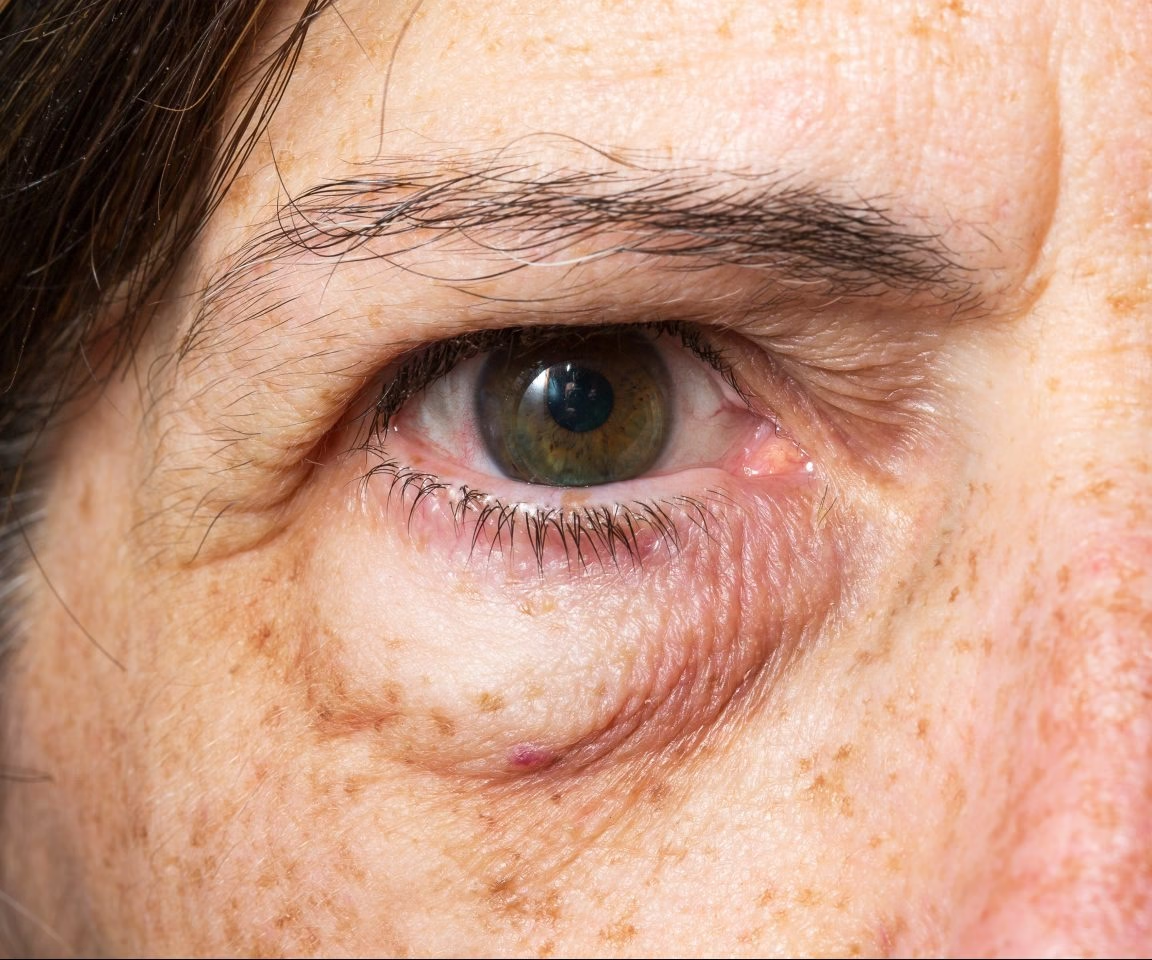
Deep Eye Bags: Causes, Remedies, and When to Worry

Tired of waking up to puffiness and saggy skin beneath your eyes? You’re not alone. Deep eye bags are a common cosmetic concern for people of all ages, and while they’re not typically harmful, they can be frustrating and impact self-esteem.

Understanding the difference between normal eye bags, heavy eye bags, and more noticeable, deep eye bags is key to figuring out the right treatment for you.

What Are Eye Bags, Exactly?

Eye bags refer to the swelling or puffiness that forms under the eyes. They are usually caused by fluid retention, weakened muscles, or fat accumulation in the lower eyelids.

  • Normal eye bags: Mild puffiness that often goes away on its own
  • Heavy eye bags: More pronounced swelling or sagging
  • Deep eye bags: Persistent puffiness, often with darker pigmentation or hollowness

Common Causes of Deep Eye Bags

Many factors contribute to deep or heavy eye bags:

  1. Lack of Sleep – Poor rest leads to fluid retention and increased puffiness
  2. Aging – Skin loses collagen and fat shifts downward, creating a baggy look
  3. Genetics – “My eye bags look like my mom’s” is more common than you think
  4. Allergies – Inflammation and rubbing the eyes worsen puffiness
  5. Poor Diet – High salt intake causes water retention around the eyes
  6. Dehydration – Skin appears sunken and less elastic

Home Remedies to Reduce Eye Bags

Before heading to a clinic, try these natural methods:

  • Cold Compress – Reduces swelling and tightens skin
  • Cucumber Slices or Tea Bags – Soothe inflammation and hydrate the skin
  • Sleep with Extra Pillow – Elevate your head to prevent fluid buildup
  • Stay Hydrated – Flush out excess salt and toxins
  • Cut Down on Salt – Prevent water retention

These can help reduce the appearance of eye bags, especially when used consistently.

Medical and Cosmetic Treatments

If your deep eye bags don’t improve with lifestyle changes, you can explore professional options:

  • Topical creams with caffeine or retinol
  • Dermal fillers to plump up hollows
  • Laser treatments to tighten skin
  • Blepharoplasty (Eyelid Surgery) for permanent results

Always consult a dermatologist or cosmetic surgeon to choose the right treatment.

When to Be Concerned

Most eye bags are harmless, but see a doctor if:

  • They’re suddenly swollen or painful
  • One side is significantly larger
  • You experience blurry vision or redness

These may indicate an infection, thyroid issue, or another medical condition.

Final Thoughts

Whether you’re dealing with heavy eye bags from a sleepless week or you’ve had deep eye bags for years, there are steps you can take to feel more confident. Don’t let them define your beauty or your day.

Consistency is key — what works may not be instant, but results come with patience.

Categories
Health

Signs of Bipolar Disorder: How to Identify Bipolar 1 and 2 Symptoms Early

Bipolar disorder is more than just mood swings. It’s a complex mental health condition marked by extreme shifts in mood, energy, and behavior. Understanding the signs of bipolar early on can help with timely diagnosis, support, and effective management.

Many people wonder, “Do I have bipolar disorder?”—especially when emotions feel unpredictable or intense. If you’ve had episodes of elevated energy followed by deep lows, this article can help you recognize what’s normal and what may signal something more serious.

What Is Bipolar Disorder?

Bipolar disorder (formerly called manic-depressive illness) is a type of mood disorder characterized by alternating periods of:

  • Mania or hypomania (highs)
  • Depression (lows)

There are two main types:

  • Bipolar 1 Disorder: Involves full manic episodes that last at least 7 days or require hospitalization. Depression may follow.
  • Bipolar 2 Disorder: Involves hypomania (less intense than full mania) and more frequent depressive episodes.

Early Signs of Bipolar Disorder

Recognizing the signs of bipolar can be tricky, especially because symptoms often overlap with anxiety or depression. Here’s what to look for:

During a Manic Episode:

  • Feeling extremely “up,” energetic, or elated
  • Talking quickly, jumping between ideas
  • Decreased need for sleep (but not feeling tired)
  • Risky behaviors (spending sprees, reckless driving)
  • Feeling invincible or overly confident
  • Easily irritable or agitated

During a Depressive Episode:

  • Deep sadness or hopelessness
  • Low energy, fatigue
  • Trouble concentrating
  • Sleep disturbances (too much or too little)
  • Feeling worthless or guilty
  • Loss of interest in usual activities

Bipolar 1 Symptoms vs Bipolar 2 Symptoms

Feature Bipolar 1 Bipolar 2
Mania Full manic episodes (7+ days) Hypomania (less severe, 4+ days)
Depression May or may not occur Frequent and long-lasting
Hospitalization Often required during mania Rare
Psychosis May occur during mania Less likely

Understanding these differences can help clarify what you or a loved one may be experiencing.

Bipolar Mood Disorder vs Regular Mood Swings

It’s normal to have emotional highs and lows, but bipolar mood disorder involves extreme shifts that disrupt daily life.

  • Bipolar shifts can last days or weeks.
  • They can affect relationships, work, and safety.
  • You may not always recognize the mood changes as abnormal.

If you’re thinking, “I think I have bipolar disorder,” it’s worth tracking your moods and talking to a mental health professional.

Bipolar Side Effects (Beyond the Mood)

Bipolar disorder can also lead to:

  • Relationship strain
  • Financial trouble (during manic episodes)
  • Substance use (as self-medication)
  • Work or academic difficulties
  • Increased risk of suicide (especially during depressive phases)

These side effects can worsen without treatment, but many people manage bipolar disorder successfully with support.

What Should You Do If You Recognize These Signs?

If you see yourself in these symptoms:

  • Track your mood: Use an app or journal
  • Avoid self-diagnosis: Similar symptoms can appear in other disorders
  • Talk to a doctor or psychiatrist
  • Don’t wait for a crisis: Early intervention = better outcomes

Final Thoughts

Bipolar disorder is real, manageable, and nothing to be ashamed of. Understanding the signs of bipolar, especially bipolar 1 and bipolar 2 symptoms, can lead to early support and a more balanced life.

You’re not alone, and help is available.

Categories
Health

Can The Vertigo Be a Sign of Something Serious?

Every so often, we all feel a bit off balance. Maybe you stood up too fast or skipped lunch. But if you’re experiencing a spinning sensation, a sense of imbalance, or feel like the room is moving—even when you’re still—you might be dealing with the vertigo.

But here’s the bigger question: Can vertigo be a sign of something serious? The answer is—it can be. While not always dangerous, vertigo can sometimes signal underlying health conditions that require attention.

Let’s explore the possible causes of vertigo, when it’s a harmless inner ear issue, and when it might point to something more serious.

What Is Vertigo?

Vertigo is a symptom, not a disease. It refers to a false sensation of spinning or movement, typically brought on by changes in head position or activity. Some people describe it as feeling like they’re on a boat, others like the room is spinning around them.

Common signs of vertigo:

  • Spinning sensation (even when still)
  • Nausea or vomiting
  • Loss of balance or coordination
  • Trouble standing or walking
  • A feeling of fullness in the ear

This condition is often confused with simple dizziness or light-headedness, but vertigo tends to feel more intense and disorienting.

What Causes the Vertigo?

There are several reasons for vertigo, ranging from mild ear issues to more serious neurological disorders. Let’s break them down:

  1. Benign Paroxysmal Positional Vertigo (BPPV)

Most common and usually not serious. Tiny calcium particles (otoconia) shift in your inner ear and send incorrect balance signals to your brain.
Trigger: Sudden head movements, turning in bed, or bending over.
Duration: Seconds to minutes.

  1. Vestibular Neuritis or Labyrinthitis

These are viral infections that affect the vestibular nerve, which helps with balance.
Symptoms: Sudden onset vertigo, nausea, imbalance.
Usually resolves with treatment.

  1. Meniere’s Disease

A fluid buildup in the inner ear often leads to vertigo sickness, reduced hearing, and tinnitus.
Can be chronic and progressive. Needs medical attention.

  1. Migraine-Associated Vertigo

People who suffer from migraines can sometimes experience vertigo, even in the absence of a headache.
Often misdiagnosed or overlooked.

  1. Neurological Conditions (More Serious)

Here’s where vertigo can be a red flag.

  • Stroke or TIA (mini-stroke): Sudden vertigo with slurred speech, facial drooping, or weakness? Call emergency services immediately.
  • Multiple Sclerosis (MS): Vertigo may be an early sign in some people.
  • Brain Tumors: Rare, but vertigo can be caused by pressure on the balance centers of the brain.
  • Acoustic Neuroma: A non-cancerous tumor on the nerve that connects the ear to the brain, causing vertigo, hearing loss, and imbalance.

If you’re wondering, “can vertigo be a sign of something serious?”, the answer is yes—especially if it comes with other symptoms like vision problems, severe headaches, or weakness.

When to Worry: Signs You Shouldn’t Ignore

Seek medical attention if you experience:

  • Abrupt and intense vertigo accompanied by loss of consciousness
  • Double vision, slurred speech, or confusion
  • A feeling of numbness or weakness in your face, arms, or legs
  • Ongoing vomiting and inability to stand
  • Episodes of vertigo along with newly developed hearing issues or tinnitus

These could indicate serious neurological issues or a stroke—don’t delay medical care.

Can Vertigo Go Away on Its Own?

It depends on the vertigo cause. For example:

  • BPPV can often be relieved through head-positioning techniques such as the Epley maneuver.
  • Vestibular neuritis may improve after the virus clears.
  • Meniere’s disease often requires long-term lifestyle changes and medical support.

If you’re dealing with persistent vertigo sickness, it’s best not to wait it out. A proper diagnosis can prevent complications and speed up recovery.

Treatment Options: What Can Help?

Here’s what you can do based on the cause:

  1. Physical Therapy (Vestibular Rehab)

Aims to improve how the brain and inner ear interpret and respond to balance-related input.
Great for BPPV and chronic vestibular issues.

  1. Over the Counter Remedies

You can find several OTC options like:

  • Meclizine (Antivert, Bonine): Antihistamine used for motion sickness & vertigo.
  • Dimenhydrinate (Dramamine): Another popular over the counter vertigo relief.

Keep in mind that these medications may lead to drowsiness and are not ideal for extended use. Always consult a doctor before use.

  1. Natural & Home Remedies

  • Ginger tea
  • Staying hydrated
  • Avoiding alcohol and caffeine
  • Acupressure or vestibular yoga poses
  1. Prescription Medications & Medical Interventions

  • Diuretics for Meniere’s
  • Corticosteroids for inner ear inflammation
  • Anti-anxiety meds if vertigo is linked to panic or stress

In some cases, surgery may be required—especially for tumors or chronic structural issues.

Living with Vertigo: Lifestyle Tips

Managing the vertigo isn’t just about medication. Daily habits can make a huge difference:

  • Move slowly when changing positions
  • Use handrails or support when walking
  • Avoid driving during episodes
  • Sleep with your head slightly elevated
  • Track triggers like diet, sleep, and stress

Myth Busting: Is Vertigo Just a Minor Issue?

Many people brush off vertigo as just a passing spell of dizziness. But in some cases, it’s the body’s way of sounding the alarm.

If you’ve experienced vertigo more than once—or it’s getting worse—it’s not something to ignore. Whether it’s something as treatable as BPPV or something more serious like a neurological condition, early intervention is key.

Final Thoughts

So, can vertigo be a sign of something serious? Yes, it can—but it doesn’t always mean there’s a severe condition behind it. The important thing is listening to your body and recognizing when your symptoms go beyond the ordinary.

If you’re experiencing recurrent vertigo sickness, don’t self-diagnose. Reach out to a healthcare provider, rule out dangerous causes, and get on a path to recovery—so you can stop the spinning and regain balance in your life.

Categories
Health

Understanding Tinnitus: What Causes the Ringing Noise in Your Ear

Have you ever experienced a strange, persistent ringing noise in your ear with no external source? You’re not alone. This condition is known as tinnitus, and it impacts millions globally. For some, it’s a temporary annoyance. For others, it’s a chronic condition that interferes with sleep, concentration, and quality of life.

In this article, we’ll explore what causes tinnitus, its common symptoms like high pitched noise in ear, and various ear buzzing treatments that can offer relief.

What Is Tinnitus?

Tinnitus is when you hear a sound that isn’t really there. It’s the experience of hearing noise without any external source. It’s not a disease but a symptom of an underlying condition—most commonly age-related hearing loss, ear injury, or a problem with the circulatory system.

People describe tinnitus in many ways:

  • Ringing noise in ear
  • Buzzing sound in ear
  • Whistling in ear
  • Humming, clicking, or roaring sounds

Sometimes the sound fades in and out, other times it sticks around—and it can be loud or barely noticeable. In severe cases, it can significantly disrupt daily life.

Common Causes of Tinnitus

  1. Exposure to Loud Noise

Listening to loud music or being around noisy machines too often can hurt the tiny hairs in your ear, causing that buzzing or high-pitched ringing.

  1. Hearing Loss

Age-related hearing decline (presbycusis) is a major contributor. As hearing ability fades, your brain may misinterpret signals, resulting in phantom sounds.

  1. Earwax Blockage

A buildup of wax can irritate the eardrum or cause pressure changes, triggering a ringing sound in your ear.

  1. Ear Infections or Middle Ear Issues

Infections, fluid buildup, or problems like Eustachian tube dysfunction can result in a buzzing sound in ear.

  1. Certain Medications

A class of drugs called ototoxic medications (e.g., certain antibiotics or cancer drugs) can worsen or cause tinnitus.

Types of Tinnitus Sounds

Tinnitus can manifest in different auditory perceptions:

  • High pitched noise in ear: Often associated with noise-induced hearing loss.
  • Buzzing sound in ear: A mechanical or vibrating tone.
  • Whistling in ear: Like a tea kettle or steam escaping.
  • Thumping or pulsing: Known as pulsatile tinnitus, usually related to blood flow.

Recognizing the type of sound you hear can help in diagnosing the root cause.

When to Seek Medical Advice

If the ringing noise in your ear lasts more than a few days, is accompanied by hearing loss or dizziness, or is only in one ear, consult a healthcare professional. A hearing test, physical examination, or imaging may be required to rule out serious conditions like Meniere’s disease, tumors, or vascular disorders.

Ear Buzzing Treatment Options

There’s no guaranteed cure for tinnitus yet, but the good news is that there are ways to make it more manageable.

  1. Sound Therapy

White noise machines, fans, or nature sounds can mask the ringing noise in your ear, making it less noticeable—especially at night.

  1. Cognitive Behavioral Therapy (CBT)

CBT helps people cope with the emotional stress and anxiety associated with chronic tinnitus. It doesn’t eliminate the sound, but it changes your reaction to it.

  1. Hearing Aids

If hearing loss is the cause, hearing aids can enhance external sounds and reduce the contrast between actual sound and tinnitus.

  1. Medications

Some antidepressants or anti-anxiety drugs may help reduce the intensity of tinnitus symptoms, though they are usually not a first-line treatment.

  1. Home Remedies & Lifestyle Changes
  • Avoid caffeine and nicotine, which may worsen symptoms
  • Practice mindfulness or meditation
  • Use ear protection in noisy environments
  • Stay hydrated and manage stress levels

Can Tinnitus Be Prevented?

While not all forms of tinnitus are preventable, you can reduce your risk:

  • Limit exposure to loud sounds
  • Wear noise-canceling headphones or earplugs when necessary
  • Get regular hearing check-ups
  • Refrain from inserting objects such as cotton swabs into your ears.

Final Thoughts

Tinnitus can be frustrating and, at times, debilitating. If you’re hearing a high-pitched tone, a buzzing, or even a whistling sound in your ear, you’re not alone—and the good news is, support and solutions are available. From sound therapy and hearing aids to stress reduction and medical evaluations, there are several effective ear buzzing treatments to explore.

Don’t suffer in silence. The sooner you address the ringing noise in your ear, the better your chances of finding lasting relief.

Categories
Health

Ruptured Eardrum Bleeding: Causes, Symptoms & What to Do Next

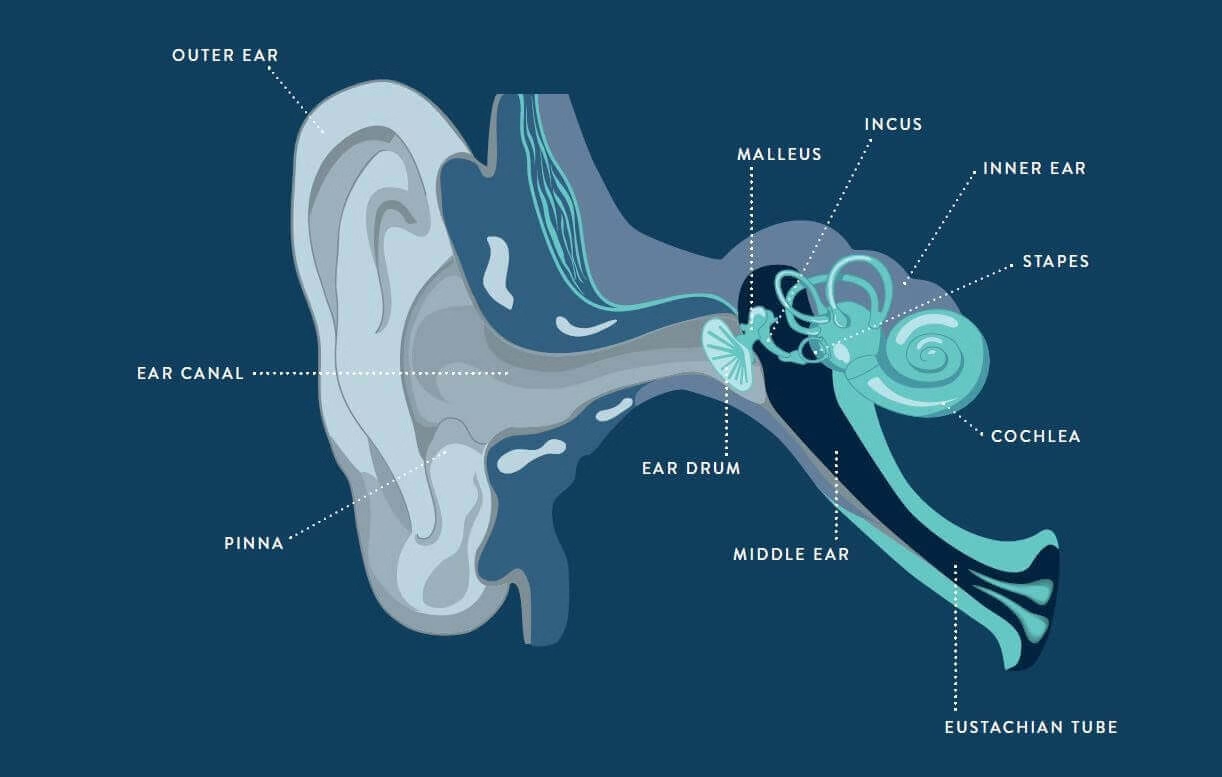
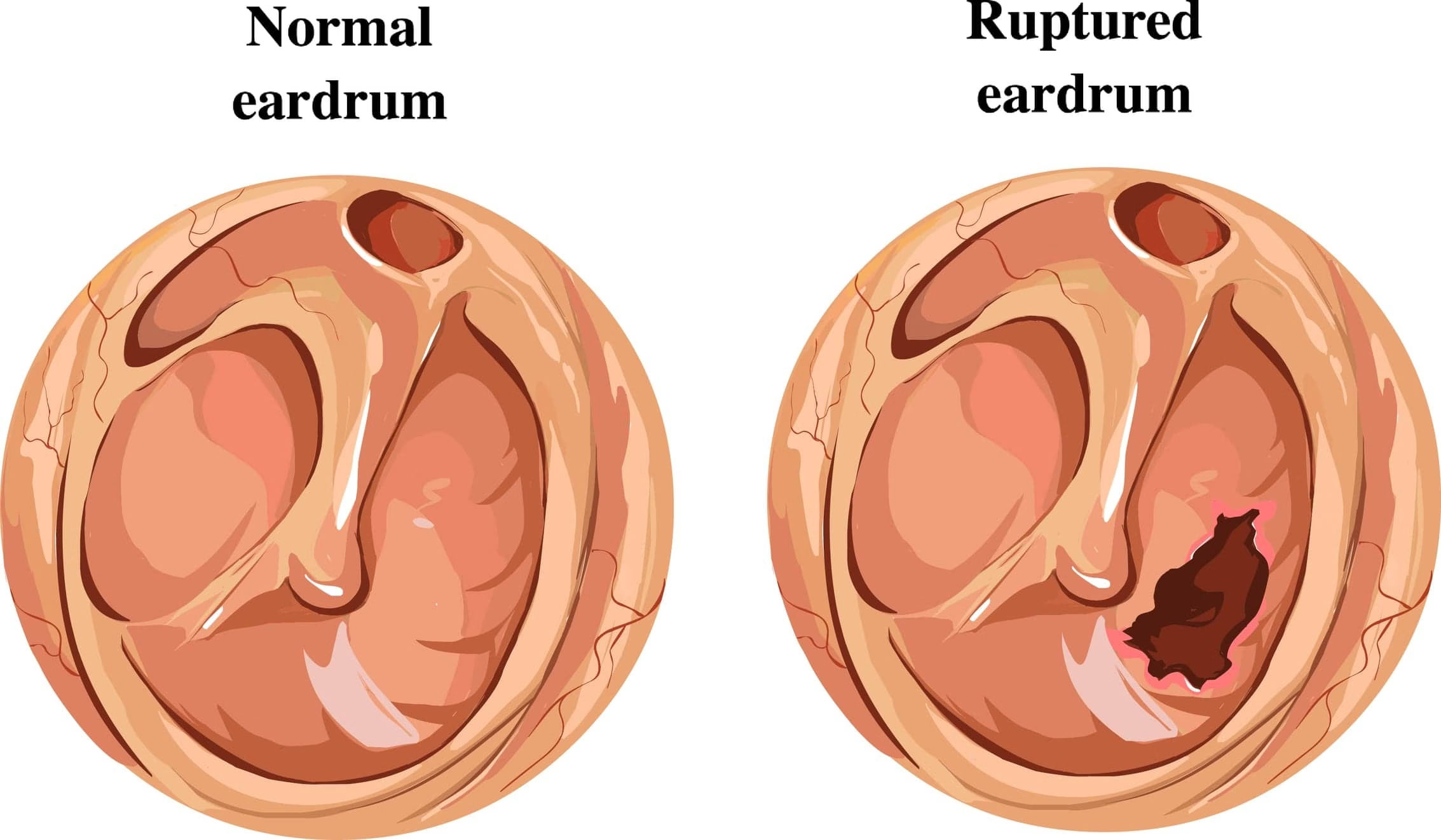
A ruptured or perforated eardrum happens when a tear or hole forms in the thin tissue dividing the outer ear from the middle ear. Known as the tympanic membrane, this structure is essential for hearing and protecting the inner ear from damage. When it’s damaged, it can lead to pain, hearing loss, and in some cases, ruptured eardrum bleeding.

Understanding what causes a ruptured eardrum, how to identify its symptoms, and what to do if you suspect one is crucial for protecting your ear health and avoiding long-term complications.

What Causes a Ruptured Eardrum?

Multiple causes can contribute to a ruptured or perforated eardrum, such as:

  • Ear infections: Fluid buildup and increased pressure during an infection can cause the eardrum to rupture.
  • Loud sounds or injury: Intense noise bursts (such as explosions) or impact to the head can lead to a tear in the eardrum.
  • Objects inserted into the ear: Using cotton swabs or sharp tools too deeply can harm the eardrum’s delicate surface.
  • Sudden pressure changes: Airplane travel, scuba diving, or altitude changes can cause barotrauma, leading to rupture.
  • Accidental injuries: A slap to the ear or a fall that hits the side of the head may result in a perforation.

When the membrane tears, it may lead to ruptured eardrum bleeding, particularly if the trauma was severe or involved a sharp object.

Symptoms of Ruptured Eardrum

The signs of a ruptured eardrum can vary depending on the cause and severity, but the most common symptoms of ruptured eardrum include:

  • A sudden, intense earache that often fades quickly
  • Reduced or abrupt hearing loss in the impacted ear
  • Clear, pus-like, or bloody drainage from the ear
  • Ringing in the ear (tinnitus)
  • A sensation of pressure or fullness within the ear
  • Occasional episodes of dizziness or unsteadiness

One of the most alarming signs is ruptured eardrum bleeding, especially when accompanied by ear pain and discharge.

Symptoms of Perforated Eardrum

Although similar to rupture, symptoms of perforated eardrum may feel more gradual or mild, especially in cases where the cause is repeated infections or chronic pressure. These include:

  • Muffled hearing or hearing loss
  • Mild ear discomfort or popping
  • Persistent ear discharge
  • Sensitivity to water or wind exposure
  • A whistling noise heard while blowing the nose

In either case, if you notice any signs of bleeding or persistent discharge from the ear, it’s important to consult an ENT specialist promptly.

Is Bleeding From a Ruptured Eardrum Serious?

Ruptured eardrum bleeding isn’t always a sign of severe damage, but it should never be ignored. Bleeding typically occurs when the rupture is caused by trauma, a sharp object, or an intense infection.

While some minor eardrum tears may heal on their own in a few weeks, others may need medical attention to avoid long-term complications like:

  • Chronic ear infections
  • Persistent hearing loss
  • Balance issues
  • Middle ear damage
  • Scarring of the eardrum (tympanosclerosis)

What to Do if You Suspect a Ruptured Eardrum

Here’s how to safely respond if you or someone you know might have a ruptured eardrum:

  1. Avoid inserting anything into the ear.

Do not use cotton swabs or try to clean the ear yourself.

  1. Keep the ear dry.

Avoid swimming or letting water enter the ear canal while it heals. Use a waterproof ear covering during showers.

  1. Apply a warm compress.

This can relieve mild discomfort, but avoid direct pressure on the ear.

  1. Visit a doctor.

A healthcare provider may examine the ear with an otoscope and recommend further treatment.

Treatment Options                         

Most small ruptures or perforations heal naturally within 1–2 months. However, depending on the severity, doctors may suggest:

  • Antibiotic ear drops used to prevent or manage infections
  • Pain relievers to reduce discomfort
  • Patching the eardrum in cases where healing is slow
  • Surgical repair (tympanoplasty) for large or non-healing perforations

It’s important to monitor symptoms during recovery and follow medical guidance closely to avoid repeated ruptures or infections.

Preventing Eardrum Injuries

While not all ear injuries are avoidable, these steps can help protect your eardrums:

  • Don’t insert objects into your ear
  • Treat ear infections early
  • Avoid loud noise exposure
  • Equalize pressure during flights or diving
  • Wear ear protection if you’re susceptible to infections or exposed to loud noise regularly

Final Thoughts

A ruptured eardrum bleeding can be alarming, but with the right care and awareness of the symptoms of perforated eardrum, most cases heal without lasting damage. Whether caused by infection, trauma, or pressure changes, recognizing the warning signs early helps prevent complications and protect your hearing.

If you suspect an issue with your eardrum, don’t wait — seek medical advice and let your ears heal properly.

Categories
Health

Middle Ear Effusion Explained: Causes, Symptoms & Otitis Media Treatment

What Is Otitis Media?

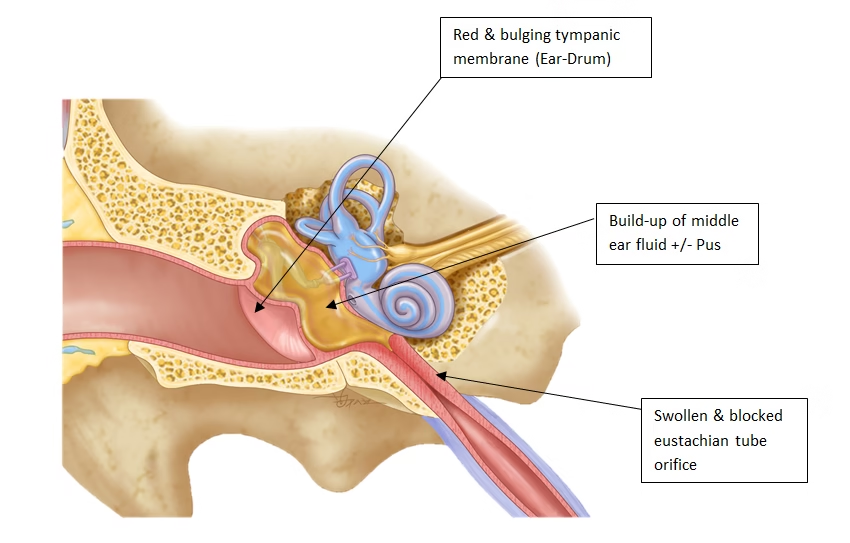
Otitis media refers to an inflammation or infection of the middle ear, typically causing symptoms such as earache, reduced hearing, and occasionally, fever. A common complication is middle ear effusion, which occurs when fluid builds up behind the eardrum — often without infection — causing discomfort or temporary hearing loss.

This condition can affect individuals of all ages but is particularly common in children. Knowing the various forms of otitis media and how they’re treated can make it easier to manage symptoms and avoid serious complications.

Types of Otitis Media

Otitis media typically occurs in three main forms:

  1. Acute Otitis Media

Acute otitis media is a quick-onset infection of the middle ear, most often triggered by bacteria or viruses. It typically brings on symptoms like intense ear pain, fever, and increased irritability. In children, this may also lead to disturbed sleep, tugging at the ear, or crying.

Acute otitis media in pediatrics is especially prevalent because children have smaller and more horizontal Eustachian tubes, which makes it easier for bacteria or viruses to get trapped and cause an infection.

  1. Otitis Media with Effusion (Middle Ear Effusion)
    This type involves fluid buildup in the middle ear but occurs without the typical signs of an active infection. It may occur after an episode of acute otitis media or develop independently due to poor Eustachian tube function.

Middle ear effusion can lead to muffled hearing and a feeling of fullness in the ear. Although it’s not always painful, untreated cases can affect speech and learning in children if they experience frequent or prolonged episodes.

  1. Chronic Otitis Media

When otitis media persists for several weeks or recurs frequently, it is classified as chronic. This can involve continuous or repeated ear discharge through a perforated eardrum, and in some cases, permanent hearing loss. Chronic otitis media should be addressed quickly by a medical professional to avoid lasting damage to the ear.

Causes and Risk Factors

Otitis media is often triggered by:

  • Colds, sinus infections, and other upper respiratory illnesses
  • Allergic reactions that trigger swelling and lead to fluid accumulation
  • Poor Eustachian tube function
  • Exposure to tobacco smoke
  • Bottle feeding while lying down in infants

Children in daycare settings or those with a family history of ear infections are also at higher risk.

Common Symptoms

  • Ear pain or discomfort
  • Fullness or pressure in the ear
  • Muffled or reduced hearing
  • Drainage of fluid (in chronic cases)
  • Restlessness and difficulty sleeping, particularly in young children
  • Fever (mainly in acute otitis media)

In acute otitis media in pediatrics, these symptoms may come on suddenly and resolve with proper care.

Otitis Media Treatment

  • Observation & Monitoring

For mild cases, especially of middle ear effusion, doctors may recommend a “watchful waiting” approach for a few days, as symptoms can sometimes resolve on their own.

  • Antibiotics

Bacterial infections often require antibiotics like amoxicillin, particularly in children under 2 years old or those with severe symptoms.

  • Pain Management

Non-prescription medicines like acetaminophen or ibuprofen can ease ear discomfort and reduce fever.

For recurrent infections or persistent fluid buildup, especially affecting hearing or speech development, small tubes may be surgically placed in the eardrum to drain fluid and ventilate the middle ear.

This is a common otitis media treatment in children with chronic middle ear effusion.

When to See a Doctor

Consult a doctor if:

  • Symptoms last more than 2–3 days
  • Discharge of fluid or pus coming from the ear
  • Hearing problems persist
  • A child is younger than 6 months and showing symptoms
  • You notice signs of chronic otitis media

Preventing Middle Ear Effusion and Infections

  • Keep children away from secondhand smoke
  • Practice good hand hygiene
  • Encourage breastfeeding in infants
  • Ensure timely vaccinations (flu, pneumococcal vaccines)
  • Avoid feeding babies while lying flat

Final Thoughts

Middle ear effusion and other forms of otitis media are common, especially in children, but they don’t have to result in long-term problems if identified and treated early. From home care to medical intervention, the right steps can bring relief and preserve hearing health.

Understanding the difference between acute otitis media, chronic otitis media, and effusion without infection helps in seeking the right otitis media treatment before complications arise.

Exit mobile version