Leg deformities can affect individuals at any stage of life, but they are often most concerning when seen in babies and children. These conditions can range from mild variations in bone alignment to more complex structural abnormalities that impact movement and overall quality of life.
Understanding leg deformity types, their causes, symptoms, and treatment options can help parents and individuals take timely action and ensure better outcomes.
What Are Leg Deformities?
Leg deformities refer to abnormal shapes, alignments, or structures of the lower limbs. These may involve bones, joints, or muscles and can affect one or both legs.
Key characteristics
- Abnormal curvature or alignment of the legs
- Differences in leg length
- Limited mobility or unusual walking patterns
- Visible structural differences
Some deformities are present at birth, while others develop later due to medical or environmental factors.
Leg Deformity Types
There are several types of limb deformities affecting the lower limbs. Each has distinct features and varying levels of severity.
Common leg deformity types
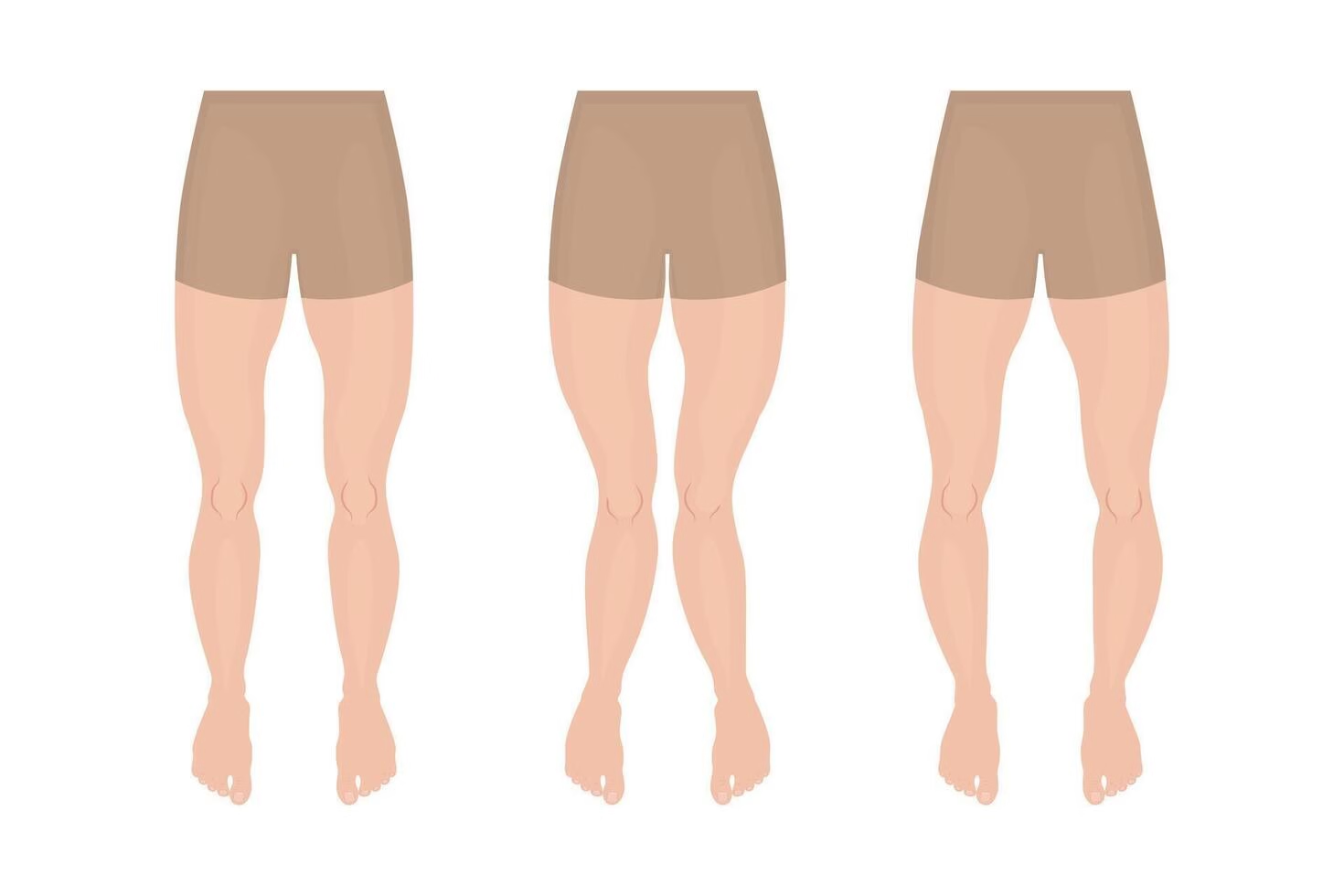
- Bow legs where the legs curve outward
- Knock knees where the knees angle inward and touch
- Leg length discrepancy where one leg is shorter than the other
- Clubfoot where the foot is twisted out of shape or position
- Blount’s disease affecting growth of the shin bone
- Rickets-related deformities caused by poor bone mineralization
Types of Limb Deformities
Limb deformities can be broadly categorized based on their origin and nature.
Congenital deformities
- Present at birth
- Result from issues during fetal development
- Often affect bone formation or alignment
Acquired deformities
- Develop after birth
- Caused by injury, infection, or nutritional deficiencies
- May worsen over time if untreated
Structural deformities
- Involve bones and joints
- Affect alignment and physical appearance
Functional deformities
- Result from muscle imbalance or nerve issues
- May impact movement without visible bone changes
Limb Deformities in Babies
Leg deformities in babies can be especially concerning for parents, but not all cases are serious.
Common observations in infants
- Slight bowing of legs is normal in early infancy
- Many mild conditions correct themselves with growth
- Regular monitoring is important
When to seek medical advice
- Severe or worsening deformity
- Uneven leg lengths
- Difficulty in movement as the child grows
- Delayed walking milestones
Congenital Lower Limb Deformities
Congenital lower limb deformities occur during fetal development and are present at birth.
Examples include
- Clubfoot
- Limb length differences
- Missing or underdeveloped bones
- Joint abnormalities
Causes of congenital deformities
- Genetic factors
- Restricted space in the womb
- Poor maternal nutrition
- Exposure to harmful substances during pregnancy
Limb Deformities Cause
Understanding limb deformities cause is essential for prevention and treatment.
Common causes
- Genetic abnormalities
- Nutritional deficiencies such as lack of vitamin D
- Infections affecting bone growth
- Trauma or injury
- Hormonal imbalances
- Improper bone development
What Causes Limb Deformities in Babies?
Parents often wonder what causes limb deformities in babies. The reasons can vary depending on the type and severity.
Possible causes
- Genetic mutations or inherited conditions
- Inadequate nutrition during pregnancy
- Reduced blood supply to the developing limb
- Maternal health conditions
- Exposure to certain medications or toxins
Symptoms of Leg Deformities
Symptoms can vary depending on the type and severity of the condition.
Common symptoms
- Visible misalignment of legs
- Difficulty walking or standing
- Uneven gait
- Pain or discomfort in some cases
- Delayed motor development in children
Symptoms in babies
- Abnormal positioning of legs or feet
- Limited movement
- Asymmetry in limb appearance
Risk Factors
Certain factors increase the likelihood of developing leg deformities.
Key risk factors
- Family history of limb deformities
- Poor nutrition
- Lack of essential vitamins and minerals
- Chronic illnesses
- Premature birth
- Maternal health issues during pregnancy
Diagnosis of Leg Deformities
Early diagnosis plays a crucial role in effective treatment.
Diagnostic methods
- Physical examination
- Measurement of leg length and alignment
- Imaging tests such as X-rays
- Growth monitoring in children
Importance of early diagnosis
- Prevents worsening of the condition
- Allows timely intervention
- Improves long-term outcomes
Treatment Options
Treatment depends on the type, severity, and age of the individual.
Non-surgical treatments
- Braces or orthotic devices
- Physical therapy
- Nutritional supplementation
- Regular monitoring
Surgical treatments
- Corrective bone surgery
- Limb lengthening procedures
- Realignment techniques
Treatment in babies and children
- Many conditions improve naturally with growth
- Early intervention can prevent complications
- Pediatric specialists play a key role
Prevention of Leg Deformities
While not all deformities can be prevented, certain steps can reduce the risk.
During pregnancy
- Maintain a balanced diet
- Ensure adequate intake of vitamins and minerals
- Attend regular prenatal check-ups
- Avoid harmful substances
After birth
- Ensure proper nutrition for the child
- Encourage healthy physical activity
- Monitor growth and development
- Seek medical advice for any abnormalities
Long-Term Outlook
The prognosis for leg deformities varies depending on the condition.
Positive outcomes
- Many mild deformities resolve naturally
- Early treatment leads to better results
- Children can achieve normal mobility with proper care
Challenges
- Severe deformities may require long-term treatment
- Delayed intervention can lead to complications
- Psychological impact due to physical appearance
When to Consult a Doctor
Early medical advice is essential for managing leg deformities effectively.
Seek help if you notice
- Persistent or worsening deformity
- Pain or difficulty in movement
- Unequal leg lengths
- Delayed developmental milestones in children
Key Takeaways
- Leg deformity types vary from mild to severe conditions
- Some deformities are present at birth while others develop later
- Early diagnosis and treatment improve outcomes
- Proper nutrition and prenatal care play a significant role in prevention
Regular monitoring is essential, especially in babies and children