Tuberculosis is one of the oldest yet most persistent infectious diseases in the world. Despite advances in healthcare, tuberculosis remains a major public health concern, particularly in developing countries. The disease primarily affects the lungs but can impact other parts of the body such as the spine, brain, or kidneys.
Understanding tuberculosis symptoms, causes, risk factors, diagnosis, and treatments is crucial for early detection and management. This article provides a comprehensive guide to what tuberculosis is, how it spreads, available treatments, and preventive measures.
What is Tuberculosis?
Tuberculosis (TB) is an infectious disease caused by the bacterium Mycobacterium tuberculosis. It spreads through airborne particles when an infected person coughs, talks, sneezes, laughs, or spits. Unlike common respiratory infections, tuberculosis can remain dormant for years and reactivate when immunity weakens.
Tuberculosis Definition
TB is a contagious bacterial infection that primarily affects the lungs but can also target other organs through the bloodstream.
Tuberculosis Meaning
The term “tuberculosis” refers to the formation of nodules or tubercles in the tissues, typically found in the lungs during infection.
Types of Tuberculosis
-
Latent TB
- Bacteria are present in the body but inactive.
- No symptoms and not contagious.
- Can turn into active TB if immunity weakens.
-
Active TB
- Bacteria multiply and cause symptoms.
- Highly contagious.
- Requires immediate treatment.
-
Extrapulmonary TB
- Affects organs other than lungs: bones, kidneys, lymph nodes, brain, etc.
- Common in immunocompromised individuals.
Causes of Tuberculosis
The primary cause of tuberculosis is infection by Mycobacterium tuberculosis. The bacteria spread through airborne droplets.
Tuberculosis is caused by:
- Inhaling contaminated air from an infected person.
- Close and prolonged contact with active TB patients.
- Weakened immune system allowing bacteria activation.
- Poor living conditions with limited ventilation.
- Malnutrition or chronic health issues.
Tuberculosis Symptoms
Recognizing tuberculosis symptoms early allows faster diagnosis and prevents spreading. Symptoms differ for pulmonary and extrapulmonary TB.
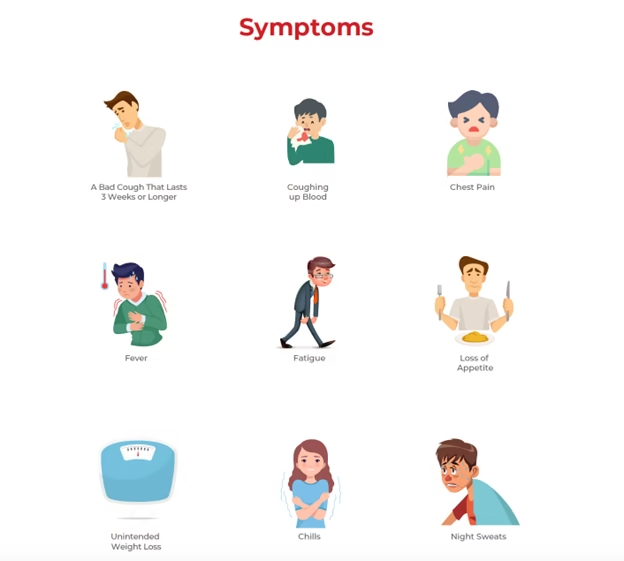
Pulmonary Tuberculosis Symptoms
- Persistent cough lasting more than three weeks.
- Coughing up blood or sputum.
- Chest pain during breathing or coughing.
- Unexplained weight loss.
- Fever and chills.
- Night sweats.
- Fatigue and weakness.
- Loss of appetite.
- Difficulty breathing in advanced stages.
Extrapulmonary TB Symptoms
- Swollen lymph nodes.
- Back pain or joint pain if bones are affected.
- Blood in urine in kidney TB.
- Severe headaches, nausea in brain TB.
- Abdominal pain and swelling.
Risk Factors for Tuberculosis
Certain groups are at higher risk of developing TB.
Major Risk Factors
- Weakened immune system (HIV/AIDS, cancer therapy, organ transplant).
- Diabetes or chronic kidney disease.
- Malnutrition.
- Tobacco and alcohol use.
- Living in crowded or poorly ventilated areas.
- Close contact with infected individuals.
- Age (elderly and young children).
- Healthcare workers exposed to infection.
- Traveling to high TB-burden areas.
Tuberculosis Diagnosis and Tests
Early diagnosis plays a crucial role in preventing complications and community spread. Tuberculosis check up and tuberculosis test methods include:
-
Mantoux Tuberculin Skin Test (TST)
- Small injection under the skin.
- Checked after 48–72 hours for reaction.
-
Interferon-Gamma Release Assays (IGRA)
- Blood test that detects immune response.
- Preferred for people vaccinated with BCG.
-
Chest X-Ray
- Identifies lung abnormalities.
-
Sputum Test
- Detects bacteria in mucus samples.
- Includes smear microscopy and culture tests.
-
CB-NAAT / GeneXpert Test
- Rapid molecular test.
- Detects TB bacteria and drug resistance.
-
CT Scan or MRI
- Used in extrapulmonary TB cases.
-
Biopsy
- For lymph nodes, bones, or other organs.
Treatment for Tuberculosis
Tuberculosis is curable if treated correctly. Tuberculosis treatments typically involve multiple antibiotics for an extended duration.
Standard TB Treatment (DOTS Therapy)
The WHO-recommended treatment is Directly Observed Treatment, Short-course (DOTS).
- Duration: 6 to 9 months.
- Combination of antibiotics: Isoniazid, Rifampicin, Ethambutol, Pyrazinamide.
- Medication supervision to prevent drug resistance.
Drug-Resistant TB Treatment
Types include:
- MDR-TB (Multi-Drug Resistant TB)
- XDR-TB (Extensively Drug-Resistant TB)
Treatment lasts longer (18–24 months) with second-line drugs.
Supportive Treatment
- Nutritious diet rich in protein, vitamins, and antioxidants.
- Limiting smoking and alcohol.
- Managing co-existing conditions.
Hospitalization
Only required in severe or complicated cases.
Prevention of Tuberculosis
-
Vaccination
- BCG vaccine protects infants and children against severe forms of TB.
-
Avoid Close Contact
- Especially with active TB patients.
-
Ventilation
- Open windows, improve airflow in homes and workplaces.
-
Wearing Masks
- Particularly in healthcare facilities.
-
Personal Hygiene
- Covering mouth while coughing or sneezing.
-
Treat Latent TB
- Prevents reactivation.
-
Nutrition
- Balanced diet strengthens immunity.
Complications of Untreated Tuberculosis
- Permanent lung damage.
- Spinal deformities.
- Meningitis.
- Kidney and liver failure.
- Heart inflammation.
- Death in advanced cases.
Tuberculosis Presentation (TB PPT)
Students, medical professionals, or public health educators often use a tuberculosis ppt to understand disease overview, epidemiology, prevention strategies, and public awareness.
Living with Tuberculosis: Tips for Patients and Families
- Do not stop medication early.
- Maintain distance during active infection.
- Do not share utensils or towels until non-infectious.
- Follow follow-up appointments for sputum testing.
- Stay hopeful; TB is curable with proper treatment.
Conclusion
Tuberculosis remains a major global challenge, but with awareness, timely diagnosis, effective treatment, and preventive strategies, controlling TB is achievable. Early detection of tuberculosis symptoms, regular tuberculosis check up, and compliance with treatment significantly reduce complications.
Public education, improved sanitation, nutrition, and healthcare access are key to eradicating tuberculosis globally.