
Erythropoiesis is the biological process through which red blood cells are produced in the body. These specialized cells are responsible for oxygen transport, ensuring that every tissue receives the oxygen it needs to function. Without efficient erythropoiesis, the body cannot carry oxygen effectively, leading to fatigue, weakness, and systemic dysfunction.
Red blood cells play a central role in o2 transport by binding oxygen in the lungs and delivering it to organs and muscles. This life-sustaining function depends on a complex and tightly regulated process that takes place primarily in the bone marrow. Nutrients, hormones, and cellular signaling pathways all contribute to the proper formation and maturation of red blood cells.
Understanding erythropoiesis stages helps explain how anemia develops, how vitamin deficiencies affect health, and why vitamin B12 is essential for proper blood formation.
What Is Erythropoiesis?
Erythropoiesis refers to the production and development of erythrocytes, commonly known as red blood cells. This process occurs in the red bone marrow of long bones in adults. It begins with hematopoietic stem cells and progresses through several well-defined maturation stages until fully functional red blood cells are released into circulation.
The primary function of these mature cells is oxygen transport. Hemoglobin within red blood cells binds oxygen in the lungs and releases it to tissues. In return, red blood cells help remove carbon dioxide, a waste product of metabolism.
Erythropoiesis is stimulated by erythropoietin, a hormone produced mainly by the kidneys in response to low oxygen levels. When oxygen levels drop, the body increases red blood cell production to restore balance.
Why Erythropoiesis Is Important for Oxygen Transport
Oxygen transport is essential for cellular respiration and energy production. Every organ relies on oxygen to generate ATP, the energy currency of the body.
Red blood cells are uniquely designed to carry oxygen efficiently:
- They contain hemoglobin, a protein specialized for oxygen binding
- They lack a nucleus in their mature form, allowing more space for hemoglobin
- Their biconcave shape increases surface area for gas exchange
When erythropoiesis is impaired, the body cannot carry oxygen effectively. This leads to symptoms such as fatigue, dizziness, pale skin, and shortness of breath.
Efficient o2 transport depends on healthy red blood cell production, adequate nutrients, and proper hormonal regulation.
Erythropoiesis Stages
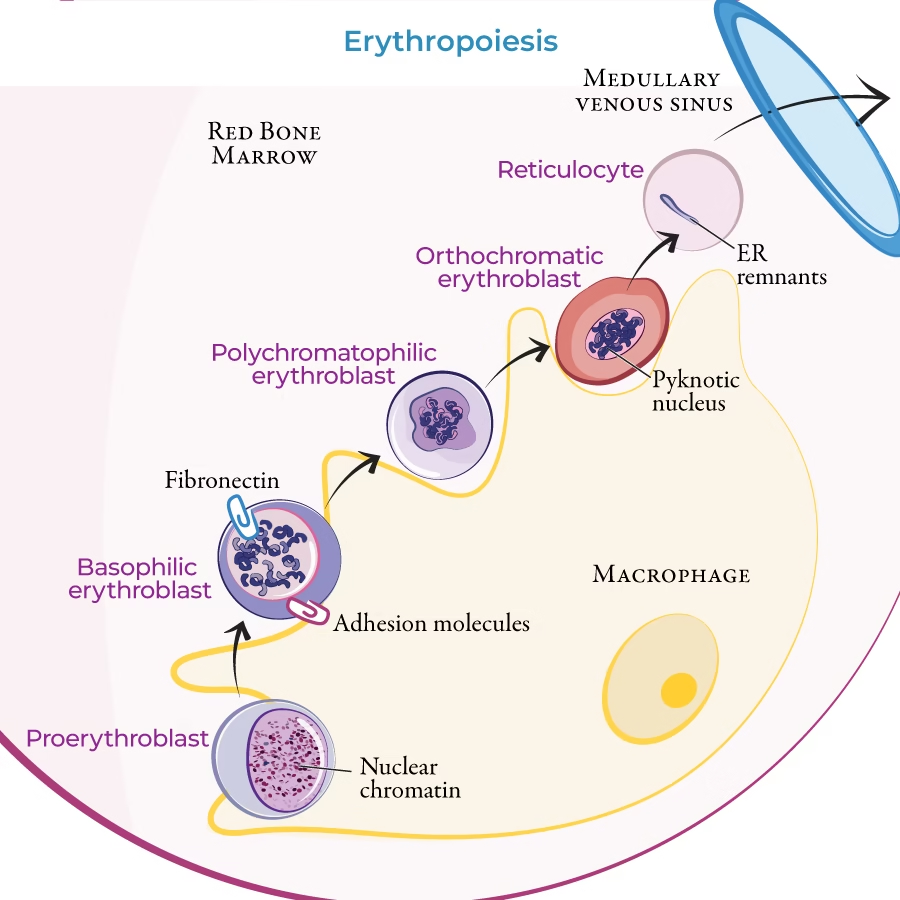
Understanding erythropoiesis stages provides insight into how red blood cells develop. The stages of erythropoiesis with diagram representation are commonly used in medical education to visualize the transformation from stem cell to mature erythrocyte.
Overview of Erythropoiesis Stages
Hematopoietic Stem Cell
- Multipotent stem cell located in bone marrow
- Capable of differentiating into all blood cell types
- Initiates the erythropoiesis pathway
Common Myeloid Progenitor
- Differentiates toward red blood cell lineage
- Loses ability to become unrelated blood cells
Proerythroblast
- First recognizable erythroid precursor
- Large nucleus
- Basophilic cytoplasm due to ribosomal activity
Basophilic Erythroblast
- Active hemoglobin synthesis begins
- Cytoplasm stains deeply due to RNA content
Polychromatophilic Erythroblast
- Hemoglobin production increases
- Cytoplasm shows mixed staining
Orthochromatic Erythroblast
- Nucleus condenses
- Hemoglobin concentration rises
- Cell prepares to expel nucleus
Reticulocyte
- Nucleus expelled
- Enters bloodstream
- Contains residual RNA
Mature Erythrocyte
- Fully developed red blood cell
- No nucleus
- Specialized for oxygen transport
- Circulates for approximately four months
Each stage involves structural and biochemical changes that prepare the cell to carry oxygen efficiently.
Role of Vitamin B12 in Erythropoiesis
The role of vitamin B12 in erythropoiesis is crucial. Vitamin B12, also known as cobalamin, is essential for DNA synthesis and cell division. Since erythropoiesis involves rapid cellular proliferation, adequate vitamin B12 is necessary for proper red blood cell formation.
Vitamin B12 functions as coenzyme B12 in several metabolic reactions. It plays a vital role in:
- DNA replication
- Red blood cell maturation
- Neurological function
- Prevention of megaloblastic anemia
Without sufficient vitamin B12, red blood cells become abnormally large and immature. This condition is known as megaloblastic anemia and leads to impaired oxygen transport.
Forms of Vitamin B12
Vitamin B12 exists in multiple forms, each with specific characteristics:
Methylcobalamin
- Active form of vitamin B12
- Directly participates in metabolic reactions
- Supports neurological health
Cyanocobalamin
- Synthetic form commonly used in supplements
- Converted into active forms in the body
Hydroxocobalamin
- Naturally occurring form
- Often used in injections
- Longer retention time in the body
All these forms belong to the broader category of cobalamin. They support erythropoiesis by enabling proper DNA synthesis and cell maturation.
Low B12 and Its Impact on Erythropoiesis
Low B12 levels disrupt red blood cell production. When B12 serum levels fall below optimal ranges, erythropoiesis slows and becomes ineffective.
Consequences of low B12 include:
- Enlarged red blood cells
- Reduced ability to carry oxygen
- Fatigue and weakness
- Neurological symptoms
- Impaired oxygen transport
Testing b12 serum levels helps diagnose deficiency. Early detection allows timely supplementation to restore normal erythropoiesis.
Daily Recommended B12 Intake
The daily recommended B12 intake varies based on age and physiological state. Adequate intake ensures proper erythropoiesis and neurological function.
General guidance includes:
- Adults require consistent dietary intake
- Pregnant and breastfeeding individuals may require higher intake
- Individuals with absorption disorders may need supplementation
Because vitamin B12 is primarily found in animal-based foods, vegetarians and vegans are at higher risk of deficiency and may require fortified foods or supplements.
How Erythropoiesis Supports Oxygen Transport
The primary purpose of erythropoiesis is to maintain adequate oxygen transport throughout the body.
Red blood cells:
- Bind oxygen in the lungs
- Carry oxygen via hemoglobin
- Deliver oxygen to tissues
- Assist in carbon dioxide removal
If red blood cell production decreases, oxygen transport efficiency declines. This affects muscle performance, brain function, and overall energy levels.
Healthy erythropoiesis ensures the body can carry oxygen efficiently and maintain homeostasis.
Regulation of Erythropoiesis
Erythropoiesis is tightly regulated by several factors:
- Erythropoietin hormone
- Oxygen levels
- Iron availability
- Vitamin B12 and folate levels
- Bone marrow health
When oxygen levels decrease, erythropoietin production increases. This stimulates the bone marrow to produce more red blood cells.
Nutrient deficiencies, chronic disease, or bone marrow disorders can impair this process.
Clinical Relevance of Erythropoiesis
Understanding erythropoiesis stages is essential in diagnosing and managing blood disorders.
Common conditions related to impaired erythropoiesis include:
- Iron deficiency anemia
- Vitamin B12 deficiency anemia
- Chronic kidney disease
- Bone marrow disorders
Laboratory tests such as complete blood count, reticulocyte count, and b12 serum measurement help assess red blood cell production.
Treatment depends on identifying and correcting the underlying cause.
Supporting Healthy Erythropoiesis
Maintaining healthy erythropoiesis requires:
- Adequate iron intake
- Sufficient vitamin B12
- Proper folate levels
- Balanced diet
- Regular medical checkups
Individuals with low B12 should consider appropriate supplementation forms such as methylcobalamin, cyanocobalamin, or hydroxocobalamin based on medical advice.
Supporting coenzyme B12 activity ensures efficient DNA synthesis and proper red blood cell maturation.
Conclusion
Erythropoiesis is a vital physiological process responsible for producing red blood cells that carry oxygen throughout the body. Through clearly defined erythropoiesis stages, stem cells mature into specialized cells capable of oxygen transport.
The role of vitamin B12 in erythropoiesis cannot be overstated. As cobalamin functions as coenzyme B12 in DNA synthesis, it ensures proper red blood cell development. Deficiency, low B12 levels, or impaired absorption can disrupt this process and reduce the body’s ability to carry oxygen efficiently.
By understanding the stages of erythropoiesis with diagram references, recognizing symptoms of low B12, and maintaining adequate daily recommended B12 intake, individuals can support healthy blood formation and optimal o2 transport.
Healthy erythropoiesis means efficient oxygen delivery, sustained energy, and overall well-being.