
Simple, Science-Backed Choices for a Healthier Stomach
Digestion is one of the most important yet overlooked processes in the body. Every meal sets off a complex chain of events involving stomach acid, digestive enzymes, gut motility, and beneficial microbes. When digestion works smoothly, energy levels feel steady, the stomach feels comfortable, and nutrient absorption improves. When it slows down, bloating, heaviness, and discomfort can follow.
Many people search for the right drink after meal to help digestion, hoping to reduce bloating or speed up food breakdown. The truth is that certain beverages can gently support digestive processes, while others may interfere with them.
Understanding what to drink after eating requires knowing how digestion works and what the body truly needs after a meal.
How Digestion Works After You Eat
Digestion begins even before food reaches the stomach. The sight and smell of food trigger saliva production and enzyme release. Once food is swallowed:
- The stomach secretes acid to break down proteins
- Enzymes begin chemical digestion
- The small intestine absorbs nutrients
- The large intestine processes remaining fiber
A healthy digestive system relies on:
- Adequate stomach acid
- Proper enzyme activity
- Balanced gut bacteria
- Efficient intestinal movement
Choosing the right beverage can support these mechanisms and keep the stomach healthy.
What Makes a Good Drink After a Meal?
An ideal post-meal drink should:
- Support enzyme activity
- Promote gentle stomach contractions
- Reduce gas formation
- Encourage growth of good bacteria in digestive system
- Avoid diluting stomach acid excessively
Some drinks stimulate digestion naturally. Others may slow it down.
Below are science-supported beverages that can improve digestion and enhance comfort after eating.
-
Warm Water
Warm water is one of the simplest and safest options.
Benefits include:
- Supporting blood circulation in the digestive tract
- Helping dissolve fats more efficiently
- Encouraging intestinal movement
- Preventing constipation
Warm water may gently stimulate stomach emptying without interfering with digestive enzymes.
It is often considered the best way for food to digest when simplicity is preferred.
Cold water, in contrast, may temporarily slow digestive activity in sensitive individuals.
-
Ginger Tea
Ginger has long been used to improve digestion. It contains compounds such as gingerol that stimulate gastric motility.
Potential benefits:
- Reducing bloating
- Decreasing nausea
- Stimulating digestive enzymes
- Supporting faster stomach emptying
For those wondering, can you speed up digestion naturally, ginger tea is one of the most studied natural options.
A small cup after a meal may reduce heaviness and promote comfort.
-
Peppermint Tea
Peppermint relaxes digestive muscles and helps relieve gas buildup.
Advantages include:
- Easing stomach cramps
- Reducing bloating
- Supporting smoother intestinal movement
- Calming the digestive tract
Peppermint tea is especially useful after heavy or fatty meals.
However, individuals with acid reflux should use caution, as peppermint may relax the lower esophageal sphincter.
-
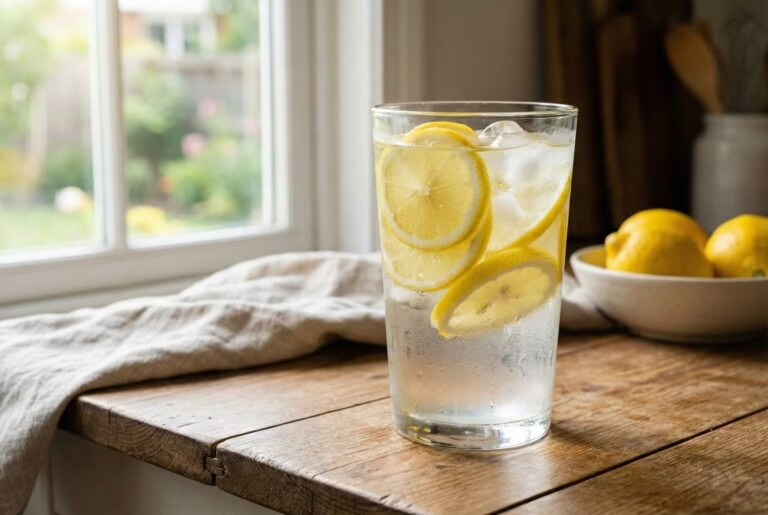
Lemon Water
A small amount of lemon added to warm water may stimulate digestive secretions.
Benefits:
- Supporting enzyme production
- Encouraging bile flow
- Promoting hydration
- Supporting liver function
Although lemon water does not dramatically change stomach acidity, it can support digestion indirectly through hydration and enzyme stimulation.
It is often viewed as part of the best way for food to digest when combined with balanced meals.
-
Buttermilk
Traditional buttermilk contains beneficial bacteria that support gut health.
Its advantages include:
- Introducing good bacteria in digestive system
- Supporting nutrient absorption
- Reducing acidity
- Keeping the stomach healthy
Probiotic beverages contribute to microbial balance. When gut bacteria are balanced, digestion improves naturally.
Buttermilk is particularly helpful after spicy or heavy meals.
-
Fennel Seed Water
Fennel seeds contain natural compounds that relax intestinal muscles and reduce gas formation.
Benefits:
- Reducing bloating
- Supporting smooth digestion
- Relieving mild cramps
- Encouraging comfortable digestion
Soaking fennel seeds in warm water and drinking the infusion after meals can help those prone to digestive discomfort.
- Green Tea
Green tea contains antioxidants and mild caffeine, which may stimulate digestive activity.
Potential effects:
- Supporting fat metabolism
- Enhancing gastric motility
- Providing antioxidant protection
- Supporting metabolic health
While green tea can be beneficial, excessive caffeine may irritate sensitive stomachs.
Moderation is key.
-
Cumin Water
Cumin has traditionally been used to stimulate digestive enzyme activity.
Its benefits may include:
- Supporting enzyme secretion
- Reducing gas formation
- Enhancing nutrient absorption
- Improving overall digestive comfort
For individuals asking how speed up digestion gently, cumin water may provide mild support.
Drinks to Avoid Immediately After Meals
Not all beverages support digestion.
Drinks that may interfere include:
- Carbonated beverages, which increase bloating
- Excessive alcohol, which irritates the stomach lining
- Large quantities of cold drinks
- Sugary beverages that disrupt gut bacteria balance
These drinks may slow digestion or contribute to discomfort.
Can You Speed Up Digestion Safely?
Digestion should not be forced. Extremely rapid gastric emptying can cause discomfort and nutrient absorption issues.
The goal is balanced digestion, not excessive speed.
Ways to support natural digestive rhythm:
- Eat slowly
- Chew thoroughly
- Avoid overeating
- Stay hydrated
- Walk gently after meals
Drinks can complement these habits, but they are not substitutes for mindful eating.
The Role of Gut Bacteria
The digestive system contains trillions of microbes that influence nutrient absorption, immunity, and metabolism.
To support good bacteria in digestive system:
- Include fermented beverages such as buttermilk
- Eat fiber-rich foods
- Avoid excessive sugar
- Stay hydrated
Balanced gut flora supports long-term digestive comfort.
Best Food for Improve Digestion
While drinks help, food choices matter even more.
Foods that help you digest include:
- Yogurt with live cultures
- Leafy greens
- Whole grains
- Papaya
- Pineapple
- Fermented vegetables
Combining these foods with supportive beverages enhances digestive efficiency.
Hydration and Stomach Health
Hydration plays a crucial role in keeping the stomach healthy.
Adequate fluid intake:
- Supports enzyme function
- Maintains mucus lining in the stomach
- Promotes smooth bowel movements
- Prevents constipation
Small sips of warm water after meals can support digestion without overwhelming the stomach.
How to Choose the Right Drink for Your Body
Digestive responses vary.
Some individuals may benefit from ginger tea, while others respond better to peppermint or plain warm water.
Consider:
- Presence of bloating
- Sensitivity to caffeine
- Acid reflux symptoms
- Overall hydration levels
Listening to the body helps determine the most suitable drink after meal to help digestion.
Gentle Post-Meal Routine for Better Digestion
A simple digestive-support routine may include:
- Eating slowly
- Drinking a small cup of warm herbal tea
- Walking for 10 minutes
- Avoiding lying down immediately
This routine supports natural digestive rhythm.
Long-Term Strategies to Improve Digestion
Digestive health depends on consistent habits.
To improve digestion over time:
- Maintain regular meal timing
- Include fiber-rich foods
- Stay physically active
- Manage stress
- Sleep adequately
Stress reduction is especially important, as stress hormones can slow digestive function.
Final Thoughts
Choosing the right drink after meal to help digestion can make a noticeable difference in comfort and digestive efficiency. Warm water, ginger tea, peppermint tea, lemon water, buttermilk, fennel water, green tea, and cumin water all offer potential benefits.
The best way for food to digest involves balanced meals, proper hydration, mindful eating, and healthy gut bacteria. While no drink alone can solve digestive issues, consistent supportive choices help maintain long-term stomach health.
Digestive wellness is built through daily habits. Small changes, such as selecting the right post-meal beverage, can support nutrient absorption, reduce discomfort, and keep the stomach healthy over time.