
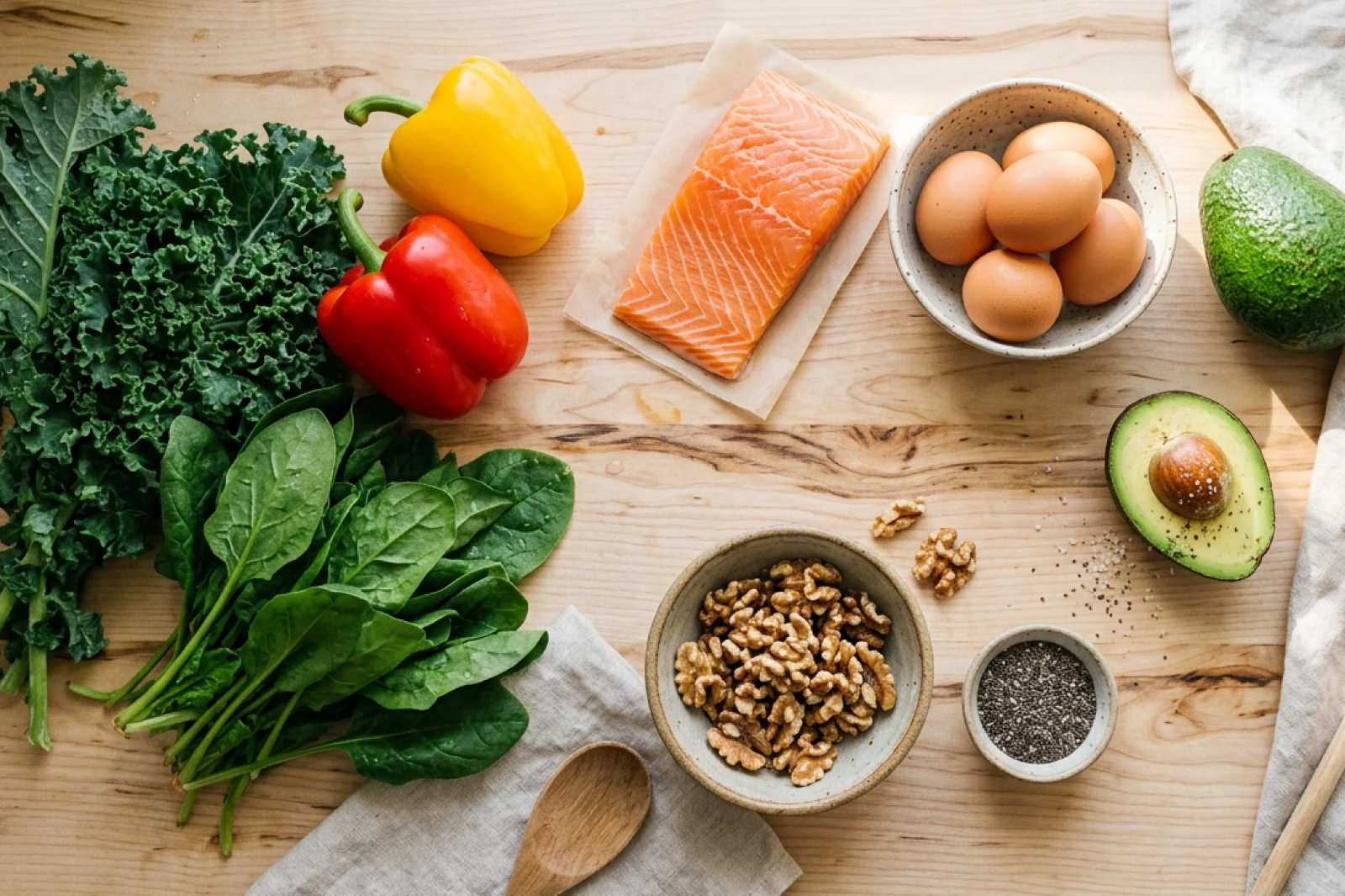
If losing weight feels impossible with PCOS, insulin resistance is likely the reason.
It is not a lack of willpower. It is biology. Your body is producing insulin that your cells are not responding to properly — and that one problem drives a cascade of other symptoms that make PCOS significantly harder to manage.
The encouraging part? What you eat every single day has a direct, measurable effect on insulin resistance. The right foods help your cells respond better to insulin, which lowers androgen levels, supports more regular ovulation, and makes managing your weight genuinely easier.
This guide covers exactly what to eat for PCOS insulin resistance — and why each choice matters.
What Is Insulin Resistance and Why Does It Drive PCOS?
Insulin is a hormone your pancreas releases after you eat. Its job is to help your cells absorb glucose from the bloodstream for energy.
When you have insulin resistance, your cells stop responding efficiently to that signal. Your pancreas compensates by producing more and more insulin. Those chronically elevated insulin levels create a serious problem for PCOS.
High insulin directly signals your ovaries to produce more androgens — the hormones responsible for acne, excess hair growth, hair thinning, and irregular periods. More androgens disrupt ovulation further. Disrupted ovulation worsens hormonal imbalance. And the cycle continues.
Research suggests that up to 70% of women with PCOS have some degree of insulin resistance — even those who are not over-weight. This is why insulin sensitivity is not just a weight management issue. It is the central hormonal issue for most women with PCOS.
Improving insulin sensitivity through diet does not just help with weight. It reduces androgen production, supports more regular ovulation, and improves many of the most frustrating PCOS symptoms from the inside out.
For a complete understanding of how PCOS and insulin resistance are connected, read our full PCOS symptoms, causes, and treatment guide.
The Three Principles Behind Every Meal in This Guide
Before listing specific foods, it helps to understand the three principles that every PCOS insulin resistance meal should follow.
Principle 1 — Slow the glucose release. Every meal should include foods that digest slowly, preventing sharp blood sugar spikes that trigger insulin surges.
Principle 2 — Combine protein, fiber, and fat together. Eating these three together at every meal is the single most effective way to keep blood sugar stable throughout the day.
Principle 3 — Reduce the foods that spike insulin fastest. Refined sugars, white flour products, and sugary drinks create rapid glucose spikes that drive the very insulin problems PCOS already struggles with.
Everything in this guide builds on these three principles.
If you are interested in learning more about the PCOS meal plan, then check our detailed guide: 7-Day PCOS Meal Plan for Beginners (Free + Easy)
The Best Foods to Eat for PCOS Insulin Resistance
High-Fiber Vegetables
Non-starchy vegetables are the foundation of a PCOS-friendly plate. They are packed with fiber, which slows glucose absorption and prevents blood sugar spikes. They also feed the beneficial gut bacteria that play a direct role in insulin sensitivity and hormone metabolism.
Best choices:
- Broccoli and broccolini
- Spinach and kale
- Cauliflower
- Bell peppers (all colors)
- Zucchini and courgette
- Cucumber
- Cabbage and Brussels sprouts
- Asparagus
- Green beans
- Swiss chard
Aim to fill at least half your plate with these vegetables at every lunch and dinner. The fiber content does real work — slowing digestion, reducing post-meal insulin spikes, and keeping you full for longer.
Lean Proteins
Protein has a minimal impact on blood sugar compared to carbohydrates. It slows digestion, stabilizes blood glucose, keeps you fuller for longer, and supports lean muscle mass — which itself improves insulin sensitivity.
Eating protein at every meal is one of the most consistent and well-supported dietary recommendations for PCOS insulin resistance.
Best protein sources:
- Eggs (whole eggs, not just whites)
- Chicken breast and turkey
- Salmon, sardines, and mackerel
- Tuna (fresh or canned in water)
- White fish like cod and tilapia
- Tofu and tempeh
- Lentils and chickpeas
- Black beans and kidney beans
- Greek yogurt (unsweetened)
- Cottage cheese
Plant-based proteins like lentils and chickpeas offer the added benefit of being high in fiber alongside protein — making them especially valuable for PCOS insulin resistance management.
Low-Glycemic Carbohydrates
Carbohydrates are not the enemy for PCOS. The type of carbohydrate matters enormously.
High-glycemic carbohydrates — white bread, white rice, regular pasta, sugary cereals — digest rapidly and cause sharp blood sugar spikes. These are particularly problematic for insulin-resistant PCOS.
Low-glycemic carbohydrates digest slowly. Blood sugar rises gradually. Insulin response stays modest and controlled.
Best low-glycemic carbohydrate choices:
- Oats (rolled or steel-cut, not instant)
- Quinoa
- Brown rice
- Sweet potatoes
- Barley
- Whole grain bread
- Whole wheat pasta (in moderate portions)
- Lentils and legumes (double as protein)
A practical rule: swap anything white and refined for a whole grain or legume alternative, and always combine that carbohydrate with protein and fat in the same meal.
Healthy Fats
Dietary fat does not cause insulin resistance. The right fats actively support it.
Healthy fats slow digestion and glucose absorption, reduce inflammation, support hormone production, and improve satiety — meaning you eat less overall without feeling deprived.
Best sources of healthy fat for PCOS:
- Avocado and avocado oil
- Extra virgin olive oil
- Almonds, walnuts, and pistachios
- Chia seeds and flaxseeds
- Pumpkin seeds
- Fatty fish (salmon, sardines, mackerel)
- Coconut oil in moderate amounts
Omega-3 fatty acids deserve special mention. Found in fatty fish, chia seeds, flaxseeds, and walnuts, omega-3s reduce the chronic low-grade inflammation that worsens insulin resistance in PCOS. Aim for fatty fish at least twice per week.
Specific Foods With Extra Insulin-Sensitizing Benefits
Some foods do more than just avoid blood sugar spikes — they actively help improve how your cells respond to insulin.
Cinnamon: Several studies suggest cinnamon may improve insulin sensitivity and lower fasting blood sugar. Add half a teaspoon to oats, smoothies, or yogurt daily.
Apple cider vinegar: A small amount before meals (diluted in water) may reduce post-meal blood sugar spikes by slowing gastric emptying. The evidence is modest but worth knowing about.
Berries: Blueberries, strawberries, raspberries, and blackberries are low in sugar relative to other fruits and extremely high in antioxidants. Research specifically links blueberry consumption to improved insulin sensitivity.
Green tea: Contains EGCG — a compound shown in studies to improve insulin sensitivity and reduce androgen levels. Two cups daily is a practical target.
Spearmint tea: Beyond its well-documented androgen-lowering effects, spearmint tea supports overall hormonal balance, which indirectly supports better insulin regulation.
How to Structure Every Meal for PCOS Insulin Resistance
Understanding which foods help is useful. Knowing how to combine them at every meal is where results actually come from.
The PCOS Plate Formula
Every meal should follow this structure:
- Half the plate — non-starchy vegetables (spinach, broccoli, cauliflower, peppers, cucumber)
- Quarter of the plate — lean protein (chicken, fish, eggs, tofu, legumes)
- Quarter of the plate — low-glycemic carbohydrate (quinoa, sweet potato, brown rice, oats)
- A small amount — healthy fat (olive oil drizzle, avocado slices, handful of nuts, seeds)
This combination at every meal keeps blood sugar stable, insulin controlled, and hunger genuinely managed — not suppressed, but regulated.
Never Eat Carbohydrates Alone
This is one of the most impactful single changes you can make.
Eating carbohydrates without protein or fat causes a faster, sharper blood sugar spike. A piece of white toast alone. A banana on its own. A bowl of cereal without Greek yogurt.
The same carbohydrate eaten alongside protein and fat digests significantly more slowly. The glucose release is steadier. The insulin response is smaller.
Practical examples:
- Toast → toast with eggs and avocado
- Banana → banana with almond butter
- Oats → oats with Greek yogurt, chia seeds, and berries
- Brown rice → brown rice with salmon and roasted vegetables
Sample Day of Eating for PCOS Insulin Resistance
Here is what a practical, balanced day looks like in real food terms.
Breakfast
Scrambled eggs with spinach and mushrooms on whole grain toast, served with a side of Greek yogurt topped with blueberries and a sprinkle of cinnamon
Morning Snack
A small handful of walnuts and an apple
Lunch
Grilled salmon over a large salad of mixed greens, cherry tomatoes, cucumber, and avocado, dressed with extra virgin olive oil and lemon. A small portion of quinoa on the side.
Afternoon Snack
Sliced cucumber and carrot sticks with hummus, and a cup of green or spearmint tea
Dinner
Baked chicken with roasted broccoli, cauliflower, and sweet potato, drizzled with olive oil and seasoned with garlic and turmeric
Evening (if needed)
A small bowl of chia pudding made with unsweetened almond milk, topped with a few raspberries
Notice the pattern across the entire day — protein appears at every meal, vegetables fill a large portion of each plate, carbohydrates are always low-glycemic, and no meal contains carbohydrates alone.
Foods to Reduce for PCOS Insulin Resistance
Knowing what to eat matters. Knowing what to pull back on matters equally.
These foods cause the fastest and sharpest insulin spikes — the exact problem you are trying to address:
- White bread, white rice, and regular pasta
- Sugary breakfast cereals and granola with added sugar
- Candy, pastries, cakes, and biscuits
- Sugary drinks — sodas, fruit juices, energy drinks, sweetened coffees
- Processed snack foods — chips, crackers made with refined flour, flavored rice cakes
- Fast food eaten regularly
- Excess alcohol — which disrupts blood sugar regulation and liver function simultaneously
You do not need to eliminate these perfectly. Consistent reduction over weeks and months produces real hormonal improvement — one better choice at a time.
Meal Timing and Eating Habits That Support Insulin Sensitivity
What you eat matters. When and how you eat also has an effect on insulin response.
Do not skip breakfast. Skipping breakfast creates a longer fasting period, which can lead to stronger blood sugar spikes when you do eat. A protein-rich breakfast sets your blood sugar up for a more stable day.
Eat every three to four hours. Going too long between meals causes blood sugar to drop, followed by cravings for quick energy — usually sugar or refined carbohydrates. Regular balanced meals prevent that cycle.
Eat slowly and without distraction. Eating quickly reduces the body’s ability to register satiety signals properly, which often leads to overeating. Slower eating also reduces the speed at which food is processed, slightly blunting glucose response.
Consider the order you eat food within a meal. Some research suggests that eating vegetables first, then protein, then carbohydrates within a meal reduces the post-meal glucose spike compared to eating carbohydrates first. Not essential, but worth knowing.
Lifestyle Habits That Work Alongside Diet
Diet is the most powerful dietary lever for PCOS insulin resistance — but it works best when combined with a few key lifestyle habits.
Resistance training: Muscle tissue is one of the primary sites where insulin-stimulated glucose uptake happens. More lean muscle mass means better insulin sensitivity. Even two to three sessions of strength training per week produces measurable improvements.
Walking after meals: A short ten to fifteen minute walk after eating has been shown to meaningfully reduce post-meal blood sugar spikes. It does not need to be intense — just movement.
Sleep: Poor sleep significantly worsens insulin resistance. Even one night of poor sleep measurably increases fasting insulin the next day. Protecting seven to nine hours of quality sleep is not optional for PCOS insulin resistance management.
Stress management: Chronic stress raises cortisol, which directly worsens insulin resistance. Deep breathing, yoga, journaling, or simply spending time outdoors all help regulate the cortisol response that compounds insulin problems in PCOS.
Final Thoughts
Insulin resistance is not something you simply have to accept because you have PCOS.
It responds to diet, responds to movement and responds to sleep and stress management. The changes do not have to be dramatic or perfect — they have to be consistent.
Start with the basics. Add protein to every meal. Swap refined carbohydrates for low-glycemic alternatives. Fill half your plate with vegetables. Reduce sugary drinks. Walk after meals when you can.
These changes do not cure PCOS. But done consistently over weeks and months, they create a genuinely different hormonal environment — lower insulin, lower androgens, more regular ovulation, and symptoms that are noticeably easier to manage.
For the full picture of PCOS causes, types, and treatment options, visit our complete PCOS guide.
This article is for informational purposes only and does not replace medical advice. Speak with your doctor or a registered dietitian for personalized guidance.
FAQs
Q1. What is the best diet for PCOS insulin resistance?
A diet built around lean proteins, high-fiber vegetables, low-glycemic carbohydrates, and healthy fats is the most effective approach. This combination stabilizes blood sugar, reduces insulin spikes, and lowers the androgen production that drives most PCOS symptoms.
Q2. Does eating low-carb help with PCOS insulin resistance?
Reducing refined carbohydrates helps significantly. You do not need to eliminate all carbohydrates, but consistently choosing low-glycemic options like quinoa, oats, sweet potato, and legumes over white bread, white rice, and sugary foods produces meaningful improvements in insulin sensitivity.
Q3. What should I eat for breakfast if I have PCOS insulin resistance?
A high-protein breakfast is the most important meal of the day for PCOS insulin resistance. Eggs with vegetables, Greek yogurt with berries and chia seeds, or oats with protein powder and nuts all stabilize blood sugar from the start of the day and prevent the mid-morning energy crash that drives sugar cravings.
Q4. Is fruit safe to eat with PCOS insulin resistance?
Yes, whole fruit is generally fine for PCOS because its fiber slows sugar absorption. Berries, apples, pears, and kiwi are particularly good choices due to their lower sugar content and high antioxidant levels. Avoid fruit juices, which remove fiber and cause much faster blood sugar spikes than whole fruit.
Q5. How long does it take for diet changes to improve PCOS insulin resistance?
Most women notice some improvement in energy levels and sugar cravings within two to four weeks of consistent dietary changes. More significant hormonal improvements — including more regular periods and measurable reductions in fasting insulin — typically take two to three months of sustained effort.
Q6. Should I count calories to manage PCOS insulin resistance?
Calorie counting is not necessary for most women with PCOS. Focusing on food quality — protein, fiber, healthy fats, and low-glycemic carbohydrates at every meal — naturally regulates appetite and reduces overeating without requiring obsessive tracking. What you eat matters more than exactly how much.