Categories
PCOS

How to Track Ovulation With PCOS

If you have PCOS, tracking ovulation can feel like solving a puzzle with missing pieces. Your cycles may be irregular. Your hormones don’t always follow the “textbook” pattern. And popular tracking apps often assume a 28-day cycle that just doesn’t apply to you.

Here’s the good news: ovulation tracking with PCOS is still possible. It just takes a slightly different approach, and often, a combination of methods rather than just one.

A quick note before we start: PCOS is now officially called PMOS, or Polyendocrine Metabolic Ovarian Syndrome. A global panel of experts renamed the condition to better reflect its hormonal and metabolic nature, not just its effect on the ovaries. You’ll still see “PCOS” used everywhere, including in this article, since the term is familiar and still widely used in daily life and medical records.

Why Ovulation Tracking Is Harder With PCOS

PCOS disrupts the normal hormonal signals that trigger ovulation. This makes predicting your fertile window more complicated than it is for someone with regular 28-day cycles.

Here’s what typically gets in the way:

  • Irregular or absent periods make it hard to know when to even start tracking.
  • Elevated LH (luteinizing hormone) can stay high throughout the cycle, not just before ovulation.
  • Multiple false surges may show up on ovulation predictor kits.
  • Anovulatory cycles (cycles without ovulation) happen more often.

This doesn’t mean tracking is pointless. It means you need tools that look at more than one signal at a time.

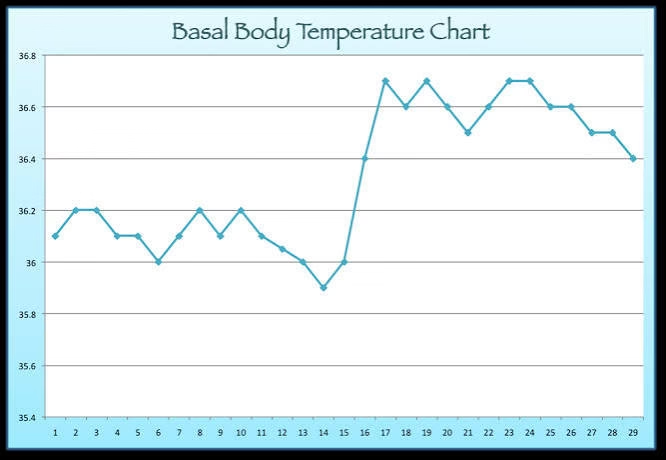
Method 1: Basal Body Temperature (BBT) Charting

Basal body temperature is your body’s temperature at complete rest, first thing in the morning. It rises slightly after ovulation due to a jump in progesterone.

How to Do It

  1. Take your temperature every morning before getting out of bed.
  2. Use a basal thermometer for accurate, small changes.
  3. Record it at the same time each day, ideally within a 30-minute window.
  4. Plot it on a chart or app to see the pattern over time.

A sustained rise of about 0.5 to 1 degree Fahrenheit that lasts several days usually confirms ovulation already happened.

Why It Helps With PCOS

BBT charting doesn’t rely on LH levels, so it avoids the false-positive problem common with ovulation predictor kits. It confirms ovulation after the fact, which is still valuable for understanding your pattern over several months.

The downside is that BBT tells you ovulation happened, not that it’s about to happen. It works best combined with another method for real-time prediction.

Method 2: Cervical Mucus Monitoring

Your cervical mucus changes throughout your cycle in response to estrogen. Tracking these changes can help you spot your fertile window as it approaches, not just after it’s gone.

What to Look For

  • Dry or minimal mucus right after your period ends.
  • Sticky or tacky mucus as estrogen starts rising.
  • Creamy, white mucus in the days building up to ovulation.
  • Clear, stretchy, egg-white-like mucus near peak fertility.

This egg-white stage is your body’s most fertile sign. It usually appears one to two days before ovulation.

Tips for Women With PCOS

Women with PCOS sometimes experience mucus patterns that are less predictable or that show fertile-quality mucus without ovulation actually occurring. Because of this, cervical mucus is best used alongside BBT charting or ultrasound monitoring, not alone.

Method 3: Ovulation Predictor Kits (With Caution)

Standard ovulation predictor kits (OPKs) detect a surge in LH, which normally happens 24 to 36 hours before ovulation. The problem for PCOS is that baseline LH levels are often already elevated, which can trigger repeated false positives.

How to Use OPKs More Accurately With PCOS

  1. Test at the same time every day, ideally in the afternoon or evening.
  2. Track your results over a few months to identify your personal baseline.
  3. Look for a clear spike above your usual baseline, not just any positive line.
  4. Combine results with BBT or mucus tracking to confirm a real surge.
  5. Consider digital OPKs, which sometimes read subtle changes more clearly than test strips.

If you consistently get positive results for many days in a row, this may reflect a persistently elevated LH level rather than an actual ovulation surge. This is common in PCOS and worth mentioning to your doctor.

Method 4: Ultrasound Monitoring

For a more precise picture, some doctors use transvaginal ultrasounds to track follicle growth directly. This is often used when trying to conceive, especially alongside fertility medications like letrozole or clomiphene.

Ultrasounds can show:

  • The size and number of developing follicles.
  • Whether a dominant follicle is maturing.
  • Signs that ovulation has occurred, based on follicle collapse.

This method is more accurate than at-home tools, but it requires clinic visits and is usually reserved for active fertility treatment cycles rather than everyday tracking.

Method 5: Blood Progesterone Testing

A blood test measuring progesterone levels, usually done about a week after suspected ovulation, can confirm whether ovulation actually happened. Progesterone rises significantly after an egg is released.

This test is typically ordered by a doctor, often alongside other fertility monitoring. It’s especially useful if your cycles are irregular enough that timing home tests feels like guesswork.

Combining Methods for Better Accuracy

No single method is perfect for PCOS on its own. Combining two or three approaches gives a clearer, more reliable picture.

A practical combination many women use:

  • BBT charting every morning to confirm ovulation after it happens.
  • Cervical mucus tracking to catch the approaching fertile window.
  • OPKs, interpreted carefully, as a secondary confirmation signal.

Over a few months, this combination helps you understand your personal pattern, even if your cycles vary in length.

Tracking Cycle Length, Even When Irregular

Even without a predictable ovulation date, tracking cycle length still gives useful information. Note the first day of each period, and count the days until the next one starts.

Over several months, you may notice:

  • A range your cycles tend to fall within, even if inconsistent.
  • Seasonal or lifestyle patterns affecting cycle length.
  • Whether cycles are shortening or lengthening over time.

This data is genuinely useful to bring to a doctor’s appointment. It helps them understand your baseline before recommending next steps.

Lifestyle Factors That Affect Your Tracking Signals

Your daily habits can shift your ovulation signals, sometimes in confusing ways. Knowing this helps you read your data more accurately.

Sleep and Stress

Poor sleep and high stress raise cortisol levels. This can delay ovulation or throw off your BBT readings entirely. A late night out or a stressful week can show up as a temperature blip that has nothing to do with your cycle.

Illness and Alcohol

A cold, fever, or even a late-night glass of wine can raise your basal body temperature the next morning. Note these events on your chart so you don’t mistake them for ovulation.

Travel and Time Zone Changes

Traveling across time zones can shift when you take your temperature, which affects accuracy. Try to keep your testing time as consistent as possible, even while traveling.

Weight Changes

Both significant weight loss and weight gain can affect hormone levels and, in turn, ovulation patterns. This is particularly relevant for insulin-resistant PCOS, where even modest weight changes can shift cycle regularity.

Medications and Supplements

Metformin, inositol, and hormonal birth control can all influence your cycle and your tracking signals. If you start or stop a medication, expect a few months of adjustment before your patterns stabilize again.

Keeping a simple log alongside your tracking data, noting sleep, stress, illness, or medication changes, makes it much easier to separate real ovulation signals from noise.

When Tracking Alone Isn’t Enough

If you’ve been tracking for several months and still can’t pinpoint ovulation, or you’re not seeing consistent signs of ovulation at all, it’s worth talking to a doctor or fertility specialist.

This is especially important if:

  • You’re trying to conceive and haven’t had success after several months.
  • Your periods are absent or extremely irregular.
  • You suspect anovulatory cycles are happening regularly.
  • You want to explore medication options like letrozole to support ovulation.

Doctors can combine bloodwork, ultrasounds, and your tracking history to build a much clearer picture than any app or kit alone.

A Few Realistic Expectations

Tracking ovulation with PCOS takes patience. Some months your signs may be clear. Other months, they may be confusing or absent altogether. This is common, and it doesn’t mean something is wrong with your effort.

Give yourself several cycles before expecting a clear pattern to emerge. Small inconsistencies are normal, not a sign of failure.

Final Thoughts

Tracking ovulation with PCOS (now also known as PMOS) is rarely a one-tool job. BBT charting, cervical mucus tracking, careful OPK use, and occasional medical testing all add pieces to the puzzle. Used together, and given a few months of consistent effort, they can give you a genuinely useful picture of your cycle, even when it doesn’t follow a textbook pattern.

If you’re actively trying to conceive, pairing your own tracking with support from a doctor gives you the most complete and reliable path forward.

This content is for informational purposes only and does not constitute medical advice. Always consult a qualified healthcare provider for diagnosis and treatment.


FAQs

Can you track ovulation with PCOS using regular apps?

Standard cycle apps often assume a 28-day cycle, which doesn’t fit most PCOS patterns. They can still help with logging symptoms, but they shouldn’t be your only tracking tool.

Why do ovulation predictor kits give false positives with PCOS?

PCOS often causes chronically elevated LH levels, not just a short pre-ovulation surge. This can trigger repeated positive results that don’t reflect actual ovulation.

What is the most reliable way to confirm ovulation with PCOS?

A blood progesterone test, done about a week after suspected ovulation, is one of the most reliable confirmations. BBT charting is a helpful at-home alternative.

How long should I track before expecting a clear pattern?

Most women need at least 2 to 3 months of consistent tracking before a pattern starts to emerge, especially with irregular PCOS cycles.

Is PMOS the same condition as PCOS?

Yes. PMOS, or Polyendocrine Metabolic Ovarian Syndrome, is the new name for PCOS following a global expert consensus. The diagnosis and condition itself have not changed.

Categories
PCOS

PCOS and Irregular Periods: How to Regulate Them Naturally

Missed periods. Unpredictable cycles. Never knowing when your period will show up. If this sounds familiar, you’re probably dealing with PCOS. Let’s talk about how to regulate your periods naturally.

Quick note: PCOS is now officially called PMOS, or Polyendocrine Metabolic Ovarian Syndrome. Both names refer to the same condition, so we’ll use them interchangeably here.

Why Does PCOS Cause Irregular Periods?

Your period depends on regular ovulation. PCOS often disrupts that process, throwing your whole cycle off balance.

Higher androgen levels and insulin resistance are usually behind this. Together, they interfere with the hormonal signals your ovaries need.

If you want a deeper look at what causes PCOS, check out our complete guide to PCOS symptoms, causes, and treatment. This article focuses specifically on regulating your cycle.

What Counts as “Irregular” Anyway?

Cycles naturally vary a little from month to month. But PCOS-related irregularity looks different.

  • Periods that skip months entirely
  • Cycles shorter than 21 days or longer than 35 days
  • Very heavy or very light bleeding
  • Unpredictable timing you can’t track easily

If this matches your experience, natural regulation strategies can genuinely help.

Does Your PCOS Type Affect Your Cycle?

PCOS shows up differently depending on the underlying pattern. Knowing your type can guide which changes help most.

  • Insulin-resistant PCOS often responds well to blood sugar-focused changes
  • Inflammatory PCOS may improve with anti-inflammatory foods and stress reduction
  • Post-pill PCOS sometimes resolves on its own within several months
  • Adrenal PCOS usually responds best to stress and cortisol management

A doctor can help identify your pattern through blood work. This makes your regulation plan more targeted and effective.

Track Your Cycle Before You Start

Before making changes, get a baseline. Tracking helps you see what’s actually happening with your body.

Use a period-tracking app designed for irregular cycles. Note symptoms too, like cramping, mood changes, or spotting.

This data helps you and your doctor spot patterns over time. It also shows you whether your changes are actually working.

Common Triggers That Worsen Irregular Cycles

Certain habits can make PCOS symptoms worse without you realizing it. Spotting these early helps your regulation efforts work better.

  • Skipping meals or extreme calorie restriction
  • Overtraining without enough recovery time
  • Chronic lack of sleep over long periods
  • High, unmanaged stress levels for weeks at a time
  • Sudden, drastic diet changes instead of gradual ones

Avoiding these triggers won’t fix everything alone. But it removes obstacles that work against your other efforts.

Natural Ways to Regulate Periods With PCOS

Let’s get into the practical stuff. These strategies target the root causes behind irregular cycles.

  1. Focus on Blood Sugar Balance

Insulin resistance plays a huge role in PCOS. Balancing blood sugar often helps regulate your cycle naturally.

  • Eat protein with every meal, not just carbs alone
  • Choose whole grains over refined ones
  • Avoid sugary drinks and snacks when possible
  • Don’t skip meals, since this can spike blood sugar later

Foods that may worsen blood sugar spikes:

  • White bread, pastries, and refined baked goods
  • Sugary sodas and sweetened coffee drinks
  • Fried and heavily processed snack foods
  • Candy and desserts high in refined sugar

Small, consistent choices matter more than occasional perfect days. Aim for progress, not perfection here.

  1. Manage Your Weight, If Needed

Weight isn’t the whole story, but it matters for many women with PCOS. Losing even a small percentage of body weight can help.

This isn’t about achieving an “ideal” body size. It’s about reducing excess insulin and androgen levels in your system.

Even women at a moderate weight can see benefits from small metabolic improvements. Focus on what your body needs, not a number on a scale.

Talk to a doctor or dietitian about a realistic, sustainable plan. Crash diets usually backfire and worsen hormone balance.

  1. Move Your Body Regularly

Exercise improves insulin sensitivity, even without dramatic weight loss. This directly supports more regular ovulation.

Aim for a mix of options:

  • Strength training two to three times a week
  • Walking or light cardio most days
  • Yoga or stretching for stress relief
  • Any movement you actually enjoy and can stick with

Consistency beats intensity. A daily 20-minute walk often helps more than occasional intense workouts.

Avoid overtraining, though. Too much intense exercise without recovery can actually raise stress hormones and worsen symptoms.

  1. Prioritize Sleep

Poor sleep worsens insulin resistance and stress hormones. Both directly affect your cycle regularity.

Aim for seven to nine hours most nights. Try keeping a consistent sleep and wake time, even on weekends.

Limit screens before bed if you can. Small sleep improvements often show up in cycle changes within a few months.

  1. Manage Stress Levels

Chronic stress raises cortisol, which can disrupt your reproductive hormones. This makes irregular cycles even more unpredictable.

  • Try short daily relaxation practices, like deep breathing
  • Consider journaling to process stressful thoughts
  • Schedule regular breaks, even short ones, during busy days
  • Reach out for support when stress feels overwhelming

Stress management isn’t a luxury here. It’s a real part of hormone regulation.

  1. Consider Specific Supplements

Some supplements show promise for PCOS symptom management. Always check with your doctor before starting anything new.

Commonly discussed options include:

  • Inositol, which may support insulin sensitivity
  • Vitamin D, especially if you’re deficient
  • Omega-3 fatty acids for inflammation support
  • Magnesium for overall hormone balance

Supplements work best alongside diet and lifestyle changes. They’re not a replacement for the basics.

Give any supplement at least two to three months before judging results. Hormonal changes take time to show up consistently.

How Long Does Natural Regulation Take?

Patience matters here. Hormonal changes don’t happen overnight, even with consistent effort.

Many women notice initial changes within three months. Full cycle regulation can take six months to a year in some cases.

Track your progress monthly instead of daily. Small shifts, like slightly shorter gaps between periods, count as real progress.

Signs Your Efforts Are Working

Progress doesn’t always look like a perfectly regular cycle right away. Watch for these smaller signs first.

  • Shorter gaps between missed periods
  • More predictable symptoms before your period
  • Improved energy levels throughout the month
  • Clearer skin or reduced acne over time
  • Better sleep quality most nights

Celebrate these smaller wins. They usually show up before your cycle becomes fully regular.

When to See a Doctor

Natural methods help many women, but they’re not a cure-all for everyone. See a doctor if:

  1. You haven’t had a period in three months or longer
  2. Your bleeding is unusually heavy or painful
  3. You’re trying to conceive without success
  4. Lifestyle changes haven’t helped after six months

A doctor can check hormone levels and rule out other conditions. They can also discuss medication options if needed.

Medical Options That Support Natural Regulation

Sometimes lifestyle changes need extra support. This doesn’t mean starting over, just adding more tools.

  • Birth control pills to regulate cycles temporarily
  • Metformin for insulin resistance management
  • Anti-androgen medication for related symptoms
  • Regular monitoring to track hormone changes over time

These options often work well alongside the natural strategies above. Your doctor can help you figure out the right combination.

Combining Natural and Medical Approaches

Many women assume it’s an either-or choice. In reality, combining both often works better than either alone.

For example, birth control pills regulate bleeding while you work on insulin sensitivity through diet. Once you stop the pill, your improved lifestyle habits support more natural regularity.

This combined approach isn’t a shortcut or a failure. It’s simply using every tool available to support your body.

Common Myths About PCOS and Periods

Misinformation makes this journey harder than it needs to be. Let’s clear up a few common myths.

  • Myth: You need a “perfect” diet to see results. Consistent, small changes work better than extreme diets.
  • Myth: Only weight loss can fix irregular periods. Many normal-weight women have PCOS too, and still see improvement with other changes.
  • Myth: Irregular periods aren’t a big deal. Left unmanaged, they can affect long-term health, so they’re worth addressing.
  • Myth: Supplements alone will fix everything. They support, but don’t replace, core lifestyle changes.

Understanding what’s actually true helps you focus your energy where it matters most. Reliable information saves you time and unnecessary worry.

Final Thoughts

Regulating your periods with PCOS takes time, patience, and consistency. Small, sustainable changes usually beat drastic ones.

Track your progress, be kind to yourself, and loop in a doctor when needed. Your body responds well to steady, realistic effort over time.

Every woman’s PCOS journey looks a little different. What works for someone else might need adjusting for you, and that’s completely normal.

FAQs

  1. Can PCOS periods become regular naturally?

Yes, many women see improvement through diet, exercise, and stress management within a few months.

  1. How long does it take to regulate periods with PCOS?

It varies. Some notice changes in three months, others need six months to a year.

  1. Does weight loss always help regulate PCOS periods?

It often helps, but not everyone with PCOS is over-weight. Other lifestyle factors matter too.

  1. What foods help regulate periods with PCOS?

Whole grains, lean protein, and fiber-rich foods help balance blood sugar and support hormone regulation.

  1. When should I see a doctor about irregular periods?

See a doctor if you miss periods for three months or more, or if lifestyle changes aren’t helping.

Categories
PCOS

Can You Get Pregnant With PCOS? Your Chances Explained

If you have PCOS, you probably worry about getting pregnant. It’s one of the most common questions doctors hear. The good news? Pregnancy is very possible with PCOS. This guide walks you through your real chances, what affects them, and how to boost your odds naturally.

A Quick Update: PCOS Has a New Name

Before we dive in, here’s something important. PCOS is now officially called PMOS, or Polyendocrine Metabolic Ovarian Syndrome. Global health experts made this change in 2026 after a decade-long review process published in The Lancet.

Why the change? The old name focused too much on ovarian cysts. But many women with this condition don’t even have cysts. The new name better reflects what’s really happening. It’s a hormonal and metabolic condition, not just an ovarian one.

This article uses PCOS and PMOS interchangeably, since PCOS is still the more familiar term. Both refer to the same condition.

Understanding PCOS and Fertility

PCOS affects how your ovaries work. It often causes irregular or missed periods. This happens because ovulation doesn’t occur regularly, or at all some months.

Ovulation is when your ovary releases an egg. No egg, no natural pregnancy that month. This is the main reason PCOS makes conceiving harder.

But irregular ovulation doesn’t mean no ovulation. Many women with PCOS still ovulate, just less predictably. Understanding your own cycle is the first step toward pregnancy.

If you’re new to PCOS or want a fuller picture of symptoms, causes, and treatment options, check out our detailed guide on PCOS: Symptoms, Causes, and Treatment Options. It covers the basics this article builds on.

How Is PCOS Diagnosed?

Doctors usually look for at least two of three key signs. These include irregular periods, higher androgen levels, and ovarian cysts on ultrasound.

Blood tests check hormone levels, including testosterone and insulin. An ultrasound checks your ovaries for follicles, though cysts alone don’t confirm PCOS.

Getting a clear diagnosis helps you and your doctor build the right fertility plan. It also rules out other conditions with similar symptoms.

Read our complete guide on How PCOS is Diagnosed?

Why PCOS Affects Ovulation

PCOS involves higher levels of androgens, sometimes called male hormones. It also often involves insulin resistance. Both of these can disrupt the hormonal signals your ovaries need to release eggs.

Higher insulin levels can push your ovaries to produce more androgens. This creates a cycle that makes regular ovulation difficult. Managing insulin levels often helps restore more regular cycles.

Do All Women With PCOS Have Fertility Issues?

No, not every woman with PCOS struggles to conceive. Some women ovulate regularly despite having the condition. Others notice irregular cycles only during certain periods of life.

PCOS shows up differently in each person. Some have very irregular periods. Others have mostly regular cycles with other symptoms, like acne or excess hair growth.

This is why doctors look at your specific symptoms, not just a general PCOS label. Two women with the same diagnosis can have very different fertility experiences.

Different Types of PCOS and What They Mean for You

Doctors often describe a few common patterns of PCOS. Knowing your pattern can help you understand your fertility picture better.

  • Insulin-resistant PCOS – linked to blood sugar issues and weight changes
  • Inflammatory PCOS – linked to chronic low-grade inflammation
  • Post-pill PCOS – symptoms that appear after stopping birth control
  • Adrenal PCOS – linked to stress hormones rather than insulin

Each type may respond differently to lifestyle changes or medication. A doctor can help identify which pattern fits you best.

What Are Your Real Chances of Getting Pregnant Naturally?

Here’s the honest answer: most women with PCOS can get pregnant naturally, especially with some support. It may take longer than average, but it’s far from impossible.

Studies show many women with PCOS conceive within a year or two of trying, particularly with lifestyle changes or mild medical support. Fertility specialists often see high success rates once ovulation becomes more regular.

Age plays a big role too. Women under 35 with PCOS generally have better natural conception odds than older women. Every case is different, so working with your doctor gives you the clearest picture.

Factors That Affect Your Odds

  • Your age and ovarian reserve
  • How often you ovulate naturally
  • Your weight and metabolic health
  • Insulin resistance levels
  • Any additional fertility factors, like partner’s sperm health

Common Myths About PCOS and Pregnancy

Misinformation about PCOS spreads fast, and it often adds unnecessary worry. Let’s clear up a few common myths.

  • Myth: PCOS means you can never get pregnant naturally. Most women with PCOS can conceive without IVF.
  • Myth: You need to lose a huge amount of weight first. Even small weight changes can restart ovulation.
  • Myth: Irregular periods mean zero ovulation. Many women with irregular cycles still ovulate occasionally.
  • Myth: PCOS pregnancies are always high risk. Many women with PCOS have healthy, uneventful pregnancies with proper care.

Believing these myths can add stress you don’t need. Talk to your doctor for accurate, personalized information instead.

How Do Success Rates Compare Across Approaches?

Every woman’s case looks different, but general patterns can help set expectations. These numbers vary by clinic and individual health factors.

  • Lifestyle changes alone often restore ovulation in many over-weight women with PCOS
  • Ovulation-inducing medication helps a large share of women ovulate within a few cycles
  • Combining medication with lifestyle changes often improves outcomes further
  • IUI and IVF offer additional options if simpler methods don’t lead to pregnancy

These are general trends, not guarantees. Your doctor can give you numbers based on your specific health profile.

Does Your Partner’s Health Matter Too?

Fertility isn’t only about you. Your partner’s sperm health also plays a role in how quickly you conceive.

If you’ve been trying for a while without success, suggest a semen analysis. This simple test rules out other factors that might be slowing things down.

Addressing both partners’ health together often leads to faster results. Fertility is almost always a two-person equation.

Natural Ways to Improve Your Fertility With PCOS

You have more control than you might think. Small, consistent changes can make a real difference in your ovulation and overall hormone balance.

  1. Manage Your Weight

Losing even 5 to 10 percent of body weight can restart ovulation for many women. This works by improving insulin sensitivity and lowering androgen levels.

You don’t need drastic diets. Small, sustainable changes work better long term. Talk to a doctor or dietitian about a realistic plan for you.

  1. Eat for Hormone Balance

Focus on whole foods, fiber, and lean protein. Cut back on refined sugar and processed carbs where you can. This helps stabilize insulin and blood sugar levels.

Some women find a lower-glycemic diet helps regulate their cycles. Foods like leafy greens, whole grains, and healthy fats support this approach.

To add more of:

  • Leafy greens like spinach and kale
  • Whole grains like quinoa and oats
  • Lean proteins like chicken, fish, and beans
  • Healthy fats like avocado, nuts, and olive oil
  • High-fiber fruits like berries and apples

To limit:

  • Sugary drinks and desserts
  • White bread and refined pasta
  • Fried and highly processed foods
  • Excess caffeine and alcohol

Small swaps, like whole grain bread instead of white, add up fast. You don’t have to overhaul everything overnight.

  1. Move Your Body Regularly

Exercise improves insulin sensitivity, even without major weight loss. Aim for a mix of cardio and strength training a few times a week.

You don’t need intense workouts. Walking, swimming, or yoga all count. Consistency matters more than intensity here.

  1. Track Your Ovulation

Since cycles can be irregular, tracking helps you find your fertile window. Ovulation predictor kits, basal body temperature, or cervical mucus tracking all help.

Apps designed for irregular cycles can also make this easier. This information helps you time intercourse for the best chance each month.

  1. Manage Stress and Sleep

Chronic stress affects your hormones, including those tied to ovulation. Poor sleep also worsens insulin resistance over time.

Simple habits like a consistent sleep schedule or short daily relaxation practices can help. Small changes add up over months.

Try setting a fixed bedtime, even on weekends. Limit screens an hour before sleep if you can. These small shifts support better hormone regulation over time.

  1. Consider Supplements With Guidance

Some women explore supplements like inositol, vitamin D, or omega-3s for PCOS support. Research suggests these may help with insulin sensitivity and cycle regularity.

Always check with your doctor before starting any supplement. Not every supplement suits every body, and dosage matters a lot.

Supplements work best alongside diet and lifestyle changes, not as a replacement for them. Think of them as one extra tool in your toolkit.

When to See a Fertility Specialist

Give natural methods time, but don’t wait too long if nothing changes. See a doctor if:

  1. You’re under 35 and haven’t conceived after a year of trying
  2. You’re over 35 and haven’t conceived after six months
  3. Your periods are absent or extremely irregular
  4. You’ve already tried lifestyle changes without success

A fertility specialist can check ovulation, hormone levels, and other factors. They can also discuss options like ovulation-inducing medication if needed.

Medical Options That Support Natural Conception

Some women need a little extra help alongside lifestyle changes. This doesn’t mean giving up on natural conception entirely.

  • Medication to help trigger regular ovulation
  • Insulin-sensitizing medication for those with insulin resistance
  • Monitoring cycles with your doctor for better timing

These options often work alongside natural methods, not instead of them. Many women use both together for the best results.

What if Natural Methods and Basic Medication Don’t Work?

If ovulation-inducing medication doesn’t lead to pregnancy, don’t lose hope. Doctors have several next steps to explore.

  • Intrauterine insemination (IUI) paired with ovulation medication
  • Further hormone testing to rule out other issues
  • Referral to a reproductive endocrinologist for a deeper evaluation
  • IVF, if other options haven’t worked after a reasonable trial period

Most women don’t need to jump straight to advanced treatments. But knowing your options in advance can ease anxiety if you do.

The Emotional Side of Trying to Conceive With PCOS

Trying to conceive with PCOS can feel stressful and uncertain. It’s normal to feel frustrated, especially with irregular cycles.

Give yourself grace during this process. Connect with support groups or a counselor if the emotional weight feels heavy. You’re not alone in this journey, and many women with PCOS go on to have healthy pregnancies.

Tips for Coping Along the Way

  • Set boundaries with unsolicited advice from friends or family
  • Celebrate small wins, like a more regular cycle
  • Take breaks from tracking apps if they add stress
  • Lean on your partner or a trusted friend for support
  • Remember that timelines look different for everyone

There’s no single “right” way to feel during this process. Be patient with yourself as much as with your body.

Final Thoughts

PCOS, now known as PMOS, doesn’t mean pregnancy is out of reach. Many women conceive naturally with the right support and lifestyle changes. Patience, tracking, and a good care team make a real difference.

If you’re struggling, don’t hesitate to reach out to a fertility specialist. The sooner you understand your body, the sooner you can plan your next steps with confidence.

FAQs

  1. Can you get pregnant naturally with PCOS?

Yes. Many women with PCOS conceive naturally, especially with lifestyle changes and regular ovulation tracking.

  1. What is PMOS?

PMOS stands for Polyendocrine Metabolic Ovarian Syndrome. It’s the new official name for PCOS, updated in 2026.

  1. How long does it take to get pregnant with PCOS?

It varies. Some women conceive within months, others take a year or two with support.

  1. Does weight loss help PCOS fertility?

Yes. Losing even 5 to 10 percent of body weight can help restore regular ovulation for many women.

  1. When should I see a fertility specialist for PCOS?

See a specialist if you’re under 35 and haven’t conceived in a year, or over 35 after six months.

Categories
PCOS

What to Eat for PCOS Insulin Resistance: A Complete Diet Guide

If losing weight feels impossible with PCOS, insulin resistance is likely the reason.

It is not a lack of willpower. It is biology. Your body is producing insulin that your cells are not responding to properly — and that one problem drives a cascade of other symptoms that make PCOS significantly harder to manage.

The encouraging part? What you eat every single day has a direct, measurable effect on insulin resistance. The right foods help your cells respond better to insulin, which lowers androgen levels, supports more regular ovulation, and makes managing your weight genuinely easier.

This guide covers exactly what to eat for PCOS insulin resistance — and why each choice matters.

What Is Insulin Resistance and Why Does It Drive PCOS?

Insulin is a hormone your pancreas releases after you eat. Its job is to help your cells absorb glucose from the bloodstream for energy.

When you have insulin resistance, your cells stop responding efficiently to that signal. Your pancreas compensates by producing more and more insulin. Those chronically elevated insulin levels create a serious problem for PCOS.

High insulin directly signals your ovaries to produce more androgens — the hormones responsible for acne, excess hair growth, hair thinning, and irregular periods. More androgens disrupt ovulation further. Disrupted ovulation worsens hormonal imbalance. And the cycle continues.

Research suggests that up to 70% of women with PCOS have some degree of insulin resistance — even those who are not over-weight. This is why insulin sensitivity is not just a weight management issue. It is the central hormonal issue for most women with PCOS.

Improving insulin sensitivity through diet does not just help with weight. It reduces androgen production, supports more regular ovulation, and improves many of the most frustrating PCOS symptoms from the inside out.

For a complete understanding of how PCOS and insulin resistance are connected, read our full PCOS symptoms, causes, and treatment guide.

The Three Principles Behind Every Meal in This Guide

Before listing specific foods, it helps to understand the three principles that every PCOS insulin resistance meal should follow.

Principle 1 — Slow the glucose release. Every meal should include foods that digest slowly, preventing sharp blood sugar spikes that trigger insulin surges.

Principle 2 — Combine protein, fiber, and fat together. Eating these three together at every meal is the single most effective way to keep blood sugar stable throughout the day.

Principle 3 — Reduce the foods that spike insulin fastest. Refined sugars, white flour products, and sugary drinks create rapid glucose spikes that drive the very insulin problems PCOS already struggles with.

Everything in this guide builds on these three principles.

If you are interested in learning more about the PCOS meal plan, then check our detailed guide: 7-Day PCOS Meal Plan for Beginners (Free + Easy) 

The Best Foods to Eat for PCOS Insulin Resistance

High-Fiber Vegetables

Non-starchy vegetables are the foundation of a PCOS-friendly plate. They are packed with fiber, which slows glucose absorption and prevents blood sugar spikes. They also feed the beneficial gut bacteria that play a direct role in insulin sensitivity and hormone metabolism.

Best choices:

  • Broccoli and broccolini
  • Spinach and kale
  • Cauliflower
  • Bell peppers (all colors)
  • Zucchini and courgette
  • Cucumber
  • Cabbage and Brussels sprouts
  • Asparagus
  • Green beans
  • Swiss chard

Aim to fill at least half your plate with these vegetables at every lunch and dinner. The fiber content does real work — slowing digestion, reducing post-meal insulin spikes, and keeping you full for longer.

Lean Proteins

Protein has a minimal impact on blood sugar compared to carbohydrates. It slows digestion, stabilizes blood glucose, keeps you fuller for longer, and supports lean muscle mass — which itself improves insulin sensitivity.

Eating protein at every meal is one of the most consistent and well-supported dietary recommendations for PCOS insulin resistance.

Best protein sources:

  • Eggs (whole eggs, not just whites)
  • Chicken breast and turkey
  • Salmon, sardines, and mackerel
  • Tuna (fresh or canned in water)
  • White fish like cod and tilapia
  • Tofu and tempeh
  • Lentils and chickpeas
  • Black beans and kidney beans
  • Greek yogurt (unsweetened)
  • Cottage cheese

Plant-based proteins like lentils and chickpeas offer the added benefit of being high in fiber alongside protein — making them especially valuable for PCOS insulin resistance management.

Low-Glycemic Carbohydrates

Carbohydrates are not the enemy for PCOS. The type of carbohydrate matters enormously.

High-glycemic carbohydrates — white bread, white rice, regular pasta, sugary cereals — digest rapidly and cause sharp blood sugar spikes. These are particularly problematic for insulin-resistant PCOS.

Low-glycemic carbohydrates digest slowly. Blood sugar rises gradually. Insulin response stays modest and controlled.

Best low-glycemic carbohydrate choices:

  • Oats (rolled or steel-cut, not instant)
  • Quinoa
  • Brown rice
  • Sweet potatoes
  • Barley
  • Whole grain bread
  • Whole wheat pasta (in moderate portions)
  • Lentils and legumes (double as protein)

A practical rule: swap anything white and refined for a whole grain or legume alternative, and always combine that carbohydrate with protein and fat in the same meal.

Healthy Fats

Dietary fat does not cause insulin resistance. The right fats actively support it.

Healthy fats slow digestion and glucose absorption, reduce inflammation, support hormone production, and improve satiety — meaning you eat less overall without feeling deprived.

Best sources of healthy fat for PCOS:

  • Avocado and avocado oil
  • Extra virgin olive oil
  • Almonds, walnuts, and pistachios
  • Chia seeds and flaxseeds
  • Pumpkin seeds
  • Fatty fish (salmon, sardines, mackerel)
  • Coconut oil in moderate amounts

Omega-3 fatty acids deserve special mention. Found in fatty fish, chia seeds, flaxseeds, and walnuts, omega-3s reduce the chronic low-grade inflammation that worsens insulin resistance in PCOS. Aim for fatty fish at least twice per week.

Specific Foods With Extra Insulin-Sensitizing Benefits

Some foods do more than just avoid blood sugar spikes — they actively help improve how your cells respond to insulin.

Cinnamon: Several studies suggest cinnamon may improve insulin sensitivity and lower fasting blood sugar. Add half a teaspoon to oats, smoothies, or yogurt daily.

Apple cider vinegar: A small amount before meals (diluted in water) may reduce post-meal blood sugar spikes by slowing gastric emptying. The evidence is modest but worth knowing about.

Berries: Blueberries, strawberries, raspberries, and blackberries are low in sugar relative to other fruits and extremely high in antioxidants. Research specifically links blueberry consumption to improved insulin sensitivity.

Green tea: Contains EGCG — a compound shown in studies to improve insulin sensitivity and reduce androgen levels. Two cups daily is a practical target.

Spearmint tea: Beyond its well-documented androgen-lowering effects, spearmint tea supports overall hormonal balance, which indirectly supports better insulin regulation.

How to Structure Every Meal for PCOS Insulin Resistance

Understanding which foods help is useful. Knowing how to combine them at every meal is where results actually come from.

The PCOS Plate Formula

Every meal should follow this structure:

  1. Half the plate — non-starchy vegetables (spinach, broccoli, cauliflower, peppers, cucumber)
  2. Quarter of the plate — lean protein (chicken, fish, eggs, tofu, legumes)
  3. Quarter of the plate — low-glycemic carbohydrate (quinoa, sweet potato, brown rice, oats)
  4. A small amount — healthy fat (olive oil drizzle, avocado slices, handful of nuts, seeds)

This combination at every meal keeps blood sugar stable, insulin controlled, and hunger genuinely managed — not suppressed, but regulated.

Never Eat Carbohydrates Alone

This is one of the most impactful single changes you can make.

Eating carbohydrates without protein or fat causes a faster, sharper blood sugar spike. A piece of white toast alone. A banana on its own. A bowl of cereal without Greek yogurt.

The same carbohydrate eaten alongside protein and fat digests significantly more slowly. The glucose release is steadier. The insulin response is smaller.

Practical examples:

  • Toast → toast with eggs and avocado
  • Banana → banana with almond butter
  • Oats → oats with Greek yogurt, chia seeds, and berries
  • Brown rice → brown rice with salmon and roasted vegetables

Sample Day of Eating for PCOS Insulin Resistance

Here is what a practical, balanced day looks like in real food terms.

Breakfast

Scrambled eggs with spinach and mushrooms on whole grain toast, served with a side of Greek yogurt topped with blueberries and a sprinkle of cinnamon

Morning Snack

A small handful of walnuts and an apple

Lunch

Grilled salmon over a large salad of mixed greens, cherry tomatoes, cucumber, and avocado, dressed with extra virgin olive oil and lemon. A small portion of quinoa on the side.

Afternoon Snack

Sliced cucumber and carrot sticks with hummus, and a cup of green or spearmint tea

Dinner

Baked chicken with roasted broccoli, cauliflower, and sweet potato, drizzled with olive oil and seasoned with garlic and turmeric

Evening (if needed)

A small bowl of chia pudding made with unsweetened almond milk, topped with a few raspberries

Notice the pattern across the entire day — protein appears at every meal, vegetables fill a large portion of each plate, carbohydrates are always low-glycemic, and no meal contains carbohydrates alone.

Foods to Reduce for PCOS Insulin Resistance

Knowing what to eat matters. Knowing what to pull back on matters equally.

These foods cause the fastest and sharpest insulin spikes — the exact problem you are trying to address:

  • White bread, white rice, and regular pasta
  • Sugary breakfast cereals and granola with added sugar
  • Candy, pastries, cakes, and biscuits
  • Sugary drinks — sodas, fruit juices, energy drinks, sweetened coffees
  • Processed snack foods — chips, crackers made with refined flour, flavored rice cakes
  • Fast food eaten regularly
  • Excess alcohol — which disrupts blood sugar regulation and liver function simultaneously

You do not need to eliminate these perfectly. Consistent reduction over weeks and months produces real hormonal improvement — one better choice at a time.

Meal Timing and Eating Habits That Support Insulin Sensitivity

What you eat matters. When and how you eat also has an effect on insulin response.

Do not skip breakfast. Skipping breakfast creates a longer fasting period, which can lead to stronger blood sugar spikes when you do eat. A protein-rich breakfast sets your blood sugar up for a more stable day.

Eat every three to four hours. Going too long between meals causes blood sugar to drop, followed by cravings for quick energy — usually sugar or refined carbohydrates. Regular balanced meals prevent that cycle.

Eat slowly and without distraction. Eating quickly reduces the body’s ability to register satiety signals properly, which often leads to overeating. Slower eating also reduces the speed at which food is processed, slightly blunting glucose response.

Consider the order you eat food within a meal. Some research suggests that eating vegetables first, then protein, then carbohydrates within a meal reduces the post-meal glucose spike compared to eating carbohydrates first. Not essential, but worth knowing.

Lifestyle Habits That Work Alongside Diet

Diet is the most powerful dietary lever for PCOS insulin resistance — but it works best when combined with a few key lifestyle habits.

Resistance training: Muscle tissue is one of the primary sites where insulin-stimulated glucose uptake happens. More lean muscle mass means better insulin sensitivity. Even two to three sessions of strength training per week produces measurable improvements.

Walking after meals: A short ten to fifteen minute walk after eating has been shown to meaningfully reduce post-meal blood sugar spikes. It does not need to be intense — just movement.

Sleep: Poor sleep significantly worsens insulin resistance. Even one night of poor sleep measurably increases fasting insulin the next day. Protecting seven to nine hours of quality sleep is not optional for PCOS insulin resistance management.

Stress management: Chronic stress raises cortisol, which directly worsens insulin resistance. Deep breathing, yoga, journaling, or simply spending time outdoors all help regulate the cortisol response that compounds insulin problems in PCOS.

Final Thoughts

Insulin resistance is not something you simply have to accept because you have PCOS.

It responds to diet, responds to movement and responds to sleep and stress management. The changes do not have to be dramatic or perfect — they have to be consistent.

Start with the basics. Add protein to every meal. Swap refined carbohydrates for low-glycemic alternatives. Fill half your plate with vegetables. Reduce sugary drinks. Walk after meals when you can.

These changes do not cure PCOS. But done consistently over weeks and months, they create a genuinely different hormonal environment — lower insulin, lower androgens, more regular ovulation, and symptoms that are noticeably easier to manage.

For the full picture of PCOS causes, types, and treatment options, visit our complete PCOS guide.

This article is for informational purposes only and does not replace medical advice. Speak with your doctor or a registered dietitian for personalized guidance.

FAQs

Q1. What is the best diet for PCOS insulin resistance?

A diet built around lean proteins, high-fiber vegetables, low-glycemic carbohydrates, and healthy fats is the most effective approach. This combination stabilizes blood sugar, reduces insulin spikes, and lowers the androgen production that drives most PCOS symptoms.

Q2. Does eating low-carb help with PCOS insulin resistance?

Reducing refined carbohydrates helps significantly. You do not need to eliminate all carbohydrates, but consistently choosing low-glycemic options like quinoa, oats, sweet potato, and legumes over white bread, white rice, and sugary foods produces meaningful improvements in insulin sensitivity.

Q3. What should I eat for breakfast if I have PCOS insulin resistance?

A high-protein breakfast is the most important meal of the day for PCOS insulin resistance. Eggs with vegetables, Greek yogurt with berries and chia seeds, or oats with protein powder and nuts all stabilize blood sugar from the start of the day and prevent the mid-morning energy crash that drives sugar cravings.

Q4. Is fruit safe to eat with PCOS insulin resistance?

Yes, whole fruit is generally fine for PCOS because its fiber slows sugar absorption. Berries, apples, pears, and kiwi are particularly good choices due to their lower sugar content and high antioxidant levels. Avoid fruit juices, which remove fiber and cause much faster blood sugar spikes than whole fruit.

Q5. How long does it take for diet changes to improve PCOS insulin resistance?

Most women notice some improvement in energy levels and sugar cravings within two to four weeks of consistent dietary changes. More significant hormonal improvements — including more regular periods and measurable reductions in fasting insulin — typically take two to three months of sustained effort.

Q6. Should I count calories to manage PCOS insulin resistance?

Calorie counting is not necessary for most women with PCOS. Focusing on food quality — protein, fiber, healthy fats, and low-glycemic carbohydrates at every meal — naturally regulates appetite and reduces overeating without requiring obsessive tracking. What you eat matters more than exactly how much.

Categories
PCOS

Myo-Inositol for PCOS: How Long Until You See Results?

If you have been researching PCOS supplements, myo-inositol has probably come up more than once.

It is one of the most studied natural supplements for PCOS, and the research behind it is genuinely encouraging. But the question most women actually want answered is simple: does it work, and how long does it take?

This guide breaks down what the research actually shows, realistic timelines for results, and what you can expect along the way.

What Is Myo-Inositol?

Myo-inositol is a naturally occurring compound, sometimes called vitamin B8, although it is not technically a vitamin.

Your body produces it naturally, and it also comes from foods like fruits, beans, grains, and nuts. It plays a key role in how your cells respond to insulin — which is exactly why it matters so much for PCOS.

Most women with PCOS have some degree of insulin resistance. Myo-inositol helps cells use insulin more efficiently, which can lower elevated insulin levels in the blood. Lower insulin means lower androgen production, since high insulin is one of the main triggers for excess androgen output in PCOS.

This single mechanism explains most of the benefits researchers have observed.

For a full understanding of how PCOS affects your hormones and metabolism, read our complete PCOS symptoms, causes, and treatment guide.

Does Myo-Inositol Actually Work for PCOS?

Yes — and the evidence behind it is stronger than most PCOS supplements on the market.

Multiple clinical trials and observational studies have tested myo-inositol specifically in women with PCOS. The results consistently show measurable improvements across several areas:

  • Insulin sensitivity — Several studies show meaningful reductions in fasting insulin and improved insulin resistance markers (HOMA-IR).
  • Menstrual regularity — One clinical study of 90 women with PCOS found that 68% restored regular menstrual cycles after six months of treatment.
  • Hormone levels — A German observational study tracking over 3,600 women found that testosterone levels dropped significantly, from an average of 96.6 ng/ml to 43.3 ng/ml, after twelve weeks of treatment.
  • Ovulation and fertility — In that same study, 70% of women experienced restored ovulation, and the pregnancy rate reached 15.1% across the full group.

These are not small, isolated findings. They come from peer-reviewed research published in respected medical journals, and the consistency across multiple independent studies adds real credibility to the results.

How Long Does It Take to See Results?

This is the part most women want a straight answer to. Here is what the research actually shows.

The first 4 to 6 weeks

Most women do not notice dramatic changes immediately. Myo-inositol works by gradually improving how your cells respond to insulin — and that process takes time to build.

Some women report subtle improvements in energy and reduced sugar cravings within the first few weeks, but this is not universal and should not be the benchmark for whether it is working.

8 to 12 weeks — the first major checkpoint

This is where the research consistently shows measurable change.

A widely cited German study found significant hormone shifts after twelve weeks of consistent use — testosterone dropped meaningfully, and ovulation was restored in the majority of participants. Most clinical trials use a minimum twelve-week period before evaluating outcomes, which tells you something important: this is not a fast-acting supplement.

If you are taking myo-inositol consistently, twelve weeks is the realistic point to evaluate whether it is making a difference for you specifically.

3 to 6 months — full effect

Several studies extend treatment to six months to observe the fullest range of benefits, including menstrual cycle regularity. One clinical study tracking 90 women over six months found 68% restored regular cycles by the end of that period.

This timeline matters because PCOS itself develops over years. Reversing some of its hormonal effects with a natural compound understandably takes sustained, consistent use — not a quick fix measured in days or weeks.

What Results Can You Realistically Expect?

Based on the available research, here is a realistic picture of what myo-inositol may help with — and the rough timeline for each:

  1. Improved insulin sensitivity — often the earliest measurable change, sometimes detectable within 8 to 12 weeks through blood tests
  2. Reduced androgen levels — meaningful drops typically appear around the 12-week mark
  3. More regular ovulation — many women see this develop between 8 and 16 weeks
  4. More regular periods — usually follows improved ovulation, often noticeable within 2 to 4 months
  5. Improved fertility outcomes — studies tracking pregnancy rates generally measured outcomes over 2 to 3 months of consistent use
  6. Some improvement in acne and skin symptoms — tends to follow hormonal shifts, typically appearing after androgen levels have already started dropping

Not every woman experiences every benefit, and individual response varies based on PCOS type, baseline insulin resistance, and consistency of use.

What Dosage Does the Research Use?

This matters significantly, because taking too little will not produce the results seen in clinical studies.

The most consistently studied and effective dose across research is 4,000 mg (4 grams) of myo-inositol per day, typically split into two doses of 2,000 mg each — one in the morning and one in the evening.

Many studies combine myo-inositol with 400 micrograms of folic acid, since this combination appears in several of the strongest clinical trials and may offer added benefit, particularly for women trying to conceive.

A few important dosage notes:

  • Doses below 2,000 mg per day are less studied for PCOS specifically and may produce weaker results
  • Doses above 4,000 mg per day are not typically necessary and have not shown additional benefit for PCOS in research
  • Myo-inositol is generally well tolerated, with mild digestive discomfort occurring mainly at very high doses above 12 grams
  • It can be taken with or without food, and the powder form mixes easily into water or juice

Always speak with your doctor before starting any new supplement, particularly if you are on other medications or trying to conceive.

Myo-Inositol vs D-Chiro-Inositol — What Is the Difference?

You may also come across D-chiro-inositol (DCI) when researching PCOS supplements. The two are related but not identical, and the distinction matters.

Myo-inositol and D-chiro-inositol are both forms of inositol, but they work through slightly different pathways in the body. Myo-inositol is by far the more extensively studied form for PCOS specifically, with a stronger and more consistent evidence base.

Some supplements combine both forms, typically in a 40:1 ratio of myo-inositol to D-chiro-inositol, since this roughly mirrors the natural ratio found in healthy ovarian tissue.

One important caution: research suggests that very high doses of D-chiro-inositol alone, without the corresponding myo-inositol balance, may actually worsen ovarian function in some studies. This makes the ratio important, not just the total inositol amount. If choosing a combination product, the 40:1 ratio is the one supported by the strongest research.

Myo-Inositol vs Metformin — How Do They Compare?

Metformin is the most commonly prescribed medication for PCOS-related insulin resistance, so comparisons between the two come up often.

A 2026 phase III clinical trial compared a combination of metformin and myo-inositol against metformin alone in 196 women with PCOS over 24 weeks. The combination group showed significantly better improvement in insulin resistance — 75% of women improved, compared to 61% in the metformin-only group.

This does not mean myo-inositol should replace metformin if your doctor has prescribed it. But the research suggests the two may work well together, and myo-inositol may offer a gentler, supplement-based option for women who experience digestive side effects from metformin or prefer a non-prescription approach.

This is a conversation worth having directly with your doctor, since individual circumstances vary significantly.

Who Tends to Benefit Most From Myo-Inositol?

Not every woman with PCOS responds the same way. Based on the research, myo-inositol tends to show the strongest results for:

  • Women with insulin-resistant PCOS, the most common PCOS type
  • Women with irregular or absent ovulation
  • Women trying to conceive, particularly when combined with folic acid
  • Women looking for a non-prescription option to support insulin sensitivity
  • Women experiencing elevated androgen symptoms like acne or excess hair growth

Women with other underlying causes of PCOS, such as adrenal-related or inflammatory PCOS, may see more modest results from inositol alone and might benefit from combining it with other targeted lifestyle and medical approaches.

What to Expect While Taking Myo-Inositol

Setting realistic expectations makes the process far less frustrating.

In the first month, do not expect dramatic visible changes. Internal insulin sensitivity may be shifting before you notice anything externally.

Around the two to three month mark, pay attention to subtle signs — slightly more regular cycle timing, less intense sugar cravings, or improved energy stability throughout the day.

By month three to six, if myo-inositol is working for you, the changes tend to become more noticeable — more predictable cycles, clearer skin, and for some women, restored ovulation confirmed through tracking or blood work.

If you reach the six-month mark with no noticeable change at all, it is worth discussing with your doctor. Myo-inositol does not work identically for everyone, and your treatment plan may need adjustment.

Final Thoughts

Myo-inositol is one of the more genuinely well-researched natural options for managing PCOS, particularly for insulin resistance, irregular ovulation, and elevated androgens.

But it is not a fast fix. The research consistently points to a timeline of three to six months for meaningful results, with the most significant data points appearing around the twelve-week mark.

If you decide to try it, consistency matters more than anything else. Take it daily at the research-backed dose, give it the full timeline the studies suggest, and track your symptoms along the way so you and your doctor can evaluate whether it is genuinely working for your body.

For the complete picture of PCOS — including causes, types, diagnosis, and the full range of treatment options — visit our comprehensive PCOS guide.

This article is for informational purposes and does not replace medical advice. Speak with your doctor before starting any new supplement, especially if you are pregnant, trying to conceive, or taking other medications.


FAQs

Q1. How long does myo-inositol take to work for PCOS?

Most research shows measurable hormonal changes around 8 to 12 weeks of consistent use, with the fullest benefits — including more regular periods and improved ovulation — appearing between 3 and 6 months.

Q2. What is the correct myo-inositol dosage for PCOS?

Most clinical studies use 4,000 mg per day, split into two doses of 2,000 mg, often combined with 400 micrograms of folic acid. This is the dose most strongly supported by research for PCOS-related insulin resistance.

Q3. Does myo-inositol help with PCOS weight loss?

Myo-inositol does not directly cause weight loss, but by improving insulin sensitivity, it may make weight management easier for some women with PCOS, especially when combined with diet and exercise.

Q4. Can myo-inositol help with PCOS fertility?

Yes. Research shows myo-inositol, often combined with folic acid, can help restore ovulation in many women with PCOS. One large observational study found a 15.1% pregnancy rate among women using it consistently over several months.

Q5. Is myo-inositol safe to take long term?

Myo-inositol is generally well tolerated, even with long-term use. Mild digestive side effects can occur at very high doses, typically above 12 grams daily, which is far above the standard PCOS dose of 4 grams.

Q6. Can I take myo-inositol with metformin?

Some research suggests combining myo-inositol with metformin may improve insulin resistance more than metformin alone. However, always consult your doctor before combining any supplement with prescription medication.

Categories
PCOS

Anti-Inflammatory Diet for PCOS: Meal Ideas That Actually Help

If you have PCOS, inflammation is working against you every single day.

You may not feel it directly. But chronic low-grade inflammation is one of the core drivers behind many PCOS symptoms — weight gain, acne, fatigue, hormonal imbalance, and difficulty losing weight. It quietly makes everything harder to manage.

The good news is that food is one of the most powerful tools you have to fight back.

An anti-inflammatory diet for PCOS does not require extreme restriction or expensive superfoods. It is about consistently choosing foods that calm inflammation rather than fuel it — and building meals around ingredients that support your hormones at the same time.

This guide covers exactly what that looks like, with practical meal ideas you can start using today.

Why Inflammation Makes PCOS Worse

PCOS is not just a reproductive condition. It affects your metabolism, immune system, and hormonal balance all at once.

Research consistently shows that women with PCOS have higher levels of inflammatory markers in their blood compared to women without the condition. This chronic inflammation worsens insulin resistance, increases androgen production, and disrupts the hormonal signals that regulate ovulation.

In other words, inflammation and PCOS feed each other in a frustrating cycle:

  • High inflammation worsens insulin resistance
  • Poor insulin sensitivity increases androgen levels
  • Elevated androgens worsen PCOS symptoms
  • Many PCOS symptoms — like excess weight and blood sugar swings — further increase inflammation

Breaking that cycle starts with what you eat. Foods that spike blood sugar, contain trans fats, or trigger an immune response add fuel to the fire. Foods rich in antioxidants, omega-3 fatty acids, and fiber do the opposite — they actively reduce inflammation and create a better hormonal environment.

For a complete overview of how PCOS affects your body and what drives it, read our full PCOS symptoms, causes, and treatment guide.

The Core Principles of an Anti-Inflammatory Diet for PCOS

Before getting into specific meal ideas, it helps to understand the framework behind every meal recommendation here.

An anti-inflammatory eating approach for PCOS is built on four principles:

  1. Stabilize blood sugar — every meal includes protein, fiber, and slow-digesting carbohydrates to prevent insulin spikes
  2. Reduce inflammatory triggers — limit refined sugars, processed foods, trans fats, and excess alcohol
  3. Increase antioxidant intake — eat a wide variety of colorful vegetables and fruits to flood the body with inflammation-fighting compounds
  4. Support gut health — a healthy gut microbiome regulates immune response and plays a direct role in hormone metabolism

You do not need to follow a rigid diet plan to apply these principles. You just need to make them the foundation of how you build your meals.

Top Anti-Inflammatory Foods for PCOS

Fatty fish

Salmon, sardines, mackerel, and tuna are rich in omega-3 fatty acids. Omega-3s directly reduce inflammatory markers and support hormone production. Aim for two to three servings per week.

Leafy green vegetables

Spinach, kale, Swiss chard, and rocket are packed with antioxidants, magnesium, and folate. Magnesium is particularly important for PCOS — many women with the condition are deficient, and low magnesium worsens insulin resistance.

Berries

Blueberries, strawberries, raspberries, and blackberries are among the highest antioxidant foods available. They are low in sugar compared to most fruits, which helps keep blood sugar stable while delivering a powerful anti-inflammatory punch.

Extra virgin olive oil

Olive oil contains oleocanthal — a compound with anti-inflammatory properties similar to ibuprofen. Use it as your primary cooking oil and salad dressing base.

Nuts and seeds

Walnuts, almonds, chia seeds, and flaxseeds provide healthy fats, fiber, and anti-inflammatory compounds. Flaxseeds specifically contain lignans that may help reduce excess androgen activity in PCOS.

Turmeric

Curcumin — the active compound in turmeric — is one of the most well-researched natural anti-inflammatory agents. Add it to soups, curries, smoothies, and roasted vegetables regularly.

Ginger

Like turmeric, ginger has measurable anti-inflammatory and antioxidant effects. It also supports digestion and may help reduce period pain — a common concern for women with PCOS.

Legumes

Lentils, chickpeas, black beans, and kidney beans are high in fiber and plant protein. They digest slowly, preventing blood sugar spikes, and feed the beneficial gut bacteria that regulate immune response.

Cruciferous vegetables

Broccoli, cauliflower, Brussels sprouts, and cabbage contain compounds called glucosinolates that support liver detoxification — important for clearing excess hormones from the body.

Green tea

Green tea contains EGCG — a powerful antioxidant that research suggests may reduce androgen levels and improve insulin sensitivity in women with PCOS. Two cups daily is a practical target.

Anti-Inflammatory Breakfast Ideas for PCOS

Berry and spinach smoothie bowl

Blend frozen mixed berries, a large handful of spinach, half a banana, and unsweetened almond milk. Pour into a bowl and top with chia seeds, walnuts, and a few fresh blueberries.

Why it works: berries and spinach deliver antioxidants, chia seeds add omega-3s and fiber, and the protein from nuts stabilizes blood sugar from the start of the day.

Turmeric scrambled eggs

Scramble two to three eggs with a pinch of turmeric, black pepper, and fresh spinach. Serve on whole grain toast with sliced avocado.

Why it works: eggs provide protein and choline, turmeric reduces inflammation, avocado adds healthy monounsaturated fat, and whole grain toast keeps the carbohydrates slow-digesting. Black pepper is important here — it significantly increases turmeric’s absorption.

Overnight oats with flaxseed and berries

Combine rolled oats, unsweetened almond milk, a tablespoon of ground flaxseed, chia seeds, and a small handful of blueberries. Refrigerate overnight. Top with a dollop of unsweetened Greek yogurt in the morning.

Why it works: oats are low-glycemic, flaxseed supports androgen balance, and the combination of fiber and protein keeps hunger stable all morning.

Anti-Inflammatory Lunch Ideas for PCOS

Salmon and quinoa bowl

Combine baked or pan-seared salmon with cooked quinoa, roasted broccoli, cherry tomatoes, and cucumber. Dress with lemon juice and extra virgin olive oil.

Why it works: salmon delivers omega-3 fatty acids, quinoa is a complete protein with a low glycemic index, and the vegetables add antioxidants and fiber in one meal.

Lentil and vegetable soup

Simmer red or green lentils with diced carrots, celery, tomatoes, spinach, garlic, ginger, and turmeric in vegetable stock. Season with cumin and black pepper.

Why it works: lentils are one of the best PCOS foods — high in fiber, plant protein, and low on the glycemic index. Ginger and turmeric add direct anti-inflammatory action.

Chickpea and avocado salad

Toss canned chickpeas with diced avocado, cucumber, red onion, cherry tomatoes, fresh parsley, lemon juice, and olive oil. Season with salt and cumin.

Why it works: chickpeas provide fiber and plant protein, avocado adds healthy fats and potassium, and olive oil brings its own anti-inflammatory compounds. This lunch takes under five minutes to prepare.

Sardine and mixed green salad

Combine canned sardines in olive oil with mixed salad greens, sliced radishes, cucumber, and a tahini-lemon dressing.

Why it works: sardines are one of the richest sources of omega-3 fatty acids available — and among the most affordable. Tahini adds calcium and additional healthy fats.

Anti-Inflammatory Dinner Ideas for PCOS

Turmeric baked salmon with roasted vegetables

Rub salmon fillets with turmeric, garlic, olive oil, and lemon. Bake at 200°C for fifteen minutes. Serve alongside roasted cauliflower, broccoli, and sweet potato.

Why it works: this dinner combines omega-3s from salmon, curcumin from turmeric, and fiber-rich vegetables — three major anti-inflammatory priorities in a single, satisfying meal.

Ginger chicken stir-fry with broccoli and brown rice

Stir-fry chicken breast strips with fresh ginger, garlic, broccoli, snap peas, and bell peppers in a small amount of sesame oil and low-sodium soy sauce. Serve over brown rice.

Why it works: lean protein from chicken, anti-inflammatory ginger, and a range of antioxidant-rich vegetables over slow-digesting brown rice ticks every anti-inflammatory box without complicated preparation.

Black bean and vegetable curry

Cook black beans with diced tomatoes, spinach, coconut milk, garlic, ginger, turmeric, and cumin. Serve over cauliflower rice for a lower-carb option or brown rice for more energy.

Why it works: black beans provide plant protein and fiber, coconut milk adds medium-chain triglycerides that support metabolism, and the spice combination delivers significant anti-inflammatory activity.

Baked cod with roasted asparagus and quinoa

Season cod fillets with lemon, garlic, and fresh herbs. Bake alongside asparagus drizzled with olive oil. Serve with a small portion of quinoa.

Why it works: white fish like cod is a lean protein source that keeps meals light while still providing the protein PCOS requires. Asparagus is rich in folate and antioxidants.

Anti-Inflammatory Snack Ideas for PCOS

The wrong snacks undo the work of well-planned meals. Keep these on hand instead of processed options:

  • Walnuts and a small handful of blueberries
  • Sliced apple with almond butter
  • Celery sticks with hummus
  • Greek yogurt (unsweetened) topped with mixed berries and flaxseed
  • Chia pudding made with unsweetened almond milk and topped with raspberries
  • A boiled egg with cucumber slices
  • A small bowl of edamame lightly salted
  • A cup of green tea with a small square of dark chocolate (70% cocoa or above)

Dark chocolate deserves a special mention. High-cocoa dark chocolate contains flavonoids — compounds with genuine antioxidant and anti-inflammatory properties. A small amount daily is both enjoyable and genuinely beneficial.

Drinks That Support an Anti-Inflammatory PCOS Diet

What you drink matters as much as what you eat.

Drink more of:

  • Plain water throughout the day
  • Green tea — two cups daily for antioxidant benefits
  • Spearmint tea — research suggests it may help reduce androgen levels
  • Turmeric golden milk — warm almond milk with turmeric, ginger, and black pepper
  • Herbal teas — chamomile, ginger, and peppermint are all anti-inflammatory options

Drink less of:

  • Sugary sodas and flavored drinks
  • Packaged fruit juices (even 100% juice removes fiber and spikes blood sugar)
  • Energy drinks
  • Sweetened coffee drinks with syrups and creamers
  • Alcohol, which increases liver burden and worsens hormonal imbalance

Foods to Reduce on an Anti-Inflammatory PCOS Diet

You do not need to eliminate everything at once. Consistent reduction of these foods produces meaningful results:

  • Refined sugars — candy, pastries, sweetened cereals, and flavored yogurts
  • White flour products — white bread, regular pasta, white rice, and crackers
  • Processed meats — sausages, deli meats, hot dogs, and packaged meat products
  • Fried foods and trans fats — fast food, commercially fried snacks, and margarine
  • Vegetable oils high in omega-6 — sunflower, corn, and soybean oils used in excess
  • Excess dairy — particularly full-fat cow’s milk products, which may increase insulin and androgen activity in some women with PCOS
  • Alcohol — even moderate amounts increase inflammation and add empty calories

Reducing these consistently — rather than removing them perfectly — is the practical approach that produces long-term results.

A Simple Anti-Inflammatory Meal Prep Plan for PCOS

One hour of preparation on Sunday makes the entire week easier. Here is a simple prep routine:

  1. Cook a large batch of quinoa or brown rice — use throughout the week as a base for bowls and stir-fries
  2. Roast a tray of mixed vegetables — broccoli, cauliflower, sweet potato, and bell peppers roast together in twenty-five minutes
  3. Make a big pot of lentil soup — covers two to three lunches with zero effort on weekdays
  4. Prepare overnight oats — make three jars at once for three ready-to-eat breakfasts
  5. Pre-portion snacks — divide nuts, cut vegetables, and prepare hummus portions into small containers
  6. Marinate protein — marinate chicken or fish in olive oil, lemon, garlic, and turmeric so it is ready to cook any night

This approach removes the daily decision fatigue that leads to reaching for processed food when you are tired and hungry.

Final Thoughts

Inflammation does not announce itself loudly. It works quietly in the background, making PCOS symptoms harder to manage and harder to treat.

An anti-inflammatory diet is not a cure for PCOS. But it is one of the most consistent evidence-backed lifestyle changes that women with PCOS can make to reduce symptoms, support hormonal balance, and feel genuinely better day to day.

Start with small shifts. Swap vegetable oil for olive oil. Add berries to your breakfast. Include salmon twice a week. Drink green tea instead of a second coffee.

Small changes compound. Over weeks and months, those choices create a meaningfully different hormonal environment — and that shows up in how you feel, how your periods behave, and how well your body manages weight.

To understand the full picture of PCOS — including causes, types, diagnosis, and treatment — visit our complete PCOS guide.

FAQs

Q1. What is the best anti-inflammatory diet for PCOS?

The most effective approach combines omega-3-rich foods like salmon and walnuts, high-fiber vegetables, antioxidant-rich berries, whole grains, legumes, and anti-inflammatory spices like turmeric and ginger — while reducing refined sugars, processed foods, and trans fats.

Q2. Does inflammation actually cause PCOS symptoms?

Chronic low-grade inflammation does not cause PCOS directly, but it significantly worsens it. Women with PCOS show higher inflammatory markers, and inflammation actively worsens insulin resistance and androgen production — two of the core drivers of PCOS symptoms.

Q3. Is turmeric good for PCOS?

Yes. The active compound in turmeric — curcumin — has well-researched anti-inflammatory properties and may help improve insulin sensitivity. Combining turmeric with black pepper significantly increases absorption. Adding it to daily meals is a simple, low-cost way to support PCOS management.

Q4. What fruits are anti-inflammatory and safe for PCOS?

Berries — blueberries, raspberries, strawberries, and blackberries — are the best choices. They are high in antioxidants and relatively low in sugar compared to tropical fruits. Cherries, pomegranate, and kiwi are also excellent anti-inflammatory options for PCOS.

Q5. Is dairy inflammatory for PCOS?

The relationship between dairy and PCOS varies between individuals. Some women with PCOS find that full-fat cow’s milk products worsen acne, bloating, and hormonal symptoms. Others tolerate dairy without obvious issues. Try reducing dairy for four weeks and observe whether your symptoms improve before making a permanent decision.

Q6. How long does it take to see results from an anti-inflammatory diet with PCOS?

Most women notice initial improvements — less bloating, more stable energy, reduced cravings — within two to three weeks of consistent anti-inflammatory eating. More meaningful hormonal changes, including more regular periods and improved skin, typically take six to twelve weeks of sustained dietary changes.

Categories
PCOS

7-Day PCOS Meal Plan for Beginners (Free and Easy to Follow)

Starting a PCOS-friendly diet can feel overwhelming.

You search online and get hit with complicated meal plans, expensive ingredients, and advice that sounds more like punishment than eating. It does not have to be that way.

This free 7-day PCOS meal plan is designed for real beginners. No complicated recipes. No hard-to-find ingredients. Just simple, balanced meals that support your hormones, stabilize blood sugar, and help you feel genuinely better.

Let’s get into it.

Why Diet Matters So Much for PCOS

PCOS is a hormonal condition that affects how your body manages insulin and inflammation.

When you eat the wrong foods, insulin spikes. High insulin tells your ovaries to produce more androgens — the hormones that drive many PCOS symptoms like acne, irregular periods, weight gain, and excess hair.

Eating the right foods does the opposite. It keeps blood sugar stable, lowers inflammation, and creates a hormonal environment where your symptoms ease rather than worsen.

Diet is not a cure for PCOS. But it is one of the most powerful management tools available to you — and it costs nothing to start.

For a complete understanding of how PCOS affects your body, read our full guide to PCOS symptoms, causes, and treatment.

The 3 Rules Behind This Meal Plan

Before you see the plan, understand the three principles driving every meal here.

Rule 1 — Protein at every meal. Protein stabilizes blood sugar and keeps you full for longer. It reduces the cravings that make PCOS eating feel impossible.

Rule 2 — Fiber with every meal. Fiber slows digestion, prevents insulin spikes, and feeds the gut bacteria that support hormone balance.

Rule 3 — Low-glycemic carbohydrates only. This means swapping white bread, white rice, and sugary foods for slow-digesting alternatives like oats, quinoa, and sweet potatoes.

Every meal in this plan follows all three rules.

What to Eat and What to Avoid

Before jumping into the plan, here is a quick reference guide.

Foods that support PCOS:

  • Eggs, chicken, fish, tofu, lentils, chickpeas
  • Broccoli, spinach, kale, bell peppers, cucumber
  • Oats, quinoa, brown rice, sweet potato
  • Berries, apples, pears, kiwi
  • Almonds, walnuts, chia seeds, flaxseeds
  • Olive oil, avocado, fatty fish

Foods to limit with PCOS:

  • White bread, white rice, regular pasta
  • Sugary drinks, sodas, packaged fruit juices
  • Candy, pastries, and sweet snacks
  • Fried and heavily processed foods
  • Excess dairy and alcohol

You do not need to eat perfectly. Reducing the second list while increasing the first is enough to make a real difference.

Read our detailed guide on Foods That Make PCOS Worse — and What to Eat Instead

Your Free 7-Day PCOS Meal Plan

Day 1 — Start Simple

Breakfast

Scrambled eggs with sautéed spinach and whole grain toast

Morning Snack

A small handful of almonds and one apple

Lunch

Grilled chicken salad with mixed greens, cucumber, cherry tomatoes, and olive oil dressing

Afternoon Snack

Greek yogurt (unsweetened) with a few blueberries

Dinner

Baked salmon with roasted broccoli and a small serving of brown rice

Day 2 — Easy and Filling

Breakfast

Overnight oats with chia seeds, almond milk, and mixed berries

Morning Snack

Boiled egg and a handful of walnuts

Lunch

Lentil soup with a slice of whole grain bread

Afternoon Snack

Sliced cucumber and hummus

Dinner

Stir-fried tofu with bell peppers, broccoli, and quinoa

Day 3 — Anti-Inflammatory Focus

Breakfast

Smoothie made with spinach, frozen berries, chia seeds, and unsweetened almond milk

Morning Snack

A pear and a small handful of pistachios

Lunch

Tuna and avocado wrap using a whole wheat tortilla with mixed greens

Afternoon Snack

Cottage cheese with sliced strawberries

Dinner

Grilled chicken with roasted sweet potato and steamed green beans

Day 4 — Midweek Reset

Breakfast

Two poached eggs on whole grain toast with sliced avocado

Morning Snack

A small bowl of mixed berries

Lunch

Chickpea and vegetable salad with lemon and olive oil dressing

Afternoon Snack

A boiled egg and an apple

Dinner

Baked cod with roasted cauliflower and a small serving of quinoa

Day 5 — Keep It Light

Breakfast

Greek yogurt parfait with oats, chia seeds, and fresh blueberries

Morning Snack

A handful of almonds and a kiwi

Lunch

Grilled chicken and avocado bowl with brown rice and salsa

Afternoon Snack

Celery sticks with almond butter

Dinner

Turkey and vegetable stir-fry with broccoli, carrots, and bell peppers over quinoa

Day 6 — Weekend Comfort

Breakfast

Vegetable omelet with mushrooms, bell peppers, and spinach

Morning Snack

A small bowl of mixed nuts and a pear

Lunch

Homemade lentil and vegetable soup with whole grain bread

Afternoon Snack

Sliced apple with a tablespoon of almond butter

Dinner

Baked salmon with roasted asparagus and sweet potato mash

Day 7 — Finish Strong

Breakfast

Smoothie bowl with blended frozen berries, banana, Greek yogurt, topped with chia seeds and oats

Morning Snack

Hard boiled egg and a handful of walnuts

Lunch

Grilled chicken with a large mixed salad, olive oil dressing, and a small serving of brown rice

Afternoon Snack

Cucumber slices and hummus

Dinner

Tofu and vegetable curry made with coconut milk, served over cauliflower rice

How to Build Every PCOS Meal

You do not need to follow this plan exactly every week.

Once you understand the structure behind it, you can build your own PCOS-friendly meals from scratch. Every meal should follow this simple formula:

  1. Half your plate — non-starchy vegetables (salad, broccoli, spinach, peppers)
  2. A quarter of your plate — lean protein (chicken, fish, eggs, tofu, lentils)
  3. A quarter of your plate — slow-digesting carbohydrates (quinoa, sweet potato, brown rice, oats)
  4. A drizzle — healthy fat (olive oil, avocado, nuts, seeds)

This formula works for every meal, every day. Vary the ingredients to keep it interesting.

PCOS Snacking — What to Grab Between Meals

Snacking with PCOS is not about avoiding hunger at all costs. It is about choosing snacks that keep blood sugar stable between meals.

The best PCOS snacks combine protein and fiber together. This combination prevents blood sugar from crashing and spiking between meals — which is one of the biggest triggers for cravings.

Easy PCOS snack ideas:

  • Apple slices with almond butter
  • Boiled eggs with a handful of nuts
  • Greek yogurt with berries
  • Hummus with cucumber and carrot sticks
  • Cottage cheese with sliced fruit
  • A small handful of mixed nuts
  • Chia pudding made with unsweetened almond milk

Avoid reaching for crackers, biscuits, granola bars, or fruit juice when you feel hungry. These spike blood sugar and leave you hungrier an hour later.

Drinks That Support Your PCOS Meal Plan

What you drink matters just as much as what you eat.

Sugary drinks are one of the fastest ways to spike insulin — even faster than sugary food. This is because liquid sugar absorbs into your bloodstream almost instantly with nothing to slow it down.

Best drinks for PCOS:

  • Plain water — your best friend
  • Herbal teas — chamomile, spearmint, and green tea are particularly helpful
  • Sparkling water with a squeeze of lemon
  • Unsweetened almond or oat milk
  • Black coffee in moderation (one to two cups daily)

Drinks to cut back on:

  • Sodas and fizzy drinks
  • Packaged fruit juices
  • Sweetened coffees and lattes
  • Energy drinks
  • Alcohol

Spearmint tea deserves a special mention for PCOS. Several small studies suggest it may help reduce elevated androgen levels. A cup or two daily is a simple, free addition to your routine.

Meal Prep Tips for the Week

The biggest barrier to eating well with PCOS is not knowing what to cook when you are tired and hungry.

Meal prepping removes that barrier. When healthy food is already prepared and waiting for you, making better choices becomes effortless.

Simple meal prep ideas for beginners:

  • Cook a large batch of quinoa or brown rice on Sunday for the whole week
  • Hard boil six to eight eggs at once for quick grab-and-go snacks and breakfasts
  • Wash and chop vegetables in advance so salads and stir-fries take minutes
  • Make a big pot of lentil soup that covers two to three lunches
  • Pre-portion nuts and berries into small containers for easy snacking
  • Marinate chicken in advance so it is ready to grill any night

Even one hour of meal prep on Sunday makes the rest of the week significantly easier.

Grocery List for Your First PCOS Week

Here is everything you need to follow this seven-day plan.

Proteins:

  • Eggs (one dozen)
  • Chicken breast
  • Salmon fillets
  • Canned tuna
  • Tofu
  • Lentils (dried or canned)
  • Chickpeas (canned)
  • Cottage cheese
  • Greek yogurt (unsweetened)

Vegetables:

  • Spinach
  • Broccoli
  • Cauliflower
  • Bell peppers
  • Cucumber
  • Cherry tomatoes
  • Asparagus
  • Green beans
  • Mushrooms
  • Carrots
  • Celery

Fruits:

  • Blueberries
  • Mixed berries (fresh or frozen)
  • Apples
  • Pears
  • Kiwi
  • Strawberries
  • Banana (one, for smoothie bowl)

Grains and Carbs:

  • Rolled oats
  • Quinoa
  • Brown rice
  • Whole grain bread
  • Whole wheat tortillas
  • Sweet potatoes

Healthy Fats and Extras:

  • Avocados
  • Olive oil
  • Almonds
  • Walnuts
  • Pistachios
  • Chia seeds
  • Flaxseeds
  • Almond butter
  • Hummus
  • Coconut milk (one can)

Drinks:

  • Almond milk (unsweetened)
  • Herbal teas (spearmint, chamomile, or green tea)
  • Sparkling water

What Results Can You Realistically Expect?

One week of eating well will not fix PCOS overnight. That is important to say upfront.

But one week of consistent, balanced eating can:

  • Reduce bloating noticeably
  • Stabilize your energy levels throughout the day
  • Ease the intensity of sugar cravings
  • Improve your sleep quality
  • Help you feel more in control of your body

After three to four weeks, many women start noticing improvements in skin clarity, mood stability, and period regularity.

After two to three months of consistent effort, the improvements in hormonal balance and weight become more measurable.

The key word throughout all of this is consistency — not perfection.

Final Thoughts

Managing PCOS through diet is not about following a strict plan forever.

It is about understanding which foods support your hormones and which ones work against them — and making small, sustainable shifts in the right direction.

This seven-day plan gives you a solid starting point. Use it for a week, see how your body responds, then adapt it to your own preferences and lifestyle.

You do not need expensive supplements or a nutritionist to start eating better for PCOS. You just need a plan, a grocery list, and the decision to begin.

For everything you need to know about managing PCOS from the ground up, head back to our complete PCOS guide.

FAQs

Q1. What is the best diet for PCOS beginners?

Start with the basics — protein, fiber, and low-glycemic carbohydrates at every meal. Reduce sugary drinks, white bread, and processed foods. You do not need a complicated plan to start seeing results.

Q2. Can a meal plan really help with PCOS symptoms?

Yes. Diet directly affects insulin levels and inflammation — two core drivers of PCOS. Consistent, balanced eating can improve energy, reduce cravings, ease bloating, and support more regular periods over time.

Q3. How many calories should I eat with PCOS?

There is no universal calorie target for PCOS. Rather than counting calories, focus on eating balanced meals with protein, fiber, and healthy fats. This approach naturally regulates appetite without obsessive tracking.

Q4. Can I repeat meals in this 7-day plan?

Absolutely. If you find meals you enjoy, repeat them. Consistency matters far more than variety when you are just starting out.

Q5. Is this meal plan suitable for vegetarians?

Yes. Simply replace the chicken, fish, and meat options with tofu, tempeh, lentils, chickpeas, or eggs. All the core nutritional principles remain the same.

Q6. How long before I see results from a PCOS meal plan?

Most women notice improved energy and reduced bloating within the first one to two weeks. More significant hormonal improvements typically take six to twelve weeks of consistent eating.

Categories
PCOS

What Foods Make PCOS Worse? A Complete Guide to Foods to Avoid

If you have PCOS, what you eat matters more than you might think.

The right foods can calm your hormones and support your body. But certain foods actively work against you — spiking insulin, fueling inflammation, and making your symptoms harder to manage.

This guide covers exactly which foods make PCOS worse and why. Understanding this helps you make smarter choices every single day.

A Quick Note on the Name Change

You may have recently come across the term PMOS — Polyendocrine Metabolic Ovarian Syndrome.

Researchers are pushing to rename PCOS to PMOS because the condition affects far more than just the ovaries. It involves insulin resistance, inflammation, hormonal imbalance, and metabolism — all at once.

The name PCOS is still widely used by doctors and health organizations worldwide. But knowing about PMOS helps you understand that this is a full-body condition, not just an ovarian problem. That is exactly why diet plays such a powerful role in managing it.

For a deeper understanding of the condition itself, read our complete guide to PCOS — symptoms, causes, and treatment options.

Why Food Affects PCOS So Deeply

PCOS is driven largely by two core problems — insulin resistance and chronic inflammation.

When you eat foods that spike blood sugar, your body releases a surge of insulin. In women with PCOS, those already-high insulin levels signal the ovaries to produce more androgens (male hormones). This makes symptoms like acne, facial hair, irregular periods, and weight gain significantly worse.

Inflammation compounds the problem. Certain foods trigger low-grade inflammation in the body, which disrupts hormone production and makes insulin resistance worse.

This is not about eating perfectly. It is about reducing the foods that constantly fuel these two problems.

Check out our detailed guide on Best Diet for PCOS to Lose Weight Fast (Backed by Science).

  1. Refined Carbohydrates and White Flour Products

Refined carbohydrates are one of the worst dietary triggers for PCOS.

White bread, pasta, white rice, and products made with white flour digest extremely quickly. Your blood sugar rises fast, your body releases a large spike of insulin, and your PCOS symptoms flare up in response.

What to watch out for:

  • White bread and rolls
  • Regular pasta and noodles
  • White rice
  • Crackers made with refined flour
  • Pizza bases made with white flour
  • Packaged baked goods

These foods are not inherently evil. But eating them regularly — especially in large portions — keeps insulin elevated throughout the day.

Better swaps: Opt for whole grain bread, brown rice, quinoa, oats, and sweet potatoes. These digest slowly and keep blood sugar far more stable.

  1. Sugary Foods and Sweet Treats

Sugar is one of the fastest ways to spike blood sugar and insulin levels.

When you have PCOS, your body already struggles to manage insulin efficiently. Adding large amounts of sugar into the mix makes that job even harder. Over time, frequent sugar spikes worsen insulin resistance, increase androgen production, and deepen hormonal imbalance.

Common culprits:

  • Cakes, pastries, and donuts
  • Candy and chocolate bars
  • Ice cream and desserts
  • Sweetened breakfast cereals
  • Flavored yogurts with added sugar
  • Honey, syrups, and jam in large amounts

The tricky part is that sugar hides in many foods that seem healthy. Always check nutrition labels for “added sugars.”

One thing to remember: You do not need to eliminate sugar entirely. Occasional treats are fine. What hurts PCOS is consistent, daily sugar overload — not an occasional slice of birthday cake.

  1. Sugary Drinks and Fruit Juices

Liquid sugar is particularly damaging for PCOS.

When you drink sugar rather than eat it, your body absorbs it almost instantly. There is no fiber to slow it down. Your blood sugar spikes sharply, insulin surges, and your hormones take the hit.

Drinks to cut back on:

  • Sodas and fizzy drinks
  • Packaged fruit juices
  • Energy drinks
  • Sweetened iced teas
  • Flavored coffees with syrups
  • Bubble tea with added sugar
  • Sports drinks

Even 100% fruit juice — which sounds healthy — can cause significant blood sugar spikes because the natural fiber from the fruit has been removed.

Better choices: Plain water, herbal teas, sparkling water, and unsweetened drinks are your best options. If you enjoy coffee, try it without flavored syrups.

  1. Processed and Ultra-Processed Foods

Processed foods are a double problem for PCOS — they combine refined carbs, added sugars, unhealthy fats, and artificial additives all in one package.

This combination drives both insulin resistance and inflammation simultaneously. Many ultra-processed foods also contain trans fats — the most damaging type of fat for hormonal health.

Processed foods to limit:

  • Fast food burgers, fried chicken, and fries
  • Packaged chips and crisps
  • Instant noodles and ready meals
  • Processed meats like sausages, hot dogs, and deli meats
  • Microwave popcorn with artificial flavoring
  • Packaged cookies and snack bars

A simple rule of thumb: if a food has more than five ingredients on the label, and most of those ingredients are things you cannot pronounce, it is likely highly processed.

  1. Fried Foods and Unhealthy Fats

Fried foods are loaded with trans fats and omega-6 fatty acids — both of which promote inflammation.

Chronic inflammation makes PCOS harder to manage. It worsens insulin resistance, disrupts the hormonal signals that regulate ovulation, and increases androgen activity in the body.

Fried and high-fat foods to reduce:

  • Deep-fried takeaway food
  • Commercially fried chips and snacks
  • Foods cooked in vegetable shortening or hydrogenated oils
  • Margarine and products containing partially hydrogenated oils

Healthy fats — from avocados, olive oil, nuts, seeds, and fatty fish — are actually beneficial for PCOS. The problem is specifically with trans fats and heavily processed vegetable oils used in commercial frying.

  1. Dairy Products — The PCOS Debate

The relationship between dairy and PCOS is more complicated than some headlines suggest.

Dairy products — particularly cow’s milk — naturally contain hormones and growth factors. Some research suggests these may increase insulin levels and stimulate androgen production in women with PCOS. However, the evidence is not definitive, and some women with PCOS tolerate dairy without any obvious worsening of symptoms.

Dairy products that may cause issues:

  • Full-fat cow’s milk in large amounts
  • Ice cream and cream-based desserts
  • Heavily processed cheese products

What to do: Pay attention to your own body. If your skin breaks out, your periods become more irregular, or your bloating worsens after dairy, it may be worth reducing your intake and observing whether symptoms improve. Unsweetened almond milk, oat milk, or coconut milk are easy substitutes.

  1. Excess Caffeine

Caffeine itself is not necessarily harmful in moderate amounts. But excess caffeine can affect cortisol levels — and cortisol is a hormone that directly interacts with insulin and androgen production.

When cortisol stays chronically elevated (as it does with stress, poor sleep, or excessive caffeine), it worsens insulin resistance and disrupts the delicate hormonal balance that PCOS already struggles with.

Caffeinated drinks to monitor:

  • More than two to three cups of coffee per day
  • Energy drinks combining caffeine and sugar
  • Strong black tea consumed in large amounts
  • Pre-workout supplements containing high caffeine doses

Practical tip: If you currently drink four or five coffees a day, try reducing to two and swap the rest for herbal tea. You may notice a positive shift in energy stability and mood within a few weeks.

  1. Alcohol

Alcohol affects PCOS in several important ways.

It is high in empty calories that quickly convert to sugar in the body. It disrupts liver function — and the liver plays a central role in metabolizing and clearing excess hormones. Alcohol also raises cortisol levels and disrupts sleep quality, both of which worsen hormonal balance.

Alcoholic drinks with the highest impact:

  • Sweet wines and cocktails
  • Beer and ciders (high in refined carbs)
  • Alcopops and premixed sugary spirits
  • Large quantities of any alcohol

Occasional, moderate alcohol consumption is unlikely to cause dramatic harm. But regular heavy drinking is genuinely problematic for PCOS management.

  1. High-Sodium and Heavily Salted Foods

Excess sodium does not directly worsen insulin resistance, but it contributes to bloating and water retention — two complaints that many women with PCOS already struggle with.

High-sodium foods also tend to overlap heavily with ultra-processed foods, meaning cutting one often reduces the other automatically.

High-sodium foods to watch:

  • Canned soups and packaged sauces
  • Soy sauce in large quantities
  • Pickled and preserved foods eaten frequently
  • Salted nuts and processed snack foods
  • Fast food meals
  1. Artificial Sweeteners — Are They Really Safe?

Many women switch to artificially sweetened products hoping to reduce sugar intake. The reality is more nuanced.

Some research suggests certain artificial sweeteners may still trigger an insulin response, even without actual sugar. They may also disrupt gut bacteria — and gut health plays a larger role in hormonal balance than most people realize.

Sweeteners worth limiting:

  • Aspartame (common in diet sodas)
  • Sucralose in large amounts
  • Saccharin
  • Acesulfame potassium

The bottom line: Small amounts of artificial sweeteners are unlikely to cause major harm. But relying on them heavily — particularly in diet sodas and sugar-free products — may not be as beneficial as it seems.

What to Eat Instead

Knowing what to avoid is only half the picture. Here is a quick overview of what genuinely supports PCOS:

  • High-fiber vegetables — broccoli, spinach, kale, cabbage, and bell peppers
  • Lean proteins — eggs, chicken, fish, tofu, lentils, and chickpeas
  • Healthy fats — avocado, olive oil, almonds, walnuts, and chia seeds
  • Low-glycemic fruits — berries, apples, pears, and kiwi
  • Whole grains — quinoa, oats, brown rice, and barley
  • Anti-inflammatory foods — turmeric, ginger, fatty fish, and green tea

These foods work together to stabilize blood sugar, reduce inflammation, and support the hormonal balance that PCOS disrupts.

Practical Tips for Changing Your Diet With PCOS

Making sweeping dietary changes overnight rarely works. Here is a more realistic approach:

  1. Start with one swap per week — replace white bread with whole grain bread, or swap soda for sparkling water
  2. Read nutrition labels — look for hidden sugars under names like glucose syrup, fructose, maltose, and dextrose
  3. Eat protein with every meal — it slows digestion and prevents blood sugar spikes
  4. Never skip breakfast — eating a balanced breakfast stabilizes blood sugar for the rest of the day
  5. Prepare simple meals at home — home cooking gives you full control over ingredients
  6. Do not aim for perfection — consistent improvement beats occasional perfection every time

Small, sustainable changes compound into meaningful results over weeks and months.

Final Thoughts

PCOS — or PMOS as it is increasingly being called — is a complex hormonal condition that diet alone cannot cure. But what you eat every day has a genuine, measurable impact on how your symptoms feel and how well your body manages insulin and inflammation.

The foods covered in this guide are not banned forever. The goal is simply to reduce the ones that work against your hormones and make room for the ones that support them.

You do not need a perfect diet. You need a better one — and every small step in the right direction counts.

For a complete understanding of the condition, including causes, diagnosis, and treatment, visit our PCOS symptoms, causes, and treatment guide.

FAQs

Q1. What is the worst food for PCOS?

Refined sugar and sugary drinks are among the worst offenders. They cause rapid insulin spikes, which directly worsen hormonal imbalance in women with PCOS.

Q2. Does dairy make PCOS worse?

It depends on the individual. Some women with PCOS find that dairy worsens acne and bloating. Others tolerate it well. It is worth reducing dairy temporarily to see whether your symptoms improve.

Q3. Is rice bad for PCOS?

White rice digests quickly and can spike blood sugar. Switching to brown rice, quinoa, or cauliflower rice is a better choice for managing PCOS symptoms.

Q4. Can I eat fruit if I have PCOS?

Yes. Whole fruits are generally fine for PCOS because their natural fiber slows sugar absorption. Choose lower-sugar fruits like berries, apples, and pears. Avoid fruit juices, which remove the fiber.

Q5. What drinks are bad for PCOS?

Sugary sodas, packaged fruit juices, energy drinks, sweetened coffees, and alcohol are all worth reducing. Plain water, herbal teas, and unsweetened drinks are the best choices.

Q6. What is PMOS and how is it different from PCOS?

PMOS stands for Polyendocrine Metabolic Ovarian Syndrome — a proposed new name for PCOS. Researchers support this rename because the condition affects much more than just the ovaries. It involves insulin resistance, inflammation, and hormonal imbalance throughout the body. Both names refer to the same condition.

Categories
PCOS

Best Diet for PCOS to Lose Weight: A Simple and Sustainable Guide

If you have PCOS and feel like your body is working against you — you are not imagining it.

You eat carefully, stay active, and still the scale barely moves. Meanwhile, friends without PCOS seem to drop weight without trying. It feels unfair, because it genuinely is harder for you. PCOS disrupts the hormones that control hunger, fat storage, and metabolism. Standard diet advice was not built with that in mind.

The good news? Once you understand why weight loss is harder with PCOS, you can stop fighting your body and start working with it. The right eating approach does not have to be extreme or miserable. It just has to be smart.

Here is what actually works.

Why Losing Weight with PCOS Is So Much Harder

Before we get into what to eat, it helps to understand what you are dealing with.

Most women with PCOS have some degree of insulin resistance. This means your body produces insulin normally, but your cells do not respond to it efficiently. So your body pumps out more insulin to compensate — and high insulin levels tell your body to store fat, particularly around the belly.

High insulin also drives hunger and cravings, especially for sugar and refined carbohydrates. So you are not just dealing with slow weight loss. You are dealing with a hormonal environment that actively works against your efforts.

On top of that, many women with PCOS have:

  • Elevated androgens (male hormones), which promote fat storage
  • Chronic low-grade inflammation, which slows metabolism
  • Cortisol dysregulation, which makes stress eating more likely
  • Disrupted hunger hormones like leptin and ghrelin

Eating less and moving more is overly simplistic advice when your hormones are pulling in the opposite direction. The goal is not just cutting calories. The goal is eating in a way that improves insulin sensitivity and brings your hormones back into better balance.

A complete guide on why is it hard to lose weight can be read at – Why Is It Hard to Lose Weight with PCOS? 5 Real Reasons.

What Does a Good PCOS Diet Actually Look Like?

There is no single magic diet for PCOS. But the eating approaches that consistently work share a few core principles:

  • They keep blood sugar stable throughout the day
  • They reduce insulin spikes after meals
  • They support hormone production without excess
  • They lower inflammation
  • They keep you genuinely full, so you are not fighting cravings all day

In practice, this means building meals around protein, fiber, healthy fats, and slow-digesting carbohydrates. Not one of those things alone — all four, working together.

Let’s look at each one.

Protein: The Foundation of Every Meal

If there is one nutrition change that makes an immediate difference for women with PCOS, it is eating more protein.

Protein stabilizes blood sugar, which helps break the insulin spike-and-crash cycle that drives cravings. It keeps you full for longer than carbohydrates or fat alone. It supports lean muscle mass, and more muscle means a faster resting metabolism. Protein even burns more calories during digestion than other macronutrients.

Most importantly, a high-protein breakfast sets your blood sugar up for a much more stable day. Skipping breakfast or eating something sugary first thing derails your hunger hormones before you have even started.

Good protein sources for PCOS:

  • Eggs
  • Chicken breast and turkey
  • Salmon, tuna, and other fatty fish
  • Greek yogurt and cottage cheese
  • Tofu and tempeh
  • Lentils, chickpeas, and beans

Easy high-protein breakfast idea:

Two scrambled eggs with a side of Greek yogurt, a handful of mixed berries, and a tablespoon of chia seeds. Simple, quick, and keeps hunger at bay for hours.

Aim to include a meaningful protein source at every meal and snack — not just dinner.

Low-Glycemic Carbohydrates: Not All Carbs Are the Enemy

Cutting all carbohydrates is not realistic or necessary for most women. But the type of carbohydrates you eat matters enormously when you have PCOS.

High-glycemic carbs — white bread, sugary cereals, pastries, white rice, soft drinks — digest quickly and cause a sharp spike in blood sugar. That spike triggers a surge of insulin, which tells your body to store fat and leaves you hungry again within an hour or two.

Low-glycemic carbs digest slowly, releasing glucose steadily into your bloodstream. Blood sugar stays stable, insulin stays lower, and you stay fuller longer.

Better carbohydrate choices:

  • Oats (especially steel-cut or rolled)
  • Quinoa
  • Brown rice
  • Sweet potatoes
  • Barley
  • Whole wheat bread
  • Lentils and beans

Carbohydrates to limit:

  • White bread and white rice
  • Sugary breakfast cereals
  • Cakes, cookies, and pastries
  • Soft drinks and fruit juices
  • Processed snack foods

You do not need to eliminate these entirely. But reducing them consistently — and replacing them with slower-digesting options — makes a real difference in how your body manages insulin.

Fiber: Your Secret Weapon Against Cravings

Fiber does not get enough credit in most diet conversations.

For women with PCOS, it is genuinely powerful. Fiber slows down digestion, which prevents blood sugar from rising too quickly after meals. It feeds the beneficial bacteria in your gut, which plays a larger role in hormone regulation than most people realize. It helps you feel full without adding significant calories. And emerging research suggests it may directly improve insulin sensitivity over time.

Most people eat far less fiber than they need. The target is around 25 to 35 grams per day.

Top fiber sources to add to your meals:

  • Non-starchy vegetables: broccoli, spinach, kale, cabbage, cauliflower, bell peppers, cucumber
  • Fruits: berries, apples, pears, kiwi
  • Seeds: chia seeds, flaxseeds
  • Legumes: lentils, black beans, chickpeas

A practical rule: fill at least half your plate with vegetables at lunch and dinner. It is one of the simplest high-impact changes you can make.

Healthy Fats: Stop Avoiding Them

Fat has been unfairly demonized for decades. The truth is that healthy fats are essential for hormone production, and cutting fat too aggressively can actually worsen hormonal imbalance.

Your body needs dietary fat to produce estrogen, progesterone, and other sex hormones. Without enough fat in your diet, hormone production suffers. Healthy fats also slow digestion, which helps prevent blood sugar spikes, and they make meals genuinely satisfying so you are less likely to overeat later.

Best sources of healthy fats for PCOS:

  • Avocados
  • Extra virgin olive oil
  • Almonds, walnuts, and pistachios
  • Chia seeds and flaxseeds
  • Fatty fish like salmon and sardines

A well-built PCOS meal contains all three: protein, fiber, and healthy fat. That combination is what keeps your blood sugar stable and your appetite under control for hours.

The Mediterranean Diet and PCOS

If you want a tried-and-tested eating framework rather than building your own from scratch, the Mediterranean diet is widely considered one of the best options for PCOS.

It naturally emphasizes vegetables, fruits, whole grains, legumes, fish, olive oil, and nuts — all the things that support insulin sensitivity and reduce inflammation. It is satisfying, varied, and genuinely enjoyable to eat long term. This diet does not require eliminating entire food groups or counting every calorie.

Research supports its benefits for PCOS specifically, including improvements in insulin resistance, hormonal markers, and inflammatory markers. It is also significantly easier to sustain than restrictive approaches, which matters more than most people admit.

What About Low-Carb Diets?

Some women with PCOS do respond well to reducing carbohydrates more significantly. Lower carb intake lowers insulin levels, which addresses one of the core hormonal issues in PCOS. Some women see faster initial weight loss, reduced hunger, and better blood sugar control with this approach.

However, very low-carb or ketogenic diets are not necessary or suitable for everyone with PCOS. Some women feel worse on them, particularly if they are highly active or if severe restriction triggers stress and cortisol spikes. Chronically elevated cortisol worsens hormonal imbalance — the opposite of what you want.

A moderate approach works well for most people: reduce refined carbohydrates significantly, choose low-glycemic options when you do eat carbs, and keep total carb intake at a level that feels sustainable without feeling deprived.

Foods to Cut Back On

Some foods actively worsen the hormonal environment in PCOS. You do not need to never eat them again, but minimizing them consistently will accelerate your results:

  • Sugary drinks — sodas, fruit juices, sweetened coffee drinks
  • Refined grains — white bread, white pasta, white rice
  • Processed snack foods — chips, crackers, packaged cookies
  • Fried foods
  • Excess alcohol
  • High-sugar desserts and pastries
  • Fast food eaten regularly

Small reductions add up. You do not need to be perfect to see progress.

A Full Day of Eating for PCOS Weight Loss

Here is what a realistic, satisfying day of eating looks like:

Breakfast

Vegetable omelet with spinach and bell peppers, a small bowl of Greek yogurt with blueberries

Morning Snack

A handful of almonds and apple slices

Lunch

Grilled chicken over a large mixed salad with olive oil dressing, served with a scoop of quinoa

Afternoon Snack

Cottage cheese with cucumber sticks

Dinner

Baked salmon with roasted broccoli and cauliflower, and a small sweet potato

Evening (if needed)

Herbal tea and a small chia pudding made with unsweetened almond milk

Notice the pattern: every meal has protein, every meal has vegetables or fiber, healthy fats appear throughout, and the carbohydrates are slow-digesting. That structure — not perfection on every bite — is what produces results.

Common Mistakes That Slow Down PCOS Weight Loss

Even with the best intentions, these habits quietly sabotage progress:

Skipping meals — particularly breakfast. It might feel like you are saving calories, but it destabilizes blood sugar and drives stronger cravings later in the day.

Eating too little overall — extreme calorie restriction raises cortisol and slows metabolism. Your body needs enough fuel to function, heal, and lose weight sustainably.

Not prioritizing protein — low-protein meals leave you hungry within an hour or two, making overeating almost inevitable.

Drinking your calories — a daily flavored latte, fruit juice, or sweetened tea can add several hundred calories with almost no satiety benefit.

Chasing perfect eating — rigid all-or-nothing thinking leads to cycles of restriction and overeating. Consistent good-enough is dramatically better than occasional perfect.

How Quickly Can You Expect Results?

Realistically, PCOS weight loss tends to be slower than average. A loss of 0.5 to 1 kilogram per week is a healthy, sustainable pace for most women.

More importantly, even a 5% to 10% reduction in body weight can produce significant improvements in PCOS symptoms — more regular periods, better insulin sensitivity, improved fertility, more stable mood, and more energy. These changes often appear before the scale shows dramatic movement.

Track more than your weight. Pay attention to how your clothes fit, how your energy levels feel, how your appetite and cravings are behaving, and whether your cycle is becoming more regular. These are all meaningful signals that your approach is working.

Lifestyle Habits That Make the Diet Work Better

Nutrition is the foundation, but these habits amplify the results:

  • Daily walking — even 20 to 30 minutes significantly improves insulin sensitivity
  • Strength training — two to three sessions per week builds muscle and boosts metabolism
  • Seven to nine hours of sleep — poor sleep worsens insulin resistance and hunger hormones overnight
  • Stress management — chronic stress raises cortisol, which directly worsens PCOS. Yoga, breathing exercises, journaling, and time outdoors all help
  • Adequate hydration — staying well hydrated supports metabolism and reduces false hunger signals

If you worry about your body image, these self-esteem tips may help you in your PCOS journey.

Final Thoughts

PCOS makes weight loss harder — but it does not make it impossible.

The most effective diet for PCOS is not the most extreme one. It is the one that stabilizes your blood sugar, supports your hormones, keeps you full, and is sustainable enough to actually stick with.

Build your meals around protein, fiber, healthy fats, and low-glycemic carbohydrates. Reduce the foods that spike insulin. Add lifestyle habits that support the process. And give your body the time and consistency it needs to respond.

You are not broken. Your body is navigating a genuine hormonal challenge. With the right approach, real progress is absolutely possible.

A detailed guide on PCOS can be read here – Polycystic ovarian syndrome – causes, treatment & symptoms

FAQs

What is the best diet for PCOS to lose weight fast?

A balanced diet rich in protein, fiber, healthy fats, and low-glycemic carbohydrates is often the most effective approach.

Can I lose weight with PCOS naturally?

Yes. Many women lose weight through healthy eating, regular exercise, adequate sleep, and stress management.

Are carbohydrates bad for PCOS?

No. Choose complex, low-glycemic carbohydrates instead of refined carbohydrates and sugary foods.

Is the Mediterranean diet good for PCOS?

Yes. The Mediterranean diet may improve insulin sensitivity, reduce inflammation, and support healthy weight loss.

How much protein should I eat with PCOS?

Protein needs vary by individual. Including a quality protein source at every meal is generally beneficial.

Which foods should I avoid with PCOS?

Limit sugary drinks, refined carbohydrates, processed snacks, fried foods, and highly processed meals.

Can intermittent fasting help PCOS?

Some women find it helpful, but results vary. It is important to choose an eating pattern that is sustainable.

How long does it take to lose weight with PCOS?

Many women notice improvements within a few weeks. Sustainable weight loss usually occurs gradually over time.

Categories
PCOS

PCOS Brain Fog Causes and Solutions: Why It Happens and How to Feel Clear Again

Many women with PCOS talk about a frustrating symptom that often gets overlooked—brain fog.

You walk into a room and forget why you are there. You lose your train of thought in the middle of a conversation. Then you struggle to focus at work or school. Even simple tasks can feel mentally exhausting.

If this sounds familiar, you are not alone.

Although brain fog is not an official diagnostic symptom of PCOS, many people with the condition experience it. Hormonal changes, insulin resistance, inflammation, poor sleep, and stress may all contribute to this mental cloudiness.

The good news is that understanding the possible causes can help you find ways to manage it. This guide explains why PCOS brain fog causes and solutions to improve your focus and mental clarity.

What Is Brain Fog?

Brain fog is not a medical diagnosis. Instead, it describes a collection of symptoms that affect thinking and concentration.

Common signs include:

  • Difficulty concentrating
  • Forgetfulness
  • Mental fatigue
  • Trouble finding words
  • Slower thinking
  • Poor short-term memory
  • Feeling mentally “cloudy”

Some days may feel normal, while others leave you struggling to complete routine activities.

Many women with PCOS describe brain fog as one of their most frustrating symptoms because it affects work, relationships, and confidence.

Does PCOS Cause Brain Fog?

Researchers are still studying the connection, but many experts believe PCOS can contribute to brain fog through several different pathways.

Rather than one single cause, multiple factors often work together.

Possible contributors include:

  • Hormonal imbalance
  • Insulin resistance
  • Blood sugar fluctuations
  • Chronic inflammation
  • Sleep disturbances
  • Stress and anxiety
  • Nutrient deficiencies

Not every woman with PCOS experiences brain fog. However, those who do often notice it improves when their overall PCOS symptoms improve.

Hormonal Imbalance Can Affect Brain Function

Hormones influence much more than reproductive health.

Estrogen, progesterone, testosterone, and insulin all interact with the brain. When these hormones become imbalanced, mental performance may suffer.

Women with PCOS often have elevated androgen levels. Higher androgen levels may affect mood, concentration, and memory in some individuals.

Hormonal shifts may also interfere with neurotransmitters that regulate focus and emotional well-being.

While more research is needed, hormone imbalance remains one possible explanation for cognitive symptoms in PCOS.

Insulin Resistance May Play a Major Role

Insulin resistance affects many women with PCOS.

When cells stop responding properly to insulin, the body produces more of it. High insulin levels can influence energy production and brain function.

The brain depends on a steady supply of glucose for normal performance. Blood sugar swings may make it harder to concentrate and think clearly.

Many women report increased brain fog after eating large amounts of refined carbohydrates or sugary foods.

Improving insulin sensitivity through diet, exercise, and prescribed medications may help reduce these symptoms for some people.

Inflammation May Impact Mental Clarity

PCOS is associated with low-grade chronic inflammation in many women.

Inflammation does not only affect the body. It can also influence brain function.

Researchers believe inflammatory chemicals may interfere with communication between brain cells.

This may contribute to:

  • Poor concentration
  • Slower thinking
  • Fatigue
  • Memory problems

Reducing inflammation through healthy lifestyle habits may improve both physical and mental symptoms over time.

Poor Sleep Can Make Brain Fog Worse

Sleep problems are common in women with PCOS.

Many experience:

  • Difficulty falling asleep
  • Frequent waking
  • Poor sleep quality
  • Sleep apnea
  • Restless sleep

Even one night of poor sleep can reduce concentration and memory.

Chronic sleep deprivation can make brain fog much worse.

If you regularly wake feeling tired despite sleeping enough hours, speak with your healthcare provider about possible sleep disorders.

Better sleep habits can have a noticeable effect on mental clarity.

Stress and Mental Health Can Add to Brain Fog

Living with PCOS can be emotionally challenging.

Many women experience:

Stress hormones such as cortisol may interfere with attention, memory, and decision-making.

Mental exhaustion often feels similar to brain fog.

Finding healthy ways to manage stress may improve both emotional health and cognitive function.

Simple activities like walking, meditation, journaling, or talking with supportive friends may help reduce stress levels.

Nutrient Deficiencies May Contribute

Some nutritional deficiencies may worsen fatigue and poor concentration.

Women with PCOS are more likely to have low levels of certain nutrients, including:

  • Vitamin D
  • Vitamin B12
  • Iron
  • Magnesium
  • Omega-3 fatty acids

These nutrients support healthy brain function and energy production.

If brain fog is persistent, your healthcare provider may recommend blood tests to identify deficiencies before starting supplements.

Simple Lifestyle Changes That May Help PCOS Brain Fog

There is no single cure for brain fog. However, small daily habits may improve mental clarity over time.

Try these strategies:

  • Eat balanced meals with protein, healthy fats, and fiber.
  • Avoid large amounts of sugary foods and refined carbohydrates.
  • Stay hydrated throughout the day.
  • Exercise regularly, even if it is just a 30-minute walk.
  • Maintain a consistent sleep schedule.
  • Manage stress through mindfulness or relaxation techniques.
  • Follow your prescribed PCOS treatment plan.

Small improvements often add up and support both brain and hormonal health.

Foods That May Support Better Focus

Nutrition plays an important role in managing PCOS symptoms.

Choose foods that help keep blood sugar stable and reduce inflammation.

Good options include:

  • Leafy green vegetables
  • Berries
  • Fatty fish like salmon
  • Eggs
  • Greek yogurt
  • Nuts and seeds
  • Whole grains
  • Beans and lentils
  • Olive oil
  • Avocados

These foods provide nutrients that support brain health while helping manage insulin resistance.

Limiting processed foods and sugary drinks may also help reduce energy crashes.

Can Exercise Improve Brain Fog?

Regular physical activity benefits both the brain and the body.

Exercise improves blood flow, insulin sensitivity, and mood. It also reduces stress hormones that may affect concentration.

You do not need intense workouts.

Simple activities can help, including:

  • Brisk walking
  • Swimming
  • Cycling
  • Yoga
  • Strength training
  • Dancing

Aim for at least 150 minutes of moderate exercise each week if possible.

Consistency matters more than intensity.

Should You Consider Supplements?

Some women with PCOS discuss supplements for brain fog. However, supplements should not replace medical care or a healthy lifestyle.

Depending on your individual needs, your healthcare provider may recommend:

  • Vitamin D
  • Vitamin B12
  • Iron
  • Magnesium
  • Omega-3 fatty acids
  • Inositol

Only take supplements after discussing them with a qualified healthcare professional. Blood testing may help identify deficiencies before treatment.

When Should You See a Doctor?

Occasional forgetfulness happens to everyone.

However, persistent brain fog deserves medical attention, especially if it interferes with daily life.

Speak with your healthcare provider if you experience:

  • Severe memory problems
  • Difficulty performing routine tasks
  • Extreme fatigue
  • Sudden worsening symptoms
  • Frequent dizziness
  • New neurological symptoms

Your provider can evaluate whether PCOS is contributing or if another medical condition needs attention.

Conditions like thyroid disorders, vitamin deficiencies, anemia, sleep apnea, anxiety, and depression can also affect concentration.

Can Treating PCOS Reduce Brain Fog?

Many women notice better mental clarity when their PCOS symptoms improve.

Managing insulin resistance, balancing hormones, improving sleep, reducing stress, and maintaining a healthy lifestyle may all contribute to better cognitive function.

Every person responds differently.

Some notice improvements within weeks, while others need longer-term lifestyle changes and medical treatment.

Working with your healthcare team can help identify the approach that works best for you.

Final Thoughts

Brain fog can make everyday life feel overwhelming, but you are not imagining it.

Many women with PCOS report problems with focus, memory, and mental clarity. Hormonal changes, insulin resistance, inflammation, stress, poor sleep, and nutrient deficiencies may all play a role.

The encouraging news is that lifestyle changes and proper medical care may help reduce these symptoms over time.

If brain fog affects your daily life, do not ignore it. Talk to your healthcare provider, address possible underlying PCOS brain fog causes and solutions, and create a treatment plan that supports both your physical and mental well-being.

Your brain deserves the same care and attention as the rest of your body.

A complete guide on PCOS can be found here – Polycystic Ovarian Syndrome (PCOS) – causes, symptoms and treatment.

FAQs

  1. Is brain fog a symptom of PCOS?

Many women with PCOS report brain fog, although it is not part of the official diagnostic criteria.

  1. Why does PCOS cause brain fog?

Hormonal imbalance, insulin resistance, inflammation, poor sleep, stress, and nutrient deficiencies may all contribute.

  1. Can insulin resistance make brain fog worse?

Yes. Blood sugar fluctuations and insulin resistance may affect energy production and brain function.

  1. Does improving PCOS help brain fog?

Many women notice better focus after managing insulin resistance, improving sleep, reducing stress, and following a healthy lifestyle.

  1. What foods help with PCOS brain fog?

Whole grains, leafy greens, berries, fatty fish, eggs, nuts, seeds, legumes, and healthy fats may support brain health.

  1. Should I take supplements for PCOS brain fog?

Only after consulting your healthcare provider. Blood tests can identify deficiencies that may need treatment.

Exit mobile version