Categories
PCOS

PCOS Symptoms in Unmarried Women: Early Signs You Should Never Ignore

Polycystic Ovary Syndrome (PCOS) is one of the most common hormonal disorders affecting women today. While it is often discussed in relation to fertility and married life, the truth is that PCOS can affect women at any stage—including unmarried women and even teenagers.

Unfortunately, many young women ignore early symptoms, assuming they are “normal hormonal changes.” This delay can worsen the condition over time.

In this detailed guide, we’ll explore the symptoms of PCOS in unmarried women, why they occur, and when you should take action.

What is PCOS?

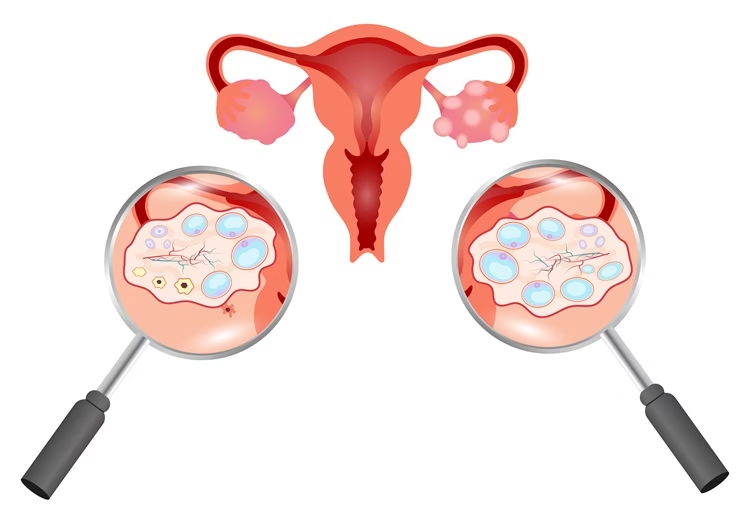
PCOS (Polycystic Ovary Syndrome) is a hormonal imbalance where the ovaries produce higher-than-normal levels of androgens (male hormones).

This leads to:

  • Irregular menstrual cycles
  • Formation of small cysts in ovaries
  • Metabolic and hormonal issues

Important: You don’t need to be married or sexually active to have PCOS.

Common PCOS Symptoms in Unmarried Women

Here are the most common signs you should watch for:

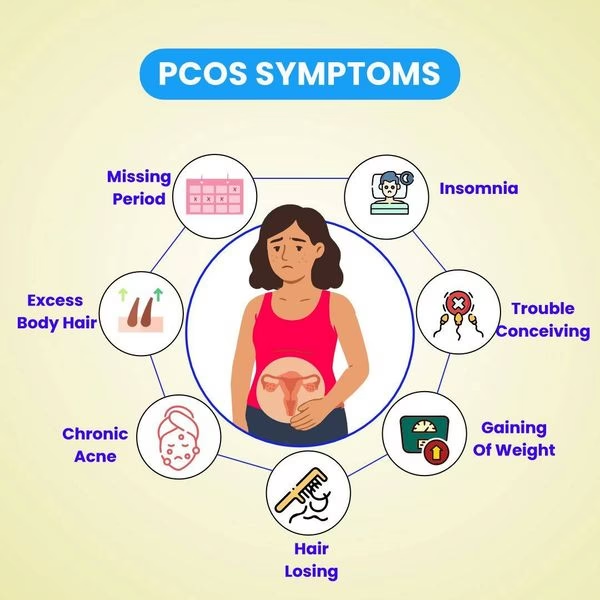
1. Irregular Periods

One of the earliest and most noticeable symptoms.

You may experience:

  • Delayed periods (cycles longer than 35 days)
  • Missed periods for months
  • Very light or very heavy bleeding

Why it happens: Hormonal imbalance affects ovulation.

2. Excess Hair Growth (Hirsutism)

Unwanted hair growth in areas like:

  • Face (chin, upper lip)
  • Chest
  • Back
  • Abdomen

This happens due to increased androgen levels.

3. Severe Acne and Oily Skin

If you’re dealing with persistent acne even after teenage years, it could be PCOS.

Common signs:

  • Acne on jawline and chin
  • Oily skin
  • Breakouts that don’t respond to normal treatments

4. Sudden Weight Gain

Many women with PCOS struggle with:

  • Rapid weight gain
  • Difficulty losing weight

Especially around the abdomen.

5. Hair Thinning or Hair Fall

PCOS can cause:

  • Hair thinning on scalp
  • Male-pattern baldness in severe cases

6. Dark Patches on Skin (Acanthosis Nigricans)

You may notice dark, velvety skin in areas like:

  • Neck
  • Underarms
  • Groin

This is linked to insulin resistance.

7. Mood Swings and Anxiety

Hormonal imbalance can affect mental health.

You may feel:

  • Anxiety
  • Depression
  • Mood swings

8. Fatigue and Low Energy

Even after proper rest, you may feel:

9. Sugar Cravings and Insulin Resistance

PCOS often leads to insulin resistance.

Signs include:

  • Frequent sugar cravings
  • Feeling hungry often
  • Energy crashes

10. Difficulty Losing Weight

Even with diet and exercise, weight loss becomes difficult due to hormonal imbalance.

Causes of PCOS in Unmarried Women

While the exact cause is unknown, common factors include:

  • Genetics (family history)
  • Insulin resistance
  • Hormonal imbalance
  • Lifestyle factors (diet, stress, lack of exercise)

When Should You See a Doctor?

You should consult a doctor if you notice:

  • Irregular or missed periods
  • Excessive hair growth
  • Persistent acne
  • Sudden weight gain

Early diagnosis helps prevent complications.

Can PCOS Be Managed?

Yes, PCOS is manageable with the right approach.

1. Healthy Diet

Focus on:

  • Low glycemic foods
  • High fiber
  • Protein-rich meals

Avoid:

  • Sugary foods
  • Processed snacks

2. Regular Exercise

  • 30 minutes daily activity
  • Cardio + strength training

3. Stress Management

  • Yoga
  • Meditation
  • Deep breathing

4. Medical Treatment

Doctors may prescribe:

  • Hormonal pills
  • Insulin-sensitizing drugs

Myths About PCOS in Unmarried Women

Myth 1: Only married women get PCOS

👉 Truth: PCOS can affect anyone after puberty

Myth 2: PCOS only affects fertility

👉 Truth: It affects overall health

Myth 3: You must have cysts to have PCOS

👉 Truth: Not always

Final Thoughts

PCOS is not just a condition for married women—it’s a lifestyle and hormonal disorder that can begin early in life.

Recognizing the symptoms early can help you:

  • Manage the condition effectively
  • Prevent long-term complications
  • Improve overall quality of life

If you notice multiple symptoms, don’t ignore them. Early action makes a huge difference.

FAQs

  1. Can unmarried women have PCOS?

Yes, PCOS can affect women regardless of marital status.

  1. What is the first sign of PCOS?

Irregular periods are usually the first sign.

  1. Is PCOS curable?

PCOS is not completely curable but can be managed effectively.

  1. Does PCOS affect future fertility?

It can, but early management improves chances.

  1. Can PCOS go away on its own?

No, but symptoms can improve with lifestyle changes.

Categories
PCOS

PCOS Symptoms Before Diagnosis: Early Signs You Shouldn’t Ignore

Polycystic Ovary Syndrome (PCOS) is one of the most common hormonal disorders affecting women — yet many go undiagnosed for years.

Why does this happen?

Because PCOS symptoms before diagnosis are often subtle, confusing, and mistaken for normal body changes.

Understanding these early warning signs can help you take action sooner and prevent long-term complications.

What is PCOS?

PCOS (Polycystic Ovary Syndrome) is a condition that affects hormone levels, ovulation, and metabolism.

It typically involves:

  • Irregular ovulation
  • Excess androgens (male hormones)
  • Insulin resistance

Before diagnosis, symptoms often appear gradually — making them easy to ignore. If you are looking for a detailed guide on PCOS, read PCOS – Symptoms, Causes and Treatment.

Why PCOS Often Goes Undiagnosed

Many women don’t realize they have PCOS because:

  • Symptoms overlap with puberty or stress
  • Signs develop slowly
  • Lack of awareness
  • Irregular periods are considered “normal”

👉 This delay can affect long-term health.

Common PCOS Symptoms Before Diagnosis

  1. Irregular or Missed Periods

This is often the first and most common sign.

Before diagnosis, you may notice:

  • Delayed cycles
  • Skipping periods occasionally
  • Unpredictable menstruation

Many ignore this in early stages — but it’s a key indicator.

  1. Persistent Acne

Hormonal acne is different from regular acne.

Signs include:

  • Breakouts on jawline and chin
  • Painful cystic acne
  • Acne that doesn’t respond to skincare
  1. Excess Hair Growth (Hirsutism)

Before diagnosis, this may be mild:

  • Facial hair (upper lip, chin)
  • Hair on chest or abdomen
  • Thicker hair growth than usual
  1. Gradual Weight Gain

Weight gain in PCOS is often:

  • Slow and unexplained
  • Concentrated around the abdomen
  • Difficult to lose

This is linked to insulin resistance.

  1. Hair Thinning or Hair Loss

Another early symptom is:

  • Thinning hair on scalp
  • Increased hair fall
  • Reduced hair volume
  1. Constant Fatigue

Many women experience:

👉 This symptom is often overlooked but very common.

  1. Mood Swings and Anxiety

Hormonal imbalance affects mental health:

  • Irritability
  • Anxiety
  • Depression
  1. Dark Skin Patches

Known as acanthosis nigricans, these appear as:

  • Dark patches on neck
  • Underarms
  • Inner thighs

👉 A sign of insulin resistance.

  1. Sugar Cravings and Hunger

Before diagnosis, you may notice:

  • Frequent cravings
  • Sudden hunger
  • Energy crashes
  1. Difficulty Losing Weight

Even with diet and exercise:

  • Weight loss becomes difficult
  • Body resists fat loss

When Do Symptoms Become Noticeable?

PCOS symptoms can begin:

👉 They often worsen over time if ignored.

When Should You See a Doctor?

You should consult a doctor if:

  • Periods are irregular for several months
  • Acne persists despite treatment
  • You notice excess hair growth
  • Multiple symptoms occur together

👉 Early diagnosis helps prevent complications.

Risks of Ignoring PCOS Symptoms

If untreated, PCOS can lead to:

  • Type 2 diabetes
  • Infertility
  • Heart disease
  • Hormonal imbalance worsening

How to Manage Symptoms Before Diagnosis

  1. Focus on Diet

  • Reduce sugar intake
  • Increase fiber
  • Eat balanced meals
  1. Stay Active

  • Exercise regularly
  • Improve insulin sensitivity
  1. Manage Stress

  • Practice relaxation techniques
  • Improve sleep
  1. Track Your Symptoms

  • Monitor periods
  • Note changes in body

Final Thoughts

PCOS symptoms before diagnosis are often subtle — but they matter.

Listening to your body early can help you:

  • Prevent complications
  • Manage symptoms effectively
  • Improve long-term health

Don’t ignore early warning signs — awareness is your first step toward better health.

❓ FAQs

  1. What are the earliest symptoms of PCOS before diagnosis?

Irregular periods, acne, mild hair growth, and fatigue are common early signs.

  1. Can PCOS symptoms appear before diagnosis for years?

Yes, many women experience symptoms for years before getting diagnosed.

  1. Is irregular period always PCOS?

Not always, but persistent irregular cycles can be a sign.

  1. Can you have PCOS without knowing it?

Yes, many women have mild symptoms and remain undiagnosed.

  1. When should I test for PCOS?

If you notice multiple symptoms like irregular periods and acne, consult a doctor.

  1. Can early lifestyle changes help PCOS?

Yes, diet and exercise can significantly improve symptoms.

Exit mobile version