
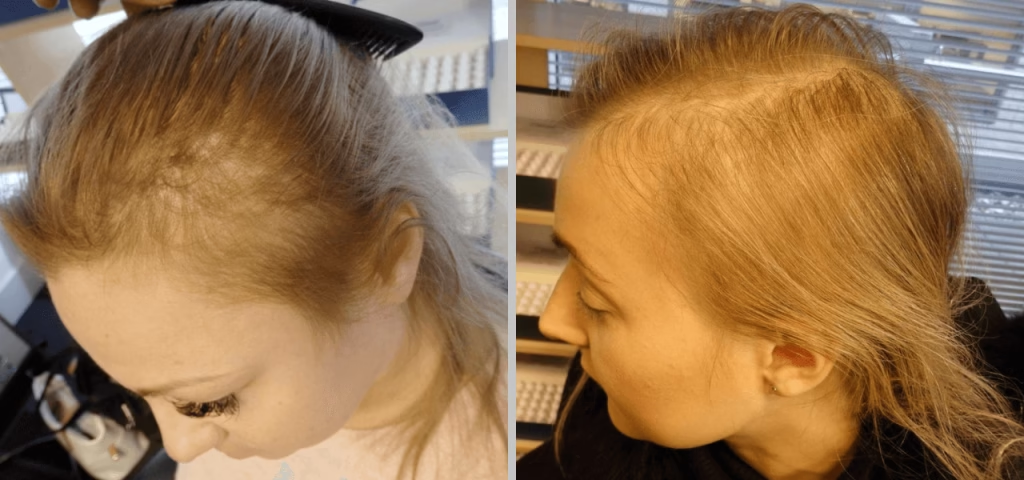
If you’ve been noticing more hair on your pillow, in the shower drain, or thinning patches on your scalp — and you have PCOS — you’re not imagining it. Hair loss is one of the most distressing symptoms of polycystic ovary syndrome, and it affects more women than most people realize.
The frustrating part? It doesn’t always get as much attention as other PCOS symptoms like irregular periods or weight gain. But for the women experiencing it, thinning hair can deeply affect confidence and quality of life.
This guide breaks down exactly why PCOS causes hair loss on the head, what’s happening inside your body, and what actually helps.
What Is PCOS and Why Does It Affect Hair?
Polycystic ovary syndrome (PCOS) is a hormonal condition that affects around 1 in 10 women of reproductive age. It disrupts the balance of hormones your body produces — and that imbalance has wide-reaching effects, including on your hair.
Hair growth is closely tied to hormone levels. When those levels are thrown off, hair follicles feel it first.
PCOS is linked to several hormonal shifts that directly affect the scalp:
- Higher-than-normal levels of androgens (male hormones like testosterone)
- Insulin resistance, which can worsen androgen production
- Elevated DHT (dihydrotestosterone), a hormone that shrinks hair follicles
These changes don’t happen overnight, which is why hair loss from PCOS tends to be gradual — and why many women don’t connect it to their hormones right away.
If you’d like to read more on PCOS. Check our complete guide: PCOS – Symptoms, Causes, and Treatment.
The Real Reason Behind PCOS Hair Loss
Androgens and DHT: The Main Culprits
In women with PCOS, the ovaries produce too many androgens. These are hormones typically associated with men, but women naturally have small amounts too.
The problem starts when androgen levels get too high. The body converts excess testosterone into a more potent hormone called DHT (dihydrotestosterone). DHT binds to receptors in hair follicles on the scalp and causes them to shrink over time. This process is called follicular miniaturization.
As follicles shrink:
- Hair grows in thinner and shorter
- The growth phase of each hair cycle gets shorter
- Hairs fall out before they reach a normal length
- Eventually, some follicles stop producing hair altogether
This type of hair loss follows a pattern similar to male-pattern baldness — except in women, it usually shows up as general thinning at the top and crown of the scalp rather than a receding hairline.
The Role of Insulin Resistance
Many women with PCOS also have insulin resistance, meaning their cells don’t respond to insulin efficiently. The body then pumps out more insulin to compensate.
High insulin levels signal the ovaries to produce even more androgens. So insulin resistance and androgen excess feed into each other — and both contribute to hair loss.
This is why diet and blood sugar management play such an important role in treating PCOS hair loss from the inside out.
What PCOS Hair Loss Actually Looks Like
PCOS hair loss on the scalp is different from the temporary shedding many women notice after stress or illness. It has specific patterns worth knowing.
Common signs include:
- Gradual thinning across the top of the scalp and crown
- A wider-looking part line over time
- More scalp visible when hair is wet or pulled back
- Hair that feels finer or more fragile than before
- Increased daily shedding (finding more hair on the brush, pillow, or shower floor)
Unlike alopecia areata (which causes patchy, sudden hair loss), PCOS-related hair loss tends to be slow and diffuse. Many women notice it worsening during periods of stress, significant weight changes, or hormonal fluctuation.
Getting Diagnosed: What to Ask Your Doctor
Hair loss alone doesn’t confirm PCOS. But if you’re experiencing other symptoms alongside it, it’s worth having a proper evaluation.
Other PCOS symptoms to watch for:
- Irregular or absent periods
- Excess facial or body hair (hirsutism)
- Acne, especially along the jaw and chin
- Weight gain, particularly around the abdomen
- Difficulty losing weight
- Mood changes or fatigue
Tests your doctor may order:
- Hormone panel (testosterone, DHEAS, LH, FSH)
- Fasting insulin and blood glucose
- Thyroid function tests (to rule out thyroid-related hair loss)
- Ultrasound to check for ovarian cysts
Getting a clear diagnosis matters because the treatment for PCOS hair loss is different from other causes of hair loss. Treating the root hormonal imbalance — not just the scalp — is what produces lasting improvement.
Medical Treatments for PCOS Hair Loss
Several medical treatments target the hormonal causes of hair loss in PCOS. These work best when combined with lifestyle changes.
Anti-Androgen Medications
Spironolactone is one of the most commonly prescribed medications for PCOS-related hair loss. It blocks androgen receptors, reducing the effect of DHT on hair follicles. Many women see gradual improvement in hair thickness after several months of use.
Other anti-androgens like flutamide or cyproterone acetate may be prescribed depending on where you live and your individual health profile.
Oral Contraceptives
Certain birth control pills help regulate androgen levels by increasing sex hormone-binding globulin (SHBG), which binds to testosterone and reduces how much is available to affect follicles. Pills containing low-androgenic progestins are generally preferred for this purpose.
Metformin
Metformin is an insulin-sensitizing medication often prescribed for PCOS. By improving insulin resistance, it can indirectly reduce androgen production — which may slow hair loss and support regrowth over time.
Minoxidil (Topical)
Minoxidil is a topical treatment applied directly to the scalp. It doesn’t address the hormonal cause of hair loss, but it can stimulate follicle activity and increase hair density. It works best when used alongside treatments that target the underlying hormonal imbalance.
Diet and Lifestyle Changes That Help
What you eat and how you live directly affects your hormone levels. For PCOS hair loss, lifestyle changes aren’t optional extras — they’re a core part of treatment.
Manage Blood Sugar and Insulin
Since insulin resistance drives androgen excess in many PCOS cases, stabilizing blood sugar is one of the most impactful things you can do.
Practical steps:
- Reduce refined carbohydrates and added sugars
- Eat regular meals to avoid blood sugar spikes and crashes
- Include protein and healthy fats in every meal
- Add fiber-rich vegetables and whole grains to slow glucose absorption
Anti-Inflammatory Eating
Chronic inflammation worsens PCOS and can accelerate hair loss. An anti-inflammatory diet supports hormone balance from the ground up.
Foods to focus on:
- Fatty fish (salmon, sardines, mackerel)
- Leafy greens and colorful vegetables
- Berries and other antioxidant-rich fruits
- Olive oil, nuts, and seeds
- Legumes and whole grains
Foods to reduce:
- Processed and ultra-processed foods
- Refined sugars and white flour products
- Vegetable oils high in omega-6 fatty acids
- Alcohol
Exercise Regularly
Regular physical activity improves insulin sensitivity and helps balance hormone levels. Both resistance training and moderate cardio show benefits for PCOS.
Even 30 minutes of walking most days can make a meaningful difference in insulin response over time.
Manage Stress
Chronic stress elevates cortisol, which can worsen hormonal imbalance and trigger additional hair shedding. Practices like yoga, meditation, adequate sleep, and spending time outdoors all help lower the stress load your body is carrying.
Supplements That May Support Hair Growth in PCOS
Some supplements show evidence of benefit for PCOS-related hair loss, though they work best alongside medical treatment and lifestyle changes. Always check with your doctor before starting new supplements.
- Inositol (myo-inositol and D-chiro-inositol): Supports insulin sensitivity and has been shown to reduce androgen levels in women with PCOS
- Zinc: Plays a role in hair follicle health and may help reduce DHT conversion
- Vitamin D: Often deficient in women with PCOS; low levels are linked to hair loss
- Omega-3 fatty acids: Reduce inflammation and support scalp health
- Iron: Hair loss is sometimes compounded by iron deficiency, especially in women with heavy periods; get levels checked before supplementing
- Biotin: Commonly promoted for hair growth; most beneficial if you have a deficiency
Scalp and Hair Care Tips
While treating the hormonal root cause is the priority, how you care for your scalp and hair day-to-day also matters.
Be gentle with your hair:
- Avoid tight hairstyles that pull at the scalp (ponytails, tight braids)
- Minimize heat styling — air dry when possible
- Use a wide-toothed comb on wet hair instead of a brush
- Choose sulfate-free, gentle shampoos
Support your scalp:
- Keep the scalp clean to prevent buildup that can clog follicles
- Consider scalp massage — it improves circulation to hair follicles
- Look for shampoos containing ketoconazole or saw palmetto, which have mild DHT-blocking properties
Be realistic about timing:
Hair grows in cycles. Even with effective treatment, visible improvement in hair thickness takes time — often three to six months or longer. Consistency is what produces results.
When to See a Specialist
A general practitioner can order initial blood tests and refer you onward, but for PCOS hair loss specifically, seeing a specialist gives you the best chance of an accurate diagnosis and targeted treatment.
Consider seeing:
- An endocrinologist for hormone evaluation and management
- A dermatologist or trichologist for scalp and hair follicle assessment
- A gynecologist experienced in PCOS for reproductive hormone management
Getting the right diagnosis matters because hair loss has several possible causes — thyroid disorders, iron deficiency, telogen effluvium from stress, and alopecia areata all present differently and require different treatments. Confirming that androgens are the driver changes the treatment approach entirely.
What to Expect From Treatment
PCOS hair loss on head improves slowly. Most women do not see dramatic results within the first few weeks of treatment.
A realistic timeline:
- Months 1–3: Shedding may slow, but regrowth is not yet visible
- Months 3–6: Fine regrowth may start to appear along the hairline and crown
- Months 6–12: Noticeable improvement in density and thickness for most women on consistent treatment
Some women experience significant regrowth. Others find that treatment stabilizes hair loss rather than reversing it fully. Both outcomes are valid and meaningful — stopping the progression is itself a major win.
The most important thing is to start. Hair follicles that have been inactive for a long time become harder to reactivate. The earlier you address PCOS-related hair loss, the better the chances of recovery.
Final Thoughts
Losing hair because of PCOS is not something you simply have to accept. There are clear reasons it happens, and there are real, evidence-based things you can do about it.
The approach that works best combines medical treatment to address the hormonal root cause, dietary and lifestyle changes to support insulin and androgen balance, and consistent scalp and hair care. None of these alone is a complete answer — but together, they give your hair follicles the best possible environment to recover.
If you’ve been struggling with hair thinning and suspect PCOS may be the reason, start by talking to your doctor. Getting a diagnosis is the first step toward getting your hair — and your health — back on track.
FAQs
Can PCOS cause permanent hair loss?
PCOS hair loss can become permanent if left untreated for a long time, as prolonged DHT exposure causes follicles to stop functioning. Starting treatment early significantly improves the chances of regrowth.
How do I know if my hair loss is from PCOS or something else?
A doctor can run blood tests to check androgen levels, thyroid function, and iron levels. If androgens are elevated alongside other PCOS symptoms, hormonal hair loss is likely the cause.
How long does it take to see hair regrowth with PCOS treatment?
Most women start noticing improvement after three to six months of consistent treatment. Full results typically take six to twelve months, as hair grows in cycles.
Does losing weight help PCOS hair loss?
For women with insulin resistance, losing even 5–10% of body weight can lower androgen levels and slow hair loss. Weight loss improves insulin sensitivity, which reduces the hormonal trigger for follicle shrinkage.
Is minoxidil safe to use for PCOS hair loss?
Yes, topical minoxidil is generally safe and can help stimulate hair growth. It works best when combined with treatments that address the underlying hormonal cause, such as anti-androgen medications or metformin.
Are there natural remedies that actually work for PCOS hair loss?
Some natural approaches — like inositol supplements, anti-inflammatory diets, and stress management — can support hormone balance and slow hair loss. However, they work best alongside medical treatment rather than as a replacement for it.
Will my hair grow back fully after treating PCOS?
It depends on how long the hair loss has been happening and how well treatment works for your individual case. Many women see meaningful regrowth. Others find treatment stabilizes the loss rather than reversing it fully — which is still a significant outcome.