
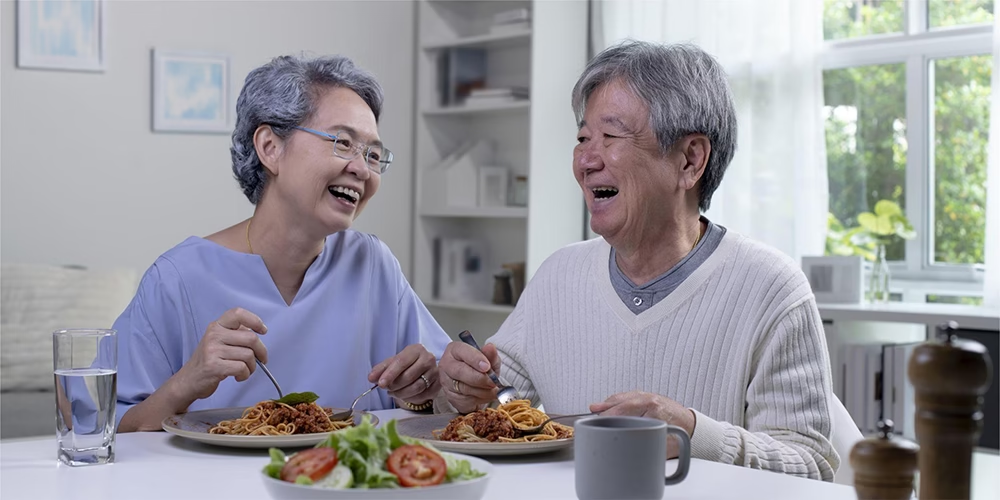
A healthy appetite plays a major role in maintaining physical energy, emotional well-being, and overall quality of life—especially for older adults. However, loss of appetite in the elderly is a common but often overlooked issue. Many seniors and caregivers worry when they notice reduced interest in food, unintentional weight loss, or statements like “I have no appetite and feel sick when I eat.” While occasional changes in hunger are normal, persistent loss of appetite may be a sign of an underlying condition that needs attention.
In this comprehensive guide, we will discuss:
- What causes decreased appetite in older adults
- Signs and symptoms to watch for
- Serious risks linked to poor appetite and weight loss
- Medical and lifestyle treatments
- Prevention tips and caregiving strategies
What Is Loss of Appetite?
Loss of appetite (also called anorexia in medical terms) refers to reduced desire to eat or interest in food. It may also include physical discomfort such as:
- Feeling full too quickly
- Nausea immediately after eating
- Persistent stomach upset or indigestion
- Losing weight unintentionally
- Changes in taste or smell
In older adults, appetite changes may develop gradually and can be harder to identify unless closely monitored.
Common Signs of Loss of Appetite in Elderly
Look for these symptoms:
- Eating less than usual or skipping meals
- Complaints such as “I have no appetite and feel sick when I eat”
- Clothes becoming loose or belts being tightened
- Reduced energy or fatigue
- Changes in mood such as anxiety or depression
- Decreased interest in previously enjoyed foods
- Difficulty chewing or swallowing
If a senior loses more than 5% of body weight in 1–3 months, it is considered clinically significant and should be evaluated by a professional.
What Causes Loss of Appetite in the Elderly?
There are many possible reasons for decreased appetite, ranging from physical health conditions to emotional or environmental factors. Below are the most common loss of appetite causes:
-
Physiological Changes Due to Aging
As the body ages:
- Metabolism slows down
- The sense of taste and smell decline
- Hormones responsible for hunger become less active
- Digestive function weakens
This naturally leads to reduced hunger signals.
-
Medical Conditions
Some health conditions directly affect appetite or digestion, such as:
- Thyroid disorders (hypothyroidism or hyperthyroidism)
- Diabetes
- Heart disease
- Kidney or liver disease
- Chronic lung disease (COPD)
- Stroke or neurological disorders
- Cancer
- Chronic infections
- Gastrointestinal issues like ulcers, gastritis, constipation, or GERD
-
Medications
Many prescription drugs can reduce appetite or cause nausea, including:
- Antibiotics
- Pain medicines (especially opioids)
- Heart medications
- Chemotherapy drugs
- Antidepressants and antianxiety medications
-
Mental Health Issues
Depression and lack of appetite are closely linked. Many older adults suffer from loneliness, grief, or isolation, especially after the loss of a partner or change in living situations. Anxiety can also cause digestive discomfort and reduced interest in eating.
-
Dental or Oral Problems
Difficulty chewing due to:
- Missing teeth
- Ill-fitting dentures
- Gum disease
- Dry mouth
can make eating uncomfortable.
-
Poor Sleep and Fatigue
Fatigue and insomnia disrupt body rhythms and reduce appetite.
-
Dehydration
Even minor dehydration can mimic hunger loss and cause nausea.
-
Lifestyle and Social Factors
- Lack of enjoyable food choices
- Eating alone
- Limited mobility
- Reduced access to fresh groceries
- Financial stress
-
Dementia or Alzheimer’s Disease
These can cause:
- Forgetting to eat
- Confusion at mealtimes
- Sensitivity to strong flavors or textures
Risks and Complications of Loss of Appetite
Ongoing loss of appetite in elderly individuals can lead to:
- Malnutrition
- Severe weight loss
- Muscle weakness and frailty
- Immunity reduction and frequent infections
- Cognitive decline
- Increased fall risk
- Slower healing after surgery or illness
- Reduced quality of life
If ignored, appetite loss can become dangerous, especially for chronically ill or bedridden seniors.
Loss of Appetite and Weight Loss: When to See a Doctor
Seek medical support if:
- Appetite loss lasts more than 2 weeks
- There is rapid or unexplained weight loss
- The person feels nauseous every time they eat
- Vomiting, diarrhea, or dehydration are present
- There is severe depression or confusion
- They stop eating altogether
A doctor may run tests such as blood work, imaging, or medication reviews to identify the cause.
Loss of Appetite Treatment
The right loss of appetite treatment depends on identifying the underlying cause. Treatment options may include:
-
Medical Management
- Adjusting or changing medications
- Treating infections or digestive disorders
- Managing chronic diseases
- Using prescription appetite stimulants if necessary
-
Mental Health Support
- Therapy or counseling
- Social engagement programs
- Depression medications when required
- Encouraging hobbies and daily social interaction
-
Nutritional Strategies
- Eating small, frequent meals instead of large meals
- Adding high-calorie healthy foods like nuts, avocado, eggs, smoothies
- Using meal replacement shakes
- Enhancing food flavor with herbs and spices
- Making meals visually appealing
-
Hydration
Encourage:
- Water
- Herbal teas
- Soups
- Natural fruit juices
-
Improving the Eating Environment
- Eating with family or in groups
- Playing soft music
- Eating outdoors or changing settings
- Creating a pleasant routine
-
Use Supplements if Recommended
Vitamin B12, D3, omega-3, or protein powders (only under medical supervision).
-
Gentle Physical Activity
Light walking or stretching can:
- Increase metabolism
- Stimulate hunger
- Boost energy and mood
Tips for Caregivers
- Observe symptoms and track weight weekly
- Remove distractions during mealtime
- Respect food preferences
- Introduce favorite dishes gradually
- Use colorful plates and smaller utensils
- Encourage social meals
- Don’t pressure or force food—this creates stress
Home Remedies to Improve Appetite in Elderly
Some natural options include:
- Ginger tea for nausea
- Lemon water to aid digestion
- Peppermint tea for stomach discomfort
- Turmeric warm milk (golden milk)
- Herbal bitters to stimulate digestion
Note: Consult a doctor before herbal use, especially if medications are involved.
Final Thoughts
Loss of appetite in the elderly is common, but it should never be ignored—especially when it leads to weight loss, weakness, and emotional distress. Understanding the causes, recognizing symptoms early, and seeking timely treatment can greatly improve nutrition, health, and quality of life. With compassion, patience, and the right strategies, seniors can regain a healthy relationship with food and restore their strength.
If you or someone you care for is experiencing persistent loss of appetite, talk to a healthcare provider for personalized treatment options.