
Living with sickle cell disease is not just about managing symptoms when they appear. It is about building a lifestyle that supports your body every single day. Small, consistent choices can make a meaningful difference in how often complications occur and how well you feel overall.
If you or someone close to you has been diagnosed, it’s natural to feel overwhelmed at first. But over time, understanding the condition and making intentional lifestyle adjustments can help create a sense of control and stability.
Let’s explore what sickle cell disease is, why it affects the body the way it does, and the lifestyle changes that can truly help.
Understanding Sickle Cell Disease
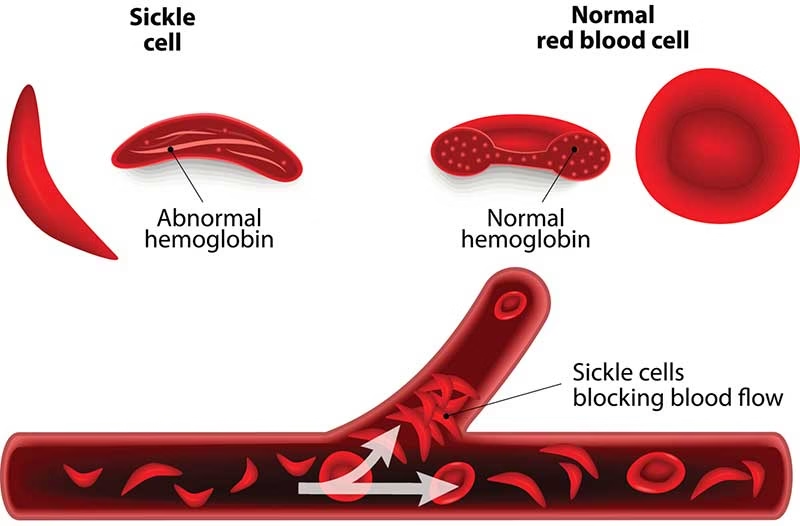
Sickle cell disease is a genetic blood disorder that affects the shape and function of red blood cells. Normally, red blood cells are round and flexible, allowing them to move easily through blood vessels and carry oxygen efficiently.
In this condition, the red blood cells become rigid and shaped like a crescent or sickle. These abnormal red blood cells can block blood flow, reduce oxygen delivery, and break down more quickly than normal cells.
This leads to a range of symptoms and complications that vary from person to person.
The Role of Hemoglobin and Red Blood Cells
To understand the condition better, it helps to know how blood works.
Red blood cells, also known as erythrocytes, contain a protein called haemoglobin. This protein is responsible for carrying oxygen from the lungs to the rest of the body.
In people with sickle cell disease:
- The haemoglobin is abnormal
- Red blood cells become stiff and sticky
- Cells can clump together and block small blood vessels
- Oxygen supply to tissues may be reduced
This explains why fatigue, pain, and other symptoms occur.
Sickle Cell Disease Cause and Genetics
Sickle cell disease is inherited. It occurs when a person receives the sickle cell gene from both parents.
If someone inherits only one copy, they may carry the trait without having full symptoms. But if both genes are present, the condition develops.
This is why family history plays an important role in diagnosis and awareness.
Types of Sickle Cell Disease
There are several forms of the condition, depending on the combination of genes involved.
Common types include:
- Hemoglobin SS, often considered the most severe form
- Hemoglobin SC, usually milder but still significant
- Hemoglobin S beta thalassemia
- Other less common variants
Each type may present differently, but lifestyle management remains important across all forms.
Signs and Symptoms of Sickle Cell Disease
Symptoms can vary widely, but some are commonly experienced.
- Episodes of pain known as pain crises
- Fatigue due to low red blood cell count
- Swelling in hands and feet
- Frequent infections
- Delayed growth in children
- Shortness of breath
These symptoms may come and go, and their intensity can change over time.
Sickle Cell Disease Treatment Overview
While there is no simple cure for most people, treatment focuses on managing symptoms and preventing complications.
- Pain management strategies
- Medications to reduce crises
- Blood transfusions in some cases
- Preventive care to avoid infections
Alongside medical treatment, lifestyle changes play a major role in improving quality of life.
Why Lifestyle Changes Matter
Sickle cell disease affects how blood flows and how oxygen is delivered in the body. Certain conditions can trigger complications, especially pain crises.
Lifestyle choices can help reduce these triggers and support overall health.
Think of it as creating an environment where your body can function more smoothly despite the condition.
Staying Hydrated
One of the simplest but most powerful habits is proper hydration.
- Drinking enough water helps keep blood less viscous
- It reduces the risk of red blood cells sticking together
- It supports better circulation
Dehydration is a common trigger for pain episodes, so maintaining fluid intake is essential.
Maintaining a Balanced Diet
Nutrition plays a key role in supporting blood health and energy levels.
- Include iron-rich foods, but only as advised by a doctor
- Focus on fruits and vegetables for vitamins and antioxidants
- Ensure adequate intake of folic acid, which supports red blood cell production
- Include protein sources for overall strength
A well-balanced diet helps the body cope better with the condition.
Managing Body Temperature
Extreme temperatures can trigger complications.
- Cold weather may cause blood vessels to constrict
- Excessive heat can lead to dehydration
It is important to:
- Dress appropriately for the weather
- Avoid sudden exposure to extreme conditions
- Stay in comfortable environments when possible
Avoiding Overexertion
Physical activity is important, but it needs to be balanced.
- Moderate exercise supports circulation and overall health
- Overexertion can reduce oxygen levels and trigger symptoms
Listening to your body is key. Rest when needed and avoid pushing beyond your limits.
Preventing Infections
Infections can be more severe in people with sickle cell disease.
- Maintain good hygiene
- Stay up to date with vaccinations
- Seek early treatment for infections
Preventive care helps reduce complications and hospital visits.
Monitoring Hemoglobin Levels
Keeping track of normal hemoglobin levels is important.
Low levels can lead to fatigue and weakness.
Regular checkups help:
- Monitor red blood cell count
- Detect changes early
- Adjust treatment if needed
Stress Management
Stress may not directly cause sickle cell disease symptoms, but it can affect overall health.
- Practice relaxation techniques
- Maintain a supportive social environment
- Seek help when feeling overwhelmed
Emotional well-being is just as important as physical health.
Getting Enough Rest
Fatigue is a common symptom, so rest is essential.
- Maintain a regular sleep routine
- Avoid sleep deprivation
- Allow the body time to recover
Good sleep supports immune function and energy levels.
Regular Medical Follow-Up
Routine medical care is essential for managing the condition.
- Regular checkups help monitor progress
- Early detection of complications improves outcomes
- Doctors can adjust treatment plans as needed
Consistency in care makes a significant difference.
Recognizing Early Warning Signs
Understanding your body’s signals can help prevent severe complications.
- Sudden pain
- Fever
- Difficulty breathing
- Unusual fatigue
Seeking medical attention early can prevent worsening symptoms.
Living with Sickle Cell Disease
Living with sickle cell disease requires awareness, patience, and consistent care.
It is not just about avoiding complications but also about improving quality of life.
With the right lifestyle adjustments, many people manage their condition effectively and lead fulfilling lives.
Final Thoughts
Sickle cell disease is a lifelong condition, but it does not define a person’s entire life. By understanding how the body works and making intentional lifestyle changes, it is possible to reduce complications and improve daily well-being.
Simple habits like staying hydrated, eating well, managing stress, and maintaining regular medical care can make a meaningful difference over time.
The goal is not perfection, but consistency. Small, mindful choices every day can help create a healthier and more stable life.