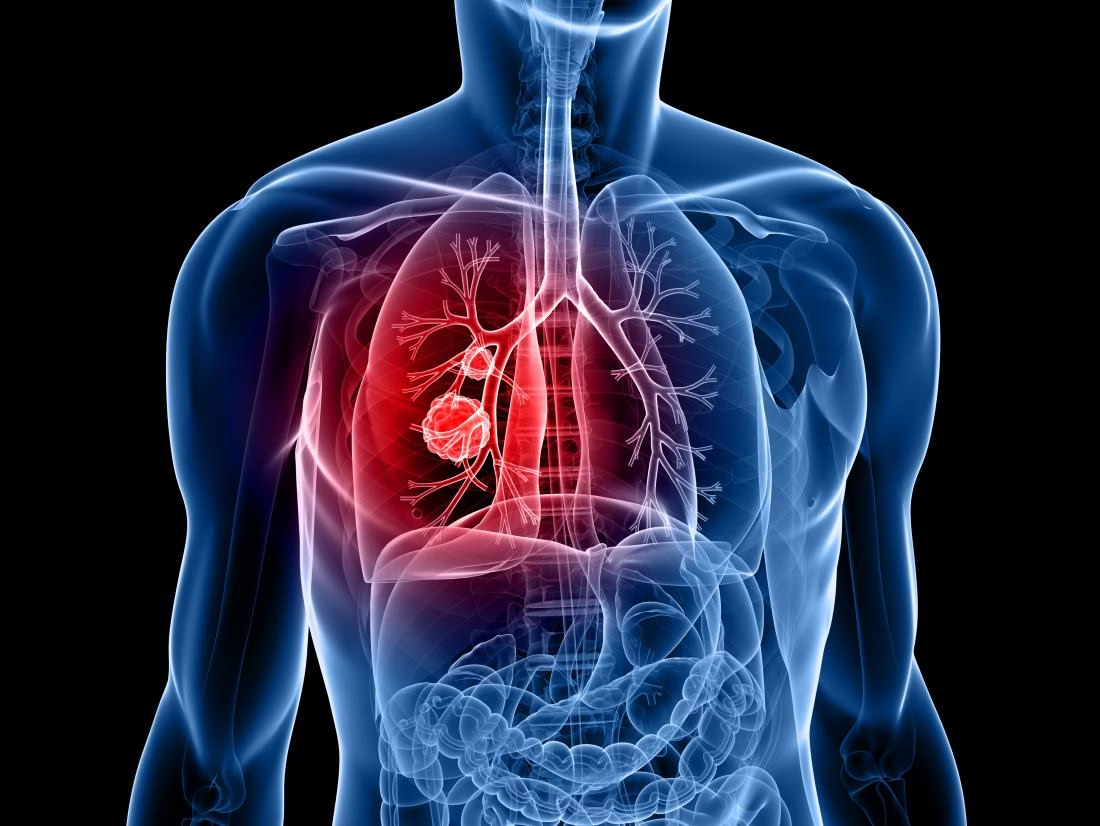
Shortness of breath is one of those symptoms that immediately gets attention—and for good reason.
Whether it shows up suddenly or develops slowly over time, the feeling of not getting enough air can be deeply unsettling. Some people describe it as tightness in the chest. Others say it feels like breathing through a narrow straw. For many, it’s simply the fear that comes with struggling to breathe normally.
Medically, this sensation is called dyspnea, but in everyday life, it’s often described as difficulty breathing, trouble breathing, or feeling out of breath easily.
Understanding why shortness of breath happens—and when it’s serious—can help you respond calmly and appropriately.
What Is Shortness of Breath?
Shortness of breath refers to the uncomfortable awareness of breathing or the sensation that breathing is difficult, labored, or insufficient.
It can occur:
- During physical activity
- At rest
- Suddenly or gradually
- Occasionally or persistently
Not all shortness of breath is dangerous, but it should never be ignored—especially when it’s new, worsening, or unexplained.
Common Symptoms Associated With Shortness of Breath
Shortness of breath rarely appears alone. It is often accompanied by other signs that help identify its cause.
Common symptoms include:
- Rapid or shallow breathing
- Chest tightness or pressure
- Wheezing or noisy breathing
- Fatigue with minimal activity
- Feeling out of breath easily
- Anxiety or panic during breathing difficulty
- Bluish lips or fingertips in severe cases
- Cough or mucus production
The combination of symptoms often provides important clues about what’s happening in the body.
Shortness of Breath Causes: Understanding the Big Picture
Shortness of breath can arise from many systems in the body, not just the lungs. The most common causes fall into several broad categories.
Respiratory Causes of Shortness of Breath
Asthma
Asthma causes airway inflammation and narrowing, making it hard to breathe—especially during triggers like dust, exercise, cold air, or allergens.
Symptoms often include:
- Wheezing
- Chest tightness
- Nighttime breathing difficulty
Chronic Obstructive Pulmonary Disease (COPD)
COPD includes chronic bronchitis and emphysema, commonly linked to smoking or long-term exposure to pollutants.
People with COPD often feel:
- Out of breath easily
- Breathless during routine tasks
- Relief only with rest or inhalers
Pneumonia and Lung Infections
Infections cause inflammation and fluid buildup in the lungs, reducing oxygen exchange.
Shortness of breath may be accompanied by:
- Fever
- Cough
- Chest pain
- Fatigue
Pulmonary Embolism
A blood clot in the lungs can cause sudden, severe shortness of breath and requires immediate medical attention.
Heart-Related Causes
Heart Failure
When the heart can’t pump effectively, fluid may accumulate in the lungs, leading to breathing difficulty.
People often notice:
- Shortness of breath when lying down
- Swelling in legs or ankles
- Fatigue and weakness
Heart Attack
Shortness of breath can be a warning sign—sometimes without chest pain, especially in women and older adults.
Other Medical Causes
Anemia
Low red blood cell levels reduce oxygen delivery to tissues, causing fatigue and breathlessness even with mild exertion.
Obesity
Excess weight can restrict lung expansion and increase oxygen demand, leading to trouble breathing during activity.
Anxiety and Panic Disorders
Anxiety can cause rapid breathing and a sensation of air hunger, even when oxygen levels are normal.
Acid Reflux (GERD)
Stomach acid irritating the esophagus or airways can trigger coughing and breathing discomfort.
Shortness of Breath Causes by Onset
Sudden Onset
- Pulmonary embolism
- Severe asthma attack
- Allergic reaction
- Heart attack
- Panic attack
Gradual or Chronic Onset
- Asthma
- COPD
- Heart failure
- Anemia
- Deconditioning or sedentary lifestyle
The timing and progression of symptoms play a key role in diagnosis.
Risk Factors for Shortness of Breath
Certain factors increase the likelihood of developing breathing difficulties.
Common risk factors include:
- Smoking or vaping
- Exposure to air pollution or chemicals
- Sedentary lifestyle
- Obesity
- Chronic lung or heart disease
- Family history of respiratory conditions
- Advanced age
- Occupational exposures (dust, fumes)
- Anxiety disorders
Reducing modifiable risk factors can significantly improve breathing health.
Diagnosis and Tests for Shortness of Breath
Diagnosing the cause of dyspnea involves understanding the full picture—not just one symptom.
Medical History
Doctors may ask:
- When did symptoms start?
- What makes them better or worse?
- Are symptoms related to activity or rest?
- Any recent illness, travel, or stress?
Physical Examination
This may include:
- Listening to lung and heart sounds
- Checking oxygen levels
- Observing breathing patterns
Common Diagnostic Tests
Depending on symptoms, doctors may recommend:
- Chest X-ray
- Pulmonary function tests
- Electrocardiogram (ECG)
- Blood tests (including anemia markers)
- CT scans
- Echocardiogram
These tests help pinpoint whether the issue is respiratory, cardiac, or systemic.
Treatment Options for Shortness of Breath
Treatment depends entirely on the underlying cause. There is no single solution that works for everyone.
Medical Treatments
Inhalers and Bronchodilators
Used for asthma and COPD to open airways.
Steroids
Reduce inflammation in severe respiratory conditions.
Antibiotics
Prescribed only when bacterial infection is confirmed.
Oxygen Therapy
Used in cases where blood oxygen levels are low.
Heart Medications
Help improve cardiac function and reduce fluid buildup.
Lifestyle and Supportive Treatments
Breathing Techniques
Slow, controlled breathing can reduce anxiety-related breathlessness.
Pulmonary Rehabilitation
Structured programs improve lung capacity and stamina.
Weight Management
Reducing excess weight can significantly improve breathing ease.
Physical Activity
Gradual conditioning strengthens respiratory muscles and improves efficiency.
Home Care and Symptom Relief
While medical treatment addresses causes, daily habits support recovery.
Helpful practices include:
- Staying hydrated
- Avoiding smoke and pollutants
- Using air purifiers indoors
- Maintaining good posture
- Managing stress levels
- Getting adequate rest
These steps don’t replace medical care but enhance overall respiratory health.
Prevention of Shortness of Breath
Not all causes are preventable, but many risk factors can be reduced.
Preventive Measures Include:
- Avoiding smoking and secondhand smoke
- Exercising regularly within limits
- Managing chronic conditions effectively
- Getting vaccinated against respiratory infections
- Wearing protective gear in polluted environments
- Maintaining healthy body weight
- Practicing stress management
Prevention is especially important for people with existing lung or heart conditions.
When to Seek Immediate Medical Attention
Shortness of breath can be life-threatening in some cases.
Seek emergency care if breathing difficulty is:
- Sudden and severe
- Accompanied by chest pain
- Associated with fainting or confusion
- Causing bluish lips or skin
- Occurring after injury or trauma
Trust your instincts—difficulty breathing should never be ignored.
Living With Chronic Shortness of Breath
For people with long-term conditions, learning to live with dyspnea involves adaptation rather than limitation.
Strategies include:
- Understanding personal triggers
- Using medications consistently
- Pacing daily activities
- Practicing breathing exercises
- Seeking emotional support
With proper management, many people regain confidence and control over their daily lives.
Final Thoughts
Shortness of breath is a symptom that deserves respect—not fear, but attention.
It can range from a temporary response to exertion to a sign of an underlying medical condition. Understanding shortness of breath causes, recognizing warning signs, and seeking timely care can make a significant difference in outcomes.
Breathing is fundamental. When it becomes difficult, listening to your body is the first step toward healing.