Categories
PCOS

Why Is It Hard to Lose Weight with PCOS? Understanding the Science and Solutions

Many women struggle with unexplained weight gain. They spend hours at the gym and eat clean diets. Yet, the scale does not move. For millions, the hidden culprit behind this battle is Polycystic Ovary Syndrome (PCOS). This common hormonal disorder affects up to ten percent of women of childbearing age.

Weight gain is one of the most frustrating symptoms of this condition. It usually settles around the belly. This stubborn fat leaves many women feeling defeated. They often blame themselves for a lack of willpower. However, the true cause is a complex web of hormonal imbalances.

Losing weight with this condition requires a different approach. Standard diet advice often fails. To find success, you must first understand your body. Let us explore the biological reasons behind this struggle and how you can manage them.

The Role of Insulin Resistance

Insulin is a vital hormone made by your pancreas. It acts like a key. It unlocks your cells to let glucose enter and provide energy. When you have PCOS, your body’s cells often ignore this hormone. This condition is known as insulin resistance.

Because the cells are resistant, glucose stays in your bloodstream. Your pancreas panics and pumps out even more insulin. High levels of insulin tell your body to store fat. It also blocks your body from burning stored fat for fuel.

This process creates a frustrating cycle. Your cells crave energy because they cannot access glucose. This leads to intense cravings for sugar and carbohydrates. You eat more, your insulin spikes, and your body stores more fat.

High Androgens and Fat Storage

Women naturally produce small amounts of male hormones called androgens. Testosterone is one example. If you have PCOS, your ovaries produce higher levels of these hormones than normal. High insulin levels actually trigger this extra production.

Elevated androgens change how your body handles fat. Most women store fat in their hips and thighs. High androgen levels cause fat to accumulate in the abdomen instead. This is often called visceral fat or a PCOS belly.

Visceral fat is not just an appearance issue. It wraps around your vital internal organs. This type of fat is highly active. It increases inflammation and makes insulin resistance even worse over time.

The Slowed Metabolism Myth vs. Reality

Many women feel their metabolism is completely broken. Studies show that women with this condition often have a lower basal metabolic rate. This means your body naturally burns fewer calories at rest than someone without the condition.

Your body is essentially programmed to conserve energy. It acts as if it is in survival mode. A normal calorie deficit might not work for you. Your body adapts quickly to lower food intake by slowing down further.

This lower metabolic rate makes traditional weight loss formulas inaccurate. Tracking calories alone rarely works. You must focus on changing your hormonal landscape to kickstart your metabolism instead.

Hunger Hormones Out of Balance

Your body uses specific hormones to signal hunger and fullness. Ghrelin tells your brain when it is time to eat. Leptin signals your brain when you are full. In a healthy body, these hormones keep your appetite stable.

PCOS disrupts this delicate balance completely. Research shows that ghrelin levels do not drop properly after a meal. You might finish a large dinner and still feel physically hungry an hour later.

At the same time, your body can become resistant to leptin. Your brain stops receiving the message that you have enough energy. This hormonal confusion leaves you fighting constant physical hunger every day.

Chronic Inflammation and Weight Gain

Living with this condition means your body experiences low-grade chronic inflammation. Your immune system is constantly on high alert. Doctors can measure this through specific proteins in your blood.

Inflammation and weight gain feed into each other. Inflammatory signals interfere with insulin receptors on your cells. This worsens insulin resistance. As a result, your body stores more fat in response.

Fat cells then produce their own inflammatory chemicals. This creates a dangerous loop. The more fat your body stores, the more inflamed it becomes. This makes weight loss even harder to achieve.

The Impact of Stress and Cortisol

Dealing with chronic symptoms is highly stressful. Stress triggers your adrenal glands to produce cortisol. Cortisol is your body’s primary stress hormone. High levels of cortisol are directly linked to weight gain.

Cortisol encourages your body to hold onto fat. It specifically targets the abdominal area. It also raises blood sugar levels. This gives your body a quick burst of energy that you do not use.

When this energy is not used, insulin stores it as fat. High cortisol also drives cravings for comfort foods. These foods are usually high in fat and sugar, which feeds the cycle.

Sleep Disturbances and Fat Loss

Sleep is essential for healthy hormone regulation. Women with this condition are at a much higher risk for sleep issues. Sleep apnea is common due to airway inflammation and weight.

Poor sleep disrupts your hunger hormones. Just one night of bad sleep increases ghrelin. It also decreases leptin the following day. This makes you crave high-calorie foods for quick energy.

Lack of sleep also worsens insulin resistance immediately. Your body cannot process glucose efficiently when it is exhausted. Prioritizing rest is a critical part of any successful weight management plan.

Why Traditional Diet Advice Fails

Most standard diet plans rely on extreme calorie restriction. They often advocate for hours of intense cardio exercise. While this works for some, it often backfires for women with PCOS.

Severe calorie restriction acts as a major stressor. It raises your cortisol levels significantly. Intense cardio can also spike cortisol. This tells your body to hold onto its fat stores even tighter.

Cutting out entire food groups can trigger intense binges. This happens because your hunger hormones are already unstable. A sustainable approach must focus on nourishment rather than deprivation.

Smart Dietary Strategies for Success

To lose weight, you must focus on balancing your blood sugar. Avoid extreme low-calorie diets. Instead, build your meals around three main pillars: protein, healthy fats, and fiber.

  • Prioritize Protein: Eat protein with every meal. Lean meats, fish, eggs, and tofu help stabilize blood sugar. Protein also keeps you feeling full for longer periods.
  • Choose Complex Carbs: Do not cut out carbs completely. Swap refined carbs for whole options. Vegetables, berries, quinoa, and legumes digest slowly and prevent insulin spikes.
  • Include Healthy Fats: Avocados, nuts, seeds, and olive oil are essential. They slow down digestion. They also support healthy hormone production in your body.

The Right Way to Exercise

Exercise is crucial, but type and intensity matter. Long, grueling cardio sessions can raise stress hormones. Focus on workouts that improve insulin sensitivity without exhausting your body.

  • Strength Training: Lift weights or use bodyweight exercises. Building muscle mass improves your metabolic rate. Muscle cells use glucose for fuel efficiently, even at rest.
  • Walking: Never underestimate the power of a daily walk. A 20-minute walk after meals lowers blood sugar spikes. It is also an excellent way to lower cortisol.
  • HIIT in Moderation: High-Intensity Interval Training can be beneficial. Keep these sessions short. Limit them to twice a week to avoid overstressing your system.

The Importance of Lifestyle and Supplements

Diet and exercise are only part of the puzzle. Managing stress is just as important. Practice regular stress-relief techniques. Meditation, deep breathing, and yoga can significantly lower cortisol levels.

Specific supplements can also support your journey. Always speak with your doctor before starting any new routine. Some options have strong scientific backing for managing symptoms.

  • Inositol: This supplement helps improve insulin sensitivity. It can reduce sugar cravings and help regulate your ovulation cycle.
  • Omega-3 Fatty Acids: High-quality fish oil reduces chronic inflammation. It also helps improve cholesterol profiles.
  • Vitamin D: Many women with this condition are deficient. Vitamin D is essential for insulin management and overall immune function.

Shifting Your Mindset

Weight loss with this condition takes time. It is a slow, gradual process. Expecting rapid results will only lead to frustration. Celebrate small victories that do not involve the scale.

Notice if your energy levels are improving. Track changes in your skin, mood, and sleep quality. These are signs that your hormones are shifting in a positive direction.

Be kind to yourself during this process. Your body is not working against you maliciously. It is dealing with a complex hormonal challenge. It needs your patience, care, and consistent support.

If you’d like to know more about how PCOS symptoms, then please check our detailed article – PCOS Symptoms Before Diagnosis.

Frequently Asked Questions (FAQs)

Can you actually lose weight if you have PCOS?

Yes. Weight loss is possible, but it requires balancing your hormones first rather than just cutting calories. Focus on managing insulin levels and lowering your daily stress.

Why does PCOS cause fat to store mainly in the stomach?

High levels of male hormones, called androgens, alter where your body stores fat. Instead of storing it in the hips, your body deposits fat in the abdomen, creating visceral fat.

Does cutting out all carbohydrates fix PCOS weight gain?

No, you do not need to cut out all carbohydrates. Focus on replacing refined carbs with high-fiber complex carbohydrates, which prevent drastic insulin spikes.

How long does it take to see weight loss results with PCOS?

Results vary for everyone, but sustainable hormone healing takes time. Most women start seeing real, lasting changes within three to six months of consistent lifestyle changes.

Categories
PCOS

PCOS Acne vs Hormonal Acne: What’s the Real Difference?

You’ve been dealing with stubborn breakouts for months. You’ve tried every cleanser and spot treatment. Still, the cysts keep coming back — especially around your chin and jaw. Sound familiar?

If you’ve been researching your skin issues, you’ve likely come across two terms: PCOS acne and hormonal acne. People often use these terms like they mean the same thing. But they don’t — at least not entirely.

Understanding the difference between PCOS acne vs hormonal acne can genuinely change how you approach your skin. Let’s break it down clearly.

What Is Hormonal Acne?

Hormonal acne is a broad term. It refers to any acne triggered or worsened by hormonal changes in your body. This includes fluctuations in estrogen, progesterone, and androgens (like testosterone).

Almost every woman experiences hormonal acne at some point. It’s especially common during:

  • The week before your period
  • Puberty and teenage years
  • Pregnancy or postpartum
  • Perimenopause
  • Starting or stopping birth control

In hormonal acne, the root cause is usually a temporary spike or drop in hormones. Once the hormonal event passes — like after your period — the breakout tends to calm down.

KEY IDEA

Hormonal acne is a category. PCOS acne is a specific type within that category — with a distinct medical cause.

Where does hormonal acne usually appear?

Hormonal acne tends to cluster in specific areas because androgen receptors are dense there. Common spots include: jawline, chin, lower cheeks, neck, and upper back.

The breakouts are often deep, cystic, and painful. They don’t respond well to regular acne washes. That’s because the problem starts under the skin, not on the surface.

What Is PCOS Acne?

PCOS stands for Polycystic Ovary Syndrome. It’s a hormonal disorder that affects roughly 1 in 10 women of reproductive age. PCOS disrupts your body’s hormone balance in a specific, ongoing way.

In PCOS, the ovaries produce excess androgens. This leads to persistently elevated testosterone-like hormones. These hormones signal your skin’s oil glands to produce more sebum (oil). More oil means more clogged pores — and more acne.

The key difference from regular hormonal acne? The hormonal imbalance in PCOS doesn’t just spike and pass. It’s ongoing and systemic. Without treating the underlying condition, the acne keeps coming back — regardless of what skincare products you use.

Other symptoms that come with PCOS

PCOS acne rarely shows up alone. It usually comes alongside other signs, such as:

  • Irregular or missed periods
  • Excess hair on the face, chest, or stomach (hirsutism)
  • Hair thinning or loss on the scalp
  • Weight gain, especially around the midsection
  • Difficulty losing weight
  • Skin darkening in neck folds or underarms
  • Fatigue and mood changes

If your acne comes with several of these signs, it’s worth speaking with a doctor or gynecologist about testing for PCOS.

PCOS Acne vs Hormonal Acne: Side-by-Side

Here’s a clear comparison to help you understand how these two types differ:

Factor Hormonal Acne PCOS Acne
Root cause Temporary hormone fluctuations Chronic elevated androgens from PCOS
Pattern Often cyclic, linked to menstrual cycle Persistent, not tied to cycle phases
Location Jawline, chin, lower face Jawline, chin — often more severe
Severity Mild to moderate Moderate to severe; often cystic
Other symptoms Usually none beyond acne Irregular periods, hair changes, weight gain
Diagnosis Clinical; based on skin pattern Blood tests, ultrasound, medical diagnosis
Treatment focus Topical + hormonal options Must address underlying PCOS
Responds to skincare? Partially, with the right products Minimally; needs medical management

How to Tell Which One You Have

Honestly, you can’t always tell just by looking in the mirror. Both types look similar on the skin. But there are some clues worth paying attention to.

Signs it might be regular hormonal acne

  • Breakouts worsen in the week before your period
  • Your cycle is regular and predictable
  • Acne clears up on its own after your period
  • You have no other hormonal symptoms
  • Breakouts started during puberty or while using/stopping birth control

Signs it might be PCOS acne

  • Your periods are irregular, infrequent, or absent
  • You have unwanted facial or body hair
  • Your acne doesn’t improve even with consistent treatment
  • You have hair thinning at the scalp
  • You’ve noticed unexplained weight gain
  • Multiple family members have PCOS
IMPORTANT

Only a doctor can diagnose PCOS. They’ll typically check hormone levels (LH, FSH, testosterone, insulin) and may request an ovarian ultrasound. Don’t self-diagnose based on symptoms alone.

Treatment: Where They’re Different

This is where the distinction really matters. Treating the wrong type of acne wastes your time — and money.

Treating regular hormonal acne

Regular hormonal acne responds better to standard dermatological treatments. Common options include:

  • Topical retinoids (like tretinoin) to improve cell turnover
  • Salicylic acid or benzoyl peroxide for surface-level clearing
  • Hormonal birth control to regulate estrogen and progesterone
  • Low-dose spironolactone to block androgen effects on the skin
  • Niacinamide serums to reduce inflammation and oil

These approaches address the hormonal fluctuations at the surface or through regulated hormonal input.

Treating PCOS acne

PCOS acne needs a two-track approach: treating the skin and managing PCOS itself. Skincare alone rarely works long-term. Medical treatment options may include:

  • Spironolactone — blocks excess androgen activity on the skin
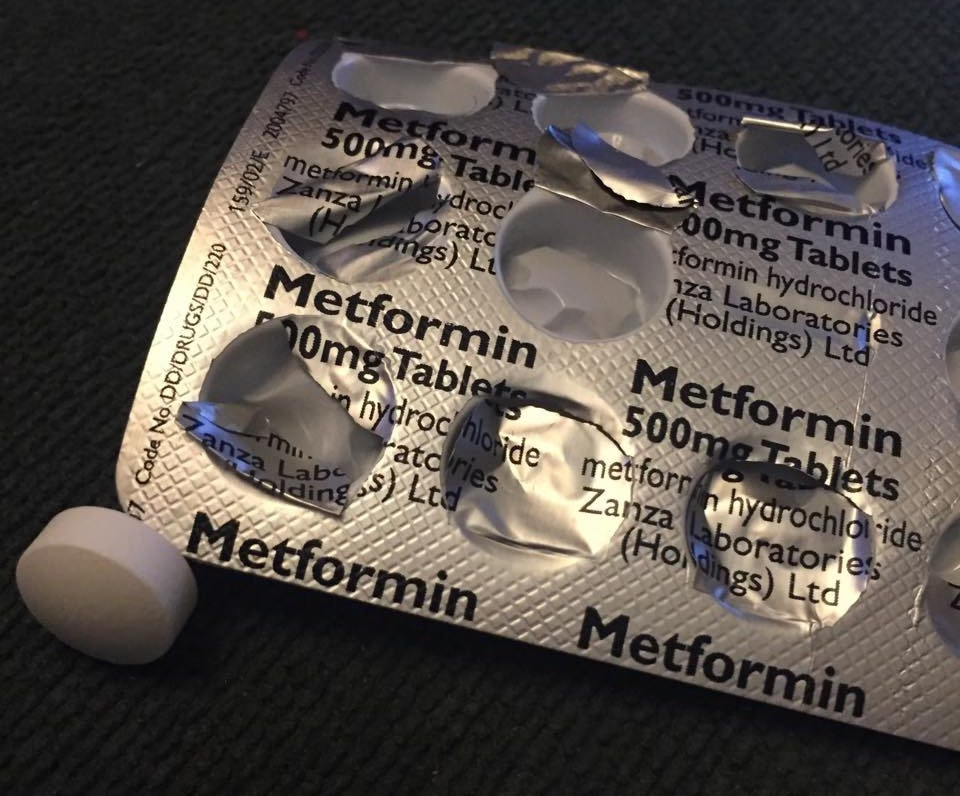
  • Metformin — improves insulin sensitivity, which indirectly lowers androgens
  • Combined oral contraceptives — help regulate hormones in some PCOS patients
  • Anti-androgen medications prescribed by an endocrinologist or gynecologist

Diet and lifestyle changes also play a meaningful role. Research shows that reducing refined carbohydrates and sugar can lower insulin levels, which in turn reduces androgen production in PCOS.

Diet tips for PCOS-related acne

  • Reduce high-glycemic foods (white bread, sugary drinks, processed snacks)
  • Add anti-inflammatory foods like leafy greens, fatty fish, and berries
  • Include zinc-rich foods — pumpkin seeds, chickpeas, lentils
  • Limit dairy if you notice it worsens breakouts
  • Stay hydrated and maintain consistent meal timing

Skincare Tips That Help Both Types

Regardless of which type you have, a gentle, consistent skincare routine matters. Here’s what works across the board:

  • Use a gentle, non-comedogenic cleanser twice daily
  • Don’t over-wash — it strips the skin and triggers more oil production
  • Apply a lightweight, oil-free moisturizer even if your skin feels oily
  • Use SPF 30+ daily — sun exposure can darken acne scars
  • Avoid heavy, pore-clogging foundations or concealers
  • Don’t pick or squeeze cysts — it worsens scarring and spreads bacteria
  • Look for ingredients like niacinamide, azelaic acid, and zinc

One thing to keep in mind: if your acne is consistently painful, cystic, or spreading, see a dermatologist. These cases go beyond what over-the-counter products can fix.

When to See a Doctor

Many people wait far too long before seeking medical help for hormonal acne. Here are clear signs that it’s time to book an appointment:

  • Acne has persisted for more than 3 months without improvement
  • You’re getting deep, painful cysts that leave scars
  • Your periods are irregular or you’ve missed cycles
  • You’re noticing unusual hair growth or hair loss
  • OTC treatments haven’t made any difference
  • Your acne is affecting your mental health or confidence

A dermatologist can help with skin-focused treatment. An endocrinologist or gynecologist will be better suited if PCOS is suspected. In many cases, you’ll need both.

The Bottom Line

Here’s the simplest way to think about this: all PCOS acne is hormonal acne, but not all hormonal acne is PCOS acne.

Hormonal acne is a broad description of breakouts caused by any kind of hormonal shift. PCOS acne is a specific, medically-rooted condition that needs a targeted approach beyond skincare alone.

If you’ve been fighting the same breakouts for months — especially with other symptoms — don’t just throw more products at your skin. Get your hormones checked. The right diagnosis leads to the right treatment. And the right treatment actually works.

Your skin deserves more than guesswork.


FAQs

Is PCOS acne the same as hormonal acne?

Not exactly. All PCOS acne is hormonal in nature, but not all hormonal acne comes from PCOS. Hormonal acne can be caused by menstrual cycles, stress, or birth control changes. PCOS acne specifically results from a medical condition that causes chronically elevated androgens.

Can you have PCOS without acne?

Yes. PCOS affects people differently. Some women with PCOS never develop acne, while others deal with severe breakouts. Acne is one possible symptom — not a requirement for diagnosis.

What does PCOS acne look like compared to regular acne?

PCOS acne is often deep, cystic, and concentrated on the lower face — particularly the jaw and chin. It tends to be more persistent and severe than standard hormonal breakouts, and it doesn’t follow the typical pre-period pattern.

Can diet really help with PCOS acne?

Yes, to a meaningful degree. A low-glycemic diet helps lower insulin levels, which can reduce androgen production in the body. This doesn’t replace medical treatment, but it can complement it effectively.

Which doctor should I see for PCOS acne?

Start with your primary care doctor or gynecologist for a PCOS diagnosis. For skin-focused treatment, a dermatologist is your best resource. Ideally, managing PCOS acne involves both specialists working together.

Categories
PCOS

PCOS Hair Loss on the Head: Why It Happens and What You Can Do

If you’ve been noticing more hair on your pillow, in the shower drain, or thinning patches on your scalp — and you have PCOS — you’re not imagining it. Hair loss is one of the most distressing symptoms of polycystic ovary syndrome, and it affects more women than most people realize.

The frustrating part? It doesn’t always get as much attention as other PCOS symptoms like irregular periods or weight gain. But for the women experiencing it, thinning hair can deeply affect confidence and quality of life.

This guide breaks down exactly why PCOS causes hair loss on the head, what’s happening inside your body, and what actually helps.

What Is PCOS and Why Does It Affect Hair?

Polycystic ovary syndrome (PCOS) is a hormonal condition that affects around 1 in 10 women of reproductive age. It disrupts the balance of hormones your body produces — and that imbalance has wide-reaching effects, including on your hair.

Hair growth is closely tied to hormone levels. When those levels are thrown off, hair follicles feel it first.

PCOS is linked to several hormonal shifts that directly affect the scalp:

  • Higher-than-normal levels of androgens (male hormones like testosterone)
  • Insulin resistance, which can worsen androgen production
  • Elevated DHT (dihydrotestosterone), a hormone that shrinks hair follicles

These changes don’t happen overnight, which is why hair loss from PCOS tends to be gradual — and why many women don’t connect it to their hormones right away.

If you’d like to read more on PCOS. Check our complete guide: PCOS – Symptoms, Causes, and Treatment.

The Real Reason Behind PCOS Hair Loss

Androgens and DHT: The Main Culprits

In women with PCOS, the ovaries produce too many androgens. These are hormones typically associated with men, but women naturally have small amounts too.

The problem starts when androgen levels get too high. The body converts excess testosterone into a more potent hormone called DHT (dihydrotestosterone). DHT binds to receptors in hair follicles on the scalp and causes them to shrink over time. This process is called follicular miniaturization.

As follicles shrink:

  • Hair grows in thinner and shorter
  • The growth phase of each hair cycle gets shorter
  • Hairs fall out before they reach a normal length
  • Eventually, some follicles stop producing hair altogether

This type of hair loss follows a pattern similar to male-pattern baldness — except in women, it usually shows up as general thinning at the top and crown of the scalp rather than a receding hairline.

The Role of Insulin Resistance

Many women with PCOS also have insulin resistance, meaning their cells don’t respond to insulin efficiently. The body then pumps out more insulin to compensate.

High insulin levels signal the ovaries to produce even more androgens. So insulin resistance and androgen excess feed into each other — and both contribute to hair loss.

This is why diet and blood sugar management play such an important role in treating PCOS hair loss from the inside out.

What PCOS Hair Loss Actually Looks Like

PCOS hair loss on the scalp is different from the temporary shedding many women notice after stress or illness. It has specific patterns worth knowing.

Common signs include:

  • Gradual thinning across the top of the scalp and crown
  • A wider-looking part line over time
  • More scalp visible when hair is wet or pulled back
  • Hair that feels finer or more fragile than before
  • Increased daily shedding (finding more hair on the brush, pillow, or shower floor)

Unlike alopecia areata (which causes patchy, sudden hair loss), PCOS-related hair loss tends to be slow and diffuse. Many women notice it worsening during periods of stress, significant weight changes, or hormonal fluctuation.

Getting Diagnosed: What to Ask Your Doctor

Hair loss alone doesn’t confirm PCOS. But if you’re experiencing other symptoms alongside it, it’s worth having a proper evaluation.

Other PCOS symptoms to watch for:

  • Irregular or absent periods
  • Excess facial or body hair (hirsutism)
  • Acne, especially along the jaw and chin
  • Weight gain, particularly around the abdomen
  • Difficulty losing weight
  • Mood changes or fatigue

Tests your doctor may order:

  • Hormone panel (testosterone, DHEAS, LH, FSH)
  • Fasting insulin and blood glucose
  • Thyroid function tests (to rule out thyroid-related hair loss)
  • Ultrasound to check for ovarian cysts

Getting a clear diagnosis matters because the treatment for PCOS hair loss is different from other causes of hair loss. Treating the root hormonal imbalance — not just the scalp — is what produces lasting improvement.

Medical Treatments for PCOS Hair Loss

Several medical treatments target the hormonal causes of hair loss in PCOS. These work best when combined with lifestyle changes.

Anti-Androgen Medications

Spironolactone is one of the most commonly prescribed medications for PCOS-related hair loss. It blocks androgen receptors, reducing the effect of DHT on hair follicles. Many women see gradual improvement in hair thickness after several months of use.

Other anti-androgens like flutamide or cyproterone acetate may be prescribed depending on where you live and your individual health profile.

Oral Contraceptives

Certain birth control pills help regulate androgen levels by increasing sex hormone-binding globulin (SHBG), which binds to testosterone and reduces how much is available to affect follicles. Pills containing low-androgenic progestins are generally preferred for this purpose.

Metformin

Metformin is an insulin-sensitizing medication often prescribed for PCOS. By improving insulin resistance, it can indirectly reduce androgen production — which may slow hair loss and support regrowth over time.

Minoxidil (Topical)

Minoxidil is a topical treatment applied directly to the scalp. It doesn’t address the hormonal cause of hair loss, but it can stimulate follicle activity and increase hair density. It works best when used alongside treatments that target the underlying hormonal imbalance.

Diet and Lifestyle Changes That Help

What you eat and how you live directly affects your hormone levels. For PCOS hair loss, lifestyle changes aren’t optional extras — they’re a core part of treatment.

Manage Blood Sugar and Insulin

Since insulin resistance drives androgen excess in many PCOS cases, stabilizing blood sugar is one of the most impactful things you can do.

Practical steps:

  • Reduce refined carbohydrates and added sugars
  • Eat regular meals to avoid blood sugar spikes and crashes
  • Include protein and healthy fats in every meal
  • Add fiber-rich vegetables and whole grains to slow glucose absorption

Anti-Inflammatory Eating

Chronic inflammation worsens PCOS and can accelerate hair loss. An anti-inflammatory diet supports hormone balance from the ground up.

Foods to focus on:

  • Fatty fish (salmon, sardines, mackerel)
  • Leafy greens and colorful vegetables
  • Berries and other antioxidant-rich fruits
  • Olive oil, nuts, and seeds
  • Legumes and whole grains

Foods to reduce:

  • Processed and ultra-processed foods
  • Refined sugars and white flour products
  • Vegetable oils high in omega-6 fatty acids
  • Alcohol

Exercise Regularly

Regular physical activity improves insulin sensitivity and helps balance hormone levels. Both resistance training and moderate cardio show benefits for PCOS.

Even 30 minutes of walking most days can make a meaningful difference in insulin response over time.

Manage Stress

Chronic stress elevates cortisol, which can worsen hormonal imbalance and trigger additional hair shedding. Practices like yoga, meditation, adequate sleep, and spending time outdoors all help lower the stress load your body is carrying.

Supplements That May Support Hair Growth in PCOS

Some supplements show evidence of benefit for PCOS-related hair loss, though they work best alongside medical treatment and lifestyle changes. Always check with your doctor before starting new supplements.

  • Inositol (myo-inositol and D-chiro-inositol): Supports insulin sensitivity and has been shown to reduce androgen levels in women with PCOS
  • Zinc: Plays a role in hair follicle health and may help reduce DHT conversion
  • Vitamin D: Often deficient in women with PCOS; low levels are linked to hair loss
  • Omega-3 fatty acids: Reduce inflammation and support scalp health
  • Iron: Hair loss is sometimes compounded by iron deficiency, especially in women with heavy periods; get levels checked before supplementing
  • Biotin: Commonly promoted for hair growth; most beneficial if you have a deficiency

Scalp and Hair Care Tips

While treating the hormonal root cause is the priority, how you care for your scalp and hair day-to-day also matters.

Be gentle with your hair:

  • Avoid tight hairstyles that pull at the scalp (ponytails, tight braids)
  • Minimize heat styling — air dry when possible
  • Use a wide-toothed comb on wet hair instead of a brush
  • Choose sulfate-free, gentle shampoos

Support your scalp:

  • Keep the scalp clean to prevent buildup that can clog follicles
  • Consider scalp massage — it improves circulation to hair follicles
  • Look for shampoos containing ketoconazole or saw palmetto, which have mild DHT-blocking properties

Be realistic about timing:

Hair grows in cycles. Even with effective treatment, visible improvement in hair thickness takes time — often three to six months or longer. Consistency is what produces results.

When to See a Specialist

A general practitioner can order initial blood tests and refer you onward, but for PCOS hair loss specifically, seeing a specialist gives you the best chance of an accurate diagnosis and targeted treatment.

Consider seeing:

  • An endocrinologist for hormone evaluation and management
  • A dermatologist or trichologist for scalp and hair follicle assessment
  • A gynecologist experienced in PCOS for reproductive hormone management

Getting the right diagnosis matters because hair loss has several possible causes — thyroid disorders, iron deficiency, telogen effluvium from stress, and alopecia areata all present differently and require different treatments. Confirming that androgens are the driver changes the treatment approach entirely.

What to Expect From Treatment

PCOS hair loss on head improves slowly. Most women do not see dramatic results within the first few weeks of treatment.

A realistic timeline:

  • Months 1–3: Shedding may slow, but regrowth is not yet visible
  • Months 3–6: Fine regrowth may start to appear along the hairline and crown
  • Months 6–12: Noticeable improvement in density and thickness for most women on consistent treatment

Some women experience significant regrowth. Others find that treatment stabilizes hair loss rather than reversing it fully. Both outcomes are valid and meaningful — stopping the progression is itself a major win.

The most important thing is to start. Hair follicles that have been inactive for a long time become harder to reactivate. The earlier you address PCOS-related hair loss, the better the chances of recovery.

Final Thoughts

Losing hair because of PCOS is not something you simply have to accept. There are clear reasons it happens, and there are real, evidence-based things you can do about it.

The approach that works best combines medical treatment to address the hormonal root cause, dietary and lifestyle changes to support insulin and androgen balance, and consistent scalp and hair care. None of these alone is a complete answer — but together, they give your hair follicles the best possible environment to recover.

If you’ve been struggling with hair thinning and suspect PCOS may be the reason, start by talking to your doctor. Getting a diagnosis is the first step toward getting your hair — and your health — back on track.

FAQs

Can PCOS cause permanent hair loss?

PCOS hair loss can become permanent if left untreated for a long time, as prolonged DHT exposure causes follicles to stop functioning. Starting treatment early significantly improves the chances of regrowth.

How do I know if my hair loss is from PCOS or something else?

A doctor can run blood tests to check androgen levels, thyroid function, and iron levels. If androgens are elevated alongside other PCOS symptoms, hormonal hair loss is likely the cause.

How long does it take to see hair regrowth with PCOS treatment?

Most women start noticing improvement after three to six months of consistent treatment. Full results typically take six to twelve months, as hair grows in cycles.

Does losing weight help PCOS hair loss?

For women with insulin resistance, losing even 5–10% of body weight can lower androgen levels and slow hair loss. Weight loss improves insulin sensitivity, which reduces the hormonal trigger for follicle shrinkage.

Is minoxidil safe to use for PCOS hair loss?

Yes, topical minoxidil is generally safe and can help stimulate hair growth. It works best when combined with treatments that address the underlying hormonal cause, such as anti-androgen medications or metformin.

Are there natural remedies that actually work for PCOS hair loss?

Some natural approaches — like inositol supplements, anti-inflammatory diets, and stress management — can support hormone balance and slow hair loss. However, they work best alongside medical treatment rather than as a replacement for it.

Will my hair grow back fully after treating PCOS?

It depends on how long the hair loss has been happening and how well treatment works for your individual case. Many women see meaningful regrowth. Others find treatment stabilizes the loss rather than reversing it fully — which is still a significant outcome.

Categories
PCOS

Lean PCOS — What It Is and Why So Many Women Never Get Diagnosed

When most people think of PCOS, they picture weight gain. It is one of the most talked-about symptoms — and one of the biggest reasons lean PCOS gets missed completely.

If you are slim, eat well, exercise regularly, and still struggle with acne, irregular periods, or unexplained hair changes — lean PCOS could be the reason. And your doctor may never have thought to check for it.

This guide explains what lean PCOS is, why it is so frequently overlooked, what the symptoms look like, and what actually helps.

What Is Lean PCOS

Lean PCOS is PCOS in a woman with a body mass index (BMI) under 25. It is not a separate medical diagnosis. It is the same condition — just presenting in someone who does not fit the typical weight profile associated with PCOS.

The term exists because of a real problem. PCOS is so often linked to weight gain and obesity in medical literature that many doctors — and many women — do not consider it a possibility when someone is thin.

But PCOS is a hormonal condition, not a weight condition. Body weight is a symptom in some cases, not a requirement for diagnosis.

How Common Is It

Estimates vary, but research suggests that between 20% and 30% of women with PCOS are lean. That is a significant proportion. It means millions of women worldwide have undiagnosed PCOS simply because their weight did not raise a flag.

Why Lean PCOS Gets Missed

The Weight Assumption

The most common reason lean PCOS goes undiagnosed is the assumption that PCOS only affects women who are overweight. This belief is widespread — among patients and healthcare providers alike.

When a slim woman comes in with acne or hair thinning, PCOS often does not make the shortlist. Other causes get explored first. By the time someone considers hormones, months or years may have passed.

Symptoms Are Easier to Dismiss

In overweight women with PCOS, the combination of weight gain and irregular periods tends to raise a red flag faster. In lean women, the symptoms are often subtler or easier to blame on something else.

Acne becomes a skincare problem. Hair thinning gets blamed on stress. Fatigue gets attributed to a busy lifestyle. Each symptom gets its own separate explanation, and the hormonal pattern connecting them never gets recognised.

Blood Tests May Look Normal

Some lean women with PCOS have testosterone levels that sit at the higher end of the normal range rather than clearly elevated. Standard blood panels may not flag anything obvious. Without a clinical reason to dig deeper, the hormonal imbalance stays hidden.

What Causes Lean PCOS

Lean PCOS is most commonly driven by two mechanisms — adrenal dysfunction and inflammation. These differ from the insulin resistance that drives the most common form of PCOS.

Adrenal-Driven Lean PCOS

The adrenal glands sit above the kidneys and produce stress hormones including cortisol and DHEA-S — an androgen. When the adrenal glands are chronically stressed, DHEA-S production increases.

This drives androgen excess without involving insulin resistance. A woman can have elevated DHEA-S, a normal body weight, and no blood sugar issues — and still have significant hormonal disruption.

Chronic stress, burnout, trauma history, and poor sleep all contribute to adrenal-driven PCOS. This is why stress management is not optional for this type — it is central to treatment.

Inflammatory Lean PCOS

Chronic low-grade inflammation can also drive androgen production independently of weight and insulin. Gut health issues, food sensitivities, environmental toxins, and immune dysregulation all contribute to an inflammatory state that disrupts hormonal balance.

Women with this type often have digestive symptoms, skin sensitivity, frequent headaches, or a history of autoimmune conditions alongside their PCOS symptoms.

Lean PCOS Symptoms

Lean PCOS can present with the full range of PCOS symptoms. The key difference is that weight gain and insulin resistance signs are often absent or minimal.

Androgen-Driven Symptoms

These are the most common presenting signs:

  • Acne along the jawline, chin, and cheeks — especially in adulthood
  • Excess facial or body hair — upper lip, chin, chest, or stomach
  • Hair thinning at the crown or parting line of the scalp
  • Oily skin and scalp

Cycle and Reproductive Symptoms

Energy and Mood Symptoms

  • Persistent fatigue that does not improve with rest
  • Anxiety or low mood without an obvious cause
  • Brain fog and difficulty concentrating
  • Poor stress tolerance — feeling overwhelmed more easily than expected

Physical Symptoms

  • Bloating or digestive discomfort
  • Headaches or migraines
  • Joint tenderness or general body aches
  • Sleep difficulties

Note that lean women with PCOS typically do not experience:

  • Significant abdominal weight gain
  • Dark skin patches (acanthosis nigricans)
  • Intense sugar cravings or post-meal energy crashes

The absence of these metabolic signs is part of why lean PCOS looks so different — and why it gets missed.

How Lean PCOS Is Diagnosed

Diagnosis follows the same Rotterdam Criteria used for all PCOS cases. You need to meet at least two of these three:

The challenge with lean PCOS is that androgens may be only mildly elevated. Standard reference ranges for testosterone are broad. A woman can sit within range and still have androgen levels high enough to cause symptoms.

What Tests to Ask For

Push for a comprehensive panel, not just a basic hormone check:

  • Total and free testosterone — free testosterone is more clinically meaningful as it represents the active portion
  • DHEA-S — the key marker for adrenal androgen excess
  • LH and FSH ratio — often elevated in PCOS
  • AMH (anti-Müllerian hormone) — typically elevated in PCOS regardless of body weight
  • Prolactin and TSH — to rule out thyroid and pituitary causes
  • Fasting insulin and glucose — even in lean women, some degree of insulin resistance can be present
  • CRP (C-reactive protein) — an inflammatory marker relevant for inflammatory lean PCOS

Also request a pelvic ultrasound. Polycystic ovaries may be present even when all other tests appear borderline.

What to Say to Your Doctor

If you are slim and suspect PCOS, be direct. Say: “I know PCOS is often associated with weight gain, but I have read that lean PCOS is a recognised presentation. I would like to investigate with a full hormone panel and ultrasound.”

Being specific and informed makes it significantly harder for your concerns to be dismissed.

Lean PCOS Treatment

Treatment for lean PCOS differs from the standard PCOS playbook. The typical advice — lose weight, reduce carbs, improve insulin sensitivity — applies less directly here. Treatment needs to target the actual drivers, which are usually adrenal stress and inflammation.

Stress and Nervous System Support

For adrenal lean PCOS, managing the stress response is the most important intervention. This is not about reducing everyday stress where possible — it is about actively regulating your nervous system.

Practices with the strongest evidence:

  • Daily breathwork or diaphragmatic breathing — directly activates the parasympathetic nervous system
  • Yoga and gentle movement — reduces cortisol measurably and supports adrenal recovery
  • Consistent sleep schedule — adrenal hormones follow a circadian rhythm and disrupted sleep worsens them significantly
  • Therapy or trauma-informed support — particularly relevant if stress patterns have deep roots

Exercise — Less Is More

This is one of the most counterintuitive aspects of lean PCOS treatment. High-intensity exercise raises cortisol. For women with adrenal lean PCOS, intense daily workouts can worsen symptoms rather than improve them.

Better options include:

  • Walking — effective, low cortisol impact, supports insulin sensitivity gently
  • Yoga and Pilates — reduces cortisol, improves body composition without stressing the adrenals
  • Light resistance training two to three times per week — maintains muscle mass and insulin sensitivity
  • Avoiding prolonged fasted exercise — this spikes cortisol significantly

Nutrition for Lean PCOS

Reducing Inflammatory Load

For inflammatory lean PCOS, anti-inflammatory eating is the priority:

  • Focus on whole, minimally processed foods
  • Include oily fish, olive oil, nuts, seeds, and colourful vegetables
  • Reduce ultra-processed foods, refined seed oils, and added sugars
  • Consider reducing gluten and dairy temporarily to assess whether symptoms improve

Supporting Adrenal Function Nutritionally

  • Eat regularly — skipping meals stresses the adrenal glands and raises cortisol
  • Include adequate protein at each meal to stabilise energy and support hormone production
  • Prioritise magnesium-rich foods — dark leafy greens, nuts, seeds — as magnesium is depleted by chronic stress
  • Keep caffeine moderate — high caffeine intake stimulates cortisol production

Supplements With Evidence for Lean PCOS

  • Myo-inositol — supports ovulation and hormonal balance across PCOS types
  • Magnesium — supports adrenal function, reduces cortisol, and improves sleep quality
  • Zinc — reduces androgen levels and supports skin health
  • Ashwagandha — an adaptogenic herb with emerging evidence for reducing cortisol in chronically stressed women
  • Omega-3 fatty acids — reduce inflammation and support hormonal balance

Always discuss supplements with a healthcare provider before starting, particularly if you are trying to conceive or take other medications.

Medical Options

Some women with lean PCOS benefit from medication depending on their main symptoms:

  • Combined oral contraceptive pill — regulates cycles and reduces androgen-driven symptoms like acne and hirsutism
  • Spironolactone — an anti-androgen that reduces acne and excess hair growth
  • Letrozole or clomiphene — used for ovulation induction when trying to conceive
  • Low-dose metformin — occasionally used even in lean women if some insulin resistance is present

The right approach depends on your specific symptoms and goals. A gynaecologist or endocrinologist familiar with lean PCOS can help tailor this to your situation.

What Lean PCOS Means for Fertility

Lean PCOS can affect fertility in the same way as any PCOS type — primarily through disrupted ovulation. If your cycles are irregular or anovulatory, the number of fertile windows in a year is reduced.

The good news is that lean PCOS often responds well to targeted interventions. Reducing adrenal stress, supporting ovulation with myo-inositol, and addressing inflammation can restore more regular ovulation without the need for aggressive medical intervention in many cases.

If you are trying to conceive and have lean PCOS, work with a reproductive specialist who understands the condition. Avoid the assumption that fertility treatment is automatically needed — lifestyle-based restoration of ovulation is worth attempting first.

Frequently Asked Questions

Can you have lean PCOS with regular periods?

Yes. Just like any PCOS type, lean PCOS can present with regular periods. You can have elevated androgens and polycystic ovaries on ultrasound while still bleeding on schedule every month.

Is lean PCOS less serious than regular PCOS?

Not necessarily. The long-term hormonal and reproductive implications are similar. Lean PCOS carries the same risks of fertility challenges, androgen-driven symptoms, and — depending on type — inflammatory or adrenal health concerns. Early diagnosis and management still matter.

Can lean PCOS cause weight gain later?

Yes. If lean PCOS is left unmanaged, the underlying hormonal imbalance can worsen over time. Insulin resistance can develop with age, lifestyle changes, or increased stress load — potentially leading to weight gain even in women who were lean for years.

Why does my doctor keep dismissing PCOS because I am not overweight?

This reflects a widespread but outdated clinical assumption. Not all doctors are equally familiar with lean PCOS. If your concerns are being dismissed based on your weight, ask for a full hormone panel and ultrasound before accepting that PCOS is not possible. A second opinion from an endocrinologist is always reasonable.

Is the treatment for lean PCOS different from standard PCOS treatment?

Yes, in important ways. Lean PCOS is less commonly driven by insulin resistance, so aggressive dietary restriction and weight loss advice is less relevant. The focus shifts toward adrenal support, stress management, anti-inflammatory nutrition, and targeted supplementation.

Can lean PCOS resolve on its own?

Some women see significant symptom improvement with sustained lifestyle changes — particularly stress reduction and anti-inflammatory nutrition. However, the underlying hormonal pattern rarely disappears entirely without active management. Consistent effort over time is what produces lasting improvement.

This content is for informational purposes only and does not replace professional medical advice. Always consult a qualified healthcare provider for diagnosis and personalised treatment.

To understand all four types of PCOS and how they differ, see: The 4 Types of PCOS Explained. For the complete overview of the condition, see: The Complete Guide to PCOS.

Categories
PCOS

Can You Have PCOS With Regular Periods? Yes — Here Is What to Know

Most people think PCOS always means irregular periods. It is one of the most common assumptions about the condition. So when a doctor suggests PCOS to someone with a perfectly regular cycle, it feels confusing — even contradictory.

But here is the thing. You absolutely can have PCOS with regular periods. And many women do.

This guide explains how that is possible, what PCOS symptoms look like when your cycle is regular, and why this type of PCOS often goes undiagnosed for years.

The Big Misconception About PCOS and Periods

When most people hear “PCOS,” they picture missed periods, long cycles, and unpredictable bleeding. That is a fair association — irregular periods are one of the most talked-about symptoms of PCOS.

But here is what most people miss. Having a regular period only tells you that you bled on schedule. It does not tell you whether you actually ovulated. And PCOS is fundamentally a condition about disrupted ovulation — not just bleeding patterns.

A period can occur without ovulation. This is called an anovulatory cycle. Your body still builds up and sheds the uterine lining, so bleeding happens on time. But no egg is released. From the outside, everything looks normal. On the inside, the hormonal disruption is still there.

What Counts as a Regular Period

A regular period means bleeding that occurs every 21 to 35 days and lasts between two and seven days. If your cycle falls within that range consistently, most people — including some doctors — assume your reproductive hormones are working normally.

That assumption is not always correct. You can bleed every 28 days and still have:

  • Elevated androgen levels
  • Insulin resistance
  • Polycystic ovaries on ultrasound
  • Anovulatory cycles (periods without ovulation)

Regular bleeding is just one piece of the picture. It does not rule out PCOS on its own.

How Is PCOS Possible With a Regular Cycle

The Rotterdam Criteria Explains It

PCOS is diagnosed using the Rotterdam Criteria. You need to meet at least two of these three features:

  • Irregular or absent ovulation
  • Signs of excess androgen — either visible symptoms or elevated levels on a blood test
  • Polycystic ovaries visible on ultrasound

Notice that irregular periods are just one way to meet the first criterion. If you have elevated androgens and polycystic ovaries, that is already two out of three. You meet the criteria for a PCOS diagnosis without ever having a single irregular period.

Ovulation Can Be Subtle

Even when ovulation is disrupted, it does not always disappear completely. Some women with PCOS ovulate occasionally but not every cycle. They might ovulate nine or ten times a year instead of twelve. Their cycle still looks regular most months.

Others ovulate regularly but have elevated androgens and ovarian cysts. Their ovulation is intact, but the other hormonal imbalances are still present and still causing symptoms.

PCOS Symptoms That Appear With Regular Periods

If your periods are regular but you suspect something is off hormonally, look for these signs. These are the symptoms most commonly seen in women who have PCOS with a regular cycle.

Skin and Hair Changes

These are often the first visible clues:

  • Acne along the jawline, chin, and cheeks — especially in your twenties and beyond
  • Excess hair on the upper lip, chin, chest, or stomach
  • Hair thinning at the crown or along the parting of the scalp
  • Oily skin that does not improve with standard skincare

These symptoms are all driven by excess androgens. They can appear even when your cycle looks completely normal.

Weight and Metabolism Signs

  • Difficulty losing weight despite consistent effort
  • Weight that accumulates around the abdomen specifically
  • Strong sugar or carbohydrate cravings — especially in the afternoon
  • Energy crashes after meals
  • Dark patches of skin on the neck, armpits, or inner thighs (acanthosis nigricans)

These point toward insulin resistance — a core feature of the most common type of PCOS.

Emotional and Cognitive Signs

  • Persistent low mood or anxiety that does not have an obvious cause
  • Brain fog — difficulty concentrating or remembering things
  • Fatigue that does not improve with sleep
  • Mood swings around your cycle, even if the timing is regular

These symptoms are real and common in PCOS. They are also frequently dismissed or attributed to stress.

Why This Type of PCOS Gets Missed

Doctors Often Lead With Period Questions

When a woman comes in with acne, hair changes, or unexplained weight gain, one of the first questions a doctor asks is about her cycle. If she says it is regular, PCOS often gets crossed off the list immediately.

This is a diagnostic shortcut that misses a meaningful number of cases. A normal period is reassuring, but it does not override other clinical signs of androgen excess or a polycystic ovarian pattern on ultrasound.

The Symptoms Get Blamed on Other Things

Acne gets blamed on skincare habits. Hair loss gets attributed to stress. Weight gain gets linked to diet. Brain fog gets written off as poor sleep. Each symptom gets its own separate explanation, and the hormonal pattern connecting them never gets identified.

This is one of the most frustrating parts of the PCOS diagnostic experience for women with regular cycles. The symptoms are real. The condition is real. But without irregular periods as a flag, it often takes longer to reach the right diagnosis.

Lab Work May Not Be Ordered

Without a suspicion of PCOS, doctors may not order the blood tests needed to catch it. Testosterone, DHEA-S, LH, FSH, and fasting insulin are not standard tests in a routine blood panel. If PCOS is not on the radar, these numbers may never get checked.

What Tests Can Confirm PCOS With Regular Periods

If you suspect PCOS despite having regular cycles, ask your doctor to run a targeted hormone panel. Do not wait for irregular periods to develop before investigating.

Ask for these tests:

  • Total and free testosterone — checks for androgen excess
  • DHEA-S — an adrenal androgen elevated in some types of PCOS
  • LH and FSH ratio — often skewed in PCOS even with regular cycles
  • Fasting insulin and fasting glucose — checks for insulin resistance
  • AMH (anti-Müllerian hormone) — often elevated in PCOS regardless of cycle regularity
  • TSH, free T3, free T4 — rules out a thyroid condition causing similar symptoms

Also ask for a pelvic ultrasound. This checks whether your ovaries show the follicle pattern associated with PCOS — which can be present even when your periods are completely regular.

Tracking Ovulation to Check What Is Actually Happening

One of the most useful things you can do at home is track whether you are actually ovulating. Regular periods do not guarantee regular ovulation.

How to Track Ovulation

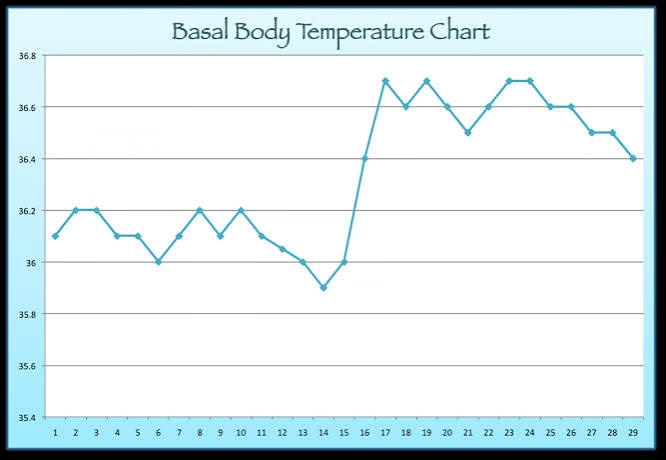
  • Basal body temperature (BBT) charting — your resting temperature rises slightly after ovulation. Tracking this daily reveals whether ovulation is occurring and when.
  • Cervical mucus monitoring — fertile cervical mucus becomes clear and stretchy around ovulation. Changes in this pattern can indicate whether ovulation is happening normally.
  • Ovulation predictor kits (OPKs) — these detect the LH surge that triggers ovulation. Be aware that women with PCOS can have elevated LH throughout their cycle, which can cause false positive readings.

If your BBT chart shows no clear temperature rise over several months, it suggests you may not be ovulating consistently — even with regular bleeding.

Does Regular-Cycle PCOS Need Treatment

Yes — if symptoms are present and affecting your quality of life, treatment is appropriate regardless of your cycle regularity.

Why Treatment Still Matters

Left unmanaged, PCOS increases long-term risks regardless of whether periods are regular:

  • Insulin resistance can progress toward type 2 diabetes
  • Elevated androgens continue driving acne, hair changes, and other symptoms
  • Chronic low-grade inflammation affects overall health
  • Fertility can be affected even with seemingly regular cycles if ovulation is inconsistent

What Management Looks Like

The approach depends on your main symptoms and which type of PCOS you have. Common strategies include:

  • A lower-glycemic diet that stabilises blood sugar and reduces insulin demand
  • Regular exercise — especially resistance training for insulin sensitivity
  • Myo-inositol supplementation, which supports ovulation and insulin function
  • Medication like metformin if insulin resistance is significant
  • Topical or oral treatments for acne and hirsutism if androgen symptoms are the main concern

The right plan is individual. A doctor or endocrinologist familiar with PCOS can help you identify which approach fits your specific pattern.

What to Say to Your Doctor

If you have regular periods but other PCOS symptoms, being specific helps your case. Use clear language when describing your symptoms. Avoid downplaying them.

Say something like:

  • “My periods are regular, but I have persistent jawline acne, hair thinning, and difficulty losing weight.”
  • “I have read that PCOS can occur with regular periods and I would like to rule it out.”
  • “Can we run a hormone panel including testosterone, DHEA-S, and fasting insulin?”

Being prepared and specific makes it harder for concerns to be dismissed. You know your body. Advocate for the tests that give you real answers.

Frequently Asked Questions

Can you have PCOS with a 28-day cycle?

Yes. A 28-day cycle is considered regular, but it does not rule out PCOS. You can meet the diagnostic criteria through elevated androgens and polycystic ovaries on ultrasound alone — without any cycle irregularity.

Can PCOS cause fertility problems even with regular periods?

Yes. If your regular periods are sometimes anovulatory — meaning no egg is released — conception becomes difficult. Even occasional missed ovulation reduces the number of fertile windows in a year. Ovulation tracking can clarify whether this is happening.

What is lean PCOS?

Lean PCOS refers to PCOS in a woman who is not overweight. Women with lean PCOS often have regular periods and no insulin resistance symptoms, making the condition even easier to miss. The hormonal imbalance is still present despite the normal weight and regular cycle.

Can PCOS with regular periods get worse over time?

Yes, especially without management. Insulin resistance tends to worsen with age, lifestyle factors, and stress. Regular-cycle PCOS can shift into more pronounced hormonal disruption over time, including cycle irregularity, if the underlying causes are not addressed.

My doctor said I cannot have PCOS because my periods are regular. What should I do?

Ask for blood tests and a pelvic ultrasound before accepting that conclusion. If your symptoms persist and your concerns are dismissed, seek a second opinion from a gynaecologist or endocrinologist who specialises in hormonal health. A normal cycle is not sufficient grounds to rule out PCOS.

Is PCOS with regular periods less serious than PCOS with irregular periods?

Not necessarily. The long-term health risks — insulin resistance, cardiovascular risk, hormonal imbalance, fertility challenges — can be present regardless of cycle regularity. The severity depends on which features of PCOS are active and how well they are managed.

This content is for informational purposes only and does not replace professional medical advice. Always consult a qualified healthcare provider for diagnosis and treatment.

To understand more about how PCOS is diagnosed and what to expect, see: How Is PCOS Diagnosed. For the full overview of the condition, see: The Complete Guide to PCOS.

Categories
PCOS

PCOS or Thyroid — How to Tell the Difference

You are tired all the time. Your periods are all over the place. You are gaining weight without changing anything. Your hair is thinning. Your mood feels off.

You search your symptoms online and land on two possible answers — PCOS or a thyroid disorder. Both seem to fit. Both involve hormones. Both affect your cycle, your weight, and your energy.

So which one is it?

This guide breaks down the key differences between PCOS and thyroid disorders. It covers how each condition works, which symptoms overlap, which symptoms are unique to each, and how doctors tell them apart.

What Is PCOS

PCOS stands for Polycystic Ovary Syndrome. It is a hormonal condition that affects the ovaries. In PCOS, the body produces too much androgen — a type of male hormone. This disrupts ovulation and causes a wide range of symptoms.

PCOS affects between 8% and 13% of women of reproductive age. Many go undiagnosed for years because the symptoms vary so much from person to person.

The three main features of PCOS are:

  • Irregular or absent periods caused by disrupted ovulation
  • Signs of excess androgen — such as acne, facial hair, or hair thinning on the scalp
  • Polycystic ovaries visible on an ultrasound scan

You do not need all three to be diagnosed. Two out of three is enough.

What Is a Thyroid Disorder

The thyroid is a small, butterfly-shaped gland in your neck. It produces hormones that control your metabolism — the rate at which your body uses energy. When the thyroid is not working properly, everything slows down or speeds up.

There are two main types of thyroid disorder:

  • Hypothyroidism — the thyroid is underactive and produces too little hormone. This is the more common type and shares the most overlap with PCOS.
  • Hyperthyroidism — the thyroid is overactive and produces too much hormone. This causes a different set of symptoms including rapid heartbeat, weight loss, and anxiety.

Hypothyroidism is the type most often confused with PCOS. The rest of this guide focuses primarily on that comparison.

Why These Two Conditions Get Confused

Both PCOS and hypothyroidism affect women more than men. Both are hormonal conditions. Both cause irregular periods, weight changes, fatigue, and hair loss.

When you look at just the surface symptoms, they can feel almost identical. This is why so many women get misdiagnosed — or spend months trying to figure out which condition they are dealing with.

The confusion goes even deeper. PCOS and thyroid disorders can occur together. Having one does not protect you from having the other. Some women are managing both at the same time without knowing it.

Symptoms That Overlap

These symptoms appear in both PCOS and thyroid disorders:

  • Irregular or missed periods
  • Weight gain or difficulty losing weight
  • Fatigue and low energy
  • Hair thinning or hair loss
  • Mood changes, anxiety, or depression
  • Difficulty concentrating or brain fog
  • Dry skin

Looking at this list alone, it is impossible to tell which condition you have. This is exactly why blood tests are necessary — symptoms alone cannot give you an answer.

Symptoms That Point More Toward PCOS

Some symptoms are far more common in PCOS than in thyroid disorders. These are driven by excess androgen, which is specific to PCOS.

Watch for these signs:

  • Excess facial or body hair — on the chin, upper lip, chest, or stomach
  • Acne along the jawline, chin, or cheeks — especially in adulthood
  • Hair thinning specifically at the crown or parting of the scalp
  • Dark patches of skin on the neck, armpits, or inner thighs
  • Irregular periods that have always been unpredictable — not a recent change
  • Difficulty getting pregnant due to irregular ovulation
  • Ovarian cysts visible on ultrasound

If you have several of these alongside the overlapping symptoms, PCOS is more likely the primary issue. However, a thyroid problem can still coexist and should be ruled out.

Symptoms That Point More Toward Thyroid Disorder

Signs of Hypothyroidism (Underactive Thyroid)

These symptoms suggest the thyroid rather than PCOS:

  • Feeling cold all the time — especially cold hands and feet
  • Constipation or very slow digestion
  • Puffy face, particularly around the eyes in the morning
  • Slow heart rate
  • Voice becoming hoarser or deeper
  • Muscle weakness or cramping
  • A visible swelling at the front of the neck (called a goitre)
  • Periods that become very heavy — not just irregular
  • Extreme fatigue that does not improve with rest

Signs of Hyperthyroidism (Overactive Thyroid)

If your thyroid is overactive, the symptoms look very different:

  • Rapid or irregular heartbeat (palpitations)
  • Unexplained weight loss despite eating normally
  • Feeling hot and sweating more than usual
  • Trembling hands
  • Nervousness and restlessness
  • Frequent bowel movements
  • Bulging eyes (in Graves’ disease, the most common cause of hyperthyroidism)

Hyperthyroidism is less commonly confused with PCOS because the symptoms are distinct. Weight loss and a racing heart are not typical PCOS features.

Key Hormonal Differences

This is where the two conditions become clearly distinct. The hormones involved are completely different.

Hormones in PCOS

PCOS involves:

  • Elevated androgens — testosterone or DHEA-S above normal range
  • A higher LH to FSH ratio than normal
  • Elevated insulin, often linked to insulin resistance
  • Normal thyroid hormones in most cases

Hormones in Thyroid Disorder

Thyroid disorders involve:

  • Elevated TSH (thyroid stimulating hormone) in hypothyroidism — the pituitary works harder to stimulate a sluggish thyroid
  • Low TSH in hyperthyroidism — the pituitary backs off when the thyroid is overproducing
  • Low T3 and T4 (active thyroid hormones) in hypothyroidism
  • High T3 and T4 in hyperthyroidism
  • Normal androgen levels in most cases

A simple blood test measuring TSH, T3, and T4 is enough to confirm or rule out a thyroid disorder. This is one of the first tests a doctor should run when PCOS symptoms are present.

How Doctors Tell Them Apart

Blood Tests

Your doctor will run a panel that covers both conditions. Key tests include:

  • TSH, free T3, free T4 — confirms or rules out thyroid dysfunction
  • Total and free testosterone, DHEA-S — checks for androgen excess pointing to PCOS
  • LH and FSH ratio — often elevated in PCOS
  • Fasting insulin and glucose — checks for insulin resistance common in PCOS
  • Full blood count and ferritin — rules out anaemia, which can also cause fatigue and hair loss

Pelvic Ultrasound

This scan checks the ovaries for the follicle pattern associated with PCOS. A thyroid disorder does not affect the ovaries, so a polycystic appearance on ultrasound points strongly toward PCOS.

Thyroid Ultrasound

If a thyroid disorder is suspected, a doctor may order a thyroid ultrasound or a thyroid antibody test. This checks for autoimmune thyroid conditions like Hashimoto’s thyroiditis, which is the most common cause of hypothyroidism.

Can You Have Both at the Same Time

Yes — and this is more common than most people realise.

Research shows that thyroid disorders occur more frequently in women with PCOS than in the general population. Hashimoto’s thyroiditis in particular has a higher prevalence among women with PCOS.

Why This Happens

Both conditions involve immune system activity and hormonal disruption. The exact connection is still being studied. But the practical implication is important — if you have PCOS, your doctor should still test your thyroid function regularly. A thyroid problem on top of PCOS can significantly worsen symptoms like fatigue, weight gain, and irregular periods.

What to Do If You Have Both

Managing both conditions at the same time is very possible. Most women with both PCOS and hypothyroidism take thyroid medication (typically levothyroxine) to normalise thyroid hormone levels, alongside PCOS-specific lifestyle and medical interventions.

Treating the thyroid condition often improves some PCOS symptoms as well — particularly fatigue and cycle irregularity.

A Simple Way to Think About It

If you are trying to make sense of your symptoms before a doctor’s appointment, think about it this way.

PCOS tends to show up as androgen-driven symptoms — acne, facial hair, scalp hair thinning, irregular periods that have always been unpredictable, and signs of insulin resistance like sugar cravings and abdominal weight gain.

A thyroid disorder tends to show up as metabolism-driven symptoms — feeling cold, constipation, puffiness, very slow or very fast heart rate, and periods that changed recently rather than always being irregular.

But because the overlap is real and both can occur together, you need blood tests to know for certain. Guessing based on symptoms alone is not enough.

What to Ask Your Doctor

Go into your appointment prepared. Ask your doctor to test for both conditions at the same time. There is no reason to test one and assume the other is fine.

Ask for:

  • A full thyroid panel — TSH, free T3, free T4, and thyroid antibodies
  • Hormone panel — testosterone, DHEA-S, LH, FSH
  • Metabolic tests — fasting insulin and fasting glucose
  • A pelvic ultrasound if PCOS is suspected

Getting a clear picture from the start saves months of confusion and back-and-forth appointments.

Frequently Asked Questions

Can a thyroid disorder cause PCOS?

A thyroid disorder does not directly cause PCOS. However, hypothyroidism can disrupt the menstrual cycle and raise prolactin levels, which can mimic PCOS symptoms closely. This is why doctors rule out thyroid issues before confirming a PCOS diagnosis.

Can PCOS affect the thyroid?

PCOS does not directly damage the thyroid. But women with PCOS have a higher rate of autoimmune thyroid conditions like Hashimoto’s thyroiditis. The connection is not fully understood, but regular thyroid testing is recommended for women with PCOS.

What is the fastest way to tell PCOS from a thyroid disorder?

A blood test. TSH measures thyroid function. Testosterone and DHEA-S measure androgen levels. These two tests together give a clear picture of which condition — or both — may be present.

I have regular periods. Can I still have PCOS?

Yes. Some women with PCOS have regular periods but still meet the other two Rotterdam Criteria — elevated androgens and polycystic ovaries on ultrasound. Regular periods alone do not rule out PCOS.

My TSH came back normal but I still feel terrible. What now?

A normal TSH does not mean all thyroid hormones are optimal. Ask your doctor to also test free T3 and free T4. Some women feel symptoms at TSH levels that fall within the standard range. If thyroid results are all normal, PCOS or another hormonal condition may be the cause.

Which condition is easier to treat?

Both are very manageable with the right approach. Hypothyroidism is often treated with a daily thyroid hormone replacement tablet, which most people tolerate well. PCOS management involves more lifestyle elements — diet, exercise, sleep, and sometimes medication — and requires a more personalised approach.

This content is for informational purposes only and does not replace professional medical advice. Always consult a qualified healthcare provider for a proper diagnosis and treatment plan.

For the complete guide to understanding and managing PCOS, see: The Complete Guide to PCOS.

Categories
PCOS

How PCOS Is Diagnosed — What to Expect at Every Step

Getting a PCOS diagnosis can feel like a long, frustrating journey. Many women visit multiple doctors before anyone takes their symptoms seriously. Others get a diagnosis but never fully understand how the doctor reached that conclusion.

If you suspect you have PCOS, knowing what the diagnostic process looks like puts you in a stronger position. You will know what to ask for, what tests to expect, and why no single test can confirm PCOS on its own.

This guide walks you through the entire process — from your first appointment to getting a confirmed diagnosis.

Why PCOS Is Hard to Diagnose

PCOS does not show up on one simple test. There is no blood marker that says “yes, you have PCOS.” Doctors diagnose it by looking at a combination of symptoms, test results, and ruling out other conditions.

This is why diagnosis can take time. Two women with PCOS can have completely different symptoms. One may have irregular periods and acne. Another may have regular periods but elevated testosterone and polycystic ovaries on a scan.

The process requires patience. But once you understand the steps, it becomes much less overwhelming.

Step One — Visiting Your Doctor

What to Bring to Your First Appointment

Your first appointment sets the tone for everything that follows. Come prepared. Bring a written summary of your symptoms, even if they seem unrelated to each other.

Be ready to discuss:

  • Your menstrual cycle history — how long, how regular, how heavy
  • Any changes in your skin, hair, or weight
  • Family history of PCOS, diabetes, or hormonal conditions
  • Any medications or supplements you currently take

Do not downplay your symptoms. Many women describe feeling dismissed at first appointments. Being specific and prepared makes it harder for concerns to be brushed aside.

What the Doctor Will Ask You

Your doctor will likely ask how long you have had symptoms and whether they have changed over time. They will ask about your periods — whether they are irregular, absent, or very heavy. They may also ask about stress levels, diet, and any previous diagnoses.

This conversation matters. It helps the doctor decide which tests to order next.

Step Two — The Physical Examination

A physical exam checks for visible signs of androgen excess. This is the term for higher-than-normal levels of male hormones like testosterone.

Your doctor may look for:

  • Acne, especially along the jawline and chin
  • Excess hair on the face, chest, or stomach (called hirsutism)
  • Hair thinning on the scalp
  • Dark patches of skin on the neck, armpits, or groin (called acanthosis nigricans)
  • Weight distribution, particularly around the abdomen

These physical signs give the doctor valuable clues. They help narrow down whether androgen excess is playing a role in your symptoms.

Step Three — Blood Tests

Blood tests are a core part of diagnosing PCOS. They help confirm hormonal imbalances and rule out other conditions that can mimic PCOS symptoms.

Hormone Tests

Your doctor will likely test:

  • Testosterone (total and free) — elevated levels point toward androgen excess
  • LH and FSH ratio — women with PCOS often have a higher LH to FSH ratio than normal
  • DHEA-S — an androgen produced by the adrenal glands, elevated in some types of PCOS
  • Prolactin — to rule out a pituitary gland problem
  • AMH (anti-Müllerian hormone) — often elevated in PCOS, reflects the number of follicles present

Metabolic Tests

Because insulin resistance is present in up to 70% of women with PCOS, these tests are important:

  • Fasting insulin and fasting glucose — checks how well your body handles blood sugar
  • HbA1c — a longer-term marker of blood sugar regulation
  • Lipid panel — checks cholesterol levels, which can be affected by PCOS

Thyroid Tests

Thyroid conditions can cause irregular periods and weight changes — just like PCOS. Your doctor will test TSH (thyroid stimulating hormone) to rule this out before confirming a PCOS diagnosis.

Step Four — Pelvic Ultrasound

A pelvic ultrasound lets the doctor look directly at your ovaries and uterus. It checks for the characteristic follicle pattern associated with PCOS.

What the Ultrasound Looks For

The doctor or sonographer will check:

  • The number of follicles in each ovary
  • The size of the ovaries
  • The appearance and thickness of the uterine lining

In PCOS, the ovaries often contain multiple small follicles arranged around the outer edge. This is sometimes described as a “string of pearls” appearance. The current threshold used in many guidelines is twelve or more follicles per ovary, or an ovarian volume greater than ten millilitres.

Transvaginal vs Abdominal Ultrasound

A transvaginal ultrasound — where a small probe is gently inserted into the vagina — gives a clearer image of the ovaries. An abdominal ultrasound is performed externally and may be used for women who prefer it or for those who have not been sexually active.

Both are safe. Your doctor will discuss which option is more appropriate for you.

One Important Note

You can have PCOS without polycystic ovaries on ultrasound. And you can have follicles on ultrasound without having PCOS. The scan is one piece of the puzzle — not the whole picture.

Step Five — The Rotterdam Criteria

This is the framework doctors use to make a formal PCOS diagnosis. It was established at a 2003 consensus meeting in Rotterdam and remains the most widely used diagnostic standard worldwide.

What the Rotterdam Criteria Requires

To receive a PCOS diagnosis, you need to meet at least two of these three criteria:

  • Irregular or absent ovulation — usually reflected in irregular or missing periods
  • Clinical or biochemical signs of androgen excess — either visible symptoms like acne and hirsutism, or elevated androgens on blood tests
  • Polycystic ovaries on ultrasound — meeting the follicle count or volume threshold

You do not need all three. Two out of three is sufficient for a diagnosis.

Why This Matters for You

Because only two criteria are needed, PCOS can present in several different combinations. This is why the condition looks so different from person to person. It also explains why some women with PCOS have regular periods, or why some have no visible cysts on ultrasound.

Step Six — Ruling Out Other Conditions

Before confirming PCOS, doctors need to rule out other conditions that cause similar symptoms. This step is essential and sometimes overlooked.

Conditions that can mimic PCOS include:

  • Thyroid disorders — hypothyroidism causes weight gain, fatigue, and irregular periods
  • Hyperprolactinemia — elevated prolactin from a pituitary issue can disrupt periods and cause acne
  • Congenital adrenal hyperplasia (CAH) — a genetic condition that causes excess androgen production
  • Cushing’s syndrome — a condition involving excess cortisol, with symptoms that overlap significantly with PCOS
  • Premature ovarian insufficiency — causes irregular or absent periods in younger women

Your doctor will use your blood test results and medical history to work through this list. Ruling these out is what makes a PCOS diagnosis reliable.

What Happens After Diagnosis

Getting a Clear Explanation

Once diagnosed, ask your doctor to explain which criteria you met. Understanding whether your PCOS involves androgen excess, irregular ovulation, or polycystic ovaries — or a combination — helps you understand your specific type and what drives your symptoms.

Discussing Next Steps

There is no cure for PCOS, but it is very manageable. Your doctor should discuss:

  • Lifestyle changes — diet and exercise that target insulin resistance
  • Medication options — depending on your main symptoms and whether you want to conceive
  • Monitoring — what to track and how often to follow up

If you feel your concerns are being dismissed or your diagnosis feels rushed, it is completely reasonable to seek a second opinion. A gynaecologist or endocrinologist who specialises in PCOS will offer a more thorough assessment.

Diagnosing PCOS in Teenagers

Diagnosing PCOS in adolescents requires extra care. Irregular periods and mild acne are normal during early puberty. This makes it difficult to separate typical teenage hormonal changes from genuine PCOS.

Most guidelines recommend waiting at least two years after the first period before making a PCOS diagnosis in a teenager. The same Rotterdam Criteria apply, but doctors apply them more cautiously in younger patients.

If you are a parent concerned about a teenager’s symptoms, raise it with a doctor — but expect a longer observation period before a formal diagnosis is given.

Frequently Asked Questions

Can a doctor diagnose PCOS from symptoms alone?

No. Symptoms give important clues, but a formal diagnosis requires meeting the Rotterdam Criteria. This means at least two of the three criteria must be confirmed through examination, blood tests, or ultrasound.

Do I need an ultrasound to be diagnosed with PCOS?

Not necessarily. If you already meet the first two Rotterdam criteria — irregular ovulation and signs of androgen excess — a diagnosis can be made without an ultrasound. However, most doctors will recommend one to get a complete picture.

Can PCOS be diagnosed during a regular period?

Yes. Irregular periods are one criterion, not a requirement. Women with regular periods can still be diagnosed with PCOS if they meet the other two criteria.

What if my blood tests come back normal?

Normal blood tests do not rule out PCOS. Some women with PCOS have testosterone levels within the standard range. This is why the Rotterdam Criteria looks at the full combination — not any single result.

How long does it take to get a PCOS diagnosis?

It varies widely. Some women get a diagnosis within one or two appointments. Others take months or years, particularly if symptoms are mild or if previous doctors did not consider PCOS. Bringing a written symptom history to your appointment can speed up the process significantly.

Should I see a gynaecologist or a GP first?

Starting with your GP is fine. They can order the initial blood tests and ultrasound. If the results are complex or your symptoms are severe, your GP can refer you to a gynaecologist or endocrinologist for a more detailed evaluation.

This content is for informational purposes only and does not replace medical advice. Always consult a qualified healthcare provider for diagnosis and treatment.

For the full picture of PCOS including types, causes, and treatment, see our main guide: The Complete Guide to PCOS.

Categories
PCOS

What Are the 4 Types of PCOS — And Which One Do You Have?

Most women who receive a PCOS diagnosis are handed a set of standard recommendations — eat less sugar, exercise more, consider the pill — and sent on their way. What is rarely explained is that PCOS is not a single, uniform condition. There are distinct types, each with a different root cause, and the management approach that works for one type can be ineffective or even counterproductive for another.

If you have been doing everything right and still feel stuck, understanding which type of PCOS you have may be the missing piece.

Why PCOS Types Matter

The name Polycystic Ovary Syndrome describes a collection of symptoms, not a single disease process. Two women can both have a confirmed PCOS diagnosis — same hormonal markers, similar symptoms — and yet the underlying driver in each case can be completely different.

One woman’s PCOS may be driven entirely by insulin resistance. Another’s may have nothing to do with insulin at all, and everything to do with chronic stress and adrenal dysfunction. Treating both women identically is not effective medicine. It is why so many women with PCOS cycle through recommendations that produce little result.

What are the 4 types of PCOS? The four types of PCOS currently recognized in integrative and functional medicine — insulin-resistant, inflammatory, adrenal, and post-pill — are not official medical classifications endorsed by all conventional clinicians. But they represent a practical and evidence-informed framework for understanding what is actually driving your symptoms, and they are increasingly being adopted by PCOS-specialist practitioners worldwide.

Type One — Insulin-Resistant PCOS

What It Is

Insulin-resistant PCOS is the most prevalent type, estimated to account for the majority of all PCOS cases — some researchers suggest as many as 70%. It is the type most people picture when they think of PCOS, and the one most widely covered in mainstream medical resources.

Insulin is a hormone produced by the pancreas to help cells absorb glucose from the bloodstream for energy. When cells become resistant to insulin’s signal, the pancreas produces increasingly larger amounts to compensate. Chronically elevated insulin levels directly stimulate the ovaries to produce excess androgens, which disrupts ovulation and triggers the cascade of PCOS symptoms.

How to Recognize It

The hallmark signs of insulin-resistant PCOS go beyond irregular periods and include metabolic symptoms that are sometimes overlooked in the context of hormonal health:

  • Persistent difficulty losing weight, particularly around the abdomen, despite dietary effort
  • Intense carbohydrate or sugar cravings — especially in the afternoon or after meals
  • Energy crashes and fatigue after eating, particularly after carbohydrate-heavy meals
  • Skin darkening in body folds — on the back of the neck, in the groin, or under the arms (acanthosis nigricans)
  • Elevated fasting insulin levels on blood testing, even when fasting glucose is still within normal range
  • A family history of type 2 diabetes, insulin resistance, or metabolic syndrome

It is important to note that insulin-resistant PCOS is not exclusive to women who are overweight. Lean women can have significant insulin resistance. Body weight is not a reliable indicator of this type.

Management Approach

The most effective interventions target insulin sensitivity directly:

  • A lower-glycemic diet that minimizes blood sugar spikes — prioritizing fiber, protein, and healthy fats at each meal while reducing refined carbohydrates and added sugars
  • Resistance training, which is particularly effective at improving insulin sensitivity by increasing glucose uptake into muscle tissue
  • Myo-inositol supplementation, which has strong clinical evidence for improving insulin signaling and restoring more regular ovulation in this type
  • Metformin, prescribed medically, improves cellular insulin response and has been shown to reduce androgen levels and support more regular cycles in insulin-resistant PCOS
  • Reducing sedentary behavior throughout the day — even short walks after meals can meaningfully reduce post-meal blood glucose responses

Type Two — Inflammatory PCOS

What It Is

Inflammatory PCOS is driven by chronic low-grade inflammation in the body rather than insulin resistance. In this type, a persistently activated immune response stimulates the adrenal glands and ovaries to produce excess androgens, leading to the hormonal disruption characteristic of PCOS.

Inflammation in this context does not mean the visible, acute swelling associated with an injury. It refers to a state of ongoing, low-level immune activation that can persist for years without obvious symptoms — yet steadily disrupts the hormonal systems that govern ovulation.

How to Recognize It

Women with inflammatory PCOS often present with symptoms that extend beyond the reproductive system and may initially seem unrelated to hormonal health:

  • Persistent fatigue that does not improve with adequate sleep
  • Frequent headaches or migraines
  • Chronic skin issues beyond typical hormonal acne — eczema, psoriasis, or general skin inflammation
  • Digestive problems including bloating, irregular bowel movements, or food sensitivities
  • Joint discomfort or general body aches without a clear cause
  • Elevated inflammatory markers on blood tests — CRP (C-reactive protein), ESR, or white blood cell count
  • Sensitivity to environmental triggers such as certain foods, chemicals, or mold

A useful distinguishing feature is that inflammatory PCOS does not always involve significant insulin resistance or weight gain. Women with this type may have relatively normal metabolic markers but still experience the full range of androgenic symptoms.

Management Approach

Reducing systemic inflammation is the central goal:

  • An anti-inflammatory dietary pattern — rich in vegetables, oily fish, olive oil, and polyphenol-dense foods, while reducing ultra-processed foods, trans fats, and refined seed oils
  • Identifying and addressing specific food triggers — gluten and dairy are the most common dietary contributors to inflammation in some women, though this is individual
  • Gut health optimization — emerging research strongly links gut microbiome diversity to the inflammatory environment in PCOS; probiotic-rich foods and prebiotic fiber support a healthier gut
  • Reducing toxic load from environmental sources where possible — certain plasticizers, pesticides, and synthetic fragrances act as endocrine disruptors that worsen inflammation
  • Omega-3 fatty acid supplementation, which has documented anti-inflammatory effects and has been studied specifically in the context of PCOS
  • Adequate sleep — sleep deprivation elevates inflammatory markers measurably

Type Three — Adrenal PCOS

What It Is

Adrenal PCOS is distinct from the other types in that the androgen excess originates not in the ovaries but in the adrenal glands — the small glands that sit above the kidneys and are responsible for producing stress hormones including cortisol and adrenaline.

When the adrenal glands are under chronic stress, they overproduce androgens — particularly DHEA-S (dehydroepiandrosterone sulfate). Unlike ovarian testosterone, DHEA-S is produced regardless of insulin levels, which means the standard insulin-focused interventions for PCOS may produce limited results in this type.

This is one of the most commonly missed PCOS types because it does not fit the typical metabolic profile, and standard PCOS treatment protocols are not designed with adrenal dysfunction in mind.

How to Recognize It

Adrenal PCOS has a distinct hormonal fingerprint:

  • Blood tests show elevated DHEA-S but normal or near-normal testosterone and insulin levels
  • The classic PCOS symptoms — acne, hair thinning, irregular periods — are present
  • No significant insulin resistance, often normal or lean body weight
  • A clear pattern of worsening symptoms during periods of high stress
  • History of chronic stress, burnout, anxiety, or trauma — including adverse childhood experiences
  • Poor response to standard dietary interventions that work well for insulin-resistant PCOS
  • Fatigue that feels different from metabolic fatigue — more of a depleted, burnt-out exhaustion than an energy crash

Management Approach

Managing adrenal PCOS requires a fundamentally different approach centered on nervous system regulation and adrenal recovery:

  • Identifying and addressing the sources of chronic stress in daily life
  • Nervous system regulation practices — breathwork, yoga, meditation, and time in nature all have documented effects on cortisol levels and HPA axis function
  • Avoiding over-exercising — high-intensity exercise elevates cortisol and can worsen adrenal PCOS; gentle to moderate exercise is more appropriate
  • Prioritizing sleep quality above almost everything else — the adrenal glands do much of their recovery work during deep sleep
  • Adaptogenic herbs — ashwagandha and rhodiola have some evidence for supporting adrenal function and reducing cortisol, though these should be used with appropriate guidance
  • Vitamin C, magnesium, and B vitamins support adrenal function and are often depleted under chronic stress
  • Addressing trauma history — for women with significant adverse life experiences, working with a therapist who understands the mind-body connection is often more impactful than any supplement or dietary change

For a detailed exploration of how stress drives PCOS, see: Can Stress Cause PCOS.

Type Four — Post-Pill PCOS

What It Is

Post-pill PCOS is a temporary hormonal disruption that can occur after discontinuing hormonal birth control pills. This type is increasingly common as more women question long-term hormonal contraceptive use, and as clinicians become more aware of the hormonal recalibration that follows discontinuation.

Hormonal contraceptives work by suppressing the body’s natural hormone production — specifically by preventing the pituitary from signaling ovulation. When the pill is stopped, the body must restart its own hormonal communication system. For many women this transition is smooth. For some, the restart produces a temporary surge in androgens and a disruption of the hypothalamic-pituitary-ovarian axis that looks and feels exactly like PCOS.

There is also a second, distinct presentation: some women already had subclinical hormonal dysregulation before starting the pill, which was masked by the synthetic hormones. When the pill is removed, the underlying imbalance becomes visible for the first time — and is often mistaken for a new condition when it was present all along.

How to Recognize It

The key distinguishing factor is timing — symptoms emerged specifically after stopping hormonal contraceptives:

  • Regular periods before starting the pill, followed by irregular or absent periods after stopping
  • Acne flare-up in the weeks to months after discontinuation — often more severe than pre-pill acne
  • Hair shedding (telogen effluvium) triggered by the drop in synthetic estrogen
  • Mood changes including anxiety, low mood, or emotional dysregulation
  • Symptoms that began within three to six months of stopping the pill and have not been present lifelong

True post-pill PCOS tends to resolve on its own within six to twelve months in many cases. However, this is not universal, and supportive interventions can significantly ease the transition.

Management Approach

Patience is the most important element — many cases resolve with time as the body’s hormonal axis recalibrates. Supportive measures include:

  • Ensuring nutritional adequacy, as the pill depletes several key micronutrients including B vitamins (particularly B6 and folate), zinc, and magnesium — replenishing these supports the hormonal restart
  • Myo-inositol may help restore more regular ovulation during the recalibration period
  • Avoiding unnecessary stress on the system during the transition — this is not the time for extreme dietary restriction or high-intensity exercise programs
  • If symptoms persist beyond twelve months without improvement, investigating for underlying hormonal dysregulation — what appeared to be post-pill PCOS may actually be insulin-resistant or adrenal PCOS that was masked by contraceptive hormones

Can You Have More Than One Type

Yes — and this is more common than not. Insulin resistance and inflammation frequently coexist. Adrenal PCOS often exists alongside inflammatory or post-pill PCOS. Understanding your primary driver is the most practical starting point, but a comprehensive approach that addresses multiple pathways is often the most effective strategy.

How to Identify Your Type

There is no single definitive test for categorizing PCOS types. The most useful approach combines a detailed blood panel with an honest assessment of symptoms and lifestyle history.

A comprehensive panel for PCOS type identification typically includes:

  • Fasting insulin and fasting glucose (and ideally a two-hour post-meal glucose reading)
  • Testosterone (total and free) and DHEA-S
  • LH and FSH ratio
  • CRP and possibly ESR for inflammatory markers
  • Thyroid panel to rule out thyroid-driven symptoms
  • Full blood count

Working with a gynaecologist or endocrinologist who takes a functional approach to PCOS — rather than simply treating symptoms in isolation — gives you the best chance of identifying what is actually driving your condition and building a management strategy that addresses the root cause.

Frequently Asked Questions

Is there a medical test that identifies which type of PCOS I have?

There is no single diagnostic test. Identifying your type involves interpreting a combination of blood markers, symptoms, lifestyle history, and response to previous interventions. Elevated fasting insulin suggests insulin-resistant PCOS; elevated DHEA-S with normal insulin suggests adrenal PCOS; elevated inflammatory markers alongside digestive or skin issues suggest inflammatory PCOS.

Can PCOS type change over time?

Yes. Hormonal and metabolic conditions evolve. A woman who primarily had post-pill PCOS in her twenties may develop insulin resistance as she gets older. Chronic stress over years can shift the balance toward adrenal involvement. Regular monitoring helps ensure your management approach stays aligned with your current hormonal picture.

Is lean PCOS the same as adrenal PCOS?

Not necessarily. Lean PCOS refers to PCOS in a woman without excess weight, but the underlying driver can be any of the four types. Insulin-resistant PCOS can affect lean women. Adrenal PCOS is one common cause of lean PCOS, but the two terms are not synonymous.

Does the type of PCOS affect fertility differently?

To some extent, yes. Insulin-resistant PCOS responds well to insulin-sensitizing interventions for restoring ovulation. Inflammatory PCOS may require addressing gut health and inflammation before fertility improves. Adrenal PCOS often improves with stress reduction. Post-pill PCOS frequently resolves on its own as the hormonal axis resets. Understanding your type helps direct fertility support more precisely.

Can I manage PCOS without identifying my specific type?

You can — and many women do. However, understanding your type helps explain why certain approaches work and others do not, can prevent wasted effort on interventions that do not address your root cause, and gives you a much clearer framework for monitoring progress.

For the full picture of PCOS including diagnosis, treatment options, and long-term management, return to the main guide: The Complete Guide to PCOS.

This content is for informational purposes only and does not constitute medical advice. Always consult a qualified healthcare professional for diagnosis and treatment.

Categories
PCOS

Root Cause of PCOS Hormonal Imbalance: What’s Really Going On Inside Your Body

If you’ve been told you have PCOS, chances are you’ve also heard phrases like “hormonal imbalance,” “insulin resistance,” or “irregular periods.” But what does all of that actually mean for your body?

Let’s simplify it.

PCOS isn’t just one problem. It’s a chain reaction. And at the center of that chain is a deeper imbalance that quietly affects multiple systems in your body.

This article breaks it down in a way that actually makes sense, so you can stop guessing and start understanding what your body is trying to tell you.

What Is PCOS, Really?

Polycystic Ovary Syndrome is a hormonal condition that affects how your ovaries function. But it’s not just about the ovaries.

It involves:

  • Hormones
  • Metabolism
  • Insulin response
  • Inflammation
  • Even stress signals

That’s why symptoms can look very different from one person to another.

Some women struggle with irregular periods. Others deal with weight gain, acne, or hair growth. And many experience all of it at once.

The Root Cause of PCOS Hormonal Imbalance

Let’s get straight to the point.

The root cause of PCOS hormonal imbalance is not just one thing. It’s usually a combination of:

  • Insulin resistance
  • Excess androgen production
  • Chronic low-grade inflammation
  • Disrupted brain-ovary communication

These factors feed into each other and create a cycle that keeps the imbalance going.

Insulin Resistance: The Hidden Driver

This is where things often begin.

Insulin is a hormone that helps your body use sugar for energy. But when your cells stop responding properly, your body produces more insulin to compensate.

That’s insulin resistance.

And here’s the important part:

High insulin levels directly stimulate your ovaries to produce more androgens, which are often called male hormones.

This leads to:

  • Irregular ovulation
  • Missed periods
  • Acne
  • Facial hair growth
  • Difficulty losing weight

Even if your blood sugar looks “normal,” insulin resistance can still be present.

Androgens: Why Hormones Go Out of Balance

When androgen levels rise, everything starts to shift.

Your body needs a balance between estrogen, progesterone, and androgens. In PCOS, that balance tilts.

Too many androgens can:

  • Prevent the release of eggs from the ovaries
  • Disrupt menstrual cycles
  • Trigger acne and oily skin
  • Cause hair thinning or unwanted hair growth

This is why PCOS is often linked to irregular periods and fertility struggles.

Inflammation: The Silent Amplifier

Chronic low-grade inflammation doesn’t always show obvious symptoms, but it plays a powerful role in PCOS.

Inflammation can:

  • Worsen insulin resistance
  • Stimulate more androgen production
  • Affect how your body processes hormones

It’s like adding fuel to an already burning fire.

Common contributors include:

  • Processed foods
  • Poor sleep
  • Stress
  • Environmental toxins

Brain-Ovary Connection: When Signals Get Confused

Your brain and ovaries are constantly communicating through hormones.

In PCOS, this communication gets disrupted.

The brain sends signals that lead to:

  • Increased luteinizing hormone
  • Reduced follicle-stimulating hormone balance

This imbalance prevents proper ovulation.

So even if your body is trying to ovulate, the signals aren’t coordinated correctly.

Why It Feels Like Everything Is Connected

Because it is.

  • Insulin resistance increases androgens
  • Androgens disrupt ovulation
  • Lack of ovulation affects progesterone
  • Low progesterone affects mood, cycles, and fertility

It’s a loop.

And unless the root cause is addressed, symptoms tend to keep coming back.

Different Types of PCOS Imbalance

Not all PCOS looks the same. Understanding your type can help you approach it more effectively.

Common patterns include:

  • Insulin-resistant PCOS
  • Inflammatory PCOS
  • Adrenal PCOS linked to stress hormones
  • Post-pill PCOS

Many women have a mix of these rather than just one.

How Lifestyle Triggers the Imbalance

Your daily habits can either calm the imbalance or make it worse.

Some common triggers:

  • High sugar and refined carbohydrate intake
  • Lack of physical activity
  • Chronic stress
  • Poor sleep patterns

This doesn’t mean lifestyle alone caused PCOS. But it can strongly influence how severe the symptoms become.

Can Hormonal Balance Be Restored?

Yes, but it takes a targeted approach.

Instead of just treating symptoms, the focus should be on correcting the underlying imbalance.

Here’s what helps:

Improving Insulin Sensitivity

  • Balanced meals with protein, fiber, and healthy fats
  • Reducing sugar spikes
  • Regular movement

Supporting Hormonal Balance

  • Prioritizing sleep
  • Managing stress levels
  • Eating nutrient-dense foods

Reducing Inflammation

  • Whole foods over processed foods
  • Anti-inflammatory nutrients
  • Hydration

Supporting Ovulation Naturally

  • Stable blood sugar
  • Healthy body weight
  • Consistent routines

Why “Quick Fixes” Don’t Work

It’s tempting to look for a single solution.

But PCOS doesn’t work that way.

Real improvement comes from consistency, not extremes.

Emotional Impact of PCOS

This part is often overlooked.

Hormonal imbalance doesn’t just affect your body. It affects how you feel.

  • Mood swings
  • Anxiety
  • Low confidence
  • Frustration with symptoms

Understanding the root cause can actually reduce that stress, because things start to make sense.

The Good News

PCOS is manageable.

When you understand the root cause of the hormonal imbalance, your approach becomes clearer.

Instead of fighting your body, you start working with it.

And that’s where real change begins.


FAQs

What is the main root cause of PCOS hormonal imbalance?

The main root cause is often insulin resistance, which increases androgen levels and disrupts normal ovulation.

Can PCOS hormonal imbalance be reversed?

It can be managed effectively with lifestyle changes, medical support, and addressing underlying causes like insulin resistance and inflammation.

Why does PCOS cause irregular periods?

High androgen levels interfere with ovulation, leading to irregular or missed menstrual cycles.

Is weight gain a cause or symptom of PCOS?

It can be both. Insulin resistance can lead to weight gain, and excess weight can further worsen hormonal imbalance.

Does stress affect PCOS hormonal imbalance?

Yes, chronic stress can increase cortisol levels, which may worsen hormonal imbalance and PCOS symptoms.

Categories
PCOS

What Causes PCOS in Young Females

Polycystic Ovary Syndrome is one of the most common hormonal conditions affecting young females today. It often begins during adolescence, yet many remain unaware of what actually triggers it. Understanding the causes can help with early identification, better management, and long-term health protection.

This guide explains the real reasons behind PCOS in young females, breaking down the science into simple, practical insights.

What is PCOS

PCOS is a hormonal imbalance where the ovaries produce higher-than-normal levels of androgens, often called male hormones. This imbalance can affect ovulation, menstrual cycles, and overall metabolism.

Young females with PCOS may experience:

  • Irregular periods
  • Acne or oily skin
  • Excess facial or body hair
  • Weight gain or difficulty losing weight
  • Hair thinning

However, the root causes are not always obvious. PCOS does not come from a single reason but from a combination of biological and lifestyle factors.

Main Causes of PCOS in Young Females

Hormonal Imbalance

Hormones play a central role in PCOS.

  • Increased androgen levels interfere with normal ovulation
  • Eggs may not mature or release properly
  • This leads to irregular or missed periods

In young females, hormonal fluctuations during puberty can sometimes trigger or worsen this imbalance.

Insulin Resistance

One of the most important and often overlooked causes is insulin resistance.

  • The body’s cells do not respond properly to insulin
  • The pancreas produces more insulin to compensate
  • High insulin levels stimulate the ovaries to produce more androgens

This creates a cycle:

  • More insulin leads to more androgens
  • More androgens worsen PCOS symptoms

Insulin resistance is common even in young females who are not overweight.

Genetics

PCOS often runs in families.

  • If a mother or sister has PCOS, the risk increases
  • Certain genes may influence hormone regulation and insulin sensitivity

This does not mean it is unavoidable, but genetic predisposition plays a strong role.

Inflammation

Low-grade inflammation in the body is another contributing factor.

  • The immune system releases substances that can stimulate androgen production
  • This increases hormonal imbalance
  • It may also worsen insulin resistance

Inflammation is often linked to poor diet, stress, and lack of physical activity.

Lifestyle Factors

Modern lifestyle habits significantly influence PCOS development.

  • High intake of processed foods and sugar
  • Sedentary routine
  • Irregular sleep patterns
  • Chronic stress

These factors do not directly cause PCOS alone, but they can trigger or worsen underlying conditions like insulin resistance and inflammation.

Obesity and Weight Gain

Weight is closely linked to PCOS, but it is not the only cause.

  • Excess body fat can increase insulin resistance
  • It can also affect hormone levels
  • Fat tissue produces hormones that disrupt balance

However, it is important to note:

  • Many young females with PCOS are not overweight
  • Lean PCOS is a recognized condition

Early Puberty Changes

During adolescence, the body undergoes major hormonal changes.

  • Hormone levels fluctuate naturally
  • In some cases, these fluctuations become prolonged
  • This may lead to irregular cycles that develop into PCOS

This is why symptoms often appear in teenage years.

Environmental Factors

Exposure to certain environmental elements may also play a role.

  • Hormone-disrupting chemicals in plastics and cosmetics
  • Pollution
  • Processed food additives

These factors can interfere with endocrine function over time.

Why PCOS is Increasing in Young Females

There has been a noticeable rise in PCOS cases among younger age groups.

Possible reasons include:

  • Increased consumption of processed and fast foods
  • Reduced physical activity
  • Higher stress levels due to academic and social pressures
  • Increased screen time and poor sleep habits

These changes create an environment where hormonal imbalances are more likely to occur.

Early Signs to Watch For

Recognizing early symptoms can make a big difference.

  • Irregular or skipped periods
  • Severe acne that does not respond to basic treatment
  • Unusual hair growth on face or body
  • Sudden weight gain
  • Dark patches on skin, especially around neck or underarms

Early detection allows for better management and prevents complications.

Can PCOS Be Prevented

PCOS cannot always be completely prevented, especially if genetics are involved. However, its severity can be reduced with the right habits.

Healthy Lifestyle Practices

  • Balanced diet with whole foods
  • Regular physical activity
  • Maintaining a healthy weight
  • Managing stress effectively
  • Consistent sleep routine

These steps can improve insulin sensitivity and hormone balance.

Long-Term Health Risks if Ignored

If not managed properly, PCOS can lead to complications later in life.

This is why early awareness and action are important.

Treatment and Management Approach

There is no single cure, but PCOS can be managed effectively.

Medical Support

  • Hormonal treatments to regulate periods
  • Medications to improve insulin sensitivity
  • Dermatological treatments for skin issues

Lifestyle Management

A combination of both medical and lifestyle approaches works best.

Final Thoughts

PCOS in young females is influenced by a mix of hormonal, genetic, and lifestyle factors. It is not caused by one single reason, and it is not something to ignore.

The good news is that with early awareness and consistent care, symptoms can be managed effectively. Small daily changes can have a powerful impact over time.

FAQs

What is the main cause of PCOS in young females?

  • The main cause is a combination of hormonal imbalance and insulin resistance, often influenced by genetics and lifestyle

Can a thin girl have PCOS?

  • Yes, PCOS can affect females of any body type, including those who are not overweight

At what age does PCOS usually start?

  • It often begins during teenage years, especially soon after puberty

Is PCOS caused by poor diet alone?

  • No, diet alone does not cause PCOS, but unhealthy eating habits can worsen symptoms

Can PCOS go away naturally?

  • It cannot always be cured, but symptoms can be managed effectively with lifestyle changes and treatment

Does stress cause PCOS?

  • Stress does not directly cause PCOS but can worsen hormonal imbalance and symptoms


Exit mobile version