
Asthma is a chronic respiratory condition that affects millions of people worldwide. Anyone who lives with asthma knows how unpredictable it can be—one day breathing feels normal, the next day even mild exertion triggers wheezing, chest tightness, or shortness of breath. Because conventional treatment often involves long-term medication, many people look for complementary approaches. One practice that frequently comes up is pranayama, the yogic science of breathing.
This naturally raises an important and sensitive question: Can pranayama cure asthma?
The short answer is nuanced. Pranayama is not a standalone cure for asthma, but growing scientific evidence suggests it can play a valuable supportive role in asthma management, symptom control, and quality of life when used alongside standard medical treatment.
This article explores the relationship between pranayama and asthma in depth—what research says, how it may help, its limitations, and how it can be safely integrated into an asthma treatment plan.
Understanding Asthma: A Chronic Condition
Asthma is a chronic inflammatory disease of the airways. In people with asthma, the airways become:
- Inflamed and swollen
- Hypersensitive to triggers
- Narrowed due to muscle tightening and mucus production
Common asthma triggers include:
- Allergens (dust, pollen, pet dander)
- Cold air
- Exercise
- Respiratory infections
- Stress and anxiety
- Air pollution and smoke
Because asthma involves ongoing airway inflammation, most medical guidelines agree on one key point: asthma cannot be permanently cured, but it can be effectively controlled.
Current Medical Treatment for Asthma
Standard asthma and treatment protocols usually include:
- Inhaled corticosteroids to reduce airway inflammation
- Bronchodilators to relax airway muscles
- Long-acting controller medications for persistent asthma
- Emergency medications for acute asthma attacks and status asthmaticus treatment
Modern bronchial asthma treatment focuses on:
- Preventing symptoms
- Reducing flare-ups
- Improving lung function
- Maintaining a normal lifestyle
Despite effective medications, many patients still experience:
- Side effects
- Anxiety related to breathing
- Dependence on rescue inhalers
This is where complementary practices like pranayama breathing attract interest.
What Is Pranayama?
Pranayama is a yogic breathing practice rooted in ancient Indian traditions. The word comes from Sanskrit:
- Prana = life force or vital energy
- Ayama = expansion or regulation
Pranayama breathing techniques focus on controlled inhalation, exhalation, and breath retention to influence both the body and the nervous system.
Unlike ordinary breathing, pranayama emphasizes:
- Conscious breath control
- Slow, rhythmic patterns
- Nasal breathing
- Awareness of breath movement
Why Pranayama Is Relevant to Asthma
Asthma is not just a physical condition; it also has a strong emotional and neurological component. Stress and anxiety can worsen symptoms, tighten airway muscles, and trigger attacks.
Pranayama influences:
- The autonomic nervous system
- Stress hormone levels
- Breathing efficiency
- Respiratory muscle coordination
These effects explain why pranayama is often studied as an adjunct therapy for asthma and treatment.
Scientific Evidence: What Research Says
Pranayama and Lung Function
Several clinical studies have found that regular pranayama practice may improve:
- Forced expiratory volume (FEV1)
- Peak expiratory flow rate (PEFR)
- Breath control and endurance
Improved lung function does not mean asthma is cured, but it can lead to better symptom control.
Pranayama and Reduced Asthma Symptoms
Research published in peer-reviewed medical journals has shown that people practicing yogic breathing often report:
- Fewer asthma attacks
- Reduced wheezing and chest tightness
- Improved exercise tolerance
- Better sleep quality
These improvements are particularly noticeable in mild to moderate asthma.
Stress Reduction and Asthma Control
Stress is a known asthma trigger. Pranayama activates the parasympathetic nervous system, which:
- Slows the breathing rate
- Reduces muscle tension
- Lowers cortisol levels
This calming effect can reduce stress-induced bronchoconstriction, making pranayama a helpful supportive therapy.
Can Pranayama Cure Asthma? A Clear Answer
From a medical and scientific perspective:
- Asthma cannot currently be cured
- Pranayama alone cannot eliminate the disease
- Asthma can be treated and managed effectively
However, pranayama may:
- Reduce symptom severity
- Improve breathing efficiency
- Decrease reliance on rescue medication (under medical supervision)
- Enhance overall respiratory health
In other words, pranayama is best understood as a supportive, complementary therapy, not a replacement for medical asthma treatment.
Best Pranayama Techniques for Asthma Support
Certain breathing techniques are considered safer and more beneficial for people with asthma.
-
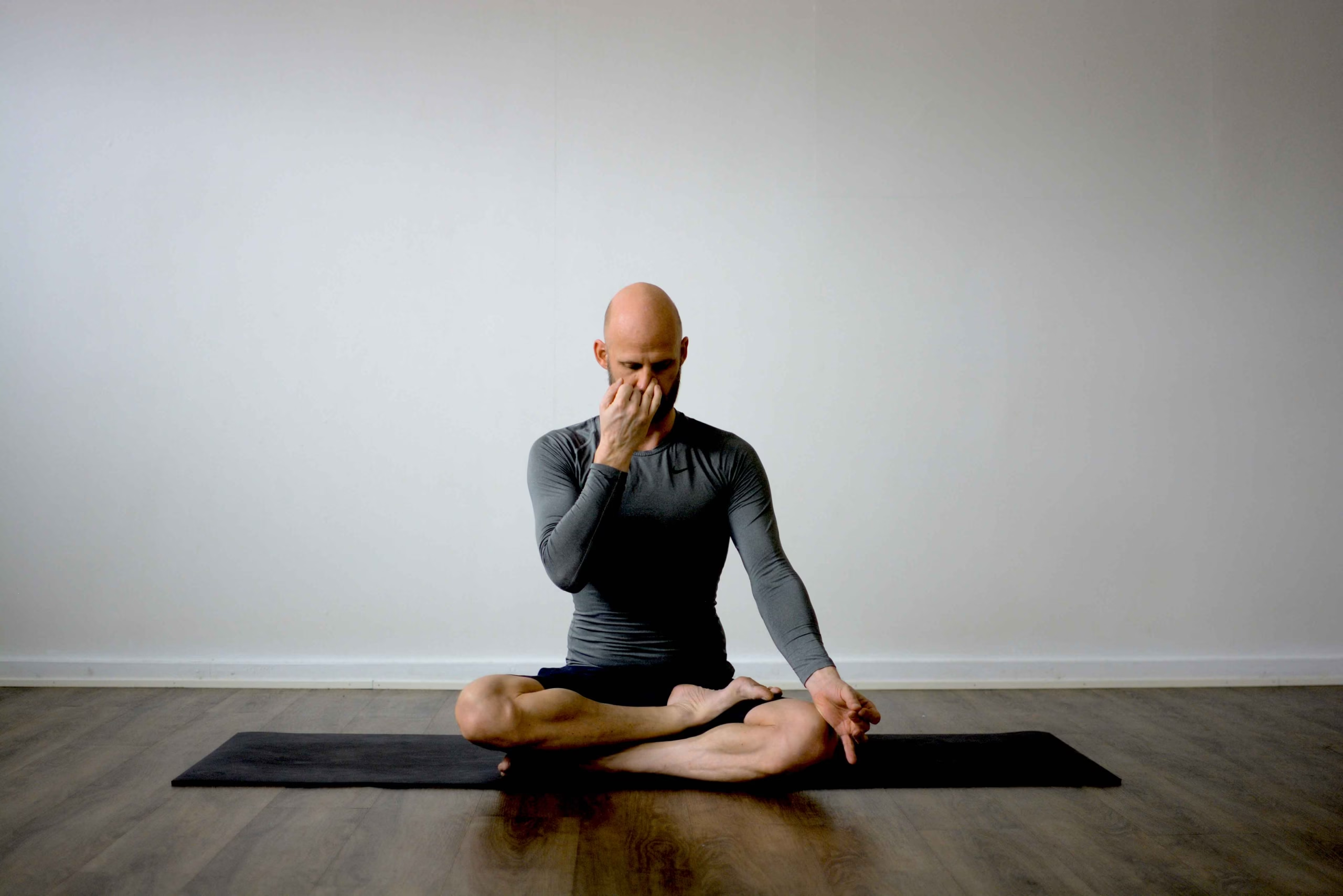
Anulom Vilom (Alternate Nostril Breathing)
This gentle technique:
- Balances breathing patterns
- Improves nasal airflow
- Calms the nervous system
It is particularly useful for reducing anxiety-related asthma symptoms.
-
Bhramari Pranayama (Humming Bee Breath)
Bhramari involves slow exhalation with a humming sound, which:
- Relaxes airway muscles
- Reduces stress and panic
- Improves breath awareness
Many asthma patients find it helpful during early signs of breath discomfort.
-
Ujjayi Breathing
This controlled breathing technique:
- Strengthens respiratory muscles
- Encourages slow, deep breaths
- Improves oxygen exchange
Ujjayi should be practiced gently and under guidance.
Techniques to Avoid During Active Asthma
Some pranayama practices involve forceful breathing or breath retention, which may worsen symptoms:
- Kapalbhati (forceful exhalation)
- Long breath-holding practices
These should be avoided unless cleared by a qualified yoga therapist and physician.
Pranayama in Ayurveda and Traditional Healing
In Ayurveda, asthma is often linked to an imbalance of Kapha and Vata doshas, leading to mucus accumulation and airway constriction.
Ayurvedic asthma management typically combines:
- Herbal formulations
- Dietary adjustments
- Lifestyle changes
- Pranayama breathing
Traditional systems emphasize long-term balance, not quick cures, which aligns with modern asthma care principles.
Pranayama and Medication: Can You Stop Inhalers?
This is a critical question.
Medical consensus strongly advises:
- Never stop asthma medication without consulting a doctor
- Pranayama should support, not replace, prescribed treatment
- Medication adjustments should be guided by lung function tests and symptoms
In some cases, consistent breathing practice may allow dose optimization, but this must be medically supervised.
Who Can Benefit Most from Pranayama?
Pranayama may be especially helpful for:
- People with mild to moderate asthma
- Stress-triggered asthma sufferers
- Individuals with anxiety-related breathing issues
- Patients seeking holistic asthma and treatment approaches
For severe asthma or status asthmaticus treatment, emergency medical care is essential, and breathing exercises are not appropriate during acute attacks.
Safety Guidelines for Asthma Patients Practicing Pranayama
To practice safely:
- Start slowly
- Practice on an empty stomach
- Avoid breath retention
- Stop immediately if dizziness or tightness occurs
- Learn from a qualified instructor
- Inform your healthcare provider
Consistency matters more than intensity.
Integrating Pranayama Into a Holistic Asthma Management Plan
An effective asthma care strategy often includes:
- Evidence-based medication
- Trigger avoidance
- Nutrition and hydration
- Physical activity
- Stress management
- Mind-body practices like pranayama
When combined, these approaches can significantly improve quality of life.
Final Thoughts: A Balanced Perspective
So, can pranayama cure asthma?
From a scientific and medical standpoint, no—asthma is a chronic condition that cannot currently be cured. However, pranayama breathing can be a powerful supportive tool that helps many people breathe easier, manage symptoms, reduce stress, and feel more in control of their condition.
When practiced correctly and responsibly, pranayama complements modern asthma treatment and aligns well with a holistic, long-term health approach.