Starting a PCOS-friendly diet can feel overwhelming.
You search online and get hit with complicated meal plans, expensive ingredients, and advice that sounds more like punishment than eating. It does not have to be that way.
This free 7-day PCOS meal plan is designed for real beginners. No complicated recipes. No hard-to-find ingredients. Just simple, balanced meals that support your hormones, stabilize blood sugar, and help you feel genuinely better.
Let’s get into it.
Why Diet Matters So Much for PCOS
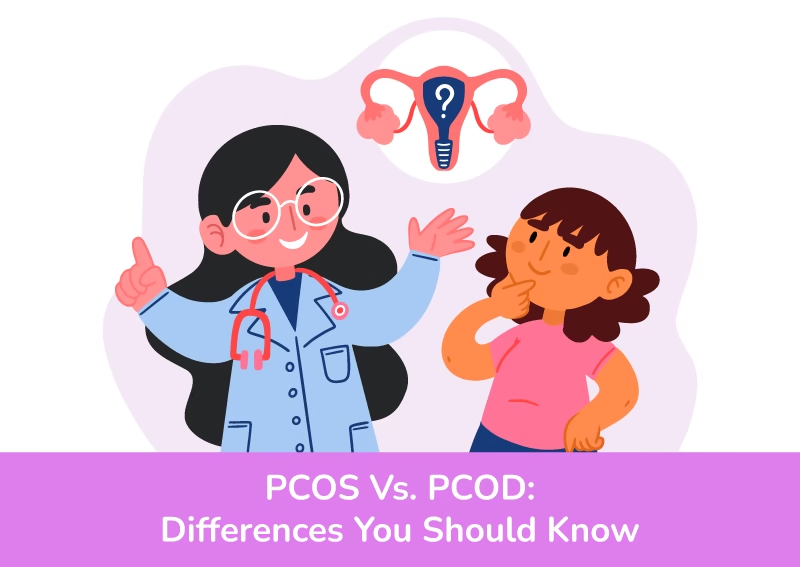
PCOS is a hormonal condition that affects how your body manages insulin and inflammation.
When you eat the wrong foods, insulin spikes. High insulin tells your ovaries to produce more androgens — the hormones that drive many PCOS symptoms like acne, irregular periods, weight gain, and excess hair.
Eating the right foods does the opposite. It keeps blood sugar stable, lowers inflammation, and creates a hormonal environment where your symptoms ease rather than worsen.
Diet is not a cure for PCOS. But it is one of the most powerful management tools available to you — and it costs nothing to start.
For a complete understanding of how PCOS affects your body, read our full guide to PCOS symptoms, causes, and treatment.
The 3 Rules Behind This Meal Plan
Before you see the plan, understand the three principles driving every meal here.
Rule 1 — Protein at every meal. Protein stabilizes blood sugar and keeps you full for longer. It reduces the cravings that make PCOS eating feel impossible.
Rule 2 — Fiber with every meal. Fiber slows digestion, prevents insulin spikes, and feeds the gut bacteria that support hormone balance.
Rule 3 — Low-glycemic carbohydrates only. This means swapping white bread, white rice, and sugary foods for slow-digesting alternatives like oats, quinoa, and sweet potatoes.
Every meal in this plan follows all three rules.
What to Eat and What to Avoid
Before jumping into the plan, here is a quick reference guide.
Foods that support PCOS:
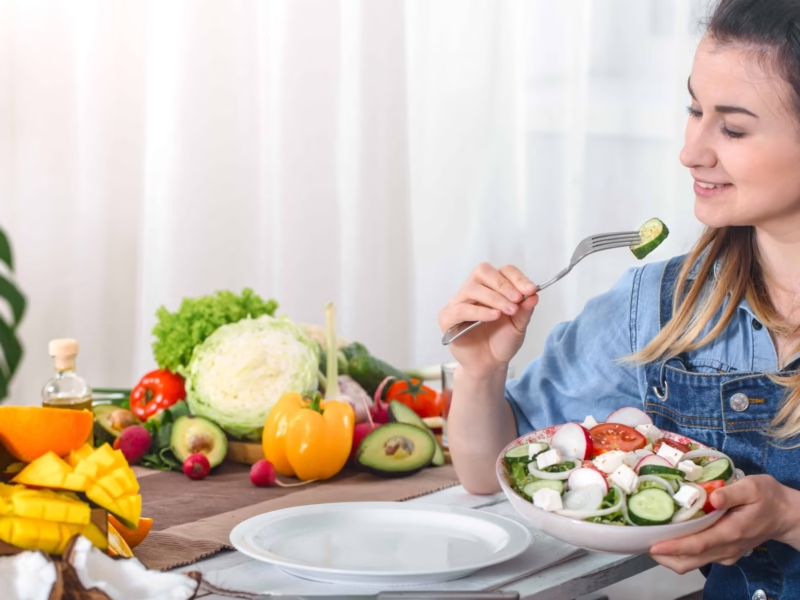
- Eggs, chicken, fish, tofu, lentils, chickpeas
- Broccoli, spinach, kale, bell peppers, cucumber
- Oats, quinoa, brown rice, sweet potato
- Berries, apples, pears, kiwi
- Almonds, walnuts, chia seeds, flaxseeds
- Olive oil, avocado, fatty fish
Foods to limit with PCOS:
- White bread, white rice, regular pasta
- Sugary drinks, sodas, packaged fruit juices
- Candy, pastries, and sweet snacks
- Fried and heavily processed foods
- Excess dairy and alcohol
You do not need to eat perfectly. Reducing the second list while increasing the first is enough to make a real difference.
Read our detailed guide on Foods That Make PCOS Worse — and What to Eat Instead
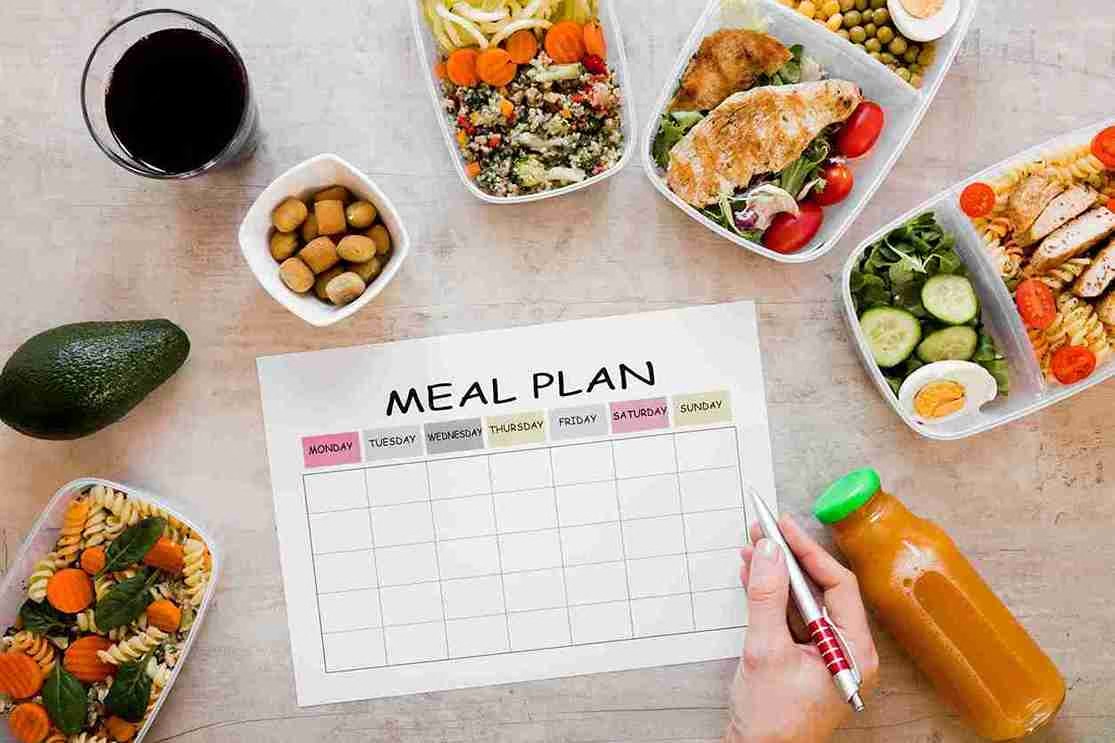
Your Free 7-Day PCOS Meal Plan
Day 1 — Start Simple
Breakfast
Scrambled eggs with sautéed spinach and whole grain toast
Morning Snack
A small handful of almonds and one apple
Lunch
Grilled chicken salad with mixed greens, cucumber, cherry tomatoes, and olive oil dressing
Afternoon Snack
Greek yogurt (unsweetened) with a few blueberries
Dinner
Baked salmon with roasted broccoli and a small serving of brown rice
Day 2 — Easy and Filling
Breakfast
Overnight oats with chia seeds, almond milk, and mixed berries
Morning Snack
Boiled egg and a handful of walnuts
Lunch
Lentil soup with a slice of whole grain bread
Afternoon Snack
Sliced cucumber and hummus
Dinner
Stir-fried tofu with bell peppers, broccoli, and quinoa
Day 3 — Anti-Inflammatory Focus
Breakfast
Smoothie made with spinach, frozen berries, chia seeds, and unsweetened almond milk
Morning Snack
A pear and a small handful of pistachios
Lunch
Tuna and avocado wrap using a whole wheat tortilla with mixed greens
Afternoon Snack
Cottage cheese with sliced strawberries
Dinner
Grilled chicken with roasted sweet potato and steamed green beans
Day 4 — Midweek Reset
Breakfast
Two poached eggs on whole grain toast with sliced avocado
Morning Snack
A small bowl of mixed berries
Lunch
Chickpea and vegetable salad with lemon and olive oil dressing
Afternoon Snack
A boiled egg and an apple
Dinner
Baked cod with roasted cauliflower and a small serving of quinoa
Day 5 — Keep It Light
Breakfast
Greek yogurt parfait with oats, chia seeds, and fresh blueberries
Morning Snack
A handful of almonds and a kiwi
Lunch
Grilled chicken and avocado bowl with brown rice and salsa
Afternoon Snack
Celery sticks with almond butter
Dinner
Turkey and vegetable stir-fry with broccoli, carrots, and bell peppers over quinoa
Day 6 — Weekend Comfort
Breakfast
Vegetable omelet with mushrooms, bell peppers, and spinach
Morning Snack
A small bowl of mixed nuts and a pear
Lunch
Homemade lentil and vegetable soup with whole grain bread
Afternoon Snack
Sliced apple with a tablespoon of almond butter
Dinner
Baked salmon with roasted asparagus and sweet potato mash
Day 7 — Finish Strong
Breakfast
Smoothie bowl with blended frozen berries, banana, Greek yogurt, topped with chia seeds and oats
Morning Snack
Hard boiled egg and a handful of walnuts
Lunch
Grilled chicken with a large mixed salad, olive oil dressing, and a small serving of brown rice
Afternoon Snack
Cucumber slices and hummus
Dinner
Tofu and vegetable curry made with coconut milk, served over cauliflower rice
How to Build Every PCOS Meal
You do not need to follow this plan exactly every week.
Once you understand the structure behind it, you can build your own PCOS-friendly meals from scratch. Every meal should follow this simple formula:
- Half your plate — non-starchy vegetables (salad, broccoli, spinach, peppers)
- A quarter of your plate — lean protein (chicken, fish, eggs, tofu, lentils)
- A quarter of your plate — slow-digesting carbohydrates (quinoa, sweet potato, brown rice, oats)
- A drizzle — healthy fat (olive oil, avocado, nuts, seeds)
This formula works for every meal, every day. Vary the ingredients to keep it interesting.
PCOS Snacking — What to Grab Between Meals
Snacking with PCOS is not about avoiding hunger at all costs. It is about choosing snacks that keep blood sugar stable between meals.
The best PCOS snacks combine protein and fiber together. This combination prevents blood sugar from crashing and spiking between meals — which is one of the biggest triggers for cravings.
Easy PCOS snack ideas:
- Apple slices with almond butter
- Boiled eggs with a handful of nuts
- Greek yogurt with berries
- Hummus with cucumber and carrot sticks
- Cottage cheese with sliced fruit
- A small handful of mixed nuts
- Chia pudding made with unsweetened almond milk
Avoid reaching for crackers, biscuits, granola bars, or fruit juice when you feel hungry. These spike blood sugar and leave you hungrier an hour later.
Drinks That Support Your PCOS Meal Plan
What you drink matters just as much as what you eat.
Sugary drinks are one of the fastest ways to spike insulin — even faster than sugary food. This is because liquid sugar absorbs into your bloodstream almost instantly with nothing to slow it down.
Best drinks for PCOS:
- Plain water — your best friend
- Herbal teas — chamomile, spearmint, and green tea are particularly helpful
- Sparkling water with a squeeze of lemon
- Unsweetened almond or oat milk
- Black coffee in moderation (one to two cups daily)
Drinks to cut back on:
- Sodas and fizzy drinks
- Packaged fruit juices
- Sweetened coffees and lattes
- Energy drinks
- Alcohol
Spearmint tea deserves a special mention for PCOS. Several small studies suggest it may help reduce elevated androgen levels. A cup or two daily is a simple, free addition to your routine.
Meal Prep Tips for the Week
The biggest barrier to eating well with PCOS is not knowing what to cook when you are tired and hungry.
Meal prepping removes that barrier. When healthy food is already prepared and waiting for you, making better choices becomes effortless.
Simple meal prep ideas for beginners:
- Cook a large batch of quinoa or brown rice on Sunday for the whole week
- Hard boil six to eight eggs at once for quick grab-and-go snacks and breakfasts
- Wash and chop vegetables in advance so salads and stir-fries take minutes
- Make a big pot of lentil soup that covers two to three lunches
- Pre-portion nuts and berries into small containers for easy snacking
- Marinate chicken in advance so it is ready to grill any night
Even one hour of meal prep on Sunday makes the rest of the week significantly easier.
Grocery List for Your First PCOS Week
Here is everything you need to follow this seven-day plan.
Proteins:
- Eggs (one dozen)
- Chicken breast
- Salmon fillets
- Canned tuna
- Tofu
- Lentils (dried or canned)
- Chickpeas (canned)
- Cottage cheese
- Greek yogurt (unsweetened)
Vegetables:
- Spinach
- Broccoli
- Cauliflower
- Bell peppers
- Cucumber
- Cherry tomatoes
- Asparagus
- Green beans
- Mushrooms
- Carrots
- Celery
Fruits:
- Blueberries
- Mixed berries (fresh or frozen)
- Apples
- Pears
- Kiwi
- Strawberries
- Banana (one, for smoothie bowl)
Grains and Carbs:
- Rolled oats
- Quinoa
- Brown rice
- Whole grain bread
- Whole wheat tortillas
- Sweet potatoes
Healthy Fats and Extras:
- Avocados
- Olive oil
- Almonds
- Walnuts
- Pistachios
- Chia seeds
- Flaxseeds
- Almond butter
- Hummus
- Coconut milk (one can)
Drinks:
- Almond milk (unsweetened)
- Herbal teas (spearmint, chamomile, or green tea)
- Sparkling water
What Results Can You Realistically Expect?
One week of eating well will not fix PCOS overnight. That is important to say upfront.
But one week of consistent, balanced eating can:
- Reduce bloating noticeably
- Stabilize your energy levels throughout the day
- Ease the intensity of sugar cravings
- Improve your sleep quality
- Help you feel more in control of your body
After three to four weeks, many women start noticing improvements in skin clarity, mood stability, and period regularity.
After two to three months of consistent effort, the improvements in hormonal balance and weight become more measurable.
The key word throughout all of this is consistency — not perfection.
Final Thoughts
Managing PCOS through diet is not about following a strict plan forever.
It is about understanding which foods support your hormones and which ones work against them — and making small, sustainable shifts in the right direction.
This seven-day plan gives you a solid starting point. Use it for a week, see how your body responds, then adapt it to your own preferences and lifestyle.
You do not need expensive supplements or a nutritionist to start eating better for PCOS. You just need a plan, a grocery list, and the decision to begin.
For everything you need to know about managing PCOS from the ground up, head back to our complete PCOS guide.
FAQs
Q1. What is the best diet for PCOS beginners?
Start with the basics — protein, fiber, and low-glycemic carbohydrates at every meal. Reduce sugary drinks, white bread, and processed foods. You do not need a complicated plan to start seeing results.
Q2. Can a meal plan really help with PCOS symptoms?
Yes. Diet directly affects insulin levels and inflammation — two core drivers of PCOS. Consistent, balanced eating can improve energy, reduce cravings, ease bloating, and support more regular periods over time.
Q3. How many calories should I eat with PCOS?
There is no universal calorie target for PCOS. Rather than counting calories, focus on eating balanced meals with protein, fiber, and healthy fats. This approach naturally regulates appetite without obsessive tracking.
Q4. Can I repeat meals in this 7-day plan?
Absolutely. If you find meals you enjoy, repeat them. Consistency matters far more than variety when you are just starting out.
Q5. Is this meal plan suitable for vegetarians?
Yes. Simply replace the chicken, fish, and meat options with tofu, tempeh, lentils, chickpeas, or eggs. All the core nutritional principles remain the same.
Q6. How long before I see results from a PCOS meal plan?
Most women notice improved energy and reduced bloating within the first one to two weeks. More significant hormonal improvements typically take six to twelve weeks of consistent eating.