If you have PCOS, inflammation is working against you every single day.
You may not feel it directly. But chronic low-grade inflammation is one of the core drivers behind many PCOS symptoms — weight gain, acne, fatigue, hormonal imbalance, and difficulty losing weight. It quietly makes everything harder to manage.
The good news is that food is one of the most powerful tools you have to fight back.
An anti-inflammatory diet for PCOS does not require extreme restriction or expensive superfoods. It is about consistently choosing foods that calm inflammation rather than fuel it — and building meals around ingredients that support your hormones at the same time.
This guide covers exactly what that looks like, with practical meal ideas you can start using today.
Why Inflammation Makes PCOS Worse
PCOS is not just a reproductive condition. It affects your metabolism, immune system, and hormonal balance all at once.
Research consistently shows that women with PCOS have higher levels of inflammatory markers in their blood compared to women without the condition. This chronic inflammation worsens insulin resistance, increases androgen production, and disrupts the hormonal signals that regulate ovulation.
In other words, inflammation and PCOS feed each other in a frustrating cycle:
- High inflammation worsens insulin resistance
- Poor insulin sensitivity increases androgen levels
- Elevated androgens worsen PCOS symptoms
- Many PCOS symptoms — like excess weight and blood sugar swings — further increase inflammation
Breaking that cycle starts with what you eat. Foods that spike blood sugar, contain trans fats, or trigger an immune response add fuel to the fire. Foods rich in antioxidants, omega-3 fatty acids, and fiber do the opposite — they actively reduce inflammation and create a better hormonal environment.
For a complete overview of how PCOS affects your body and what drives it, read our full PCOS symptoms, causes, and treatment guide.
The Core Principles of an Anti-Inflammatory Diet for PCOS
Before getting into specific meal ideas, it helps to understand the framework behind every meal recommendation here.
An anti-inflammatory eating approach for PCOS is built on four principles:
- Stabilize blood sugar — every meal includes protein, fiber, and slow-digesting carbohydrates to prevent insulin spikes
- Reduce inflammatory triggers — limit refined sugars, processed foods, trans fats, and excess alcohol
- Increase antioxidant intake — eat a wide variety of colorful vegetables and fruits to flood the body with inflammation-fighting compounds
- Support gut health — a healthy gut microbiome regulates immune response and plays a direct role in hormone metabolism
You do not need to follow a rigid diet plan to apply these principles. You just need to make them the foundation of how you build your meals.
Top Anti-Inflammatory Foods for PCOS
Fatty fish
Salmon, sardines, mackerel, and tuna are rich in omega-3 fatty acids. Omega-3s directly reduce inflammatory markers and support hormone production. Aim for two to three servings per week.
Leafy green vegetables
Spinach, kale, Swiss chard, and rocket are packed with antioxidants, magnesium, and folate. Magnesium is particularly important for PCOS — many women with the condition are deficient, and low magnesium worsens insulin resistance.
Berries
Blueberries, strawberries, raspberries, and blackberries are among the highest antioxidant foods available. They are low in sugar compared to most fruits, which helps keep blood sugar stable while delivering a powerful anti-inflammatory punch.
Extra virgin olive oil
Olive oil contains oleocanthal — a compound with anti-inflammatory properties similar to ibuprofen. Use it as your primary cooking oil and salad dressing base.
Nuts and seeds
Walnuts, almonds, chia seeds, and flaxseeds provide healthy fats, fiber, and anti-inflammatory compounds. Flaxseeds specifically contain lignans that may help reduce excess androgen activity in PCOS.
Turmeric
Curcumin — the active compound in turmeric — is one of the most well-researched natural anti-inflammatory agents. Add it to soups, curries, smoothies, and roasted vegetables regularly.
Ginger
Like turmeric, ginger has measurable anti-inflammatory and antioxidant effects. It also supports digestion and may help reduce period pain — a common concern for women with PCOS.
Legumes
Lentils, chickpeas, black beans, and kidney beans are high in fiber and plant protein. They digest slowly, preventing blood sugar spikes, and feed the beneficial gut bacteria that regulate immune response.
Cruciferous vegetables
Broccoli, cauliflower, Brussels sprouts, and cabbage contain compounds called glucosinolates that support liver detoxification — important for clearing excess hormones from the body.
Green tea
Green tea contains EGCG — a powerful antioxidant that research suggests may reduce androgen levels and improve insulin sensitivity in women with PCOS. Two cups daily is a practical target.
Anti-Inflammatory Breakfast Ideas for PCOS
Berry and spinach smoothie bowl
Blend frozen mixed berries, a large handful of spinach, half a banana, and unsweetened almond milk. Pour into a bowl and top with chia seeds, walnuts, and a few fresh blueberries.
Why it works: berries and spinach deliver antioxidants, chia seeds add omega-3s and fiber, and the protein from nuts stabilizes blood sugar from the start of the day.
Turmeric scrambled eggs
Scramble two to three eggs with a pinch of turmeric, black pepper, and fresh spinach. Serve on whole grain toast with sliced avocado.
Why it works: eggs provide protein and choline, turmeric reduces inflammation, avocado adds healthy monounsaturated fat, and whole grain toast keeps the carbohydrates slow-digesting. Black pepper is important here — it significantly increases turmeric’s absorption.
Overnight oats with flaxseed and berries
Combine rolled oats, unsweetened almond milk, a tablespoon of ground flaxseed, chia seeds, and a small handful of blueberries. Refrigerate overnight. Top with a dollop of unsweetened Greek yogurt in the morning.
Why it works: oats are low-glycemic, flaxseed supports androgen balance, and the combination of fiber and protein keeps hunger stable all morning.
Anti-Inflammatory Lunch Ideas for PCOS
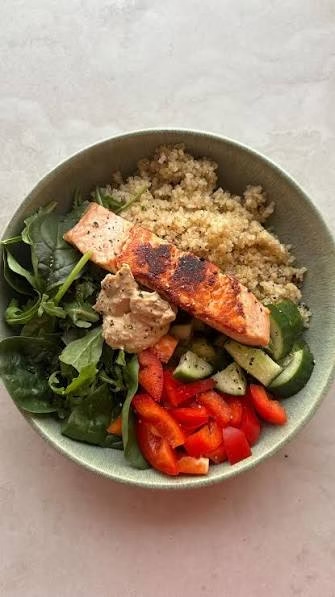
Salmon and quinoa bowl
Combine baked or pan-seared salmon with cooked quinoa, roasted broccoli, cherry tomatoes, and cucumber. Dress with lemon juice and extra virgin olive oil.
Why it works: salmon delivers omega-3 fatty acids, quinoa is a complete protein with a low glycemic index, and the vegetables add antioxidants and fiber in one meal.
Lentil and vegetable soup
Simmer red or green lentils with diced carrots, celery, tomatoes, spinach, garlic, ginger, and turmeric in vegetable stock. Season with cumin and black pepper.
Why it works: lentils are one of the best PCOS foods — high in fiber, plant protein, and low on the glycemic index. Ginger and turmeric add direct anti-inflammatory action.
Chickpea and avocado salad
Toss canned chickpeas with diced avocado, cucumber, red onion, cherry tomatoes, fresh parsley, lemon juice, and olive oil. Season with salt and cumin.
Why it works: chickpeas provide fiber and plant protein, avocado adds healthy fats and potassium, and olive oil brings its own anti-inflammatory compounds. This lunch takes under five minutes to prepare.
Sardine and mixed green salad
Combine canned sardines in olive oil with mixed salad greens, sliced radishes, cucumber, and a tahini-lemon dressing.
Why it works: sardines are one of the richest sources of omega-3 fatty acids available — and among the most affordable. Tahini adds calcium and additional healthy fats.
Anti-Inflammatory Dinner Ideas for PCOS
Turmeric baked salmon with roasted vegetables
Rub salmon fillets with turmeric, garlic, olive oil, and lemon. Bake at 200°C for fifteen minutes. Serve alongside roasted cauliflower, broccoli, and sweet potato.
Why it works: this dinner combines omega-3s from salmon, curcumin from turmeric, and fiber-rich vegetables — three major anti-inflammatory priorities in a single, satisfying meal.
Ginger chicken stir-fry with broccoli and brown rice
Stir-fry chicken breast strips with fresh ginger, garlic, broccoli, snap peas, and bell peppers in a small amount of sesame oil and low-sodium soy sauce. Serve over brown rice.
Why it works: lean protein from chicken, anti-inflammatory ginger, and a range of antioxidant-rich vegetables over slow-digesting brown rice ticks every anti-inflammatory box without complicated preparation.
Black bean and vegetable curry
Cook black beans with diced tomatoes, spinach, coconut milk, garlic, ginger, turmeric, and cumin. Serve over cauliflower rice for a lower-carb option or brown rice for more energy.
Why it works: black beans provide plant protein and fiber, coconut milk adds medium-chain triglycerides that support metabolism, and the spice combination delivers significant anti-inflammatory activity.
Baked cod with roasted asparagus and quinoa
Season cod fillets with lemon, garlic, and fresh herbs. Bake alongside asparagus drizzled with olive oil. Serve with a small portion of quinoa.
Why it works: white fish like cod is a lean protein source that keeps meals light while still providing the protein PCOS requires. Asparagus is rich in folate and antioxidants.
Anti-Inflammatory Snack Ideas for PCOS
The wrong snacks undo the work of well-planned meals. Keep these on hand instead of processed options:
- Walnuts and a small handful of blueberries
- Sliced apple with almond butter
- Celery sticks with hummus
- Greek yogurt (unsweetened) topped with mixed berries and flaxseed
- Chia pudding made with unsweetened almond milk and topped with raspberries
- A boiled egg with cucumber slices
- A small bowl of edamame lightly salted
- A cup of green tea with a small square of dark chocolate (70% cocoa or above)
Dark chocolate deserves a special mention. High-cocoa dark chocolate contains flavonoids — compounds with genuine antioxidant and anti-inflammatory properties. A small amount daily is both enjoyable and genuinely beneficial.
Drinks That Support an Anti-Inflammatory PCOS Diet
What you drink matters as much as what you eat.
Drink more of:
- Plain water throughout the day
- Green tea — two cups daily for antioxidant benefits
- Spearmint tea — research suggests it may help reduce androgen levels
- Turmeric golden milk — warm almond milk with turmeric, ginger, and black pepper
- Herbal teas — chamomile, ginger, and peppermint are all anti-inflammatory options
Drink less of:
- Sugary sodas and flavored drinks
- Packaged fruit juices (even 100% juice removes fiber and spikes blood sugar)
- Energy drinks
- Sweetened coffee drinks with syrups and creamers
- Alcohol, which increases liver burden and worsens hormonal imbalance
Foods to Reduce on an Anti-Inflammatory PCOS Diet
You do not need to eliminate everything at once. Consistent reduction of these foods produces meaningful results:
- Refined sugars — candy, pastries, sweetened cereals, and flavored yogurts
- White flour products — white bread, regular pasta, white rice, and crackers
- Processed meats — sausages, deli meats, hot dogs, and packaged meat products
- Fried foods and trans fats — fast food, commercially fried snacks, and margarine
- Vegetable oils high in omega-6 — sunflower, corn, and soybean oils used in excess
- Excess dairy — particularly full-fat cow’s milk products, which may increase insulin and androgen activity in some women with PCOS
- Alcohol — even moderate amounts increase inflammation and add empty calories
Reducing these consistently — rather than removing them perfectly — is the practical approach that produces long-term results.
A Simple Anti-Inflammatory Meal Prep Plan for PCOS
One hour of preparation on Sunday makes the entire week easier. Here is a simple prep routine:
- Cook a large batch of quinoa or brown rice — use throughout the week as a base for bowls and stir-fries
- Roast a tray of mixed vegetables — broccoli, cauliflower, sweet potato, and bell peppers roast together in twenty-five minutes
- Make a big pot of lentil soup — covers two to three lunches with zero effort on weekdays
- Prepare overnight oats — make three jars at once for three ready-to-eat breakfasts
- Pre-portion snacks — divide nuts, cut vegetables, and prepare hummus portions into small containers
- Marinate protein — marinate chicken or fish in olive oil, lemon, garlic, and turmeric so it is ready to cook any night
This approach removes the daily decision fatigue that leads to reaching for processed food when you are tired and hungry.
Final Thoughts
Inflammation does not announce itself loudly. It works quietly in the background, making PCOS symptoms harder to manage and harder to treat.
An anti-inflammatory diet is not a cure for PCOS. But it is one of the most consistent evidence-backed lifestyle changes that women with PCOS can make to reduce symptoms, support hormonal balance, and feel genuinely better day to day.
Start with small shifts. Swap vegetable oil for olive oil. Add berries to your breakfast. Include salmon twice a week. Drink green tea instead of a second coffee.
Small changes compound. Over weeks and months, those choices create a meaningfully different hormonal environment — and that shows up in how you feel, how your periods behave, and how well your body manages weight.
To understand the full picture of PCOS — including causes, types, diagnosis, and treatment — visit our complete PCOS guide.
FAQs
Q1. What is the best anti-inflammatory diet for PCOS?
The most effective approach combines omega-3-rich foods like salmon and walnuts, high-fiber vegetables, antioxidant-rich berries, whole grains, legumes, and anti-inflammatory spices like turmeric and ginger — while reducing refined sugars, processed foods, and trans fats.
Q2. Does inflammation actually cause PCOS symptoms?
Chronic low-grade inflammation does not cause PCOS directly, but it significantly worsens it. Women with PCOS show higher inflammatory markers, and inflammation actively worsens insulin resistance and androgen production — two of the core drivers of PCOS symptoms.
Q3. Is turmeric good for PCOS?
Yes. The active compound in turmeric — curcumin — has well-researched anti-inflammatory properties and may help improve insulin sensitivity. Combining turmeric with black pepper significantly increases absorption. Adding it to daily meals is a simple, low-cost way to support PCOS management.
Q4. What fruits are anti-inflammatory and safe for PCOS?
Berries — blueberries, raspberries, strawberries, and blackberries — are the best choices. They are high in antioxidants and relatively low in sugar compared to tropical fruits. Cherries, pomegranate, and kiwi are also excellent anti-inflammatory options for PCOS.
Q5. Is dairy inflammatory for PCOS?
The relationship between dairy and PCOS varies between individuals. Some women with PCOS find that full-fat cow’s milk products worsen acne, bloating, and hormonal symptoms. Others tolerate dairy without obvious issues. Try reducing dairy for four weeks and observe whether your symptoms improve before making a permanent decision.
Q6. How long does it take to see results from an anti-inflammatory diet with PCOS?
Most women notice initial improvements — less bloating, more stable energy, reduced cravings — within two to three weeks of consistent anti-inflammatory eating. More meaningful hormonal changes, including more regular periods and improved skin, typically take six to twelve weeks of sustained dietary changes.