The human body depends on an intricate network that controls movement, sensation, and communication between different organs. This network is known as the nervous system. It allows the brain to send signals to muscles, process information from the environment, and coordinate complex bodily functions.
When the neurological system is affected by disease or damage, many essential processes in the body can be disrupted. One condition that directly impacts the brain and nervous system is Parkinson’s disease. It is a progressive disorder that mainly affects movement, but it can also influence mood, cognition, and other bodily functions.
Understanding Parkinson’s disease requires a basic knowledge of how the human nervous system works, the role of dopamine in the brain, and how nerve cells communicate with each other. This article explains the connection between Parkinson’s disease and the nervous system, explores the causes and symptoms, and discusses how modern medicine approaches treatment and management.
Understanding the Human Nervous System
The human nervous system is responsible for controlling and coordinating activities throughout the body. It sends messages between the brain, spinal cord, and other organs through specialized cells called neurons.
This complex communication system allows humans to move, think, feel, and respond to their surroundings.
The nervous system performs several essential functions:
- controlling voluntary movements such as walking and writing
• regulating involuntary actions such as breathing and heartbeat
• processing sensory information from the eyes, ears, skin, and other organs
• supporting cognitive functions such as memory and decision making
Without a properly functioning neurological system, the body cannot coordinate these vital activities effectively.
Main Nervous System Parts
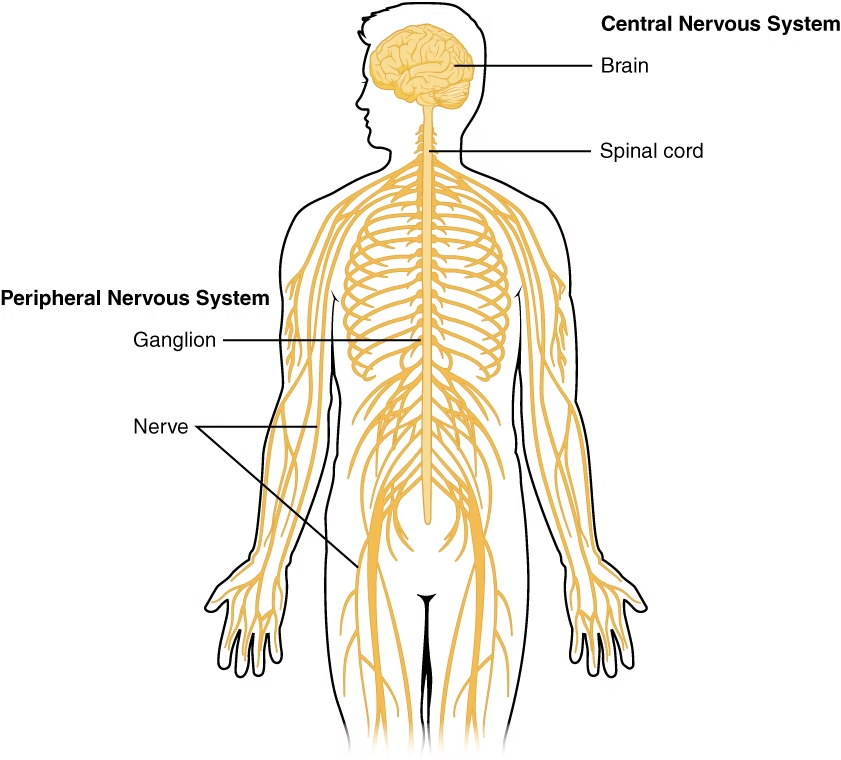
The nervous system consists of several interconnected structures that work together to transmit information throughout the body.
Major nervous system parts include:
- brain
• spinal cord
• peripheral nerves
Each part plays a distinct role in maintaining communication within the body.
Brain
The brain is the central control center of the body. It processes information, makes decisions, and sends instructions to muscles and organs.
Spinal Cord
The spinal cord acts as a communication pathway between the brain and the rest of the body. It transmits signals that control movement and sensation.
Peripheral Nerves
Nerves branch out from the spinal cord and extend throughout the body. These nerves carry messages between the brain and different organs or muscles.
Together, these components form the brain and nervous system that regulate nearly every bodily function.
The Role of Neurons in the Human Neuron System
Neurons are specialized cells that form the basic units of the nervous system. They transmit electrical and chemical signals that allow the brain to communicate with other parts of the body.
A neuron typically includes several important structures.
Parts of a Neuron and Their Functions
- dendrites that receive signals from other neurons
• cell body that processes information within the neuron
• axon that carries electrical impulses away from the cell body
• axon terminals that pass signals to other neurons through chemical messengers
These structures enable neurons to form vast networks that transmit information throughout the human neuron system.
When neurons communicate effectively, the body can perform complex tasks such as movement, coordination, and problem solving.
Neurotransmitters in the Brain
Communication between neurons occurs through chemical substances known as neurotransmitters in brain cells.
These chemicals carry signals from one neuron to another across small gaps called synapses.
Common neurotransmitters include:
- dopamine
• serotonin
• acetylcholine
• norepinephrine
Each neurotransmitter plays a unique role in regulating mood, movement, and cognitive function.
Among these chemicals, dopamine is particularly important in understanding Parkinson’s disease.
Dopamine Meaning and Function
Dopamine is a neurotransmitter that plays a critical role in movement, motivation, and reward processes in the brain.
The dopamine meaning in neuroscience refers to its function as a chemical messenger that transmits signals between neurons.
In the brain, dopamine helps regulate:
- muscle movement
• coordination and balance
• motivation and pleasure
• attention and learning
Dopamine is produced in specific regions of the brain and released into neural pathways that control motor activity.
When dopamine levels decrease significantly, the brain cannot effectively coordinate muscle movements.
This imbalance is a key factor in Parkinson’s disease.
Brain Dopamine and Parkinson’s Disease
Parkinson’s disease develops when nerve cells in a region of the brain responsible for producing dopamine gradually deteriorate.
As dopamine producing neurons become damaged or die, dopamine levels in the brain decline.
This reduction interferes with the signals that control movement.
Over time, the brain becomes less able to regulate muscle activity smoothly and efficiently.
The loss of brain dopamine is therefore one of the primary biological features of Parkinson’s disease.
How Parkinson’s Disease Affects the Nervous System
Parkinson’s disease is classified as a neurodegenerative disorder because it involves progressive damage to neurons within the neurological system.
As nerve cells deteriorate, communication within the nervous system becomes disrupted.
This disruption affects the function of nerves responsible for movement control.
The result is a range of symptoms that gradually become more noticeable over time.
Common movement related symptoms include:
- tremors or shaking, often beginning in the hands
• slowed movement known as bradykinesia
• muscle stiffness or rigidity
• difficulty with balance and coordination
These symptoms occur because the brain cannot properly regulate the signals sent through the nervous system to muscles.
Non Movement Symptoms of Parkinson’s Disease
Although Parkinson’s disease is primarily associated with movement problems, it can also affect other functions controlled by the brain and nervous system.
Possible non movement symptoms include:
- sleep disturbances
• depression or anxiety
• changes in memory or concentration
• digestive issues
• fatigue
These symptoms occur because the disease affects multiple areas of the neurological system, not just those related to motor control.
Causes and Risk Factors
The exact cause of Parkinson’s disease is not fully understood, but researchers believe it results from a combination of genetic and environmental factors.
Possible contributing factors include:
- genetic mutations that affect neuron function
• exposure to certain environmental toxins
• aging related changes in the brain
• oxidative stress within brain cells
In many cases, the condition develops gradually over several years.
Researchers continue to study how these factors interact within the brain and nervous system.
Diagnosing Parkinson’s Disease
Diagnosis of Parkinson’s disease typically involves a detailed medical evaluation.
Healthcare professionals assess symptoms, medical history, and neurological function.
Common diagnostic steps may include:
- physical examination focusing on movement and coordination
• neurological assessments of reflexes and muscle control
• imaging tests to rule out other conditions affecting the brain
Although no single laboratory test confirms Parkinson’s disease, experienced specialists can often identify the condition based on characteristic symptoms.
Treatment and Management
While Parkinson’s disease currently has no cure, various treatments can help manage symptoms and improve quality of life.
Treatment approaches often focus on restoring dopamine balance or improving nerve communication.
Medications
Certain medications help increase dopamine levels or mimic its effects in the brain.
These treatments aim to improve movement control and reduce symptoms.
Physical Therapy
Exercise and physical therapy help maintain flexibility, strength, and coordination.
Regular movement may also support overall brain and nervous system health.
Lifestyle Adjustments
Healthy lifestyle practices can complement medical treatments.
These may include:
- balanced nutrition
• regular physical activity
• adequate sleep
• stress management
Together, these approaches help individuals manage symptoms more effectively.
Ways to Support Dopamine Levels Naturally
Although medications are often necessary for Parkinson’s disease, some lifestyle practices may help support overall brain health and dopamine function.
Possible approaches include:
- regular physical activity
• balanced diet rich in protein and nutrients
• adequate sleep
• stress reduction techniques
These habits do not cure Parkinson’s disease, but they may contribute to overall well being.
The Importance of Research
Research into Parkinson’s disease continues to expand as scientists seek better treatments and potential cures.
Studies are exploring:
- new medications that improve dopamine signaling
• therapies that protect neurons from damage
• advanced technologies for brain stimulation
• early detection methods
Progress in neuroscience offers hope that future treatments will provide more effective ways to manage or prevent this condition.
Living With Parkinson’s Disease
Many people diagnosed with Parkinson’s disease continue to lead meaningful and active lives.
Support from healthcare professionals, family members, and community resources plays an important role in managing the condition.
Helpful strategies for daily life may include:
- maintaining a consistent exercise routine
• following recommended treatment plans
• seeking support from patient groups
• staying mentally active through learning and hobbies
With proper care and support, individuals can adapt to the challenges posed by the disease.
Conclusion
Parkinson’s disease is a complex disorder that affects the nervous system and disrupts the communication between the brain and muscles. The condition develops when dopamine producing neurons in the brain gradually deteriorate, reducing the brain’s ability to control movement effectively.
Understanding how the human nervous system works, including the role of neurons, nerves, and neurotransmitters, helps explain why Parkinson’s disease causes the symptoms it does.
Although the condition remains a long term neurological disorder, ongoing research continues to improve treatment options and deepen scientific understanding of the brain and nervous system.
Through medical care, healthy lifestyle practices, and continued scientific progress, individuals living with Parkinson’s disease can receive better support and improved quality of life.