Categories
Health

Liver Disease: Causes, Symptoms, Treatment, Types, Risk Factors, Prevention, Diagnosis and Tests

The liver is one of the most vital organs in the human body. It filters toxins, processes nutrients, and helps regulate metabolism. But when it becomes damaged, the consequences can be serious. Liver disease is a broad term that covers several conditions affecting the liver, from infections to genetic disorders to lifestyle-related issues.

In this article, we’ll break down everything you need to know—liver disease symptoms, causes, types, diagnosis, treatments, and even which liver disease foods to avoid or eat to support recovery.

What is Liver Disease?

Liver disease refers to any condition that damages the liver and prevents it from functioning properly. Because the liver plays such a key role in detoxification and nutrient absorption, even small impairments can cause health problems throughout the body.

The liver diseases list is long and includes:

  • Hepatitis (viral infection of the liver)
  • Fatty liver disease (alcoholic and nonalcoholic)
  • Cirrhosis (scarring of the liver)
  • Liver cancer
  • Genetic disorders like Hemochromatosis and Wilson’s disease
  • Autoimmune liver disease

In medical coding, these are often classified under liver disease ICD 10 codes for accurate documentation and insurance purposes.

Liver Disease Symptoms

Liver disease is often called a “silent illness” because many people don’t notice signs until the condition has progressed. Still, there are some common liver disease symptoms to watch for:

  • Persistent fatigue and weakness
  • Yellowing of the skin and eyes (jaundice)
  • Abdominal pain and swelling
  • Dark urine and pale stool
  • Nausea or vomiting
  • Loss of appetite and unintentional weight loss
  • Liver disease and itching (pruritus due to bile salt buildup in the skin)
  • Easy bruising and bleeding
  • Confusion, memory problems, or difficulty concentrating

If you experience several of these symptoms, it’s important to seek medical evaluation.

Causes of Liver Disease

Liver disease can develop due to a variety of factors:

  1. Infections – Viral hepatitis (A, B, C, D, E) is a major cause.
  2. Lifestyle Choices – Excessive alcohol use, high-fat diet, and obesity can lead to fatty liver disease.
  3. Genetics – Conditions like Hemochromatosis (iron overload) or Wilson’s disease (copper buildup).
  4. Autoimmune Disorders – The immune system attacks liver cells.
  5. Cancer and Tumors – Liver cancer may arise from long-term cirrhosis or chronic hepatitis.
  6. Medications and Toxins – Overuse of drugs like acetaminophen, or exposure to harmful chemicals.

Types of Liver Disease

The liver diseases list can be grouped into major types:

  • Infectious Liver Diseases: Hepatitis A, B, C, D, and E.
  • Metabolic Liver Diseases: Nonalcoholic fatty liver disease (NAFLD), alcoholic liver disease.
  • Chronic Liver Diseases: Cirrhosis, liver fibrosis.
  • Cancerous Liver Diseases: Hepatocellular carcinoma, bile duct cancer.
  • Genetic Disorders: Hemochromatosis, Wilson’s disease, Alpha-1 antitrypsin deficiency.
  • Autoimmune Liver Diseases: Autoimmune hepatitis, primary biliary cholangitis.

Risk Factors for Liver Disease

Certain conditions and habits increase the risk of developing liver problems:

  • Heavy alcohol consumption
  • Obesity and metabolic syndrome
  • Unprotected sex (risk of hepatitis B and C)
  • Intravenous drug use (shared needles)
  • Family history of liver conditions
  • Type 2 diabetes and high cholesterol
  • Long-term medication use (over-the-counter painkillers, steroids)

Diagnosis and Tests for Liver Disease

Doctors use a combination of history, examination, and diagnostic tools to detect liver disease. Common tests include:

  • Blood Tests: Liver function tests (ALT, AST, ALP, bilirubin) to check enzyme and toxin levels.
  • Imaging: Ultrasound, CT scan, or MRI to visualize liver size, scarring, and tumors.
  • Liver Biopsy: A small tissue sample is taken to confirm diagnosis.
  • FibroScan: Measures liver stiffness to check for fibrosis or cirrhosis.

These tests help determine the severity of damage and guide liver disease treatment.

Liver Disease Treatment

Treatment depends on the type and stage of liver disease. Common approaches include:

  • Lifestyle Modifications: Limiting alcohol, maintaining healthy weight, regular exercise.
  • Medications: Antiviral drugs for hepatitis, steroids for autoimmune conditions, or chelating agents for genetic disorders.
  • Surgery or Transplant: Advanced cirrhosis or liver cancer may require surgical intervention or liver transplant.
  • Symptom Management: For example, antihistamines may help with liver disease and itching.

Early treatment is critical—liver damage can progress silently until it becomes irreversible.

Diet for Liver Disease: Foods to Avoid and Foods to Eat

Nutrition plays a huge role in managing liver health.

Liver Disease Foods to Avoid:

  • Alcohol (worsens scarring and inflammation)
  • High-fat fried foods
  • Processed foods high in sugar and salt
  • Red meat (hard to digest for weakened livers)
  • Carbonated sugary drinks

Liver Disease Foods to Eat:

  • Leafy greens and cruciferous vegetables (rich in antioxidants)
  • Whole grains like oats and quinoa
  • Fatty fish (salmon, sardines – high in omega-3s)
  • Fresh fruits (berries, apples, citrus)
  • Green tea (supports detoxification)
  • Nuts and seeds (healthy fats for liver function)

Adopting a liver-friendly diet is one of the simplest yet most effective ways to support recovery.

Prevention of Liver Disease

While not every case can be prevented, many risk factors are controllable.

  • Get vaccinated against hepatitis A and B.
  • Avoid excessive alcohol consumption.
  • Eat a balanced, low-fat diet.
  • Maintain a healthy weight.
  • Exercise regularly.
  • Avoid sharing needles or personal items.
  • Practice safe sex.
  • Regularly monitor liver health if you have diabetes, high cholesterol, or a family history of liver disease.

Final Thoughts

The liver is the body’s natural detox powerhouse, but once damaged, it struggles to regenerate. Recognizing liver disease symptoms, getting timely tests, and making lifestyle changes are essential to managing and preventing severe complications. With the right liver disease treatment, proper diet, and consistent prevention strategies, you can safeguard your liver health for years to come.

Categories
Health

How Contaminated Food or Water Causes Food Poisoning?

Food is meant to nourish and energize us, but when it becomes contaminated, it can turn into a serious health risk. One of the most common problems linked to unsafe food and water is food poisoning—a condition that affects millions worldwide each year. From minor stomach upsets to life-threatening complications, food contamination is a health issue no one can afford to ignore.

In this article, we’ll explore how contaminated food or water causes food poisoning, what food poisoning symptoms to watch for, different types of food poisoning, available food poisoning treatment, and even what food for food poisoning recovery looks like.

What is Food Poisoning?

Food poisoning, also known as foodborne illness, occurs when you consume food or drinks contaminated with harmful bacteria, viruses, parasites, or toxins. The contamination often happens during processing, handling, or cooking.

Common food contamination sources include:

  • Improperly washed fruits and vegetables
  • Raw or undercooked meat and seafood
  • Contaminated drinking water
  • Poor hygiene during food preparation
  • Unhygienic food storage practices

How Does Contaminated Food or Water Cause Food Poisoning?

When contaminated food or water enters the body, harmful food bacteria such as E. coli, Salmonella, Listeria, or Campylobacter multiply rapidly. These bacteria release toxins or directly damage the digestive tract, leading to inflammation and discomfort.

Contamination can occur in multiple ways:

  1. Water contamination → If sewage or animal waste leaks into water supplies, harmful pathogens spread.
  2. Cross-contamination → Cutting raw chicken and then using the same board for salad spreads bacteria.
  3. Improper storage → Leaving food out at room temperature allows bacteria to thrive.
  4. Uncooked or undercooked meals → Heat normally kills pathogens; skipping this step allows bacteria to survive.

Symptoms

Symptoms usually appear within a few hours to a couple of days after eating contaminated food. They vary depending on the kinds of food poisoning and the bacteria or virus involved.

Typical signs include:

  • Nausea and vomiting
  • Stomach cramps
  • Diarrhea (sometimes bloody)
  • Fever and chills
  • Weakness and fatigue
  • Headaches and body aches

In severe cases, dehydration, kidney problems, or hospitalization may be required.

Types of Food Poisoning

Different pathogens cause different categories of food poisoning. Some common examples are:

  1. Bacterial – Caused by Salmonella, E. coli, Listeria.
  2. Viral – Often caused by Norovirus or Hepatitis A.
  3. Parasitic – Caused by parasites like Giardia and Toxoplasma.
  4. Toxin-Induced – Caused by toxins produced by bacteria like Clostridium botulinum.

Food Poisoning Treatment

Most cases of food toxications are mild and resolve on their own within a few days. However, treatment is crucial to prevent dehydration and complications.

Steps for Treatment:

  • Rehydrate: Drink water, clear fluids, or oral rehydration solutions.
  • Rest: Allow your body to fight off the infection.
  • Avoid irritants: Stay away from alcohol, caffeine, and greasy food.
  • Medical care: Severe cases may require hospitalization, antibiotics, or IV fluids.

Food for Food Poisoning Recovery

Eating the right foods can speed up recovery and soothe the digestive system.

Best food for food poisoning recovery includes:

  • Bananas (gentle on the stomach)
  • Rice and plain toast (easy to digest)
  • Applesauce (light and nourishing)
  • Clear broths (replace lost electrolytes)
  • Herbal teas like ginger or peppermint (reduce nausea)

Avoid spicy, oily, and dairy-heavy foods until your system has fully healed.

Preventing Food Poisoning

Since prevention is always better than cure, follow these steps to avoid foodborne illness:

  • Wash fruits and vegetables thoroughly.
  • Cook meat and seafood to safe internal temperatures.
  • Keep raw and cooked food separate.
  • Store food at the right temperatures.
  • Drink only safe, clean water.
  • Practice proper handwashing and kitchen hygiene.

Final Thoughts

Food poisoning is a common yet preventable health condition caused by contaminated food or water. Recognizing food poisoning symptoms, knowing the kinds of food poisoning, and understanding proper food borne illnesses treatment are key to recovery. More importantly, safe food practices and awareness about food contamination help reduce the risk altogether.

By being mindful about what you eat and drink, you can protect yourself and your family from the unpleasant and sometimes dangerous effects of foodborne illness.

Categories
Health

How Pregnancy Affects the Immune System: Immune Suppression & Immune Health Explained

Pregnancy is one of the most remarkable transformations a woman’s body goes through. While most people focus on changes like weight gain, hormones, or cravings, there’s another fascinating adjustment happening inside—the way the immune system works.

The immune system is designed to detect and eliminate anything that appears foreign to the body, including infections and even transplanted organs. But here’s the challenge: a developing baby carries genetic material from the father, which technically makes it “foreign” to the mother’s body. So why doesn’t the body reject it?

The answer lies in a sophisticated balancing act of immune suppression and immune response. Let’s dive deeper into how pregnancy reshapes the immunologic system, why it’s necessary, and how expecting mothers can support their immune health.

The Immune System: A Quick Refresher

The immune system is made up of specialized immune cells, tissues, and organs that protect the body against harmful invaders like bacteria, viruses, and toxins. A strong immune system usually attacks anything unfamiliar.

However, during pregnancy, the body cannot afford to “attack” the developing fetus. Instead, it adjusts its defenses in unique ways, allowing pregnancy to continue while still protecting the mother from infections.

Immune Suppression During Pregnancy

A hallmark of pregnancy is immune suppression. The body intentionally reduces certain defense mechanisms so the fetus isn’t targeted as an intruder. This process primarily involves:

  • Regulation of immune cells: T-cells, which usually fight off infections, become less aggressive.
  • Shifting immune response: The system moves from an inflammatory mode (fighting invaders) to a more tolerant one (protecting the baby).
  • Placenta’s protective role: The placenta acts as a shield, producing molecules that calm the mother’s immune activity.

This delicate suppression allows pregnancy to progress but also explains why many pregnant women are more vulnerable to colds, flu, and other infections.

Dual Nature of the Immunologic System in Pregnancy

Interestingly, pregnancy doesn’t mean the immune system “shuts off” completely. Instead, it works in phases:

  1. First Trimester (Pro-Inflammatory Phase):
    During early pregnancy, the body requires a mild inflammatory response to help the embryo implant into the uterine lining. Immune cells are activated to remodel blood vessels and establish a nourishing environment.
  2. Second Trimester (Immune Tolerance Phase):
    The body moves into a more anti-inflammatory state. This phase helps the fetus grow without being attacked by the mother’s defenses.
  3. Third Trimester (Inflammatory Phase Returns):
    As the body prepares for labor, inflammation ramps up again. This helps stimulate uterine contractions and prepare for delivery.

This cyclical adjustment highlights the sophistication of the immune response in pregnancy—it’s never just “on” or “off” but carefully timed to meet the body’s needs.

Why Some Women Get Sick More Often

Because of this unique balance, the immune system may not fight infections as strongly. Pregnant women are at higher risk for respiratory infections, urinary tract infections, and foodborne illnesses. Even mild illnesses can feel more severe during pregnancy.

This doesn’t mean every woman will constantly get sick. But it underscores the importance of supporting immune health throughout the journey.

Immune Health and Pregnancy Complications

When the balance of the immunologic system is disturbed, it may lead to complications such as:

  • Recurrent pregnancy loss (too much immune aggression against the fetus)
  • Pre-eclampsia (an overactive immune response affecting blood pressure and organs)
  • Preterm labor (linked to infections and inflammation)

Understanding the role of the immune system in these conditions helps doctors develop better treatments and preventative strategies.

How to Support a Strong Immune System During Pregnancy

While certain aspects of immune suppression are natural, expecting mothers can still take steps to maintain resilience and protect themselves from infections:

  1. Eat a Balanced Diet
    Nutrients like vitamins C and D, zinc, and iron are essential for immune cells to function properly. Eating fresh fruits, vegetables, and protein-rich foods strengthens the immune system.
  2. Stay Hydrated
    Water helps flush out toxins and supports circulation, aiding in a healthy immune response.
  3. Get Enough Sleep
    Quality rest allows the body to repair and regulate immune activity.
  4. Exercise Moderately
    Gentle activities like walking, swimming, or prenatal yoga boost immunity without overstraining the body.
  5. Practice Hygiene
    Washing hands, cooking food thoroughly, and avoiding risky foods reduce the chances of infection.
  6. Regular Prenatal Checkups
    Doctors can monitor immune-related conditions, ensuring mother and baby remain safe.

Final Thoughts

Pregnancy is a unique journey where the immune system plays a pivotal role. Through carefully timed immune suppression and activation, the mother’s body protects both herself and her growing baby.

However, this balance also means that women must pay extra attention to their immune health. By eating well, resting, exercising, and following medical advice, expecting mothers can support a strong immune system while navigating the extraordinary process of pregnancy.

The immunologic system is a silent guardian, adapting to create the perfect balance between tolerance and defense—a true miracle of biology that makes new life possible.

Categories
Wellness

10 Diseases Caused by Not Washing Hands After Toilet

Good health starts with the simplest of habits. One of the most basic—and most overlooked—is washing your hands after using the toilet. While many people know they should wash their hands, not everyone does it correctly or consistently.

Failing to wash hands allows harmful bacteria, viruses, and parasites to spread easily. This can cause a range of infections, from mild stomach bugs to life-threatening illnesses. Practicing self hygiene is not just about looking clean—it’s about preventing disease, protecting loved ones, and ensuring overall well-being.

Let’s explore the 10 diseases caused by not washing hands after toilet and why the importance of self hygiene cannot be ignored.

  1. Diarrheal Diseases

The most common outcome of poor handwashing is diarrhea. Harmful organisms like E. coli, Salmonella, and Shigella can spread from fecal matter to food, water, and surfaces. Diarrheal infections cause dehydration, weakness, and in severe cases, can even be fatal—especially for children.

  1. Hepatitis A

Hepatitis A is a liver infection spread through contaminated hands, food, or water. The virus can survive on surfaces for weeks and quickly spreads in environments with poor self cleanliness. Symptoms include fatigue, nausea, abdominal pain, and jaundice (yellowing of the skin and eyes).

  1. Typhoid Fever

Typhoid is caused by the bacteria Salmonella Typhi. It spreads through food or water handled with unwashed, contaminated hands. Typhoid can cause high fever, abdominal pain, weakness, and in severe cases, intestinal bleeding. Proper hand hygiene dramatically reduces its risk.

  1. Cholera

Caused by Vibrio cholerae bacteria, cholera spreads through contaminated food and water. Poor handwashing habits contribute to its rapid transmission. Cholera leads to severe watery diarrhea and dehydration, requiring immediate medical attention.

  1. Norovirus Infections

Norovirus is infamous for causing outbreaks of gastroenteritis (commonly called the stomach flu). It spreads quickly in schools, workplaces, and homes through contaminated hands and surfaces. Symptoms include vomiting, diarrhea, and stomach cramps—sometimes lasting days.

  1. Pinworm (Enterobiasis)

Pinworm infections are common among children and spread when eggs from contaminated hands are transferred to the mouth or household objects. Poor self hygiene after using the toilet makes reinfection easy, leading to constant itching and discomfort.

  1. Hand, Foot, and Mouth Disease (HFMD)

Though often seen in children, HFMD can affect adults too. The virus spreads through unwashed hands and contaminated surfaces. It causes fever, mouth sores, and rashes on the hands and feet. Good handwashing reduces outbreaks.

  1. Giardiasis

This intestinal infection is caused by the parasite Giardia lamblia. It spreads through fecal contamination when people neglect proper self cleanliness. Symptoms include bloating, diarrhea, and fatigue, often lasting for weeks if untreated.

  1. Rotavirus

Rotavirus is a leading cause of severe diarrhea in children worldwide. Unwashed hands can transfer the virus to food, toys, and everyday objects. While vaccines help, regular handwashing remains a critical prevention method.

  1. Respiratory Infections

Believe it or not, not washing hands after the toilet can also contribute to respiratory infections like colds and flu. Germs spread when contaminated hands touch the mouth, nose, or eyes, allowing viruses to enter the body. This makes self hygiene essential not only for digestive but also for respiratory health.

Why Self Hygiene Matters

The importance of self hygiene goes far beyond looking presentable. It’s about safeguarding your body against preventable illnesses. Handwashing with soap and clean water:

  • Reduces diarrheal disease by up to 40%
  • Prevents respiratory infections by nearly 20%
  • Saves lives, especially among children and the elderly

Handwashing is a simple act, but it has one of the greatest impacts on global health.

Best Practices for Handwashing

To maximize protection, follow these steps:

  1. Wet your hands with clean water.
  2. Apply enough soap to cover all surfaces.
  3. Rub palms, backs of hands, between fingers, and under nails for at least 20 seconds.
  4. Rinse thoroughly under running water.
  5. Dry with a clean towel or air dry.

Consistency is key—make this a non-negotiable habit after every toilet use, before meals, and after handling potentially dirty surfaces.

Final Thoughts

The diseases caused by not washing hands after toilet use are real, widespread, and dangerous. From diarrhea and typhoid to hepatitis and respiratory infections, neglecting self hygiene puts both you and those around you at risk.

Practicing self cleanliness isn’t complicated—it just requires awareness and discipline. Soap, water, and 20 seconds of your time can protect you from 10 serious diseases and more.

Your hands carry your health. Treat them with care, and they’ll safeguard your future.

Categories
Wellness

7 Mistakes People Make When Washing Fruit and Vegetables

We all know that eating healthy fruits and vegetables is key to a balanced diet. They’re packed with vitamins, minerals, antioxidants, and fiber that support immunity, energy, and long-term health. But what many people forget is that fresh produce can also carry dirt, bacteria, pesticides, and even harmful residues if not washed properly.

A quick rinse under running water may seem enough, but the way you clean your fruits and vegetables matters more than you think. Poor washing habits can not only leave harmful residues behind but also shorten the shelf life of your produce.

Here are 7 common mistakes people make when washing fruits and vegetables—and how to avoid them.

  1. Using Only a Quick Rinse

The most common mistake is simply holding produce under the tap for a few seconds. While this removes some visible dirt, it doesn’t get rid of bacteria, wax, or pesticide residue that often clings to the surface.

Tip: Gently rub the surface of fruits and vegetables under running water for at least 20 seconds. For firmer produce like apples or cucumbers, use a soft produce brush.

  1. Using Soap or Dish Detergent

Some people think washing produce with soap or dish liquid will make them cleaner. In reality, these products are not safe for consumption. Fruits and vegetables can absorb the chemicals, leading to potential stomach irritation or worse.

Tip: Stick to plain running water. If you want extra cleaning power, make a DIY solution with vinegar (1 part vinegar to 3 parts water) to soak your produce for a few minutes before rinsing.

  1. Not Washing “Pre-Washed” Produce

Many packaged salads, berries, or leafy greens are labeled as “pre-washed” or “ready-to-eat.” While they’ve gone through initial cleaning, handling during packaging and transport can still introduce contaminants.

Tip: Always give “pre-washed” items a quick rinse before eating, just to be safe.

  1. Ignoring Firm-Skinned Fruits and Vegetables

People often assume that thick-skinned produce like melons, oranges, or avocados don’t need washing since the skin is peeled away. But cutting into unwashed produce can transfer bacteria from the surface to the edible interior.

Tip: Wash even thick-skinned fruits and vegetables thoroughly before peeling or slicing.

  1. Not Cleaning Leafy Greens Properly

Leafy greens such as spinach, lettuce, and kale are highly nutritious but can trap dirt, sand, and bacteria in their folds. Simply rinsing the outer leaves won’t remove hidden contaminants.

Tip: Separate the leaves and wash them individually in a large bowl of water. Swish them around to loosen dirt, then drain and rinse again.

  1. Skipping Drying After Washing

Leaving fruits and vegetables wet after rinsing encourages bacterial growth and mold. Many people wash produce and store it damp in the refrigerator, which reduces freshness and shelf life.

Tip: Pat fruits and vegetables dry with a clean towel or use a salad spinner for leafy greens. Dry produce lasts longer and stays safer to eat.

  1. Not Washing Before Storage

Some people wash produce immediately after buying, while others prefer to wash right before eating. Washing everything in advance and storing it damp can accelerate spoilage, especially for delicate berries.

Tip: Store unwashed produce in breathable bags or containers. Wash just before eating, except for leafy greens that you can wash, dry, and store properly in a paper towel-lined container.

Bonus: Don’t Forget Your Hands and Kitchen Tools

Even the cleanest produce can become contaminated if your hands, knives, or cutting boards aren’t hygienic. Always wash your hands for 20 seconds before handling healthy fruits and vegetables, and clean all kitchen tools with hot, soapy water.

Final Thoughts

Washing produce properly is one of the simplest ways to keep your healthy fruits and vegetables safe and enjoyable. By avoiding these 7 common mistakes—using only a quick rinse, relying on soap, ignoring firm-skinned produce, skipping drying, and others—you can protect your health, reduce food waste, and extend the freshness of your groceries.

The next time you prepare a colorful fruit salad or a fresh vegetable stir-fry, remember that how you wash your food is just as important as eating it. After all, clean produce is the first step toward clean eating.

Categories
Health

Birth Defects – Causes, Symptoms, Types, Risks & Prevention Explained

Bringing a child into the world is one of life’s most cherished experiences. Yet, for some families, pregnancy comes with unexpected challenges—one of them being birth defects. These are structural or functional abnormalities present at birth that affect a baby’s development, health, or physical appearance.

While the term may sound daunting, understanding birth defects reasons, their causes, types, risk factors, and prevention strategies can empower parents and caregivers with knowledge to safeguard pregnancies and improve newborn health outcomes.

What Are Birth Defects?

A birth defect, also called a congenital disorder, is an abnormality that occurs during fetal development. These defects can range from mild conditions that are easily treated to severe issues that impact a child’s quality of life or survival.

A child may be born with defects affecting the heart, brain, limbs, or other organs. Some conditions are visible at birth, while others may only become noticeable later in life.

Causes of Birth Defects

Birth defects can be caused by a mix of genetic, environmental, and lifestyle factors. Common birth defects reasons include:

  1. Genetic Factors

    • Genetic defects in pregnancy occur when there are mutations or abnormalities in the baby’s genes or chromosomes. Conditions like Down syndrome, cystic fibrosis, or sickle cell anemia are examples.
  2. Environmental Exposures

    • Exposure to harmful chemicals, radiation, or toxic substances during pregnancy may increase risks.
  3. Infections During Pregnancy

    • Infections like rubella, cytomegalovirus, or Zika virus can lead to newborn birth defects.
  4. Nutritional Deficiencies

    • Lack of essential nutrients such as folic acid can lead to neural tube defects (like spina bifida).
  5. Medications and Substance Use

    • Certain prescription drugs, alcohol, tobacco, and recreational drugs increase the risk of a baby being born with defects.
  6. Maternal Health Conditions

    • Diabetes, obesity, and uncontrolled chronic conditions can interfere with fetal development.

Common Symptoms of Birth Defects

Symptoms vary depending on the type of defect, but some signs may be noticeable immediately at birth:

  • Physical Abnormalities: Unusual facial features, limb deformities, or cleft lip/palate.
  • Organ-Related Issues: Breathing difficulties, heart murmurs, or digestive problems.
  • Growth and Developmental Delays: Slow physical growth, delayed speech, or cognitive challenges.
  • Neurological Issues: Seizures, intellectual disability, or coordination problems.

Some newborn birth defects may not be visible but detected through screenings, blood tests, or imaging.

Risk Factors for Birth Defects

While not all causes can be prevented, several factors increase the likelihood of born defects:

  • Maternal age over 35
  • Family history of genetic defects in pregnancy
  • Poor prenatal care or lack of check-ups
  • Use of harmful substances (alcohol, tobacco, drugs)
  • Exposure to harmful environmental agents (pesticides, chemicals)
  • Uncontrolled medical conditions in the mother

Types of Birth Defects

Birth defects can be classified into two broad categories:

  1. Structural Birth Defects

These involve problems with body parts being formed incorrectly. Examples:

  • Cleft lip or cleft palate
  • Heart defects (such as holes in the heart)
  • Neural tube defects like spina bifida
  • Limb abnormalities
  1. Functional or Developmental Birth Defects

These affect how a part of the body works. Examples:

  • Down syndrome (genetic condition)
  • Autism spectrum disorders
  • Hearing loss
  • Intellectual disabilities

Prevention of Birth Defects

While not all newborn birth defects can be prevented, many steps can lower the risk:

  1. Prenatal Vitamins & Folic Acid

    • Taking folic acid before and during pregnancy helps prevent brain and spine defects.
  2. Healthy Lifestyle Choices

    • Avoid alcohol, smoking, and drugs during pregnancy.
  3. Regular Prenatal Check-ups

    • Early and frequent check-ups ensure both mother and baby are monitored closely.
  4. Vaccinations

    • Getting vaccinated against infections like rubella prevents virus-linked birth defects reasons.
  5. Managing Chronic Conditions

    • Control diabetes, obesity, and high blood pressure before and during pregnancy.
  6. Safe Medication Use

    • Consult your doctor before taking any prescription or over-the-counter drugs while pregnant.

Treatment for Birth Defects

The treatment for birth defects depends on the type, severity, and the organ system affected. While some conditions may resolve on their own, others require long-term medical care, surgery, or therapy. Early detection through prenatal screening and newborn checkups is critical for effective management.

  1. Surgical Treatment

Many structural birth defects such as cleft lip, cleft palate, heart defects, or limb deformities can be corrected or improved through surgery. Early intervention often improves function and appearance, helping children live healthier lives.

  1. Medications

Some functional birth defects are managed with medications. For example, children with heart rhythm issues may need drugs to stabilize their condition. Seizures linked to neurological birth defects can also be controlled with anti-seizure medications.

  1. Therapies and Rehabilitation

Speech therapy, occupational therapy, and physical therapy play a key role in improving the quality of life for children born with defects that affect development, communication, or mobility.

  1. Assistive Devices

Hearing aids, mobility devices, or prosthetics may be prescribed to support children with physical or sensory challenges.

  1. Nutritional and Lifestyle Support

Some newborn birth defects require special diets (for example, phenylketonuria or PKU) or lifestyle adjustments to prevent complications.

  1. Ongoing Medical Monitoring

Regular follow-ups with pediatric specialists ensure that complications are managed promptly and that treatment plans are adjusted as the child grows.

While not all genetic defects in pregnancy can be cured, early and comprehensive care helps children reach their fullest potential.

Final Thoughts

Birth defects are a sensitive but important topic in maternal and child health. They may occur due to genetic defects in pregnancy, environmental exposures, or lifestyle factors, but with early care and awareness, many risks can be reduced.

By understanding the causes, risk factors, and preventive measures, families can take proactive steps to support healthy pregnancies and improve outcomes for their babies.

Every baby deserves the healthiest start in life. Knowledge, preparation, and medical support can make all the difference.

Categories
Health

Miscarriage – Causes, Symptoms, Risks, Treatment & Prevention

A miscarriage is the spontaneous loss of a pregnancy before the 20th week. It’s a heartbreaking and often misunderstood experience that affects many women worldwide. Despite being relatively common—about 10-20% of known pregnancies end in miscarriage—it remains a topic surrounded by confusion and emotional distress.

Understanding the reason for miscarriage, recognizing the early miscarriage symptoms, knowing the risks, and learning about treatment and prevention methods can empower you with knowledge and support your reproductive health.

What Causes a Miscarriage?

Miscarriages can occur due to various factors, and often there isn’t a single clear cause. Here are some of the most common reasons for miscarriage:

  1. Chromosomal Abnormalities

The most frequent cause of miscarriage is chromosomal abnormalities in the embryo. These genetic issues prevent the embryo from developing normally.

  1. Hormonal Imbalances

Conditions such as polycystic ovary syndrome (PCOS) or thyroid disorders can disrupt hormone levels critical for pregnancy maintenance.

  1. Uterine Abnormalities

Anatomical issues like a malformed uterus or uterine fibroids can hinder the embryo’s implantation and growth.

  1. Infections

Certain infections, like listeria, toxoplasmosis, or sexually transmitted infections, can increase the risk of miscarriage.

  1. Lifestyle Factors

Smoking, alcohol consumption, excessive caffeine intake, and drug use can negatively affect pregnancy and lead to miscarriage.

  1. Chronic Conditions

Medical conditions such as uncontrolled diabetes, high blood pressure, or autoimmune disorders may contribute to miscarriage risk.

Early Miscarriage Symptoms to Watch For

Recognizing early miscarriage symptoms can help you seek timely medical advice. Common symptoms include:

  • Vaginal Bleeding (often referred to as miscarriage bleeding): Light spotting to heavy bleeding, sometimes accompanied by clots.
  • Lower Abdominal Pain or Cramping: Persistent or sharp pains in the pelvic region.
  • Back Pain: Dull or sharp back pain not related to your normal menstrual cycle.
  • Passing Tissue or Fluid: Expulsion of tissue from the vagina may indicate miscarriage.
  • Decreased Pregnancy Symptoms: A sudden decrease in breast tenderness, nausea, or fatigue may be a warning sign.

If you experience any of these symptoms, especially with heavy bleeding or severe pain, consult a healthcare provider immediately.

Risks and Complications

Most miscarriages happen early in pregnancy and are not due to anything the mother did. However, repeated miscarriages (known as recurrent miscarriage) or late miscarriages may signal underlying health issues that need investigation.

Potential risks include:

  • Infection if tissue remains in the uterus.
  • Excessive bleeding requiring medical intervention.
  • Emotional and psychological distress, including anxiety and depression.

Treatment Options

Treatment depends on the stage of the miscarriage and whether it completes naturally or not.

  1. Expectant Management

    In many cases, especially early miscarriages, the body expels the pregnancy naturally over days or weeks.

  2. Medical Treatment

    Medications like misoprostol may be prescribed to help the body expel the pregnancy tissue if a natural miscarriage is incomplete.

  3. Surgical Treatment

    A dilation and curettage (D&C) procedure may be necessary to remove remaining tissue to prevent infection and excessive bleeding.

Throughout the process, supportive care from healthcare providers is crucial to address both physical and emotional health.

Prevention Tips for Reducing Miscarriage Risk

While not all miscarriages are preventable, there are steps you can take to minimize your risk and promote a healthy pregnancy:

  • Regular Prenatal Care: Early and regular check-ups help monitor your health and the pregnancy’s progress.
  • Healthy Lifestyle Choices: Avoid smoking, alcohol, and illicit drugs. Limit caffeine intake.
  • Manage Chronic Conditions: Properly manage diabetes, thyroid disorders, and other chronic illnesses with your doctor’s guidance.
  • Maintain a Balanced Diet: Ensure proper intake of vitamins and minerals like folic acid, iron, and calcium.
  • Reduce Stress: Practice mindfulness, meditation, and relaxation techniques to lower stress, which may impact pregnancy health.
  • Exercise Moderately: Engage in regular, moderate physical activity unless advised otherwise by your healthcare provider.

Final Thoughts

Experiencing a miscarriage can be emotionally and physically overwhelming. Understanding the reasons for miscarriage, recognizing early miscarriage symptoms, and learning about treatment options provide clarity during difficult times. Practicing preventive measures and maintaining open communication with healthcare providers improves your chances of a healthy pregnancy in the future.

Knowledge empowers you not only to manage risks but also to care for your body and mind compassionately as you navigate reproductive health.

Categories
Wellness

Reasons for Sleeplessness in Adults + 10 Bedtime Routine Practices for Quality Sleep

Reasons for Sleeplessness in Adults – Practice These 10 Consistent Bedtime Routines for Good Quality Sleep

Sleep is essential to our overall health, yet millions of adults suffer from sleepless nights or poor-quality sleep. The frustration of lying awake, staring at the ceiling, watching time slip away, while your mind races with thoughts, can feel endless. Understanding the reasons for sleeplessness and implementing a consistent bedtime routine is key to enjoying restful nights and improving your mental and physical well-being.

Common Reasons for Sleeplessness in Adults

Many factors contribute to sleeplessness in adults. Understanding the root causes is the first step toward finding sleep problems solutions.

  1. Stress and Anxiety (Stress Insomnia)

Chronic stress is one of the most common causes of insomnia in adults. Racing thoughts, worry about work, family issues, or financial troubles can keep your brain hyperactive, preventing relaxation needed for sleep.

  1. Poor Sleep Environment

Noise, light, or uncomfortable bedding can disrupt your sleep. A noisy neighborhood or blue light from screens impacts melatonin production, interfering with your body’s natural sleep-wake cycle.

  1. Irregular Sleep Schedule

Inconsistent bedtimes and wake-up times confuse your body’s internal clock, leading to early insomnia or irregular sleep patterns.

  1. Caffeine and Alcohol Consumption

Drinking caffeine too late in the day or consuming alcohol before bedtime disrupts sleep cycles. While alcohol may initially make you drowsy, it leads to fragmented sleep later in the night.

  1. Medical Conditions and Medications

Certain health problems like chronic pain, acid reflux, or depression can interfere with sleep. Some medications, such as antidepressants or corticosteroids, can also have side effects that impair sleep.

  1. Excessive Screen Time Before Bed

The blue light from smartphones, tablets, and computers suppresses melatonin, making it difficult to fall asleep.

  1. Hormonal Changes

Especially common in women, hormonal imbalances during menopause or pregnancy can cause hot flashes, mood swings, and sleep disturbances.

  1. Lack of Physical Activity

A sedentary lifestyle leads to low energy expenditure, making it harder to feel tired at night.

The Best Ways to Sleep: 10 Consistent Bedtime Habits

To improve having a good sleep and fight sleeplessness, the key is consistency. Building healthy bedtime habits creates a positive routine your body comes to recognize as a sleep trigger.

  1. Stick to a Fixed Sleep Schedule

Go to bed and wake up at the same time every day, even on weekends. This consistency regulates your body’s internal clock and helps prevent early insomnia and irregular sleep patterns.

  1. Create a Relaxing Pre-Sleep Routine

Engage in calming activities like reading a book, listening to soft music, or practicing light stretching. Avoid stressful conversations or work right before bed.

  1. Limit Screen Time

Avoid screens at least 1 hour before bed. If unavoidable, use blue light filters or night mode to reduce melatonin suppression.

  1. Control the Sleep Environment

Ensure your bedroom is quiet, dark, and cool. Invest in blackout curtains and consider white noise machines if external noise is unavoidable.

  1. Watch Food and Drink Intake

Avoid caffeine after mid-afternoon and heavy meals before bedtime. Alcohol disrupts sleep stages, so limit intake close to bedtime.

  1. Exercise Regularly

Daily physical activity helps regulate your sleep-wake cycle and promotes deeper sleep. However, avoid vigorous exercise too close to bedtime, which can be stimulating.

  1. Manage Stress and Anxiety

Incorporate relaxation techniques like meditation, deep breathing, or journaling to quiet your mind before bed.

  1. Use the Bed Only for Sleep and Intimacy

Train your brain to associate your bed with sleep. Avoid working, watching TV, or using devices in bed.

  1. Limit Naps

If you must nap, keep it short (20–30 minutes) and avoid late-afternoon naps that disrupt nighttime sleep.

  1. Seek Professional Help When Necessary

If sleep problems persist despite healthy habits, consult a sleep specialist. Conditions like chronic insomnia may require the cure for insomnia through professional treatment.

Final Thoughts

Sleeplessness in adults is rarely caused by a single factor. It’s a combination of lifestyle choices, emotional health, environment, and sometimes medical conditions. Understanding the reasons for sleeplessness empowers you to make positive changes.

By practicing these 10 consistent bedtime routines, you not only reduce the likelihood of sleepless nights but also support your body in achieving true quality sleep. Remember, good sleep isn’t a luxury—it’s a fundamental building block of health.

Sleep well, live well.

Categories
Wellness

The Number One Way to Quit Procrastination and Boost Brain Energy

We’ve all been there: staring at a blank screen, half-heartedly scrolling social media, or telling ourselves we’ll “get to it later” while a growing sense of guilt builds. Procrastination is a universal struggle. But why do we do it, and more importantly, how can we finally stop?

What Is Procrastination?

At its core, procrastination is the voluntary delay of an important task, despite knowing there will be negative consequences. The psychology behind procrastination isn’t simply laziness or poor time management—it’s a complex interplay of emotion regulation, fear of failure, and impulsivity.

Procrastination psychology research reveals that it’s more about avoiding discomfort than poor planning. When faced with an overwhelming or unpleasant task, the brain prefers instant gratification (like checking social media) over delayed reward (like finishing that report). This creates a vicious cycle where guilt, anxiety, and self-recrimination pile up, further sapping energy and focus.

The Real Energy Drain Behind Procrastination

Procrastination isn’t just a time management issue; it’s a brain energy problem. Delaying tasks triggers chronic mental exhaustion because unfinished work continuously occupies your subconscious mind. This invisible mental load drains your energy and cognitive resources, making concentration even harder over time.

When procrastinating, you’re not really relaxing—you’re in a state of cognitive tension. Your brain stays alert to pending tasks, which means your executive functions (responsible for decision-making, self-control, and focus) are impaired. The more you procrastinate, the more depleted your brain becomes.

The Number One Solution: Break Tasks into Tiny, Manageable Steps

Here’s the science-backed truth: The most effective way to stop procrastinating and boost your brain energy is to break large, intimidating tasks into tiny, manageable steps.

Why This Works

Breaking a big task into smaller steps works because it combats the emotional resistance your brain feels when facing overwhelming work. Instead of focusing on the intimidating whole (like “Write a 5,000-word report”), your mind can shift to small, achievable actions (“Write the introduction paragraph”).

Each tiny step you complete releases dopamine—a brain chemical associated with pleasure and motivation. These micro wins build positive momentum, reduce anxiety, and make the work less daunting. Importantly, small steps prevent cognitive overload, preserving mental energy.

How to Implement It

  1. Define Your Goal Clearly: Start by writing down your main objective. For example: “Finish quarterly marketing report.”
  2. Break It Down: List all the smallest possible actions you can take.
    • Research key statistics (10 minutes)
    • Write introduction (15 minutes)
    • Draft section 1 (20 minutes)
    • Review and edit section 1 (10 minutes)
  3. Use Time Blocks: Assign short, focused time blocks (e.g., 25 minutes with 5-minute breaks—known as the Pomodoro Technique). This helps maintain focus and keeps the brain engaged without burning out.
  4. Celebrate Small Wins: Acknowledge completion of each tiny step. This reinforces positive behavior and triggers dopamine release.

Why This Beats Willpower Alone

Relying on sheer willpower is like trying to sprint a marathon—it’s unsustainable. The brain’s executive function (self-control) is a finite resource, and heavy tasks drain it quickly. By breaking tasks into small, digestible steps, you’re not fighting your brain—you’re working with its natural wiring.

This method taps into how the brain processes tasks, reduces procrastination’s emotional load, and keeps you in a productive state of flow.

Additional Tips to Support Brain Energy

  • Stay Hydrated: Dehydration impacts focus and energy. Keep a water bottle nearby.
  • Healthy Snacks: Fuel your brain with nuts, fruits, and whole grains to prevent energy crashes.
  • Mindful Breaks: Step outside for fresh air or practice deep breathing exercises to reset focus.
  • Consistent Sleep: Quality sleep enhances memory, decision-making, and reduces procrastination urges.

Final Thoughts

Procrastination is not about laziness or incompetence—it’s a complex psychological challenge tied to how your brain handles discomfort and rewards. The number one way to stop procrastinating and boost your brain energy is simple yet powerful: break your tasks into tiny, achievable steps.

By starting small and celebrating progress, you’ll transform your relationship with work, boost your mental energy, and take control of your productivity. Forget waiting for motivation to strike. Action breeds motivation—and small actions are easier to take.

Categories
Health

How to Manage PCOS-Related Fatigue, Brain Fog & Energy Dips During Work

How to Manage PCOS-Related Fatigue, Brain Fog, and Energy Dips During the Workday

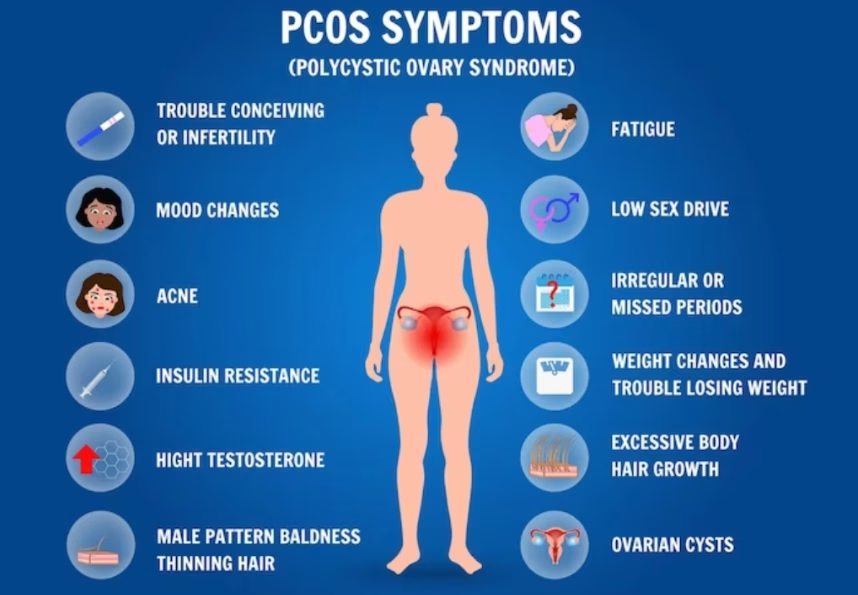
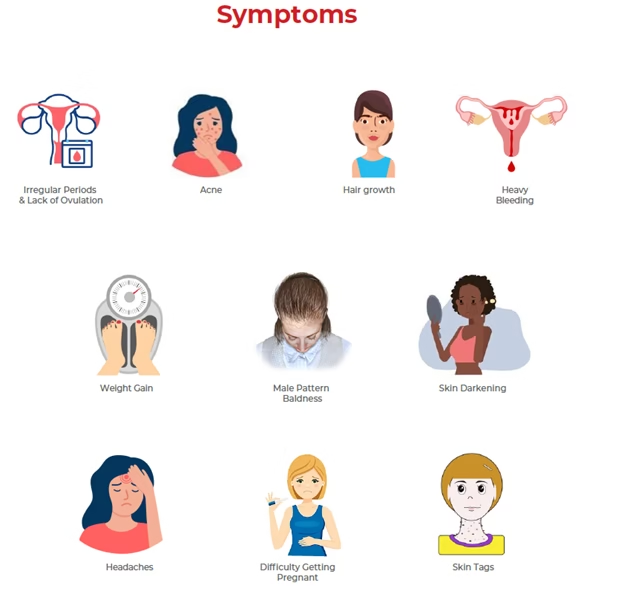
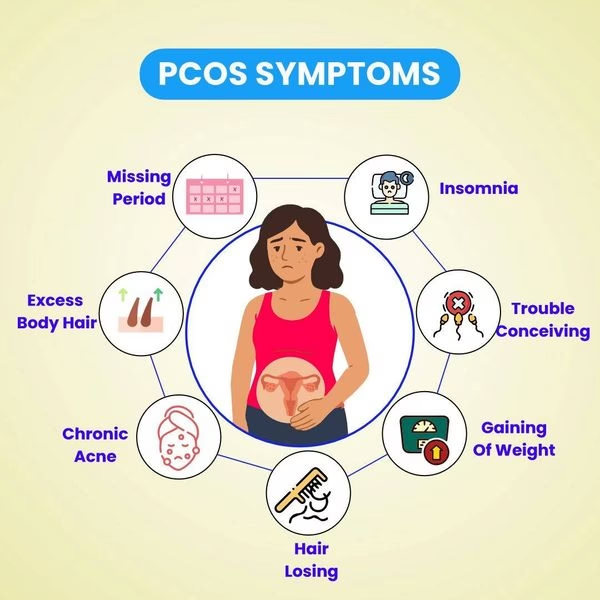
Polycystic Ovary Syndrome (PCOS) affects millions of women worldwide, often presenting a range of frustrating symptoms that impact daily life. Among these, fatigue, brain fog, and energy dips stand out as particularly disruptive, especially during the workday when focus and productivity are essential. While many focus on PCOS causes, ovulation irregularities, and strategies for getting pregnant with irregular periods, managing these day-to-day symptoms is just as critical for well-being. In this post, we’ll explore actionable tips, including the role of phytotherapy, to help you navigate your workday with more clarity and energy.

Understanding PCOS-Related Fatigue and Brain Fog

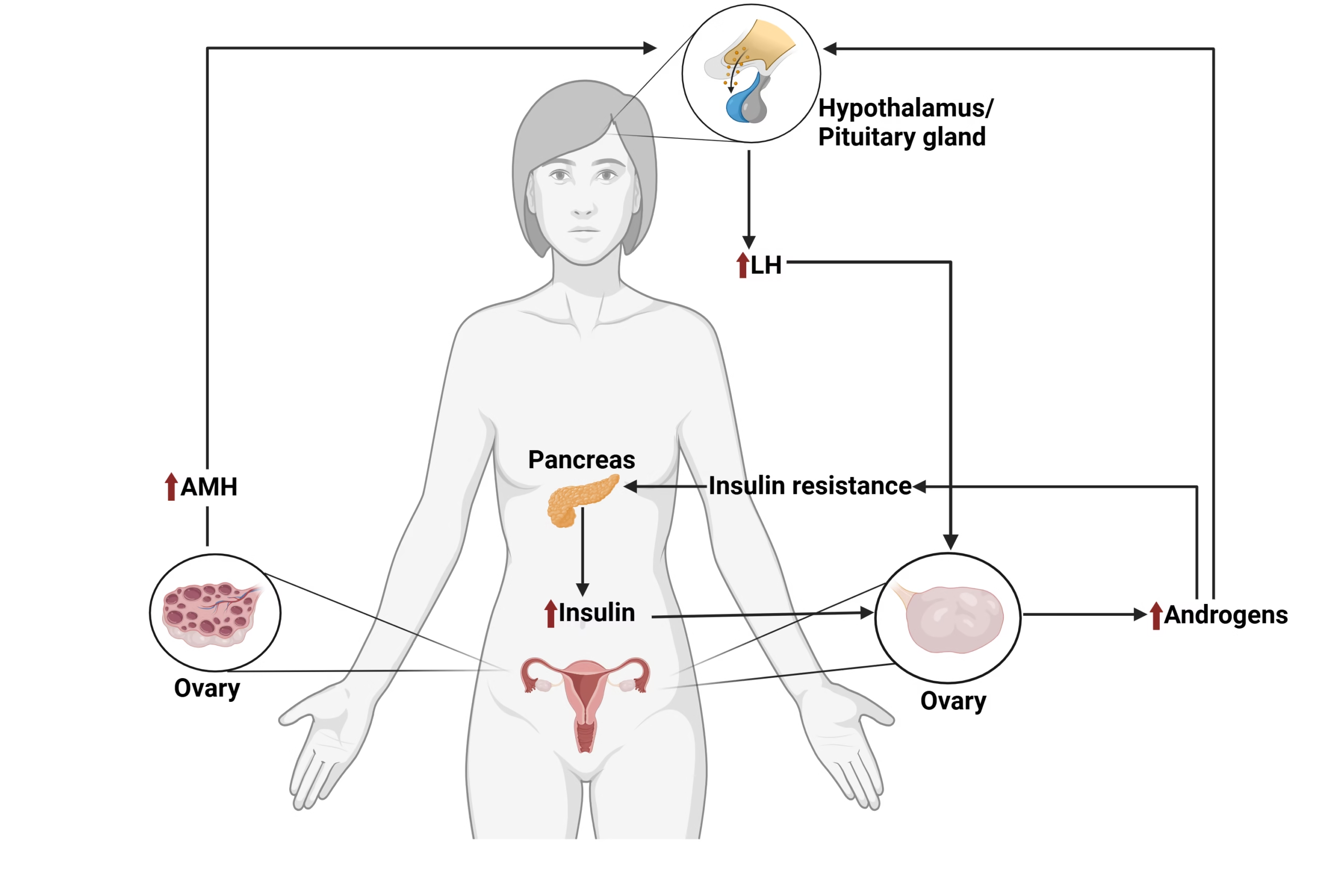
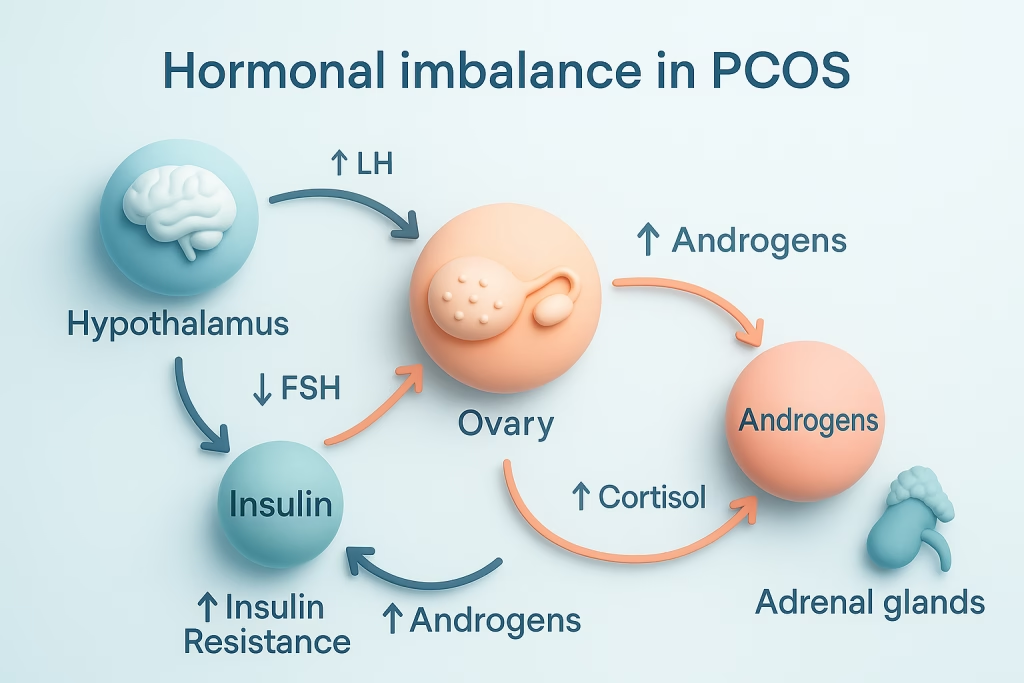
PCOS is a hormonal disorder that can lead to insulin resistance, inflammation, and imbalances in sex hormones. These physiological changes often cause persistent fatigue and brain fog—where mental clarity, memory, and concentration are impaired. Moreover, irregular ovulation and challenges associated with getting pregnant with irregular periods can compound the emotional and physical toll.

The connection between polycystic ovaries and pregnancy is often a primary focus, but it’s essential not to overlook how these hormonal disruptions affect daily life, particularly energy levels. Recognizing that your experience is valid and rooted in biology is the first step toward effective management.

Balanced Nutrition: The First Line of Defense

One of the most effective strategies for managing fatigue and energy dips is stabilizing blood sugar levels. Women with PCOS are prone to insulin resistance, which leads to fluctuating energy and mental clarity issues.

  • Eat Balanced Meals: Incorporate high-fiber vegetables, lean proteins, and healthy fats. Complex carbohydrates like quinoa and sweet potatoes can provide sustained energy.
  • Avoid Processed Sugar: Processed sugars cause rapid insulin spikes, leading to crashes in energy and worsened brain fog.
  • Hydration is Key: Dehydration can exacerbate fatigue and cognitive issues. Aim for at least 8 glasses of water daily.

The Power of Phytotherapy in Managing PCOS Symptoms

Phytotherapy—using plant-based medicines—has gained popularity among phytotherapists for its natural approach to hormonal balance and symptom management. Phytotherapy medicine includes herbal remedies that can support energy, hormonal regulation, and mental clarity.

  • Maca Root: Known for balancing hormones and improving energy.
  • Spearmint Tea: May help reduce androgen levels and improve hormonal balance.
  • Cinnamon: Helps regulate blood sugar levels, improving insulin sensitivity and reducing energy dips.

Consult a qualified phytotherapist to create a personalized plan that aligns with your unique health profile. Avoid self-prescribing phytotherapeutic solutions, as individual responses vary.

Incorporating Mindful Movement

Exercise can significantly improve energy levels and mental clarity by enhancing circulation, reducing insulin resistance, and elevating mood through endorphin release.

  • Light Cardio: Activities like walking or cycling can provide gentle energy boosts.
  • Yoga and Stretching: Focus on gentle stretches or yoga flows designed to reduce stress and support hormonal balance.
  • Micro-breaks: Stand up and stretch every hour during your workday to combat the physical sluggishness that accompanies brain fog.

Managing Stress for Hormonal Balance

Chronic stress exacerbates hormonal imbalances, contributing to fatigue and brain fog.

  • Mindfulness Meditation: Practicing mindfulness reduces cortisol levels, promoting hormonal harmony.
  • Deep Breathing Exercises: Simple breathing techniques can help re-center your mind and improve focus.
  • Structured Work Schedule: Breaking tasks into manageable chunks prevents overwhelm and helps maintain a steady workflow.

Optimizing Sleep Quality

Poor sleep is a common complaint among women with PCOS, further fueling daytime fatigue and cognitive difficulties.

  • Consistent Sleep Schedule: Go to bed and wake up at the same time every day, even on weekends.
  • Limit Screen Time: Blue light from screens suppresses melatonin production. Aim to reduce screen exposure at least one hour before bed.
  • Herbal Sleep Aids: Phytotherapy medicine such as valerian root or chamomile tea can support restful sleep when used under the guidance of a phytotherapist.

Practical Workplace Adjustments

Small workplace changes can significantly reduce the impact of PCOS symptoms.

  • Ergonomic Workspace: Ensure your desk and chair support good posture to prevent physical fatigue.
  • Healthy Snacks: Keep balanced snacks like nuts and seeds at your desk to avoid blood sugar crashes.
  • Quiet Space for Breaks: If possible, take short, quiet breaks in a calm environment to reset your mind.

The Link Between Polycystic Ovaries and Pregnancy

While the focus of this post is managing day-to-day symptoms, understanding the broader picture of PCOS, including the challenges of getting pregnant with irregular periods, can motivate long-term lifestyle adjustments. Managing energy, reducing brain fog, and achieving hormonal balance are essential steps toward overall reproductive health.

Exit mobile version