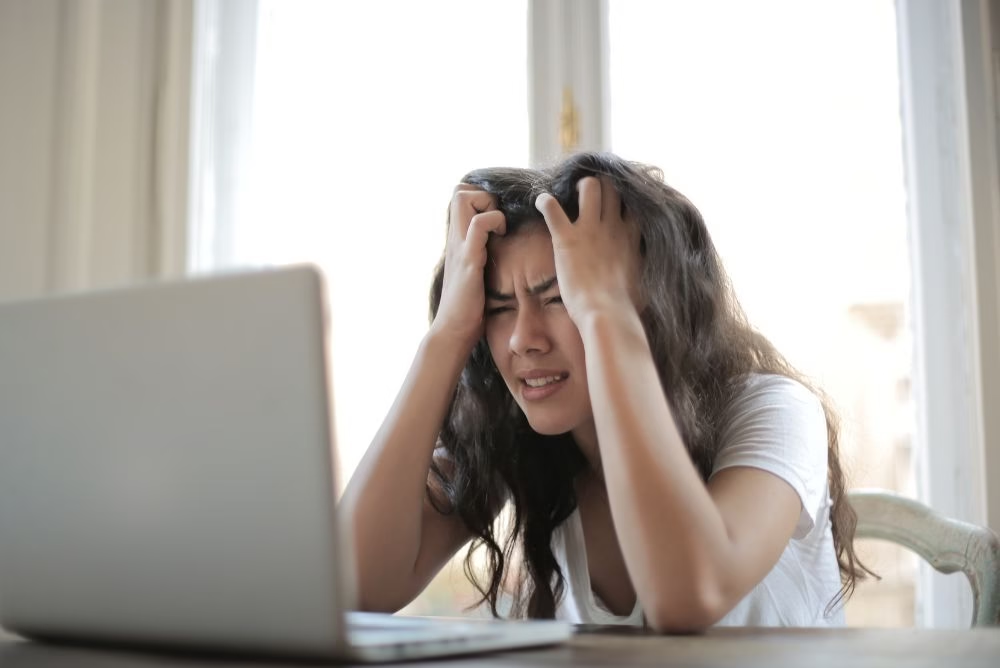
When most people think about PCOS, they focus on physical symptoms like irregular periods, weight gain, or acne. But there is another side that often goes unnoticed — the emotional impact.
Women with Polycystic Ovary Syndrome often experience changes in mood, mental health, and emotional well-being. These symptoms are real, common, and just as important as physical ones.
Understanding these emotional changes can help you manage PCOS more effectively and feel more in control of your health.
Why PCOS Affects Emotional Health
Hormones do not only regulate physical processes. They also influence brain chemistry, mood, and stress response.
In PCOS, several factors contribute to emotional symptoms:
- Hormonal imbalance affects mood-regulating chemicals
- Insulin resistance impacts energy and mental clarity
- Chronic inflammation can influence brain function
- Ongoing physical symptoms may lead to stress and frustration
These factors often overlap, making emotional symptoms more noticeable.
Common Emotional Symptoms of PCOS
Mood Swings
- Sudden changes in mood without clear reason
- Feeling fine one moment and irritated or low the next
- Difficulty maintaining emotional balance
Hormonal fluctuations can directly influence mood patterns.
Anxiety
- Constant worry or nervousness
- Feeling overwhelmed even with small tasks
- Physical symptoms like restlessness or tension
Anxiety is one of the most reported emotional symptoms in PCOS.
Depression
- Persistent sadness or low mood
- Loss of interest in daily activities
- Lack of motivation or energy
Depression may develop gradually and is often linked to both hormonal and lifestyle factors.
Irritability
- Feeling easily annoyed or frustrated
- Reacting strongly to minor issues
- Difficulty staying calm
This can affect relationships and daily interactions.
Low Self-Esteem
- Negative body image due to physical symptoms
- Feeling less confident in social situations
- Comparing yourself to others
Changes in appearance, such as acne or hair growth, can impact confidence.
Brain Fog
- Difficulty concentrating
- Forgetfulness
- Lack of mental clarity
This may be linked to insulin resistance and hormonal imbalance.
Fatigue and Emotional Exhaustion
- Feeling mentally drained
- Low energy even after rest
- Reduced motivation to complete tasks
Fatigue can make emotional symptoms feel more intense.
Hidden Emotional Signs Often Overlooked
Some emotional symptoms are subtle and easily ignored.
- Increased sensitivity to stress
- Difficulty sleeping due to racing thoughts
- Emotional eating patterns
- Feeling disconnected or unmotivated
These signs may not always be recognized as part of PCOS but are commonly experienced.
How Hormones Influence Emotions in PCOS
Androgens
- Elevated levels can affect mood stability
- May contribute to irritability and anxiety
Insulin
- Blood sugar fluctuations impact energy and mood
- Can lead to irritability and fatigue
Cortisol
- Stress hormone levels may increase
- Leads to anxiety and emotional imbalance
Estrogen and Progesterone
- Imbalance affects emotional regulation
- Influences mood swings and sleep patterns
Emotional Symptoms in Different Stages of PCOS
Symptoms can vary depending on lifestyle and severity.
- Early stage may involve mild mood changes
- Moderate stage may include anxiety and fatigue
- Severe cases may involve depression and emotional distress
Each person’s experience is different.
The Link Between Physical and Emotional Symptoms
Physical symptoms often influence emotional health.
- Persistent acne may affect confidence
- Weight gain may lead to body image concerns
- Irregular cycles may cause stress or uncertainty
Addressing physical symptoms can help improve emotional well-being.
How to Manage Emotional Symptoms of PCOS
Managing emotional health requires a holistic approach.
Lifestyle Changes
- Maintain a consistent routine
- Prioritize sleep and rest
- Include regular physical activity
Balanced Diet
- Focus on whole, nutrient-rich foods
- Avoid excessive sugar and processed foods
- Support stable blood sugar levels
Stress Management
- Practice relaxation techniques
- Engage in activities you enjoy
- Reduce daily stress triggers
Emotional Support
- Talk to trusted friends or family
- Seek professional support if needed
- Join support groups for shared experiences
Medical Guidance
- Consult a doctor for persistent symptoms
- Therapy or counseling may be recommended
- Medications may be considered in some cases
When Should You Seek Help
You should consider professional support if:
- Emotional symptoms interfere with daily life
- You experience prolonged sadness or anxiety
- You feel overwhelmed or unable to cope
Early support can make a significant difference.
Can Emotional Symptoms Improve Over Time
Yes, emotional symptoms can improve with proper management.
- Hormonal balance can stabilize gradually
- Lifestyle changes can enhance mood and energy
- Consistent care leads to better emotional health
Improvement may take time, but it is achievable.
Final Thoughts
Emotional symptoms of PCOS are often overlooked, but they are an important part of the condition. Recognizing these changes and understanding their causes can help you take better care of your mental and emotional well-being.
By addressing both physical and emotional aspects, you can create a more balanced and sustainable approach to managing PCOS.
FAQs
What are the emotional symptoms of PCOS?
Common symptoms include mood swings, anxiety, depression, fatigue, and low self-esteem.
Can PCOS cause anxiety and depression?
Yes, hormonal imbalance and lifestyle factors can contribute to anxiety and depression.
Why does PCOS affect mood?
Hormones influence brain chemistry, which affects mood and emotional stability.
How can I manage emotional symptoms of PCOS?
Lifestyle changes, stress management, and professional support can help improve emotional well-being.
Do emotional symptoms of PCOS go away?
They can improve significantly with proper care and consistent management.