Categories
Health

How Diabetes Affects Fetal Development

Diabetes during pregnancy is a growing health concern that can significantly influence fetal development. Whether a woman has pre-existing diabetes or develops it during pregnancy, maintaining balanced blood sugar levels becomes essential for both maternal and fetal health.

Understanding how diabetes impacts prenatal development helps expectant mothers take the right steps toward a healthy pregnancy.

What Is Diabetes in Pregnancy?

Diabetes is a condition where the body either does not produce enough insulin or cannot use it effectively, leading to high blood sugar levels.

Types of diabetes seen in pregnancy

  • Pre-existing diabetes mellitus
  • Gestational diabetes that develops during pregnancy
  • Undiagnosed diabetes detected during pregnancy

Each type carries its own risks, but all require careful management to support fetal development.

How Blood Sugar Affects Fetal Development

Blood sugar levels directly influence how a baby grows inside the womb.

  • Glucose crosses the placenta and reaches the baby
  • High maternal blood sugar leads to excess glucose in the fetus
  • The baby produces more insulin in response
  • This can alter normal growth and organ development

Maintaining stable blood sugar is key to supporting healthy prenatal development.

Early Pregnancy Development and Diabetes

The early stages of pregnancy are critical for organ formation.

Impact during early pregnancy

  • High blood sugar can interfere with organ formation
  • Increased risk of congenital abnormalities
  • Higher chance of neural tube defects and heart defects

Why early control matters

  • Many women may not know they are pregnant during this phase
  • Blood sugar control before and during early pregnancy reduces risks
  • Preconception care is highly recommended for women with diabetes

Fetal Development by Week and Diabetes Influence

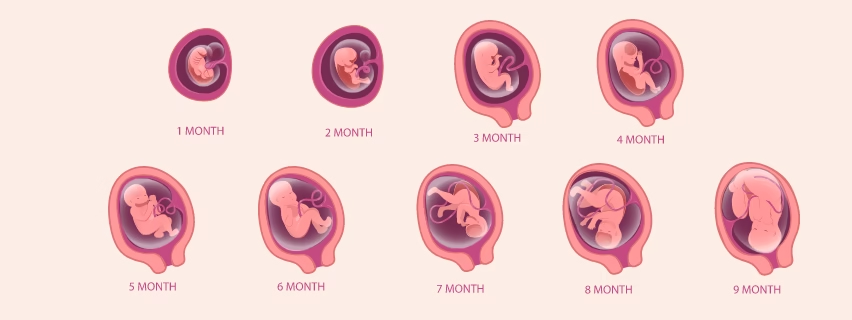
Fetal development week by week is a complex process, and diabetes can affect different stages in different ways.

First trimester

  • Formation of brain, heart, and spine
  • High blood sugar increases risk of structural abnormalities
  • Early pregnancy development is highly sensitive to glucose levels

Second trimester

  • Growth and development of organs continue
  • Excess glucose may lead to rapid fetal growth
  • Increased risk of macrosomia, where the baby grows larger than normal

Third trimester

  • Fat accumulation and final growth phase
  • High blood sugar may cause excessive weight gain in the baby
  • Increased risk of preterm birth and complications during delivery

Common Effects of Diabetes on the Baby

Uncontrolled diabetes can lead to several complications affecting fetal development.

Physical and developmental effects

  • Macrosomia leading to difficult delivery
  • Premature birth
  • Respiratory distress after birth
  • Low blood sugar levels in the newborn
  • Increased risk of obesity and diabetes later in life

Long-term concerns

  • Metabolic disorders
  • Developmental delays in some cases
  • Increased susceptibility to chronic diseases

Health Concerns During Pregnancy with Diabetes

Managing diabetes during pregnancy is essential to avoid complications.

Maternal health concerns

  • High blood pressure
  • Increased risk of infections
  • Excess amniotic fluid
  • Higher likelihood of cesarean delivery

Fetal health concerns

  • Growth abnormalities
  • Birth injuries due to larger size
  • Stillbirth in severe uncontrolled cases

Causes of Diabetes and Risk Factors

Understanding the causes of diabetes helps in better prevention and management.

Common causes and contributing factors

  • Genetic predisposition
  • Obesity or overweight
  • Sedentary lifestyle
  • Hormonal changes during pregnancy
  • Family history of diabetes

Who is at higher risk

  • Women with previous gestational diabetes
  • Women with polycystic ovary syndrome
  • Women above a certain age
  • Those with a history of large babies

Symptoms of Pregnancy with Diabetes

Some women may not notice symptoms, especially in gestational diabetes. However, certain signs may indicate high blood sugar levels.

Possible symptoms

  • Excessive thirst
  • Frequent urination
  • Fatigue
  • Blurred vision
  • Recurrent infections

Regular screening during pregnancy is important for early detection.

Managing Diabetes for a Healthy Pregnancy

Proper management can significantly reduce risks and support healthy fetal development.

Medical care

  • Regular monitoring of blood sugar levels
  • Insulin therapy if prescribed
  • Routine prenatal check-ups

Diet and nutrition

  • Balanced meals with controlled carbohydrate intake
  • Inclusion of fiber-rich foods
  • Avoiding sugary and processed foods

Physical activity

  • Light to moderate exercise as advised by a doctor
  • Helps regulate blood sugar levels
  • Improves overall pregnancy health

Pregnancy Tips for Women with Diabetes

Simple lifestyle adjustments can make a big difference.

Daily habits to follow

  • Eat meals at regular intervals
  • Monitor blood sugar consistently
  • Stay hydrated
  • Get adequate rest

Prenatal care tips

  • Attend all medical appointments
  • Follow dietary guidelines strictly
  • Discuss any unusual symptoms with a healthcare provider

Importance of Monitoring Fetal Growth

Regular monitoring ensures that the baby is developing properly.

Methods used

  • Ultrasound scans to track growth
  • Non-stress tests to monitor fetal well-being
  • Blood tests and other screenings

Benefits of monitoring

  • Early detection of complications
  • Timely medical intervention
  • Better planning for delivery

Can Diabetes Affect Labor and Delivery?

Yes, diabetes can influence how labor progresses.

Possible complications

  • Larger baby size leading to difficult vaginal delivery
  • Increased need for induced labor
  • Higher chances of cesarean section

After birth

  • Babies may experience low blood sugar
  • Monitoring in neonatal care may be required
  • Most babies recover well with proper care

Supporting a Healthy Pregnancy

A healthy pregnancy is possible even with diabetes when managed properly.

Key focus areas

  • Blood sugar control
  • Balanced nutrition
  • Regular exercise
  • Emotional well-being

Role of healthcare providers

  • Continuous monitoring and guidance
  • Personalized care plans
  • Support for both mother and baby

Key Takeaways

  • Diabetes can significantly affect fetal development if not controlled
  • Early pregnancy is the most critical stage for organ formation
  • Proper blood sugar management reduces risks
  • Regular prenatal care ensures better outcomes

A healthy lifestyle supports both maternal and fetal health

Categories
Health

Is It Possible to Save Babies from Neural Tube Defects?

Neural tube defects are among the most serious congenital conditions that can affect a developing baby. For many expecting parents, hearing about these conditions can be overwhelming. The good news is that in many cases, neural tube defects are preventable, and early intervention plays a crucial role in reducing risks.

This article explores what neural tube defects are, their causes, signs, and most importantly, whether and how they can be prevented.

What Are Neural Tube Defects?

Neural tube defects are birth defects of the brain, spine, or spinal cord that occur during early pregnancy. The neural tube is the structure in a developing embryo that eventually forms the brain and spinal cord.

  • The neural tube forms and closes within the first 28 days after conception
  • If this tube does not close properly, it results in neural tube defects
  • These conditions can vary in severity, from mild to life-threatening

List of Neural Tube Defects

Some of the most common types include:

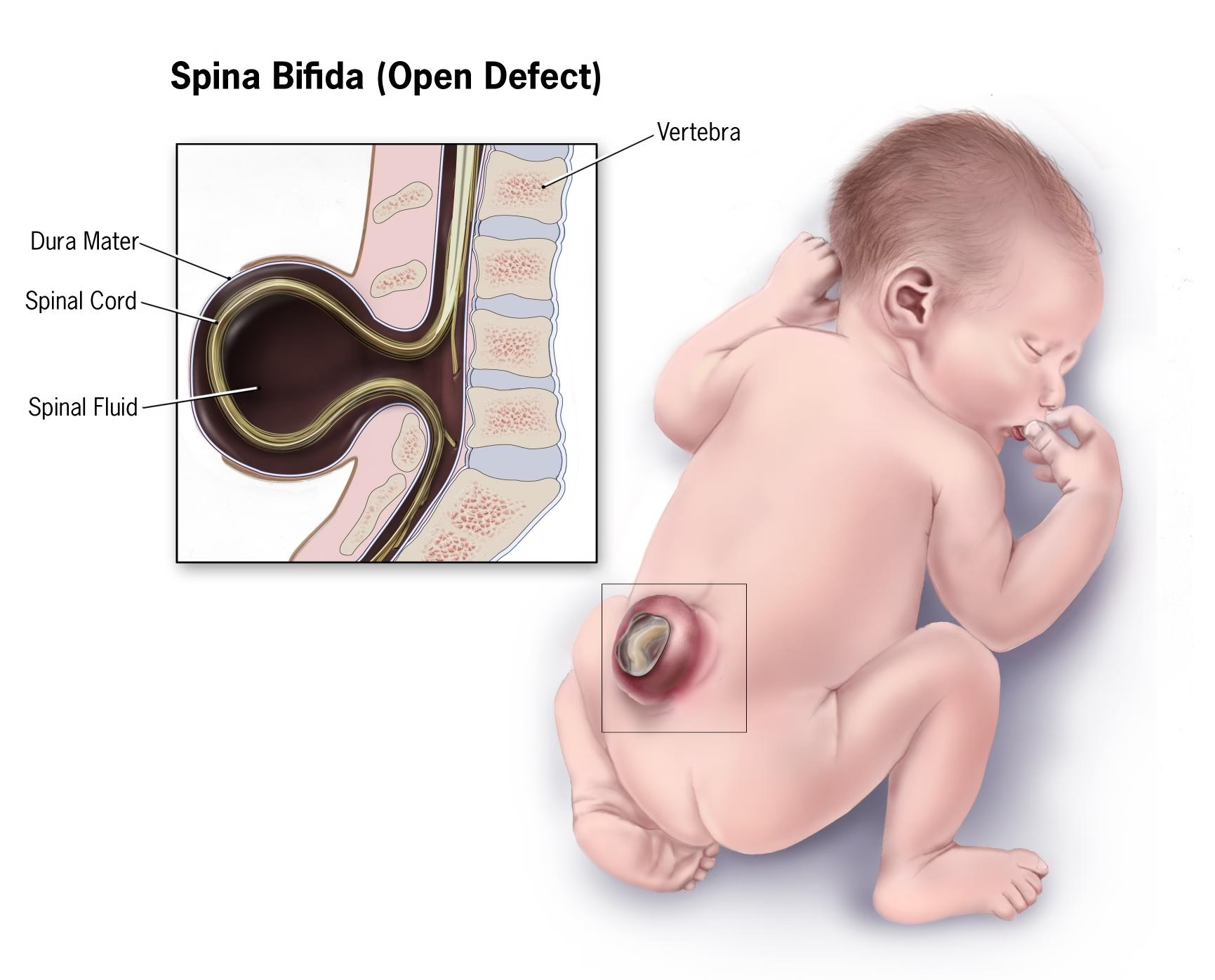
  • Spina bifida
  • Anencephaly
  • Encephalocele

Each condition affects the baby differently, depending on the location and severity of the defect.

Neural Tube Defect in Pregnancy

Neural tube defects develop very early in pregnancy, often before a woman even realizes she is pregnant. This makes prevention strategies especially important.

  • Most defects occur in the first month of pregnancy
  • Proper nutrition before and during early pregnancy is critical
  • Regular prenatal care helps in early detection

Anencephaly Cause and Understanding the Condition

 It is one of the most severe neural tube defects.

  • It occurs when the upper part of the neural tube fails to close
  • This leads to incomplete development of the brain and skull
  • Babies with anencephaly typically do not survive long after birth

Anencephaly Fetus

  • The fetus lacks major portions of the brain
  • Consciousness and survival are not possible
  • It is usually detected during routine prenatal scans

Causes of Anencephaly

While the exact cause is not always known, several risk factors have been identified:

  • Folic acid deficiency
  • Genetic predisposition
  • Poor maternal nutrition
  • Uncontrolled diabetes
  • Certain medications during pregnancy
  • Obesity in the mother

Signs of Neural Tube Defects in Pregnancy

In many cases, neural tube defects do not show obvious symptoms during early pregnancy. However, medical screening can help identify them.

Common signs and detection methods:

  • Elevated alpha-fetoprotein levels in maternal blood tests
  • Abnormal ultrasound findings
  • Presence of fluid-filled sacs in the spine or head region
  • Missing skull structures in severe cases like anencephaly

Importance of Prenatal Screening

  • Blood tests during the second trimester can indicate risk
  • Ultrasound scans help confirm diagnosis
  • Early detection allows better decision-making and care planning

Neural Tube Defects and Folic Acid

Folic acid plays a vital role in preventing neural tube defects. It is one of the most important nutrients for women of reproductive age.

Why Folic Acid Matters

  • Helps in proper formation of the neural tube
  • Reduces the risk of neural tube defects significantly
  • Supports healthy fetal development

Recommended Intake

  • Women planning pregnancy should take folic acid daily
  • Supplementation should ideally begin before conception
  • Continued intake during early pregnancy is essential

Natural Sources of Folic Acid

  • Leafy green vegetables
  • Citrus fruits
  • Beans and legumes
  • Fortified cereals
  • Nuts and seeds

Is It Possible to Save Babies from Neural Tube Defects?

This is one of the most important questions for expecting parents.

Prevention is the Most Effective Strategy

  • Many neural tube defects can be prevented with proper folic acid intake
  • Lifestyle and dietary changes play a key role
  • Early planning before pregnancy is crucial

Early Detection and Medical Intervention

  • Some conditions like spina bifida may be treated with surgery
  • In certain cases, fetal surgery during pregnancy may be an option
  • Postnatal treatments can improve quality of life

Limitations

  • Severe conditions like anencephaly cannot be treated or reversed
  • In such cases, prevention remains the only effective approach

Risk Factors

Understanding risk factors helps in reducing the chances of occurrence.

Key risk factors include:

  • Lack of folic acid
  • Previous pregnancy with neural tube defect
  • Diabetes in the mother
  • Obesity
  • Exposure to high temperatures in early pregnancy
  • Use of certain anti-seizure medications

Steps to Reduce the Risk of NTD in Pregnancy

Taking proactive measures can significantly lower the risk.

Before Pregnancy

  • Start folic acid supplements
  • Maintain a healthy diet
  • Manage chronic conditions like diabetes
  • Consult a doctor if planning pregnancy

During Pregnancy

  • Continue folic acid intake
  • Attend regular prenatal check-ups
  • Avoid harmful substances
  • Follow medical advice strictly

Lifestyle Changes

Diagnosis and Treatment Options

While prevention is key, early diagnosis allows better management.

Diagnostic Methods

  • Maternal blood screening
  • Ultrasound imaging
  • Amniocentesis in some cases

Treatment Options

  • Surgery after birth for conditions like spina bifida
  • Physical therapy and long-term care
  • Multidisciplinary medical support

Emotional and Psychological Support

A diagnosis of neural tube defects can be emotionally challenging.

Support Strategies

  • Counseling for parents
  • Support groups
  • Guidance from healthcare providers
  • Open communication within the family

Key Takeaways

  • Neural tube defects occur early in pregnancy and can be serious
  • Folic acid plays a critical role in prevention
  • Early detection improves outcomes in some cases
  • Severe conditions like anencephaly cannot be treated

Planning and proper care can significantly reduce risks

Categories
Health

Infections During Pregnancy: Causes, Risks and Prevention Guide

Pregnancy is a time when your body goes through profound changes, including shifts in immunity that can make you more vulnerable to certain infections. While many infections are mild and manageable, some can affect the developing baby and lead to complications if left untreated. Understanding infections during pregnancy, their causes, symptoms, and prevention can help you stay informed and protect both maternal and fetal health.

What Are Infections During Pregnancy?

Infections during pregnancy refer to illnesses caused by bacteria, viruses, parasites, or fungi that occur while a woman is pregnant. These infections can be:

  • Pre-existing before pregnancy
  • Acquired during pregnancy
  • Reactivated due to immune changes

Some infections are harmless, while others may lead to complications such as miscarriage, preterm birth, or fetal infection.

Why Pregnant Women Are More Susceptible

During pregnancy, the immune system adapts to support the growing fetus. This altered immunity can:

  • Reduce the body’s ability to fight certain pathogens
  • Increase vulnerability to viral and bacterial infections
  • Make some infections more severe than usual

Hormonal changes also affect the vaginal environment, increasing the risk of conditions like yeast infections, especially in the third trimester.

Common Types of Infection in Pregnancy

Bacterial Infections

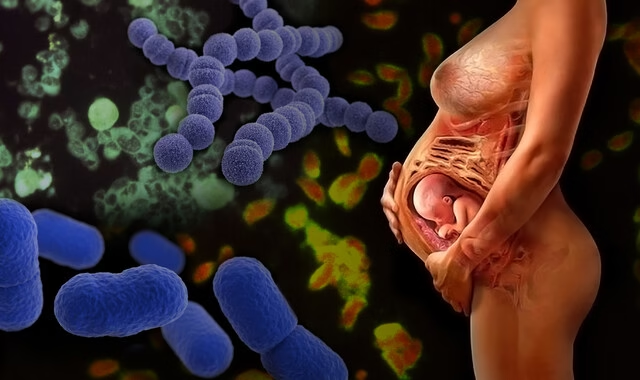
Bacteria during pregnancy can cause several complications if untreated. Common examples include:

Possible effects:

  • Preterm labor
  • Low birth weight
  • Uterine infection in pregnancy

Viral Infections

Viruses during pregnancy can sometimes cross the placenta and infect the fetus.

Common viral infections include:

  • Rubella
  • Cytomegalovirus
  • Herpes Simplex
  • Hepatitis B

Possible risks:

  • Birth defects
  • Developmental delays
  • Miscarriage

Parasitic Infections

One of the most well-known parasitic infections is:

It can spread through:

  • Undercooked meat
  • Contaminated soil
  • Cat litter

Effects on fetus infection:

  • Brain damage
  • Vision problems
  • Miscarriage

Fungal Infections

Fungal infections are common, especially in later stages of pregnancy.

  • Yeast infection during pregnancy third trimester is particularly frequent due to hormonal changes

Symptoms include:

  • Itching
  • Thick white discharge
  • Irritation

Though usually not dangerous, untreated infections can cause discomfort and complications during delivery.

TORCH Infections in Pregnancy

The term TORCH in pregnancy refers to a group of infections that can severely affect fetal development.

TORCH stands for:

  • Toxoplasmosis
  • Other infections (such as syphilis, varicella)
  • Rubella
  • Cytomegalovirus
  • Herpes Simplex

These infections are particularly dangerous because they can pass from mother to baby and lead to:

  • Congenital abnormalities
  • Neurological disorders
  • Stillbirth

Symptoms of Infection in Pregnancy

Symptoms vary depending on the type of infection, but common warning signs include:

  • Fever
  • Fatigue
  • Vaginal discharge
  • Burning during urination
  • Abdominal pain
  • Skin rashes
  • Flu-like symptoms

In some cases, infections may be asymptomatic, making routine screening essential.

Effects of Infection in Pregnancy

The effect of infection in pregnancy depends on:

  • Type of infection
  • Stage of pregnancy
  • Severity of illness

Possible Complications

  • Miscarriage
  • Preterm labor
  • Low birth weight
  • Birth defects
  • Fetal infection
  • Stillbirth

Early detection and treatment significantly reduce risks.

Uterine Infection in Pregnancy

A uterine infection in pregnancy, also known as intrauterine infection, occurs when bacteria invade the uterus.

Causes:

  • Untreated vaginal infections
  • Prolonged labor
  • Premature rupture of membranes

Symptoms:

  • Fever
  • Rapid heart rate
  • Abdominal tenderness
  • Foul-smelling discharge

This condition requires immediate medical attention to prevent complications for both mother and baby.

Yeast Infection During Pregnancy Third Trimester

A 3rd trimester yeast infection is common due to increased estrogen levels.

Why It Happens

  • Hormonal changes alter vaginal pH
  • Increased sugar levels in vaginal secretions
  • Reduced immunity

Symptoms

  • Intense itching
  • Burning sensation
  • Thick white discharge

Is It Dangerous?

  • Generally not harmful to the baby
  • May cause discomfort during delivery
  • Can be passed to the baby during birth in rare cases

Treatment is usually safe with doctor-approved antifungal medications.

How Infections Spread to the Fetus

Fetus infection can occur through:

  • Placental transfer
  • During labor and delivery
  • Ascending infection from the vagina

Timing matters:

  • First trimester infections may cause miscarriage or birth defects
  • Later infections may lead to growth issues or preterm birth

Diagnosis of Infections in Pregnancy

Doctors use several methods to detect infection:

  • Blood tests
  • Urine tests
  • Vaginal swabs
  • Ultrasound scans

Routine prenatal screening plays a crucial role in early detection.

Treatment of Infection and Pregnancy

Treatment depends on the cause of infection.

Common Approaches

  • Antibiotics for bacterial infections
  • Antiviral medications for viral infections
  • Antifungal treatments for yeast infections

Important considerations:

  • Only pregnancy-safe medications should be used
  • Self-medication should be avoided
  • Follow the full course of treatment

Prevention of Infections During Pregnancy

Preventing infection is one of the most effective ways to protect both mother and baby.

Hygiene Practices

  • Wash hands regularly
  • Avoid contact with sick individuals
  • Maintain personal hygiene

Food Safety

  • Avoid raw or undercooked meat
  • Wash fruits and vegetables thoroughly
  • Avoid unpasteurized dairy products

Lifestyle Measures

  • Practice safe sex
  • Avoid handling cat litter
  • Stay updated on vaccinations

Regular Checkups

  • Attend prenatal visits
  • Get recommended screenings
  • Report unusual symptoms immediately

When to See a Doctor

Seek medical attention if you experience:

  • Persistent fever
  • Severe abdominal pain
  • Unusual vaginal discharge
  • Painful urination
  • Reduced fetal movement

Early care can prevent serious complications.

Final Thoughts

Infections during pregnancy are common but manageable with proper care, awareness, and timely treatment. While some infections are mild, others can have serious consequences if ignored. Understanding the risks, recognizing symptoms, and following preventive measures can help ensure a healthy pregnancy journey.

If you ever feel unsure about symptoms or risks, it’s always best to consult a healthcare provider promptly.

Categories
Health

Birth Defects – Causes, Symptoms, Types, Risks & Prevention Explained

Bringing a child into the world is one of life’s most cherished experiences. Yet, for some families, pregnancy comes with unexpected challenges—one of them being birth defects. These are structural or functional abnormalities present at birth that affect a baby’s development, health, or physical appearance.

While the term may sound daunting, understanding birth defects reasons, their causes, types, risk factors, and prevention strategies can empower parents and caregivers with knowledge to safeguard pregnancies and improve newborn health outcomes.

What Are Birth Defects?

A birth defect, also called a congenital disorder, is an abnormality that occurs during fetal development. These defects can range from mild conditions that are easily treated to severe issues that impact a child’s quality of life or survival.

A child may be born with defects affecting the heart, brain, limbs, or other organs. Some conditions are visible at birth, while others may only become noticeable later in life.

Causes of Birth Defects

Birth defects can be caused by a mix of genetic, environmental, and lifestyle factors. Common birth defects reasons include:

  1. Genetic Factors

    • Genetic defects in pregnancy occur when there are mutations or abnormalities in the baby’s genes or chromosomes. Conditions like Down syndrome, cystic fibrosis, or sickle cell anemia are examples.
  2. Environmental Exposures

    • Exposure to harmful chemicals, radiation, or toxic substances during pregnancy may increase risks.
  3. Infections During Pregnancy

    • Infections like rubella, cytomegalovirus, or Zika virus can lead to newborn birth defects.
  4. Nutritional Deficiencies

    • Lack of essential nutrients such as folic acid can lead to neural tube defects (like spina bifida).
  5. Medications and Substance Use

    • Certain prescription drugs, alcohol, tobacco, and recreational drugs increase the risk of a baby being born with defects.
  6. Maternal Health Conditions

    • Diabetes, obesity, and uncontrolled chronic conditions can interfere with fetal development.

Common Symptoms of Birth Defects

Symptoms vary depending on the type of defect, but some signs may be noticeable immediately at birth:

  • Physical Abnormalities: Unusual facial features, limb deformities, or cleft lip/palate.
  • Organ-Related Issues: Breathing difficulties, heart murmurs, or digestive problems.
  • Growth and Developmental Delays: Slow physical growth, delayed speech, or cognitive challenges.
  • Neurological Issues: Seizures, intellectual disability, or coordination problems.

Some newborn birth defects may not be visible but detected through screenings, blood tests, or imaging.

Risk Factors for Birth Defects

While not all causes can be prevented, several factors increase the likelihood of born defects:

  • Maternal age over 35
  • Family history of genetic defects in pregnancy
  • Poor prenatal care or lack of check-ups
  • Use of harmful substances (alcohol, tobacco, drugs)
  • Exposure to harmful environmental agents (pesticides, chemicals)
  • Uncontrolled medical conditions in the mother

Types of Birth Defects

Birth defects can be classified into two broad categories:

  1. Structural Birth Defects

These involve problems with body parts being formed incorrectly. Examples:

  • Cleft lip or cleft palate
  • Heart defects (such as holes in the heart)
  • Neural tube defects like spina bifida
  • Limb abnormalities
  1. Functional or Developmental Birth Defects

These affect how a part of the body works. Examples:

  • Down syndrome (genetic condition)
  • Autism spectrum disorders
  • Hearing loss
  • Intellectual disabilities

Prevention of Birth Defects

While not all newborn birth defects can be prevented, many steps can lower the risk:

  1. Prenatal Vitamins & Folic Acid

    • Taking folic acid before and during pregnancy helps prevent brain and spine defects.
  2. Healthy Lifestyle Choices

    • Avoid alcohol, smoking, and drugs during pregnancy.
  3. Regular Prenatal Check-ups

    • Early and frequent check-ups ensure both mother and baby are monitored closely.
  4. Vaccinations

    • Getting vaccinated against infections like rubella prevents virus-linked birth defects reasons.
  5. Managing Chronic Conditions

    • Control diabetes, obesity, and high blood pressure before and during pregnancy.
  6. Safe Medication Use

    • Consult your doctor before taking any prescription or over-the-counter drugs while pregnant.

Treatment for Birth Defects

The treatment for birth defects depends on the type, severity, and the organ system affected. While some conditions may resolve on their own, others require long-term medical care, surgery, or therapy. Early detection through prenatal screening and newborn checkups is critical for effective management.

  1. Surgical Treatment

Many structural birth defects such as cleft lip, cleft palate, heart defects, or limb deformities can be corrected or improved through surgery. Early intervention often improves function and appearance, helping children live healthier lives.

  1. Medications

Some functional birth defects are managed with medications. For example, children with heart rhythm issues may need drugs to stabilize their condition. Seizures linked to neurological birth defects can also be controlled with anti-seizure medications.

  1. Therapies and Rehabilitation

Speech therapy, occupational therapy, and physical therapy play a key role in improving the quality of life for children born with defects that affect development, communication, or mobility.

  1. Assistive Devices

Hearing aids, mobility devices, or prosthetics may be prescribed to support children with physical or sensory challenges.

  1. Nutritional and Lifestyle Support

Some newborn birth defects require special diets (for example, phenylketonuria or PKU) or lifestyle adjustments to prevent complications.

  1. Ongoing Medical Monitoring

Regular follow-ups with pediatric specialists ensure that complications are managed promptly and that treatment plans are adjusted as the child grows.

While not all genetic defects in pregnancy can be cured, early and comprehensive care helps children reach their fullest potential.

Final Thoughts

Birth defects are a sensitive but important topic in maternal and child health. They may occur due to genetic defects in pregnancy, environmental exposures, or lifestyle factors, but with early care and awareness, many risks can be reduced.

By understanding the causes, risk factors, and preventive measures, families can take proactive steps to support healthy pregnancies and improve outcomes for their babies.

Every baby deserves the healthiest start in life. Knowledge, preparation, and medical support can make all the difference.

Exit mobile version