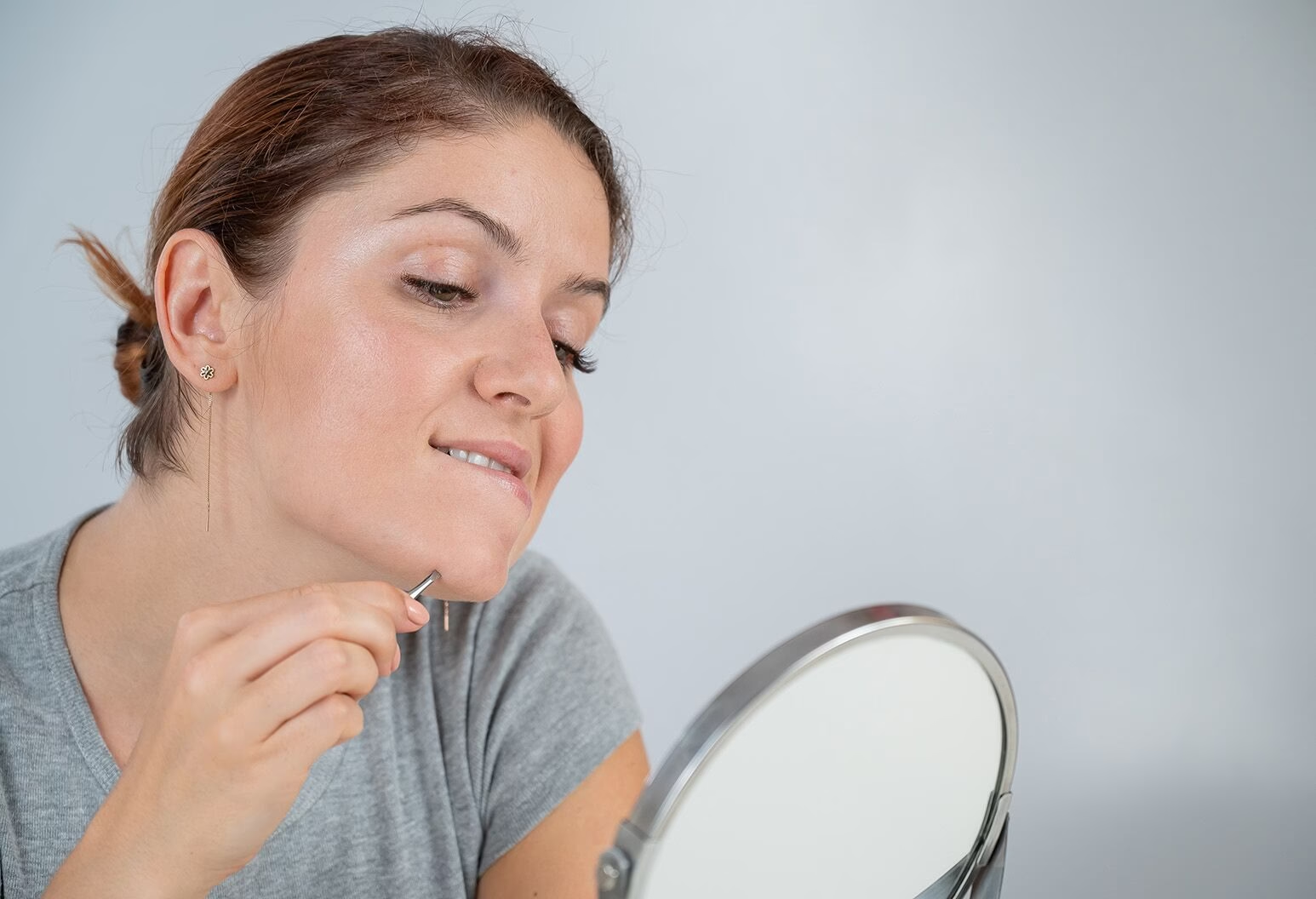
Waking up to find new hair on your chin or upper lip is frustrating. For women with PCOS, this is a daily reality. You are not alone — and you are not without options.
This guide covers why PCOS causes facial hair and what you can do about it naturally, without harsh treatments or expensive procedures.
What Is PCOS and Why Does It Cause Facial Hair?
Polycystic Ovary Syndrome (PCOS) is a hormonal condition affecting 1 in 10 women of reproductive age. It disrupts how your ovaries work and throws your hormones out of balance.
The main culprit behind facial hair is androgens — hormones like testosterone. All women naturally produce small amounts of androgens. But in PCOS, those levels are higher than normal.
When androgens spike, they stimulate hair follicles on the face, chin, upper lip, and neck. This leads to thicker, darker hair in places you don’t want it. This condition is called hirsutism.
If you’d like to learn more about PCOS, then read our complete guide: PCOS – causes, symptoms and treatment.
What Makes Androgens Rise in PCOS?
- Insulin resistance — your cells stop responding to insulin properly
- Increased LH (luteinizing hormone) production
- Low levels of sex hormone-binding globulin (SHBG)
- Chronic low-grade inflammation
High insulin signals the ovaries to produce more testosterone. More testosterone means more facial hair. It is a frustrating cycle — but one you can interrupt.
Can You Reduce PCOS Facial Hair Naturally?
Yes — but let’s set realistic expectations first.
Natural methods work best when you address the root cause: hormonal imbalance. They won’t give you overnight results. But with consistency, many women see real improvement within 3 to 6 months.
The goal is to lower androgen levels, improve insulin sensitivity, and reduce inflammation.
-
Fix Your Diet First
Your plate is one of the most powerful tools you have.
Cut the Blood Sugar Spikes
High-sugar foods spike insulin, which drives androgen production. Reducing these foods can make a meaningful difference.
Foods to limit:
- White bread, rice, and pasta
- Sugary drinks and fruit juices
- Pastries, cookies, and candy
- Processed snacks
Foods to focus on:
- Leafy greens — spinach, kale, broccoli
- Whole grains — oats, quinoa, brown rice
- Lean proteins — eggs, lentils, tofu, chicken
- Healthy fats — avocado, olive oil, nuts
Try a Low-GI Eating Pattern
A low glycemic index (GI) diet keeps blood sugar steady. Studies show it reduces testosterone and improves PCOS symptoms over time.
-
Spearmint Tea — A Simple Daily Habit
This one has solid research behind it.
Spearmint tea has natural anti-androgen properties. A study published in Phytotherapy Research found that drinking two cups of spearmint tea daily for 30 days significantly reduced free testosterone levels in women with PCOS.
Lower testosterone means less stimulation to facial hair follicles.
How to use it:
- Steep 1 teaspoon of dried spearmint leaves in hot water for 5–7 minutes
- Drink two cups daily — morning and evening
- Be consistent for at least 4–6 weeks to notice a difference
It’s an easy, inexpensive habit. And it tastes great too.
-
Manage Insulin Resistance Naturally
Since insulin resistance drives androgen excess, targeting it is key.
Inositol Supplements
Myo-inositol and D-chiro-inositol are two supplements with strong evidence for PCOS. They improve insulin sensitivity and lower androgen levels.
Many studies show they reduce testosterone, improve ovulation, and even reduce hirsutism scores over time.
Typical dosage: 2g of myo-inositol twice daily (always check with your doctor first)
Cinnamon
Cinnamon helps improve how the body uses insulin. Adding it to oatmeal, smoothies, or tea daily is a small but helpful step.
Apple Cider Vinegar
Some women with PCOS use ACV before meals to blunt blood sugar spikes. Mix one tablespoon in a glass of water before eating. Don’t overdo it — it’s acidic and can harm tooth enamel.
-
Exercise Regularly
You don’t need intense workouts. You need consistency.
Exercise improves insulin sensitivity better than most supplements. Even a 30-minute daily walk helps. Strength training is especially powerful — it builds muscle and reduces insulin resistance at the cellular level.
Effective exercise types for PCOS:
- Brisk walking
- Cycling
- Strength or resistance training
- Yoga or Pilates (also helps with stress)
Aim for at least 150 minutes of moderate exercise per week.
-
Reduce Stress — Seriously
Stress raises cortisol. High cortisol worsens insulin resistance and drives androgen production. It is a loop that keeps PCOS symptoms active.
Practical Stress-Reduction Tools
- Sleep: Aim for 7–9 hours every night. Poor sleep alone raises cortisol.
- Yoga: Multiple studies show yoga reduces testosterone levels in women with PCOS.
- Meditation or breathwork: Even 10 minutes a day lowers cortisol meaningfully.
- Journaling: Writing your worries down helps your nervous system reset.
Managing stress isn’t a luxury. For PCOS, it is medicine.
-
Herbal Remedies With Some Evidence
Some herbs show promise for lowering androgens naturally.
Saw Palmetto
Saw palmetto blocks an enzyme (5-alpha reductase) that converts testosterone into its more potent form, DHT. DHT is what actually triggers hair follicles to grow thicker hair.
It is available as a supplement. Dosage varies — consult a healthcare provider.
Licorice Root
Licorice root contains compounds that reduce testosterone production. However, high doses or long-term use can raise blood pressure. Use it cautiously.
Chaste Tree Berry (Vitex)
Vitex helps balance LH and prolactin levels. Some women with PCOS find it helpful for overall hormonal balance. It works slowly — give it 3 months at minimum.
-
Natural Hair Removal Methods (For Right Now)
While you work on the root cause, you still need to manage existing hair. Here are gentler, skin-friendly options.
Turmeric Paste
Turmeric has been used for centuries in South Asian cultures to slow hair growth.
Simple recipe:
- Mix 2 tablespoons of turmeric with enough water or milk to form a paste
- Apply to the affected area
- Leave for 15–20 minutes
- Rinse off with warm water
Use 3–4 times a week. Over weeks, hair may become finer and less noticeable.
Sugar Waxing (Sugaring)
Sugaring is a natural alternative to waxing. It uses sugar, lemon, and water — no chemicals.
- Pulls hair from the root
- Less irritating than traditional wax
- Can be done at home
With regular use, hair often grows back finer over time.
Threading
Threading removes hair precisely from the root using twisted thread. It is gentle, chemical-free, and widely available. Great for upper lip and chin areas.
-
Check Your Nutrient Levels
Certain deficiencies make PCOS symptoms worse.
| Nutrient | Why It Matters for PCOS |
| Vitamin D | Low levels linked to insulin resistance and high androgens |
| Zinc | Helps block 5-alpha reductase like saw palmetto |
| Magnesium | Improves insulin sensitivity; many women with PCOS are deficient |
| Omega-3 fatty acids | Reduces inflammation and lowers testosterone |
Ask your doctor to check these levels. Supplementing deficiencies can bring noticeable changes.
When to See a Doctor
Natural methods are powerful — but they are not always enough on their own.
See a doctor if:
- Facial hair is growing rapidly or in new areas
- You notice hair thinning on your scalp alongside facial hair
- Natural methods haven’t helped after 6 months
- You have other PCOS symptoms like irregular periods or acne
A doctor may recommend medications like spironolactone, metformin, or birth control to manage androgen levels more directly.
Be Patient With Yourself
Getting rid of PCOS facial hair naturally takes time. Your hormones didn’t shift overnight — and they won’t reset overnight either.
Pick 2–3 changes from this list and start today. Track your progress. Give each change at least 8–12 weeks before judging results.
The hair you can manage. The confidence? That comes back faster than you think.
FAQs
Q1: Can PCOS facial hair go away permanently with natural methods?
Natural methods can reduce hair growth significantly over time by lowering androgen levels. However, hair that is already established may not disappear completely without professional treatment like laser hair removal. Think of natural methods as growth control, not permanent removal.
Q2: How long does it take to see results from natural PCOS treatments?
Most women notice changes within 3 to 6 months of consistent effort. Hormones shift slowly, so patience is key. Diet, spearmint tea, and inositol tend to show results sooner than herbal supplements alone.
Q3: Does spearmint tea really reduce PCOS facial hair?
Yes — spearmint has documented anti-androgen effects. Clinical studies show it can reduce free testosterone levels with regular use (two cups daily). It won’t stop existing hair overnight, but it can slow new growth over time.
Q4: Is it safe to use herbal supplements for PCOS without a doctor?
Some supplements like myo-inositol and zinc are generally well tolerated. However, herbs like saw palmetto, licorice root, and vitex can interact with medications. Always consult your doctor before starting any supplement, especially if you are on hormonal treatments.
Q5: Can exercise alone reduce PCOS facial hair?
Exercise won’t directly remove hair, but it significantly improves insulin sensitivity. Since insulin resistance drives androgen excess in PCOS, regular exercise can lower testosterone levels over time — which slows hair growth.