Skin changes are often one of the earliest and most visible signs of hormonal imbalance. For many women, these changes are not just cosmetic concerns but signals from the body that something deeper is happening.
One common condition linked to these symptoms is Polycystic Ovary Syndrome. While PCOS is usually associated with irregular periods or weight gain, its impact on the skin is often overlooked or misunderstood.
If you’ve been dealing with persistent acne, unusual skin texture, or changes that don’t respond to regular care, it may be worth understanding how PCOS affects your skin.
How PCOS Affects the Skin
PCOS is primarily a hormonal condition, and hormones play a major role in skin health.
Key factors include:
- Increased androgen levels that stimulate oil production
- Insulin resistance that affects skin cells and pigmentation
- Inflammation that worsens skin conditions
These changes can lead to a variety of skin-related symptoms that are often stubborn and recurring.
Common PCOS Symptoms Skin Problems
Hormonal Acne
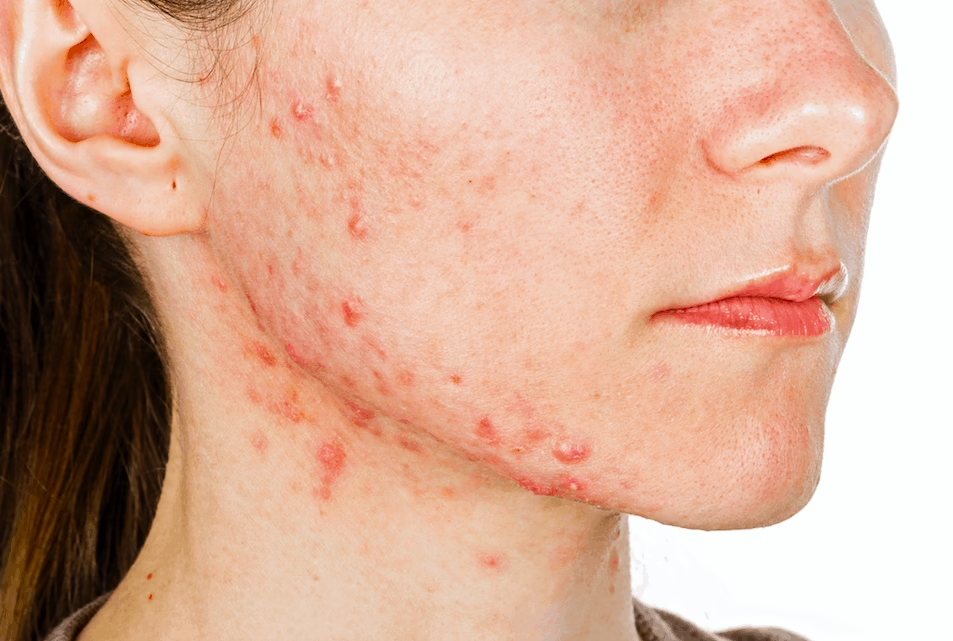
Hormonal acne is one of the most common skin issues in PCOS.
- Breakouts often appear on the jawline, chin, and lower face
- Acne may be deep, painful, and long-lasting
- It often does not respond well to regular skincare products
- Flare-ups may worsen around the menstrual cycle
This type of acne is directly linked to excess androgens increasing oil production.
Oily Skin
Many women with PCOS notice their skin becoming excessively oily.
- Skin may feel greasy throughout the day
- Makeup may not stay in place
- Enlarged pores are often visible
This is due to increased sebum production triggered by hormonal imbalance.
Dark Patches on Skin
A condition known as acanthosis nigricans is often associated with PCOS.
- Dark, thickened patches appear on the neck, underarms, or groin
- Skin may feel velvety or slightly raised
- Often linked to insulin resistance
These patches are not harmful but indicate underlying metabolic changes.
Skin Tags
Skin tags are small, soft growths that may appear in certain areas.
- Commonly found on the neck or underarms
- Usually painless
- May increase in number over time
They are also associated with insulin resistance.
Unwanted Hair Growth
Excess hair growth, known as hirsutism, is another noticeable symptom.
- Hair may grow on the face, chest, or abdomen
- Growth may be thicker and darker than usual
- Often linked to high androgen levels
This can be distressing but is a common sign of hormonal imbalance.
Hair Thinning on the Scalp
While unwanted hair grows in some areas, hair loss may occur on the scalp.
- Hair may become thinner over time
- Hairline may recede gradually
- Often similar to male-pattern hair loss
This is also influenced by androgen levels.
Dry or Sensitive Skin
Not all skin changes involve oiliness. Some women experience:
- Dry patches
- Increased sensitivity
- Irritation with products
Hormonal imbalance can disrupt the skin barrier, making it more reactive.
Less Common Skin Signs of PCOS
Some symptoms are subtle and easy to overlook.
- Slow healing of wounds
- Frequent skin infections
- Uneven skin tone
- Increased pigmentation after acne
These signs may not always be linked directly but can indicate underlying imbalance.
Why These Skin Problems Occur
Understanding the root cause helps in managing these symptoms better.
Hormonal Imbalance
- Elevated androgens increase oil production
- This leads to clogged pores and acne
Insulin Resistance
- High insulin levels affect skin cell growth
- Leads to dark patches and skin tags
Inflammation
- Chronic low-grade inflammation worsens acne
- Affects overall skin health
PCOS Skin Problems in Different Skin Types
Skin reactions can vary depending on individual factors.
- Oily skin may experience severe acne
- Dry skin may show irritation and sensitivity
- Combination skin may have mixed symptoms
This is why treatment should be personalized.
Emotional Impact of Skin Problems
Skin issues can affect more than physical appearance.
- Lower self-confidence
- Increased stress or anxiety
- Social discomfort
Addressing both physical and emotional aspects is important.
How to Manage PCOS Skin Problems
Managing skin issues caused by PCOS requires a holistic approach.
Skincare Routine
- Use gentle, non-comedogenic products
- Avoid harsh treatments that irritate the skin
- Maintain consistent cleansing and moisturizing
Diet and Nutrition
- Reduce sugar and processed foods
- Include whole foods and fiber
- Add healthy fats for skin support
Lifestyle Changes
- Regular exercise helps improve insulin sensitivity
- Proper sleep supports hormone balance
- Stress management reduces flare-ups
Medical Treatments
- Doctors may prescribe medications for acne or hair growth
- Hormonal treatments may be recommended in some cases
- Dermatological treatments can help manage symptoms
When to See a Doctor
It is important to seek medical advice if:
- Acne is severe or persistent
- Skin changes appear suddenly
- Hair growth or hair loss increases
- Dark patches become more noticeable
Early diagnosis helps in better management.
Can PCOS Skin Problems Be Reversed
While there is no instant cure, symptoms can improve significantly.
- Hormonal balance can be restored gradually
- Skin condition improves with consistent care
- Lifestyle changes play a key role
Patience and consistency are essential.
Final Thoughts
Skin problems related to PCOS are more than surface-level concerns. They are often early indicators of hormonal imbalance and metabolic changes.
Recognizing these signs and addressing the root cause can help improve both skin health and overall well-being. With the right approach, it is possible to manage symptoms effectively and regain confidence in your skin.
FAQs
What are the most common skin problems in PCOS?
Common skin problems include acne, oily skin, dark patches, skin tags, unwanted hair growth, and thinning hair on the scalp.
Why does PCOS cause acne?
PCOS increases androgen levels, which leads to excess oil production. This clogs pores and results in persistent acne, especially around the chin and jawline.
Can PCOS cause dark patches on the skin?
Yes, PCOS can cause dark, thickened skin patches, especially around the neck and underarms. This is often linked to insulin resistance.
Are skin tags a sign of PCOS?
Skin tags can be associated with PCOS, particularly when insulin resistance is present. They are usually harmless but may indicate underlying hormonal imbalance.
Can PCOS cause facial hair growth?
Yes, increased androgen levels in PCOS can lead to unwanted facial and body hair growth, especially on the chin, upper lip, and chest.