Polycystic Ovary Syndrome is one of the most common hormonal conditions affecting young females today. It often begins during adolescence, yet many remain unaware of what actually triggers it. Understanding the causes can help with early identification, better management, and long-term health protection.
This guide explains the real reasons behind PCOS in young females, breaking down the science into simple, practical insights.
What is PCOS
PCOS is a hormonal imbalance where the ovaries produce higher-than-normal levels of androgens, often called male hormones. This imbalance can affect ovulation, menstrual cycles, and overall metabolism.
Young females with PCOS may experience:
- Irregular periods
- Acne or oily skin
- Excess facial or body hair
- Weight gain or difficulty losing weight
- Hair thinning
However, the root causes are not always obvious. PCOS does not come from a single reason but from a combination of biological and lifestyle factors.
Main Causes of PCOS in Young Females
Hormonal Imbalance
Hormones play a central role in PCOS.
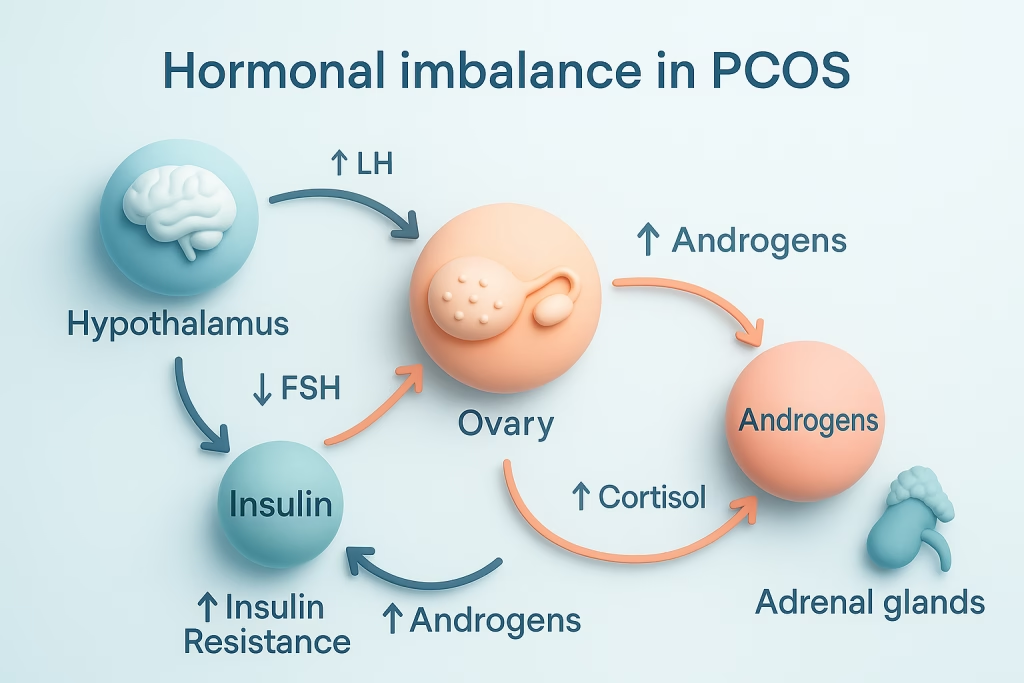
- Increased androgen levels interfere with normal ovulation
- Eggs may not mature or release properly
- This leads to irregular or missed periods
In young females, hormonal fluctuations during puberty can sometimes trigger or worsen this imbalance.
Insulin Resistance
One of the most important and often overlooked causes is insulin resistance.
- The body’s cells do not respond properly to insulin
- The pancreas produces more insulin to compensate
- High insulin levels stimulate the ovaries to produce more androgens
This creates a cycle:
- More insulin leads to more androgens
- More androgens worsen PCOS symptoms
Insulin resistance is common even in young females who are not overweight.
Genetics
PCOS often runs in families.
- If a mother or sister has PCOS, the risk increases
- Certain genes may influence hormone regulation and insulin sensitivity
This does not mean it is unavoidable, but genetic predisposition plays a strong role.
Inflammation
Low-grade inflammation in the body is another contributing factor.
- The immune system releases substances that can stimulate androgen production
- This increases hormonal imbalance
- It may also worsen insulin resistance
Inflammation is often linked to poor diet, stress, and lack of physical activity.
Lifestyle Factors
Modern lifestyle habits significantly influence PCOS development.
- High intake of processed foods and sugar
- Sedentary routine
- Irregular sleep patterns
- Chronic stress
These factors do not directly cause PCOS alone, but they can trigger or worsen underlying conditions like insulin resistance and inflammation.
Obesity and Weight Gain
Weight is closely linked to PCOS, but it is not the only cause.
- Excess body fat can increase insulin resistance
- It can also affect hormone levels
- Fat tissue produces hormones that disrupt balance
However, it is important to note:
- Many young females with PCOS are not overweight
- Lean PCOS is a recognized condition
Early Puberty Changes
During adolescence, the body undergoes major hormonal changes.
- Hormone levels fluctuate naturally
- In some cases, these fluctuations become prolonged
- This may lead to irregular cycles that develop into PCOS
This is why symptoms often appear in teenage years.
Environmental Factors
Exposure to certain environmental elements may also play a role.
- Hormone-disrupting chemicals in plastics and cosmetics
- Pollution
- Processed food additives
These factors can interfere with endocrine function over time.
Why PCOS is Increasing in Young Females
There has been a noticeable rise in PCOS cases among younger age groups.
Possible reasons include:
- Increased consumption of processed and fast foods
- Reduced physical activity
- Higher stress levels due to academic and social pressures
- Increased screen time and poor sleep habits
These changes create an environment where hormonal imbalances are more likely to occur.
Early Signs to Watch For
Recognizing early symptoms can make a big difference.
- Irregular or skipped periods
- Severe acne that does not respond to basic treatment
- Unusual hair growth on face or body
- Sudden weight gain
- Dark patches on skin, especially around neck or underarms
Early detection allows for better management and prevents complications.
Can PCOS Be Prevented
PCOS cannot always be completely prevented, especially if genetics are involved. However, its severity can be reduced with the right habits.
Healthy Lifestyle Practices
- Balanced diet with whole foods
- Regular physical activity
- Maintaining a healthy weight
- Managing stress effectively
- Consistent sleep routine
These steps can improve insulin sensitivity and hormone balance.
Long-Term Health Risks if Ignored
If not managed properly, PCOS can lead to complications later in life.
- Type 2 diabetes
- Infertility
- Heart disease
- High cholesterol
- Endometrial issues
This is why early awareness and action are important.
Treatment and Management Approach
There is no single cure, but PCOS can be managed effectively.
Medical Support
- Hormonal treatments to regulate periods
- Medications to improve insulin sensitivity
- Dermatological treatments for skin issues
Lifestyle Management
- Nutrition focused on low glycemic foods
- Strength training and regular exercise
- Stress reduction techniques such as yoga or meditation
A combination of both medical and lifestyle approaches works best.
Final Thoughts
PCOS in young females is influenced by a mix of hormonal, genetic, and lifestyle factors. It is not caused by one single reason, and it is not something to ignore.
The good news is that with early awareness and consistent care, symptoms can be managed effectively. Small daily changes can have a powerful impact over time.
FAQs
What is the main cause of PCOS in young females?
- The main cause is a combination of hormonal imbalance and insulin resistance, often influenced by genetics and lifestyle
Can a thin girl have PCOS?
- Yes, PCOS can affect females of any body type, including those who are not overweight
At what age does PCOS usually start?
- It often begins during teenage years, especially soon after puberty
Is PCOS caused by poor diet alone?
- No, diet alone does not cause PCOS, but unhealthy eating habits can worsen symptoms
Can PCOS go away naturally?
- It cannot always be cured, but symptoms can be managed effectively with lifestyle changes and treatment
Does stress cause PCOS?
- Stress does not directly cause PCOS but can worsen hormonal imbalance and symptoms