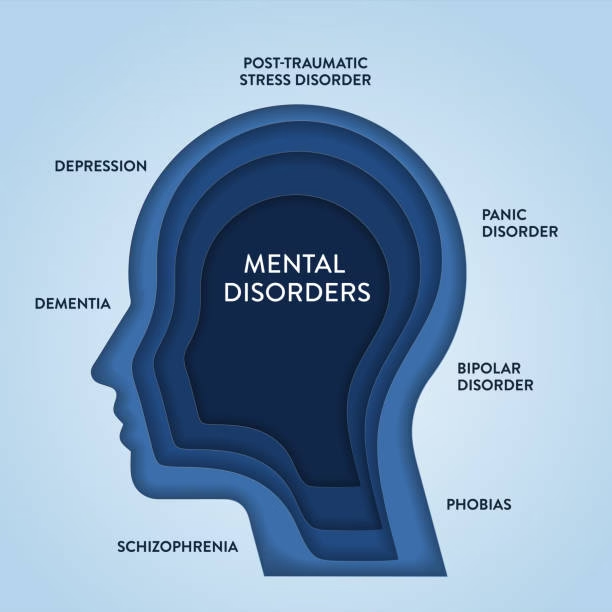
Mental health has become one of the most important conversations of our time. From anxiety and depression to bipolar disorder and schizophrenia, millions of people worldwide live with some form of mental disorders every day.
Understanding these conditions — their causes, symptoms, and treatments — is the first step toward healing and hope. This guide explores 20 common types of mental disorders and the solutions that can help improve emotional and mental health.
What Are Mental Disorders?
A mental disorder, also known as a mental illness or psychological disorder, is a condition that affects how a person thinks, feels, behaves, and interacts with others.
These disorders can lead to significant distress, challenges in daily functioning, and even physical symptoms. But it’s important to remember: mental health issues are treatable, and recovery is possible with the right care and support.
-
Anxiety Disorders
Overview:
Anxiety disorders are among the most common mental health issues, characterized by excessive fear, worry, or nervousness.
Examples:
- Generalized Anxiety Disorder (GAD)
- Panic Disorder
- Social Anxiety Disorder
Solutions:
- Cognitive Behavioral Therapy (CBT)
- Relaxation techniques like deep breathing and meditation
- Limiting caffeine and alcohol
- In some cases, anti-anxiety medications
-
Major Depressive Disorder
Overview:
Depression is more than just sadness. It’s a persistent feeling of emptiness, hopelessness, and loss of interest in activities once enjoyed.
Solutions:
- Therapy (especially CBT or interpersonal therapy)
- Antidepressant medications (under medical supervision)
- Regular physical exercise and sunlight exposure
- Social support and journaling
Overview:
This psychological disorder involves extreme mood swings — from manic highs (excessive energy or euphoria) to depressive lows.
Solutions:
- Mood stabilizers and psychotherapy
- Maintaining a regular sleep schedule
- Avoiding alcohol and drugs
- Building a structured routine
-
Obsessive-Compulsive Disorder (OCD)
Overview:
OCD causes unwanted thoughts (obsessions) and repetitive actions (compulsions) that interfere with daily life.
Solutions:
- Exposure and Response Prevention (ERP) therapy
- Cognitive Behavioral Therapy
- Medication (SSRIs)
- Mindfulness and grounding exercises
-
Post-Traumatic Stress Disorder (PTSD)
Overview:
PTSD occurs after experiencing or witnessing a traumatic event. People may relive the trauma through flashbacks, nightmares, or severe anxiety.
Solutions:
- Trauma-focused therapy (like EMDR or CBT)
- Support groups for trauma survivors
- Relaxation techniques
- Professional guidance from a trauma-informed therapist
-
Eating Disorders
Overview:
Eating disorders involve extreme behaviors and thoughts about food, weight, and body image. Common types include:
- Anorexia Nervosa (self-starvation)
- Bulimia Nervosa (bingeing and purging)
- Binge Eating Disorder (compulsive overeating)
Solutions:
- Nutritional counseling
- Cognitive and family-based therapy
- Medical monitoring
- Building body positivity and self-compassion
-
Schizophrenia
Overview:
A severe mental illness that affects how a person thinks, feels, and perceives reality. Common symptoms include hallucinations, delusions, and disorganized thinking.
Solutions:
- Antipsychotic medications
- Psychosocial rehabilitation
- Supportive therapy and family education
- Stable routines and consistent medical follow-ups
-
Attention-Deficit/Hyperactivity Disorder (ADHD)
Overview:
ADHD affects focus, impulse control, and organization. It’s often diagnosed in childhood but can persist into adulthood.
Solutions:
- Behavioral therapy
- ADHD-friendly routines and planners
- Medication (stimulant or non-stimulant)
- Mindfulness and exercise for focus improvement
-
Autism Spectrum Disorder (ASD)
Overview:
ASD affects communication, social interaction, and behavior. Symptoms can vary widely, ranging from mild social challenges to more complex developmental differences.
Solutions:
- Behavioral and speech therapy
- Occupational therapy
- Sensory integration activities
- Supportive educational environments
-
Borderline Personality Disorder (BPD)
Overview:
BPD is marked by unstable moods, self-image, and relationships. People with BPD may experience intense emotional reactions and fear of abandonment.
Solutions:
- Dialectical Behavior Therapy (DBT)
- Emotion regulation skills
- Consistent routines and strong social support
- Avoiding impulsive decisions during emotional highs
-
Narcissistic Personality Disorder (NPD)
Overview:
NPD involves an inflated sense of self-importance, a deep need for admiration, and lack of empathy toward others.
Solutions:
- Psychotherapy focused on empathy and self-awareness
- Mindfulness practices
- Long-term therapy for personality restructuring
-
Antisocial Personality Disorder (ASPD)
Overview:
People with ASPD often disregard social norms and the rights of others. They may engage in manipulative or harmful behaviors without remorse.
Solutions:
- Psychotherapy and anger management
- Rehabilitation and behavior modification programs
- Supportive environments promoting accountability
-
Phobias
Overview:
Phobias are intense, irrational fears of specific objects or situations (like heights, spiders, or flying).
Solutions:
- Gradual exposure therapy
- Cognitive Behavioral Therapy
- Relaxation and visualization techniques
-
Panic Disorder
Overview:
A psychological disorder involving sudden panic attacks — intense fear, heart palpitations, and breathlessness, often without clear triggers.
Solutions:
- CBT and mindfulness therapy
- Breathing control techniques
- Reducing caffeine and stimulants
- Anti-anxiety medication (as prescribed)
-
Insomnia Disorder
Overview:
Chronic inability to fall or stay asleep can cause severe mental health issues like anxiety, irritability, and depression.
Solutions:
- Establishing a calming bedtime routine
- Limiting screen time and caffeine before bed
- Cognitive Behavioral Therapy for Insomnia (CBT-I)
- Practicing relaxation or meditation before sleep
-
Dissociative Identity Disorder (DID)
Overview:
Previously known as multiple personality disorder, DID involves having two or more distinct identities or personality states. It often stems from severe trauma.
Solutions:
- Trauma-focused therapy
- Hypnotherapy or guided imagery
- Building self-awareness and grounding techniques
- Long-term support and therapy consistency
-
Somatic Symptom Disorder
Overview:
This disorder causes excessive anxiety about physical symptoms that may not have a clear medical cause.
Solutions:
- CBT to address health anxiety
- Mind-body practices (yoga, meditation)
- Reducing health-related reassurance seeking
- Balanced lifestyle with proper nutrition and sleep
-
Substance Use Disorders
Overview:
Substance abuse or addiction affects both brain and behavior, leading to compulsive drug or alcohol use despite harmful consequences.
Solutions:
- Detoxification and rehabilitation programs
- Support groups like AA or NA
- Therapy and relapse prevention plans
- Healthy lifestyle changes and family support
-
Seasonal Affective Disorder (SAD)
Overview:
A form of depression that appears seasonally, usually during winter when sunlight exposure decreases.
Solutions:
- Light therapy (exposure to bright artificial light)
- Outdoor activity during daylight
- Vitamin D supplements
- Counseling and antidepressants if needed
-
Adjustment Disorders
Overview:
These occur when someone struggles to cope with a major life change — like job loss, breakup, or relocation — leading to temporary emotional distress.
Solutions:
- Short-term counseling
- Stress management techniques
- Journaling or mindfulness practices
- Supportive social connections
How to Improve Emotional and Mental Health Every Day
While professional treatment is essential for many mental disorders, lifestyle choices also play a major role in maintaining emotional and mental health:
- Get regular physical activity
- Maintain a balanced diet
- Practice gratitude and mindfulness
- Stay connected with loved ones
- Avoid alcohol, smoking, and recreational drugs
- Seek help early when symptoms appear
Remember: mental health is health. Taking care of your mind is as important as taking care of your body.
When to Seek Professional Help
If you or someone you know experiences:
- Persistent sadness or anxiety
- Withdrawal from social life
- Thoughts of self-harm or suicide
- Severe mood swings or confusion
Please reach out immediately to a mental health professional or helpline.
Early intervention can save lives and restore hope.
Final Thoughts
Mental disorders don’t define who you are — they are conditions that can be understood, managed, and treated. With awareness, therapy, community, and compassion, recovery is always possible.
Taking small steps today — whether through therapy, self-care, or reaching out for help — can lead to a healthier, happier tomorrow.
Your mind matters. Your feelings matter. And healing is within reach.