
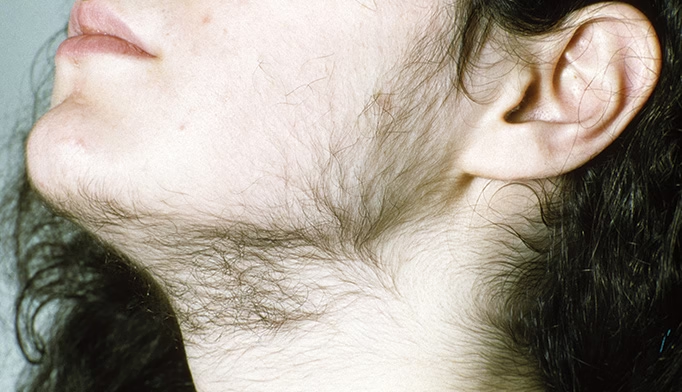
Excessive hair growth in women can sometimes be more than just a cosmetic concern. When thick or dark hair develops in areas where women typically have minimal hair, it may indicate a condition known as hirsutism. This condition often affects areas such as the face, chest, abdomen, back, and chin.
Hirsutism in women can be distressing because it may impact confidence and emotional well being. While occasional facial hair is common, abnormal body hair growth may signal an underlying hormonal imbalance or medical condition that requires attention.
Understanding the causes, symptoms, and available treatment options can help women manage this condition effectively. This article explores the possible cause of hirsutism, its symptoms, and various approaches for managing excessive hair growth.
What Is Hirsutism
Hirsutism refers to the growth of coarse and dark hair in women in areas where men typically grow hair. These areas often include the face, chest, abdomen, back, and chin.
The condition occurs when hair follicles become sensitive to male hormones known as androgens. These hormones are normally present in both men and women, but elevated levels or increased sensitivity can lead to excessive hair growth.
Women experiencing hirsutism may notice:
- thick hair on the chin or upper lip
- hair growth on the chest or abdomen
- excessive hair on the back or shoulders
- hair growth that appears darker or coarser than usual
While mild facial hair can be normal, persistent or rapidly increasing hair growth may indicate an underlying issue.
Hirsutism in Women
Hirsutism in women can occur at different stages of life. It often becomes noticeable during puberty, when hormonal changes begin to affect the body. However, it may also develop later due to medical conditions or hormonal changes.
The presence of female growing facial hair does not always mean a serious health problem. In many cases, genetics or ethnic background may influence hair growth patterns.
However, when excessive hair growth appears suddenly or worsens quickly, medical evaluation may be necessary to determine the cause.
Teenage girls who suffer from PCOS are likely to get the signs of Hirsutism.
Common Areas Affected by Excessive Hair Growth
Hirsutism typically appears in areas that are sensitive to androgen hormones.
Common areas include:
- upper lip
- chin
- chest
- abdomen
- lower back
- thighs
Hair growth chin female is one of the most frequently reported concerns among women experiencing this condition.
The hair in these areas may become thicker, darker, and more noticeable over time.
Cause of Hirsutism
Several factors can contribute to abnormal body hair growth in women. In many cases, hormonal imbalances play a significant role.
Common causes include:
- hormonal changes affecting androgen levels
- polycystic ovary syndrome
- certain medications
- genetic factors
- endocrine disorders affecting hormone production
Understanding the cause of facial hair on women is important because treatment options often depend on the underlying condition.
Hormones and Excess Facial Hair Growth in Females
Hormones regulate many functions in the body, including hair growth. Androgens, often referred to as male hormones, influence hair thickness and distribution.
When androgen levels increase or when hair follicles become more sensitive to these hormones, excess facial hair growth female may occur.
Hormonal imbalance may also cause other symptoms such as:
- irregular menstrual cycles
- acne or oily skin
- thinning scalp hair
- weight changes
These symptoms may provide clues about the underlying cause of hirsutism.
Polycystic Ovary Syndrome and Hirsutism
One of the most common causes of hirsutism in women is polycystic ovary syndrome. This hormonal disorder affects how the ovaries function and can lead to increased androgen levels.
Women with this condition may experience:
- excessive hair growth
- irregular menstrual cycles
- acne or oily skin
- difficulty with weight management
Medical evaluation is often necessary to confirm the diagnosis and develop an appropriate treatment plan.
Other Possible Causes of Facial Hair on Women
In addition to hormonal disorders, several other factors may contribute to excessive hair growth.
These include:
- certain medications that affect hormone levels
- adrenal gland disorders
- genetic predisposition
- metabolic conditions
In some cases, the exact cause of hirsutism may not be clearly identified.
Diagnosing Hirsutism
Diagnosis usually begins with a medical consultation where a healthcare professional reviews the patient’s symptoms and medical history.
Evaluation may involve:
- physical examination to assess hair distribution
- discussion of menstrual patterns and hormonal symptoms
- blood tests to evaluate hormone levels
- imaging studies if necessary
These steps help identify the cause of excessive hair growth and guide treatment decisions.
Hirsutism Treatment Options
Treatment for hirsutism focuses on managing symptoms and addressing underlying causes. The most appropriate approach depends on the severity of hair growth and the individual’s overall health.
Medical Treatments
Medical treatments aim to regulate hormone levels or reduce hair growth.
Common approaches include:
- hormonal therapies that regulate androgen levels
- medications that slow hair growth
- treatments addressing underlying hormonal disorders
These treatments often require consistent use over time to produce noticeable results.
Hirsutism Medication
Certain medications can help manage abnormal hair growth by affecting hormone activity.
These medications may:
- reduce androgen production
- block the effects of male hormones on hair follicles
- slow new hair growth
Hirsutism medication should always be taken under medical supervision to ensure safety and effectiveness.
Cosmetic and Hair Removal Methods
In addition to medical treatments, cosmetic methods can help manage visible hair growth.
Common hair removal options include:
- shaving
- waxing
- threading
- depilatory creams
- laser hair removal
These techniques provide temporary or long term solutions for managing unwanted hair.
Laser treatments may reduce hair growth gradually by targeting hair follicles.
Lifestyle and Self Care Approaches
Certain lifestyle habits may support overall hormonal balance and health.
Helpful practices include:
- maintaining a balanced diet
- engaging in regular physical activity
- managing stress levels
- maintaining a healthy body weight
While lifestyle changes alone may not eliminate excessive hair growth, they can support overall health and complement medical treatment.
Emotional Impact of Hirsutism
Hirsutism can affect emotional well being and self confidence. Many women feel uncomfortable or self conscious about visible hair growth.
Common emotional challenges may include:
- reduced self confidence
- anxiety about appearance
- social discomfort
Support from healthcare professionals, counselors, or support groups can help individuals cope with these concerns.
Understanding that the condition is manageable can also reduce stress and improve emotional health.
When to Seek Medical Advice
Medical evaluation is recommended if excessive hair growth develops suddenly or is accompanied by other symptoms.
Signs that require medical attention include:
- rapid hair growth on the face or body
- irregular menstrual cycles
- severe acne or skin changes
- deepening voice or other hormonal symptoms
Early diagnosis can help identify underlying conditions and improve treatment outcomes.
Long Term Management
Managing hirsutism often involves a combination of medical treatment, cosmetic methods, and lifestyle adjustments.
Long term management may include:
- regular medical follow up
- consistent use of prescribed medications
- ongoing hair removal methods
- maintaining healthy lifestyle habits
With proper care and treatment, many women can successfully manage excessive hair growth and maintain confidence.
Conclusion
Hirsutism is a condition characterized by excessive hair growth in areas where women typically have minimal hair. It often affects the face, chest, abdomen, and back and may result from hormonal imbalances or underlying medical conditions.
Understanding the cause of facial hair on women is an important step toward effective management. Diagnosis usually involves medical evaluation, hormone testing, and assessment of symptoms.
Treatment options may include hormonal therapies, medications, cosmetic hair removal methods, and lifestyle adjustments. These approaches help reduce excessive hair growth and improve overall well being.
Although the condition can be challenging, proper medical care and support can help women manage hirsutism effectively and maintain confidence in their appearance.
FAQs
What is hirsutism in women?
Hirsutism is a condition in which women develop excessive dark or coarse hair in areas such as the face, chest, or back due to increased levels of androgens.
What causes hirsutism in females?
Hirsutism is commonly caused by hormonal imbalance, especially conditions like PCOS, but it can also result from genetics, certain medications, or adrenal gland disorders.
Is hirsutism always related to PCOS?
Hirsutism is not always related to PCOS, although it is the most common cause, and some women may experience it due to other hormonal or genetic factors.
Why do females grow facial hair suddenly?
Sudden facial hair growth in females is usually linked to hormonal changes, especially increased androgen levels, and may be associated with conditions like PCOS or certain medications.
How do I stop chin hair from growing in females?
Chin hair growth can be managed by addressing hormonal imbalance through medical treatment and using hair removal methods like laser, threading, or shaving for visible control.