
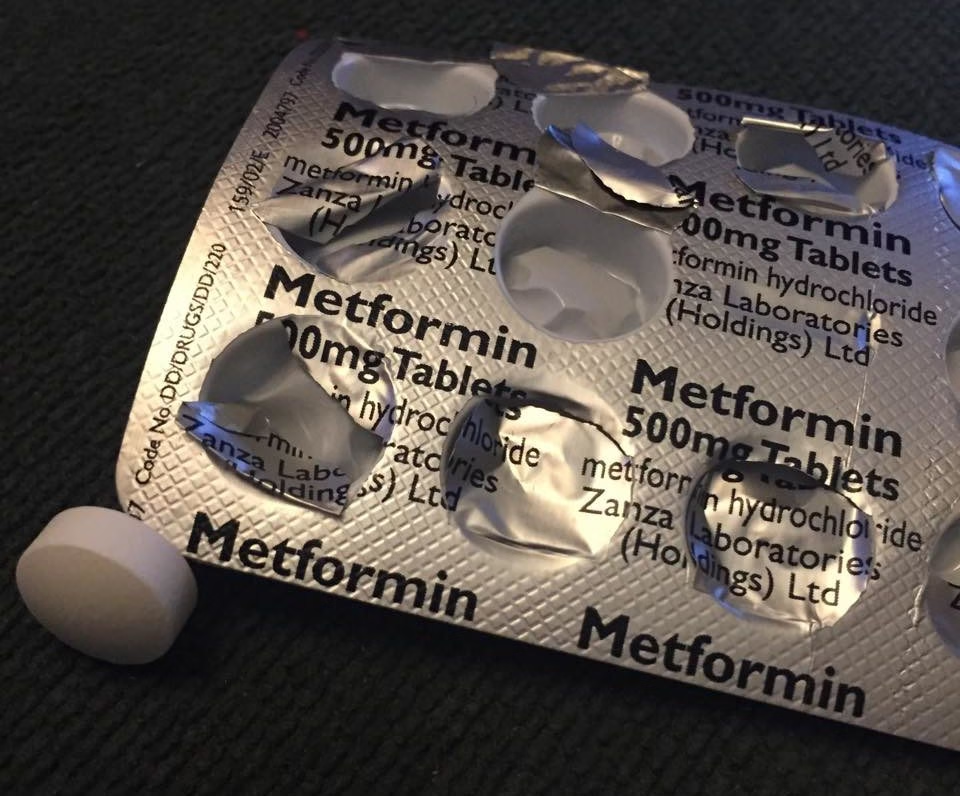
If your doctor just prescribed metformin for PCOS, you probably have questions. What does it actually do? What side effects should you expect?
You’re not alone in asking. Metformin is one of the most commonly prescribed medications for PCOS, and for good reason.
Let’s walk through exactly what to expect, the real benefits, and the side effects worth knowing about.
A Quick Note: PCOS Is Also Called PMOS Now
Before we get into metformin, here’s something worth knowing. PCOS was recently renamed Polyendocrine Metabolic Ovarian Syndrome, or PMOS.
This update better reflects the condition. It’s not just about the ovaries, it involves hormones and metabolism together.
You’ll still see “PCOS” used most places, including on medication labels and most research. This article uses both names, since the shift is still underway.
For the full picture on symptoms, causes, and treatment options, visit our detailed guide on Polycystic Ovary Syndrome (PCOS): Symptoms, Causes, and Treatment Options. This article focuses specifically on metformin.
What Is Metformin, And Why PCOS?
Metformin is a medication originally designed for type 2 diabetes. It helps your body use insulin more effectively.
Here’s the connection to PCOS. Many people with PCOS or PMOS also have insulin resistance, even without diabetes.
Insulin resistance means your cells don’t respond well to insulin. Your body compensates by producing more, which can worsen PCOS symptoms.
Metformin helps by:
- Lowering the amount of sugar your liver releases.
- Improving how your muscles absorb and use sugar.
- Reducing overall insulin levels in your bloodstream.
Since insulin and PCOS hormones are closely linked, improving insulin sensitivity often improves other symptoms too.
The Real Benefits Of Metformin For PCOS
Doctors don’t prescribe metformin randomly. It offers several specific benefits backed by research and clinical use.
Better Insulin Sensitivity
This is the core benefit. Lower insulin levels can reduce androgen production, which drives many PCOS symptoms.
More Regular Periods
Many people notice more consistent menstrual cycles after starting metformin. This happens as hormone levels start to balance out.
Support For Fertility
Metformin is often used alongside fertility treatments. It can improve ovulation rates, especially when combined with other medications.
Modest Weight Management Support
Metformin isn’t a weight-loss drug. But some people notice modest weight changes, especially when paired with diet and exercise.
Lower Long-Term Diabetes Risk
Since PCOS raises the risk of type 2 diabetes, metformin’s insulin-improving effects offer some protective benefit over time.
These benefits vary from person to person. Your results depend on your specific hormone levels, insulin resistance, and overall health.
Common Side Effects You Might Notice
Let’s talk honestly about side effects, since this is often the biggest concern. Most are manageable and temporary.
The most common side effects include:
- Nausea, especially when first starting.
- Diarrhea or loose stools.
- Stomach cramping or bloating.
- Loss of appetite.
- A metallic taste in your mouth.
These digestive symptoms are the most frequently reported. They usually appear in the first few weeks of treatment.
The good news? These effects often improve as your body adjusts. Many people find symptoms fade within a month or two.
Less Common, But Important Side Effects
Beyond digestive issues, a few other effects are worth knowing about, even though they’re less common.
- Vitamin B12 deficiency. Long-term use can lower B12 levels, so periodic testing helps.
- Fatigue. Some people report feeling more tired, especially early on.
- Headaches. Mild headaches can occur during the adjustment period.
- Lactic acidosis. This is rare but serious, more common in people with kidney issues.
Lactic acidosis is worth flagging clearly. It’s rare, but symptoms include unusual muscle pain, trouble breathing, or extreme fatigue. Seek medical help immediately if this happens.
Your doctor will likely monitor your kidney function before and during treatment. This helps catch any risk factors early.
How To Manage Metformin Side Effects
Most side effects are manageable with a few simple strategies. Small adjustments often make a big difference.
- Take metformin with food, not on an empty stomach.
- Start with a low dose, then increase gradually.
- Consider extended-release (ER) versions, which are often gentler.
- Stay hydrated throughout the day.
- Avoid greasy or heavy meals right after taking it.
Talk to your doctor if side effects feel severe or don’t improve. Sometimes a dosage adjustment or different formulation helps.
Don’t stop taking metformin abruptly without medical advice. Your doctor can guide you through adjustments safely.
Typical Metformin Dosage For PCOS
Dosage varies by individual, but there’s a common general pattern doctors follow.
A typical starting approach:
- Starting dose: Often 500 mg once daily, taken with food.
- Gradual increase: Dose typically rises every 1-2 weeks.
- Common maintenance dose: Often between 1,500 mg and 2,000 mg daily, split into doses.
Your doctor will personalize this based on your weight, symptoms, and how well you tolerate the medication.
Never adjust your dose on your own. Gradual increases help minimize side effects significantly.
Immediate-Release Vs Extended-Release Metformin
Metformin comes in two main forms. Knowing the difference helps you understand what your doctor prescribes.
Immediate-release (IR) metformin:
- Works faster and leaves your system quicker.
- Usually taken 2-3 times a day.
- Slightly more likely to cause digestive side effects.
Extended-release (ER) metformin:
- Releases slowly throughout the day.
- Usually taken once daily, often with dinner.
- Often gentler on the stomach for many people.
If you struggle with side effects on immediate-release metformin, ask your doctor about switching. Extended-release often solves the problem without lowering effectiveness.
Neither version is “better” overall. It depends on your body’s response and your doctor’s recommendation.
Tracking Your Progress While On Metformin
Keeping simple records helps you and your doctor see what’s working. It also makes appointments more productive.
Things worth tracking:
- Your menstrual cycle length and regularity.
- Any side effects, and how severe they feel.
- Changes in acne, hair growth, or skin.
- Energy levels and general mood.
- Weight changes, if relevant to your goals.
You don’t need anything fancy. A simple notes app or symptom tracker works fine.
Bring this information to follow-up appointments. It helps your doctor decide whether to adjust your dose or approach.
Patterns often become clearer over a few months. Small notes now can save confusion later.
How Long Until You See Results?
Patience matters here, since metformin works gradually. Don’t expect overnight changes.
General timeline to keep in mind:
- 2-4 weeks: Digestive side effects often start improving.
- 1-3 months: Some people notice more regular periods.
- 3-6 months: Insulin and hormone levels may show meaningful improvement.
- 6+ months: Fertility-related benefits often become more apparent, if applicable.
Everyone’s timeline looks a little different. Track your symptoms and cycle changes, and share updates with your doctor regularly.
Who Should Be Cautious With Metformin?
Metformin isn’t right for everyone. A few groups need extra caution or close monitoring.
- People with significant kidney problems.
- Those with liver disease.
- People who drink alcohol heavily.
- Anyone with a history of lactic acidosis.
- Those scheduled for certain imaging procedures using contrast dye.
If you fall into any of these categories, your doctor will weigh the risks carefully. Sometimes alternative treatments make more sense.
Always share your full medical history before starting metformin. This helps your doctor choose the safest, most effective plan.
Metformin Works Best With Lifestyle Support
Metformin isn’t meant to work alone. It’s most effective alongside healthy daily habits.
Consider pairing it with:
- A balanced diet that supports stable blood sugar.
- Regular physical activity, even light daily movement.
- Consistent sleep habits, since poor sleep worsens insulin resistance.
- Stress management, since chronic stress affects hormone balance.
Think of metformin as one tool in a bigger toolkit. Combined with lifestyle changes, its benefits often become more noticeable.
Metformin Versus Other PCOS Treatments
Metformin isn’t the only medication used for PCOS. It’s helpful to know how it compares.
- Birth control pills manage symptoms like irregular periods and acne, but don’t address insulin resistance directly.
- Spironolactone targets excess hair growth and acne, working differently than metformin.
- Inositol supplements offer a more natural option, with some overlapping insulin benefits.
- Clomiphene or letrozole are used specifically for ovulation and fertility support.
Metformin stands out because it targets the insulin resistance often underlying PCOS symptoms. Other treatments often address specific symptoms more directly.
Many people use a combination, based on their specific symptoms and goals. Your doctor can help determine what fits your situation best.
Final Thoughts
Metformin offers real, well-supported benefits for many people with PCOS or PMOS, especially around insulin resistance and cycle regularity. Side effects, while common at first, are usually manageable and temporary.
Give your body time to adjust, follow your doctor’s dosage guidance, and pair the medication with healthy daily habits. Most people find the initial side effects fade within a few weeks.
For a broader understanding of PCOS and PMOS, including other treatment options, check out our complete guide: Polycystic Ovary Syndrome (PCOS): Symptoms, Causes, and Treatment Options.
FAQs
-
What are the most common side effects of metformin for PCOS?
Nausea, diarrhea, stomach cramping, and appetite changes are most common, especially during the first few weeks.
-
How long do metformin side effects last?
Most digestive side effects improve within 2-4 weeks as your body adjusts to the medication.
-
Does metformin help with PCOS-related weight loss?
It’s not a weight-loss drug, but some people notice modest weight changes, especially with diet and exercise.
-
Can metformin improve fertility in PCOS?
Yes, it can improve ovulation rates, especially when combined with other fertility treatments your doctor recommends.
-
Is metformin safe for long-term PCOS treatment?
Generally yes, though your doctor may monitor B12 levels and kidney function periodically during long-term use.
-
Can I take metformin without lifestyle changes?
You can, but combining it with diet, exercise, and sleep habits usually leads to better, more noticeable results.