Categories
PCOS

Natural Ways to Balance Hormones with PCOS

If you have PCOS, you already know hormones run the show. One small shift, and your skin breaks out, your energy tanks, or your period disappears for months. It can feel like your body is working against you.

The good news? You have more control than you think. Small, consistent changes to food, sleep, movement, and stress can make a real difference. This guide breaks down how to balance hormones naturally PCOS, without overwhelming you with complicated rules.

For a full breakdown of PCOS symptoms, causes, and treatment options, check out our complete PCOS guide. This post focuses specifically on natural strategies you can start today.

What Hormonal Imbalance Looks Like in PCOS

PCOS throws off several hormones at once, not just one. Androgens (male hormones) often run too high. Insulin can spike too. Cortisol, your stress hormone, may stay elevated for too long.

These imbalances don’t stay quiet. They show up as visible, everyday symptoms.

Common signs include:

  • Irregular or missing periods
  • Acne along the jawline or chin
  • Unwanted hair growth on the face or body
  • Hair thinning on the scalp
  • Stubborn weight gain, especially around the belly
  • Fatigue that doesn’t improve with rest
  • Intense sugar cravings

Recognizing these signs is the first step. Once you know what’s driving them, you can target the right habits instead of guessing.

Why Diet Plays a Central Role

Food is one of the most powerful tools you have for PCOS. Every meal either helps stabilize insulin or sends it spiking. Since insulin and androgens are closely linked, your plate directly affects your hormone levels.

This doesn’t mean strict dieting or cutting out entire food groups. It means building meals that keep blood sugar steady throughout the day.

Build Balanced Plates

Aim to include protein, fiber, and healthy fat at every meal. This combination slows down sugar absorption. It keeps insulin from spiking after you eat.

A simple formula to remember:

  1. A palm-sized portion of protein (eggs, chicken, tofu, fish)
  2. A fist-sized portion of fiber-rich vegetables
  3. A thumb-sized portion of healthy fat (olive oil, avocado, nuts)
  4. A small portion of whole grains or starchy carbs

This formula works for almost any meal. It removes the guesswork and keeps your blood sugar calmer.

Don’t Skip Meals

Skipping meals can backfire with PCOS. Long gaps between meals often cause blood sugar dips. Your body then overcorrects with a bigger insulin spike later.

Eating every three to four hours helps keep things steady. It also curbs those intense cravings that hit in the afternoon or evening.

Best Foods for Hormone Balance

Certain foods actively support hormone health. Adding more of these to your week can make a noticeable difference over time.

  • Leafy greens – spinach, kale, and arugula support liver detox pathways that help clear excess hormones
  • Fatty fish – salmon and sardines provide omega-3s, which reduce inflammation
  • Berries – lower in sugar than most fruits and rich in antioxidants
  • Legumes – lentils and chickpeas offer fiber and plant protein together
  • Nuts and seeds – flaxseed and pumpkin seeds support estrogen balance
  • Fermented foods – yogurt and kimchi support gut bacteria, which influences hormone metabolism
  • Cinnamon – some studies link it to better insulin sensitivity

You don’t need to eat all of these every day. Rotating a few into your regular meals is enough to start seeing benefits.

Foods That Can Work Against You

Some foods make hormonal symptoms worse. This isn’t about guilt or perfection. It’s about awareness, so you can make informed choices most of the time.

  • Sugary drinks and desserts spike insulin quickly
  • White bread, pasta, and other refined carbs act similarly to sugar
  • Fried and heavily processed foods increase inflammation
  • Excess dairy may worsen acne for some women with PCOS
  • Alcohol can disrupt liver function and hormone clearance

You don’t have to eliminate these completely. Cutting back gradually tends to work better than an all-or-nothing approach. Sustainable habits beat short bursts of restriction every time.

Your PCOS Type Changes the Approach

PCOS isn’t one condition. It shows up differently depending on what’s driving it underneath. Knowing your type helps you focus on what actually works for your body.

Insulin-resistant PCOS is the most common form. Diet changes that stabilize blood sugar tend to help the most here. Inflammatory PCOS responds well to anti-inflammatory foods and gut support.

Adrenal PCOS behaves differently. Diet alone often isn’t enough. Stress management becomes the priority, since cortisol is the main driver.

Post-pill PCOS usually settles on its own within a few months. Supporting your body gently during that window still helps speed things along.

If you’re not sure which type applies to you, our complete PCOS guide breaks down all four types in detail. Matching your habits to your type saves time and frustration.

Building a Simple Weekly Routine

Big changes rarely stick. A simple weekly structure works better than an ambitious overhaul you abandon after two weeks.

Try this as a starting framework:

  1. Plan three balanced meals with protein, fiber, and fat
  2. Schedule two to three strength sessions
  3. Add a daily 15 to 20 minute walk
  4. Pick one stress practice, like breathing or journaling
  5. Set a consistent bedtime for the week

Review how you feel at the end of each week. Adjust one thing at a time instead of changing everything at once. This keeps the process manageable and realistic.

Exercise That Actually Helps

Movement changes how your cells respond to insulin. But with PCOS, the type of exercise matters more than you might expect.

Strength Training Wins

Resistance training builds muscle, and muscle improves insulin sensitivity. Even two to three sessions a week can shift how your body handles sugar.

You don’t need a gym membership. Bodyweight exercises, resistance bands, or light dumbbells at home all count.

Go Easy on Intense Cardio

Long, intense cardio sessions can raise cortisol in some women, especially those with adrenal-driven PCOS. This can backfire and worsen hormone imbalance.

Walking, yoga, swimming, or cycling at a moderate pace tend to work better. These support your hormones without adding extra stress to your system.

Move Daily, Not Just at the Gym

Consistency matters more than intensity. A 20-minute walk after meals helps regulate blood sugar. Small movement breaks throughout the day add up over time.

Sleep and Your Hormones

Poor sleep raises cortisol and worsens insulin resistance. It can also increase cravings the next day, creating a cycle that’s hard to break.

Try these habits for better sleep:

  1. Keep a consistent bedtime, even on weekends
  2. Avoid screens for 30 to 60 minutes before bed
  3. Keep your room cool and dark
  4. Limit caffeine after early afternoon
  5. Wind down with a calming routine, like reading or stretching

Aim for seven to nine hours most nights. Even improving sleep quality by an hour can support better hormone regulation.

Managing Stress the Right Way

Chronic stress keeps cortisol elevated, which can trigger excess androgen production. This is especially true for adrenal-related PCOS. Managing stress isn’t optional here. It’s part of the treatment plan.

You don’t need hours of meditation to see benefits. Short, consistent practices often work best.

  • Try five minutes of deep breathing each morning
  • Take short breaks during work to step outside
  • Journal for a few minutes before bed
  • Say no to commitments that drain your energy
  • Spend time in nature when you can

The goal isn’t to eliminate stress completely. It’s to build small buffers that keep your nervous system from staying stuck in overdrive.

Natural Supplements Worth Considering

Several supplements have research behind them for supporting PCOS symptoms. Always check with your doctor before starting anything new, especially if you take other medications.

  • Myo-inositol – supports insulin sensitivity and more regular ovulation
  • Magnesium – helps regulate cortisol and supports better sleep
  • Zinc – may help reduce excess androgen levels
  • Spearmint tea – some studies show it can lower free testosterone
  • Omega-3 fatty acids – help reduce inflammation throughout the body

Supplements work best alongside diet and lifestyle changes. They aren’t a replacement for the basics.

The Gut Health Connection

Your gut bacteria play a bigger role in hormone balance than most people realize. An unhealthy gut can increase inflammation and disrupt how your body processes hormones.

Supporting gut health doesn’t require anything complicated. Focus on fiber-rich foods, fermented foods, and staying hydrated. Limiting processed foods also helps your gut bacteria stay balanced.

Small, steady changes here often lead to noticeable improvements in energy, digestion, and skin over a few months.

Tracking Progress Without Obsessing

It helps to track a few simple markers instead of guessing whether changes are working. This keeps you motivated and shows real patterns over time.

Consider keeping a simple log of:

  • Cycle length and regularity
  • Energy levels through the day
  • Skin changes, like acne or oiliness
  • Sleep quality
  • Cravings and hunger patterns

You don’t need a fancy app. A notes app or small notebook works fine. Check in weekly, not daily. Daily tracking can create unnecessary stress, which works against your hormone goals.

Look for trends over a month, not single days. Hormones fluctuate naturally, so one off day doesn’t mean something failed. Patterns over weeks tell the real story.

Hydration Matters More Than You Think

Water supports every hormone pathway in your body, including how your liver clears excess estrogen and androgens. Many women underestimate how much dehydration affects energy and cravings.

Aim for at least eight glasses of water daily, more if you exercise regularly. Herbal teas, like spearmint, count toward this total and offer additional benefits.

Try starting your morning with a glass of water before coffee. This simple habit supports digestion and helps regulate appetite hormones for the rest of the day.

When Natural Approaches Aren’t Enough

Natural strategies help most women manage symptoms. But PCOS looks different for everyone, and some cases need medical support too.

Talk to a doctor if you notice:

  • Periods that stay irregular despite lifestyle changes
  • Severe acne or hair loss
  • Signs of insulin resistance, like dark skin patches
  • Ongoing struggles with fertility
  • Persistent low mood or anxiety

A doctor can run bloodwork, check your specific type of PCOS, and guide you toward the right combination of treatment. Natural methods and medical care work best together, not as an either-or choice.

Quick Questions People Ask

How long does it take to see results?

Most women notice small changes within 4 to 8 weeks. Bigger shifts, like more regular periods, often take 3 to 6 months.

Can I balance hormones without medication?

Many women manage symptoms well with lifestyle changes alone. Others need a mix of natural strategies and medical treatment. Both paths are valid.

Is weight loss necessary to balance hormones?

Not always. Even small improvements in diet and movement can help, regardless of the number on the scale. Lean women with PCOS benefit from these habits too.

Which change should I start with first?

Start with meals. Balanced eating affects insulin fastest, and steadier insulin supports every other hormone in the chain.

Final Thoughts

Learning how to balance hormones naturally PCOS takes patience. Your hormonal system didn’t become imbalanced overnight, and it won’t rebalance overnight either.

Start small. Pick one or two changes from this guide, whether that’s adding protein to breakfast or a short evening walk. Build from there, one habit at a time, and let each small win build your confidence for the next step.

Consistency beats perfection every time with PCOS. Give your body time, stay patient with the process, and celebrate small wins along the way, because every small win counts.

This article is for informational purposes only and does not replace medical advice. Always consult a healthcare provider for diagnosis and personalized treatment.

FAQs

How long does it take to balance hormones naturally with PCOS?

Most women notice small changes within 4 to 8 weeks. Bigger shifts, like more regular periods, often take 3 to 6 months.

Can diet alone fix PCOS hormonal imbalance?

Diet helps a lot, especially for insulin-resistant PCOS. But some women also need stress management, sleep support, or medical treatment alongside it.

What foods should I avoid with PCOS?

Limit sugary drinks, refined carbs, fried foods, and excess alcohol. These tend to spike insulin and worsen inflammation.

Is exercise necessary to balance PCOS hormones?

Yes, but the right type matters. Strength training and moderate movement help more than intense, long cardio sessions.

Do I need supplements to balance my hormones?

Not always. Supplements like myo-inositol or magnesium can help, but they work best alongside diet and lifestyle changes, not instead of them.


Categories
PCOS

Best Supplements for PCOS, Backed by Science

If you have PCOS, you have probably heard a dozen supplement recommendations. Some help. Some are just marketing. This guide sticks to what real research actually supports.

We covered PCOS symptoms, causes, and treatment in our complete PCOS guide. This article goes deeper into one piece of that puzzle: supplements.

Supplements are not a replacement for medical care. But for many women, the right ones can support insulin sensitivity, lower androgens, and ease frustrating symptoms. Let’s go through the ones with real evidence behind them.

Why Supplements Matter for PCOS

PCOS is driven by a mix of insulin resistance, inflammation, and hormonal imbalance. Your type of PCOS shapes which supplements will help you most.

Food and lifestyle come first. But certain nutrients are hard to get in sufficient amounts from diet alone, especially if you are deficient. That is where targeted supplementation comes in.

Think of supplements as support, not a cure. They work by nudging specific systems in your body, like insulin signaling or inflammation, in a healthier direction. They don’t override poor sleep, chronic stress, or a diet high in processed food.

That’s why the best results usually come from pairing supplements with the basics: a whole-food diet, regular movement, and consistent sleep. Supplements fill in the gaps that lifestyle changes alone can’t always close.

Always talk to your doctor before starting anything new, especially if you take other medications or are trying to conceive.

  1. Myo-Inositol and D-Chiro-Inositol

This is the most researched PCOS supplement by far, and for good reason.

What It Does

Inositol acts as an insulin sensitizer. It helps your cells respond better to insulin, which can lower excess androgen production. Myo-inositol also plays a role in egg quality and ovulation.

What the Research Shows

Multiple clinical trials point to a 40:1 ratio of myo-inositol to D-chiro-inositol as the most effective combination for restoring ovulation and normalizing hormone levels. One trial tested seven different ratios and found <cite index=”6-1″>the 40:1 myo-inositol to D-chiro-inositol ratio worked best for restoring ovulation and normalizing key hormonal and metabolic markers in PCOS patients</cite>.

A newer meta-analysis also found that <cite index=”7-1″>myo-inositol and D-chiro-inositol supplementation raised clinical pregnancy rates and improved embryo quality</cite> in women with PCOS undergoing fertility treatment.

Typical Dosage

Most trials use around 2 to 4 grams of combined inositol per day, split into two doses, taken for at least three months to see results.

Who Benefits Most

Women with insulin-resistant PCOS tend to see the biggest improvements. It’s also gentler on the stomach than metformin for many people.

  1. Vitamin D

Vitamin D deficiency is extremely common in women with PCOS, and low levels seem to make symptoms worse.

  • Vitamin D receptors exist in ovarian tissue, so low levels may directly affect ovulation
  • Deficiency is linked to worse insulin resistance and higher androgen levels
  • Correcting a deficiency can support more regular cycles

Get your vitamin D levels tested before supplementing. Dosing varies a lot depending on how deficient you are, so this one really does need a blood test first.

  1. Omega-3 Fatty Acids

Omega-3s, found in fish oil, are one of the best-studied anti-inflammatory supplements for PCOS.

Benefits

  • Lower triglycerides and improve cholesterol markers
  • Reduce chronic inflammation, a key driver in inflammatory PCOS
  • May modestly improve insulin sensitivity
  • Support cardiovascular health, which matters since PCOS raises heart disease risk

Dosage

Most studies use 1,000 to 3,000 mg of combined EPA and DHA per day. Look for a third-party tested fish oil or algae-based option if you’re vegetarian.

  1. N-Acetyl Cysteine (NAC)

NAC is an antioxidant that has been studied as an alternative or add-on to metformin.

Research suggests NAC can:

  1. Improve insulin sensitivity
  2. Support more regular ovulation
  3. Reduce oxidative stress, which is elevated in PCOS
  4. Work well when combined with clomiphene for fertility support

Typical doses in studies range from 1,200 to 1,800 mg per day, split across two or three doses.

  1. Magnesium

Magnesium deficiency shows up often in women with insulin resistance, and PCOS is no exception.

Magnesium supports insulin signaling and helps regulate cortisol, the stress hormone tied to adrenal PCOS. Low magnesium is also linked to poor sleep and higher anxiety, both common PCOS complaints.

A dose of 200 to 400 mg per day, ideally magnesium glycinate for better absorption and less digestive upset, is a reasonable starting point.

  1. Zinc

Zinc plays a role in hormone regulation, immune function, and skin health.

For PCOS specifically, zinc may help:

  • Lower elevated androgen levels
  • Reduce acne severity
  • Support hair growth and reduce shedding
  • Improve insulin sensitivity modestly

Most studies use 30 to 50 mg per day. Take it with food to avoid nausea, and don’t exceed recommended amounts long-term without guidance, since too much zinc can interfere with copper absorption.

  1. Chromium

Chromium picolinate is often marketed for blood sugar support, and there is some evidence behind it for PCOS.

Research suggests chromium can modestly improve insulin sensitivity and support healthier BMI in women with PCOS. The evidence is weaker than for inositol, but it’s generally considered safe at studied doses of 200 to 1,000 mcg per day.

  1. Berberine

Berberine is a plant compound that has drawn comparisons to metformin for its blood sugar effects.

What It Does

Berberine activates an enzyme called AMPK, which helps regulate glucose metabolism. Some studies show it lowers fasting insulin and improves cholesterol levels in women with PCOS.

Dosage and Caution

Studies typically use 500 mg, two to three times daily. Berberine can interact with other medications, so this one especially needs a conversation with your doctor first.

  1. Spearmint

Spearmint tea has real clinical evidence for lowering free testosterone, which is why it shows up so often in PCOS circles.

Drinking two cups of spearmint tea daily has been shown in trials to reduce androgen levels and improve related symptoms like excess hair growth. It’s simple, low-risk, and easy to fit into a daily routine.

For more detail on the dosing and research, see our guide on spearmint tea for PCOS.

  1. Vitamin B12 and Folate

These matter most if you’re on metformin, since it can deplete B12 over time.

  • B12 deficiency causes fatigue, brain fog, and nerve issues
  • Folate supports healthy ovulation and is essential if you’re trying to conceive
  • A B-complex or standalone B12 supplement can offset metformin’s effect on absorption

If you take metformin long-term, ask your doctor to check your B12 levels periodically.

How to Choose the Right Supplements for Your PCOS Type

Not every supplement fits every woman. Your PCOS type should guide your choices.

PCOS Type Supplements Worth Prioritizing
Insulin-Resistant Inositol, berberine, chromium, magnesium
Inflammatory Omega-3s, NAC, vitamin D, zinc
Adrenal Magnesium, B vitamins, adaptogenic support
Post-Pill B12, folate, zinc, omega-3s

Not sure which type applies to you? Read The 4 Types of PCOS Explained first.

Common Mistakes Women Make With PCOS Supplements

Even good supplements can fail to work if a few basics get overlooked. Here are the most common mistakes to avoid.

Expecting Fast Results

Hormonal shifts take time. Most clinical trials measure results after three months, not three weeks. Quitting early is one of the biggest reasons people think a supplement “didn’t work.”

Taking Too Many at Once

Starting five new supplements in the same week makes it impossible to know what’s actually helping. It also raises the risk of digestive upset or unexpected interactions. Add one at a time, and wait two to three weeks before introducing another.

Skipping the Blood Work

Guessing your vitamin D or B12 levels wastes money and can even backfire. Too much of certain nutrients, like zinc or vitamin D, can cause their own problems over time. A simple blood panel takes the guesswork out.

Ignoring Diet and Sleep

No supplement can outwork chronic stress, poor sleep, or a diet high in sugar and refined carbs. Supplements amplify good habits. They don’t replace them.

Choosing Low-Quality Brands

Supplements aren’t as tightly regulated as medications. Look for third-party testing seals like NSF or USP, and avoid proprietary blends that hide exact dosages. If a label won’t tell you how much of an ingredient you’re actually getting, skip it.

Safety Tips Before You Start

Follow these steps before adding anything new to your routine:

  1. Get blood work done first, especially for vitamin D, B12, and iron
  2. Start one supplement at a time so you can track what’s actually working
  3. Choose third-party tested brands (look for NSF or USP certification)
  4. Give it time — most trials run for three months before seeing real change

Tell your doctor about everything you’re taking, including “natural” options.

The Bottom Line

Supplements are not magic, but the right ones, backed by real science, can genuinely support your PCOS management. Myo-inositol has the strongest evidence overall. Vitamin D, omega-3s, and magnesium round out a solid foundation for most women.

Start slow, get your labs checked, and loop in your doctor. Your body didn’t get out of balance overnight, and it won’t rebalance overnight either. But with the right support, real progress is possible.

This article is for informational purposes only and does not replace medical advice. Always consult your doctor before starting new supplements, especially if you take other medications.

Frequently Asked Questions

How long do PCOS supplements take to work?

Most research studies run for three months before measuring results. Hormonal changes happen slowly, so give any supplement at least that long before deciding if it’s working.

Can I take multiple PCOS supplements together?

Yes, many women combine a few, like inositol with vitamin D and omega-3s. Just introduce them one at a time and check with your doctor, especially if you take metformin or other medications.

Is inositol as effective as metformin?

Some studies suggest inositol works comparably to metformin for insulin sensitivity and ovulation, with fewer digestive side effects. It’s not a universal replacement, and your doctor can help you decide what’s right for you.

Do I need a prescription for these supplements?

No, all of these are available over the counter. That said, “available” doesn’t mean “right for you.” Talk to your doctor, especially for berberine, which can interact with medications.

Can supplements alone fix PCOS?

No. Supplements support your body, but they work best alongside a balanced diet, regular movement, good sleep, and stress management. Think of them as one piece of a bigger plan.

Categories
PCOS

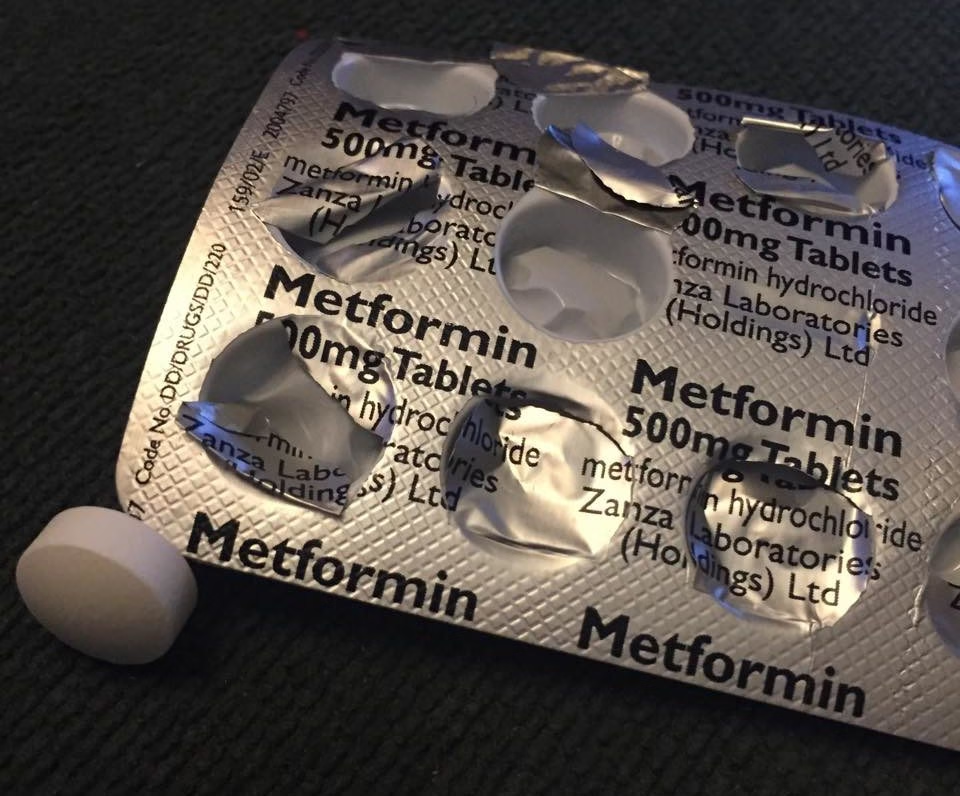
Metformin For PCOS: Side Effects And Benefits You Should Know

If your doctor just prescribed metformin for PCOS, you probably have questions. What does it actually do? What side effects should you expect?

You’re not alone in asking. Metformin is one of the most commonly prescribed medications for PCOS, and for good reason.

Let’s walk through exactly what to expect, the real benefits, and the side effects worth knowing about.

A Quick Note: PCOS Is Also Called PMOS Now

Before we get into metformin, here’s something worth knowing. PCOS was recently renamed Polyendocrine Metabolic Ovarian Syndrome, or PMOS.

This update better reflects the condition. It’s not just about the ovaries, it involves hormones and metabolism together.

You’ll still see “PCOS” used most places, including on medication labels and most research. This article uses both names, since the shift is still underway.

For the full picture on symptoms, causes, and treatment options, visit our detailed guide on Polycystic Ovary Syndrome (PCOS): Symptoms, Causes, and Treatment Options. This article focuses specifically on metformin.

What Is Metformin, And Why PCOS?

Metformin is a medication originally designed for type 2 diabetes. It helps your body use insulin more effectively.

Here’s the connection to PCOS. Many people with PCOS or PMOS also have insulin resistance, even without diabetes.

Insulin resistance means your cells don’t respond well to insulin. Your body compensates by producing more, which can worsen PCOS symptoms.

Metformin helps by:

  • Lowering the amount of sugar your liver releases.
  • Improving how your muscles absorb and use sugar.
  • Reducing overall insulin levels in your bloodstream.

Since insulin and PCOS hormones are closely linked, improving insulin sensitivity often improves other symptoms too.

The Real Benefits Of Metformin For PCOS

Doctors don’t prescribe metformin randomly. It offers several specific benefits backed by research and clinical use.

Better Insulin Sensitivity

This is the core benefit. Lower insulin levels can reduce androgen production, which drives many PCOS symptoms.

More Regular Periods

Many people notice more consistent menstrual cycles after starting metformin. This happens as hormone levels start to balance out.

Support For Fertility

Metformin is often used alongside fertility treatments. It can improve ovulation rates, especially when combined with other medications.

Modest Weight Management Support

Metformin isn’t a weight-loss drug. But some people notice modest weight changes, especially when paired with diet and exercise.

Lower Long-Term Diabetes Risk

Since PCOS raises the risk of type 2 diabetes, metformin’s insulin-improving effects offer some protective benefit over time.

These benefits vary from person to person. Your results depend on your specific hormone levels, insulin resistance, and overall health.

Common Side Effects You Might Notice

Let’s talk honestly about side effects, since this is often the biggest concern. Most are manageable and temporary.

The most common side effects include:

  • Nausea, especially when first starting.
  • Diarrhea or loose stools.
  • Stomach cramping or bloating.
  • Loss of appetite.
  • A metallic taste in your mouth.

These digestive symptoms are the most frequently reported. They usually appear in the first few weeks of treatment.

The good news? These effects often improve as your body adjusts. Many people find symptoms fade within a month or two.

Less Common, But Important Side Effects

Beyond digestive issues, a few other effects are worth knowing about, even though they’re less common.

  • Vitamin B12 deficiency. Long-term use can lower B12 levels, so periodic testing helps.
  • Fatigue. Some people report feeling more tired, especially early on.
  • Headaches. Mild headaches can occur during the adjustment period.
  • Lactic acidosis. This is rare but serious, more common in people with kidney issues.

Lactic acidosis is worth flagging clearly. It’s rare, but symptoms include unusual muscle pain, trouble breathing, or extreme fatigue. Seek medical help immediately if this happens.

Your doctor will likely monitor your kidney function before and during treatment. This helps catch any risk factors early.

How To Manage Metformin Side Effects

Most side effects are manageable with a few simple strategies. Small adjustments often make a big difference.

  1. Take metformin with food, not on an empty stomach.
  2. Start with a low dose, then increase gradually.
  3. Consider extended-release (ER) versions, which are often gentler.
  4. Stay hydrated throughout the day.
  5. Avoid greasy or heavy meals right after taking it.

Talk to your doctor if side effects feel severe or don’t improve. Sometimes a dosage adjustment or different formulation helps.

Don’t stop taking metformin abruptly without medical advice. Your doctor can guide you through adjustments safely.

Typical Metformin Dosage For PCOS

Dosage varies by individual, but there’s a common general pattern doctors follow.

A typical starting approach:

  • Starting dose: Often 500 mg once daily, taken with food.
  • Gradual increase: Dose typically rises every 1-2 weeks.
  • Common maintenance dose: Often between 1,500 mg and 2,000 mg daily, split into doses.

Your doctor will personalize this based on your weight, symptoms, and how well you tolerate the medication.

Never adjust your dose on your own. Gradual increases help minimize side effects significantly.

Immediate-Release Vs Extended-Release Metformin

Metformin comes in two main forms. Knowing the difference helps you understand what your doctor prescribes.

Immediate-release (IR) metformin:

  • Works faster and leaves your system quicker.
  • Usually taken 2-3 times a day.
  • Slightly more likely to cause digestive side effects.

Extended-release (ER) metformin:

  • Releases slowly throughout the day.
  • Usually taken once daily, often with dinner.
  • Often gentler on the stomach for many people.

If you struggle with side effects on immediate-release metformin, ask your doctor about switching. Extended-release often solves the problem without lowering effectiveness.

Neither version is “better” overall. It depends on your body’s response and your doctor’s recommendation.

Tracking Your Progress While On Metformin

Keeping simple records helps you and your doctor see what’s working. It also makes appointments more productive.

Things worth tracking:

  1. Your menstrual cycle length and regularity.
  2. Any side effects, and how severe they feel.
  3. Changes in acne, hair growth, or skin.
  4. Energy levels and general mood.
  5. Weight changes, if relevant to your goals.

You don’t need anything fancy. A simple notes app or symptom tracker works fine.

Bring this information to follow-up appointments. It helps your doctor decide whether to adjust your dose or approach.

Patterns often become clearer over a few months. Small notes now can save confusion later.

How Long Until You See Results?

Patience matters here, since metformin works gradually. Don’t expect overnight changes.

General timeline to keep in mind:

  • 2-4 weeks: Digestive side effects often start improving.
  • 1-3 months: Some people notice more regular periods.
  • 3-6 months: Insulin and hormone levels may show meaningful improvement.
  • 6+ months: Fertility-related benefits often become more apparent, if applicable.

Everyone’s timeline looks a little different. Track your symptoms and cycle changes, and share updates with your doctor regularly.

Who Should Be Cautious With Metformin?

Metformin isn’t right for everyone. A few groups need extra caution or close monitoring.

  • People with significant kidney problems.
  • Those with liver disease.
  • People who drink alcohol heavily.
  • Anyone with a history of lactic acidosis.
  • Those scheduled for certain imaging procedures using contrast dye.

If you fall into any of these categories, your doctor will weigh the risks carefully. Sometimes alternative treatments make more sense.

Always share your full medical history before starting metformin. This helps your doctor choose the safest, most effective plan.

Metformin Works Best With Lifestyle Support

Metformin isn’t meant to work alone. It’s most effective alongside healthy daily habits.

Consider pairing it with:

  • A balanced diet that supports stable blood sugar.
  • Regular physical activity, even light daily movement.
  • Consistent sleep habits, since poor sleep worsens insulin resistance.
  • Stress management, since chronic stress affects hormone balance.

Think of metformin as one tool in a bigger toolkit. Combined with lifestyle changes, its benefits often become more noticeable.

Metformin Versus Other PCOS Treatments

Metformin isn’t the only medication used for PCOS. It’s helpful to know how it compares.

  • Birth control pills manage symptoms like irregular periods and acne, but don’t address insulin resistance directly.
  • Spironolactone targets excess hair growth and acne, working differently than metformin.
  • Inositol supplements offer a more natural option, with some overlapping insulin benefits.
  • Clomiphene or letrozole are used specifically for ovulation and fertility support.

Metformin stands out because it targets the insulin resistance often underlying PCOS symptoms. Other treatments often address specific symptoms more directly.

Many people use a combination, based on their specific symptoms and goals. Your doctor can help determine what fits your situation best.

Final Thoughts

Metformin offers real, well-supported benefits for many people with PCOS or PMOS, especially around insulin resistance and cycle regularity. Side effects, while common at first, are usually manageable and temporary.

Give your body time to adjust, follow your doctor’s dosage guidance, and pair the medication with healthy daily habits. Most people find the initial side effects fade within a few weeks.

For a broader understanding of PCOS and PMOS, including other treatment options, check out our complete guide: Polycystic Ovary Syndrome (PCOS): Symptoms, Causes, and Treatment Options.

FAQs

  1. What are the most common side effects of metformin for PCOS?

Nausea, diarrhea, stomach cramping, and appetite changes are most common, especially during the first few weeks.

  1. How long do metformin side effects last?

Most digestive side effects improve within 2-4 weeks as your body adjusts to the medication.

  1. Does metformin help with PCOS-related weight loss?

It’s not a weight-loss drug, but some people notice modest weight changes, especially with diet and exercise.

  1. Can metformin improve fertility in PCOS?

Yes, it can improve ovulation rates, especially when combined with other fertility treatments your doctor recommends.

  1. Is metformin safe for long-term PCOS treatment?

Generally yes, though your doctor may monitor B12 levels and kidney function periodically during long-term use.

  1. Can I take metformin without lifestyle changes?

You can, but combining it with diet, exercise, and sleep habits usually leads to better, more noticeable results.

Categories
PCOS

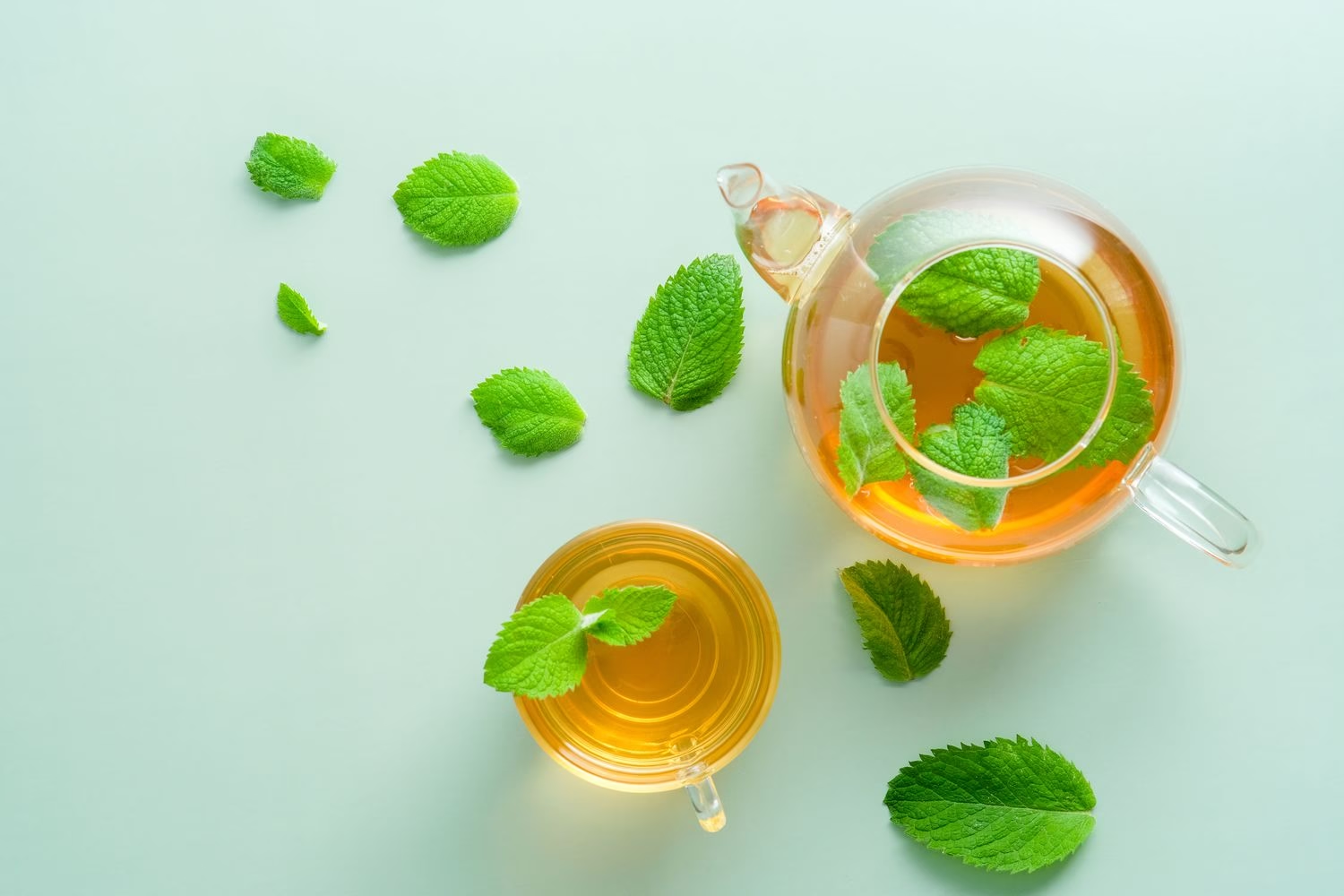
Spearmint Tea For PCOS: How Much To Drink, According To Research

If you have PCOS, you’ve probably heard someone mention spearmint tea. Maybe a friend, maybe a forum, maybe your feed.

It sounds almost too simple. A cup of tea helping with hormone symptoms? Turns out, there’s real research behind it.

Let’s look at what the evidence actually says, and exactly how much spearmint tea to drink for PCOS. We’ll also cover brewing tips, safety notes, and how it compares to other herbal options.

Quick Note: PCOS Is Now Called PMOS

Before we dive in, here’s something important. PCOS was recently renamed Polyendocrine Metabolic Ovarian Syndrome, or PMOS.

The name change reflects what we now understand better. This condition involves hormones and metabolism, not just the ovaries.

You’ll still see “PCOS” used everywhere, including in most research studies. This article uses both names, since the shift is still happening.

For a full breakdown of symptoms, causes, and treatment options, check our detailed guide on Polycystic Ovary Syndrome (PCOS): Symptoms, Causes, and Treatment Options. This article focuses specifically on spearmint tea.

What Does Spearmint Tea Actually Do?

Spearmint contains natural compounds that may lower androgen levels. Androgens are “male” hormones like testosterone, which many PCOS patients have in excess.

Higher androgen levels often cause common PCOS symptoms:

  • Excess facial or body hair (hirsutism)
  • Acne and oily skin
  • Irregular or missing periods
  • Thinning hair on the scalp

Spearmint appears to have mild anti-androgen properties. This means it may help lower testosterone slightly, which can ease these symptoms over time.

It’s not a cure. But for some people, it’s a gentle, natural addition to their routine.

What Does The Research Actually Show?

Let’s look at the studies behind the claims, since this matters more than anecdotes.

One small study followed women with hirsutism who drank spearmint tea daily for 30 days. Researchers measured hormone levels before and after.

The results showed a drop in free and total testosterone levels. Some hormone markers linked to ovarian function also shifted in a favorable direction.

A separate study had women drink spearmint tea twice a day for just five days. It also showed a reduction in free testosterone levels afterward.

Here’s the honest caveat:

  • These studies involved small groups of participants.
  • Most focused on hirsutism, not PCOS symptoms overall.
  • Long-term effects still need more research.

So, is spearmint tea “proven” to treat PCOS or PMOS? Not exactly. But early evidence looks promising, especially for excess hair growth and testosterone levels.

How Much Spearmint Tea To Drink For PCOS

This is the question most people actually want answered. Based on available research, here’s a simple guideline.

Most studies used two cups of spearmint tea daily.

That’s the amount linked to measurable hormone changes in research. It’s a manageable routine, not an extreme one.

A simple daily plan:

  1. One cup in the morning, ideally after breakfast.
  2. One cup in the evening, a few hours before bed.

Consistency matters more than exact timing. Spacing your cups throughout the day works fine too.

Some sources suggest starting with one cup daily. This helps you notice how your body responds before increasing.

Should You Drink More Than Two Cups?

More isn’t necessarily better here. Research hasn’t tested higher amounts for added benefits.

Sticking to two cups keeps things simple and aligned with the evidence. There’s no strong reason to go beyond that amount right now.

How To Brew Spearmint Tea Properly

Getting the brewing right helps you actually get the beneficial compounds. Weak tea won’t do much.

Simple brewing steps:

  1. Use fresh or dried spearmint leaves, or a quality tea bag.
  2. Pour hot water (not boiling) over the leaves.
  3. Steep for 5-10 minutes, covered if possible.
  4. Strain, and drink it warm.

For fresh leaves, use a small handful per cup. For tea bags, one bag per cup usually works well.

Avoid adding too much sugar or dairy. Plain or lightly sweetened tea keeps things simple and healthy.

When Might You See Results?

Patience matters here. Hormone shifts don’t happen overnight, and neither do visible symptom changes.

Based on the studies mentioned earlier, some hormonal changes appeared within 30 days. Visible symptom changes, like reduced hair growth, may take longer.

Give it at least one to two months before expecting noticeable results. Track your symptoms along the way, so you can spot patterns.

Everyone’s body responds differently. Some notice subtle changes, others notice more, and some may not notice much at all.

Who Should Be Careful With Spearmint Tea?

Spearmint tea is generally considered safe for most people. Still, a few groups should be cautious.

  • Pregnant or breastfeeding women should check with their doctor first.
  • People with hormone-sensitive conditions should get medical advice beforehand.
  • Those on hormone medications should discuss possible interactions with their provider.
  • People with low blood pressure should monitor for any changes, since mint may have a mild effect.

If you’re already on PCOS or PMOS treatment, mention spearmint tea to your doctor. It’s usually fine alongside other treatments, but it’s worth confirming.

Spearmint Tea Isn’t A Standalone Fix

It’s easy to want one simple solution for a complex condition. But PCOS, or PMOS, usually needs a broader approach.

Spearmint tea works best as one small piece of a bigger plan. Consider pairing it with:

Think of spearmint tea as a gentle support tool. It’s not a replacement for medical treatment or lifestyle basics.

Other Potential Benefits Of Spearmint Tea

Beyond hormone effects, spearmint tea offers a few other perks worth mentioning.

  • It’s naturally caffeine-free, making it easy to drink any time of day.
  • Some people find it soothing for digestion and bloating.
  • Its mild, refreshing flavor makes it an easy habit to stick with.
  • It’s a simple, low-cost addition to a daily routine.

These aren’t PCOS-specific benefits, but they add to why people enjoy keeping it as a regular drink.

Realistic Expectations Going In

Spearmint tea isn’t magic, and it won’t work identically for everyone. Some studies show promising results, but the research pool is still small.

Think of it as a low-risk, potentially helpful habit. It’s easy to try, inexpensive, and backed by early evidence, even if not definitive.

If you decide to try it, stick with two cups daily for at least a couple months. Track your symptoms, stay consistent, and check in with your doctor along the way.

Choosing A Good Quality Spearmint Tea

Not all spearmint tea is created equal. The quality of what you buy can affect both taste and potential benefits.

Tips for picking a good product:

  • Look for pure spearmint, without added flavors or fillers.
  • Check the ingredient list, since some blends mix in other herbs.
  • Choose organic options when possible, to avoid pesticide residue.
  • Loose leaf tea often has a stronger flavor than tea bags.

If you’re growing spearmint at home, that works too. Fresh leaves brew into a strong, flavorful cup.

Storing your tea properly also matters. Keep dried leaves or bags in a sealed container, away from light and moisture.

A little attention to quality goes a long way. It helps you get a consistent, enjoyable cup every time, and makes the daily habit easier to stick with long term.

Spearmint Tea Versus Other Herbal Options

Spearmint isn’t the only herbal tea people try for PCOS or PMOS. It’s worth knowing how it compares.

  • Peppermint tea has a similar flavor but lacks the same hormone research behind it.
  • Green tea offers antioxidants and may support metabolism, though it’s not androgen-focused.
  • Chamomile tea is calming and may help with sleep, but has no direct hormone evidence.
  • Cinnamon tea may support insulin sensitivity, which matters for PCOS metabolism.

Spearmint stands out specifically because of its studied effect on testosterone levels. Other teas offer different, complementary benefits.

You don’t have to choose just one. Many people rotate between a few herbal teas throughout the week.

If your main concern is excess hair growth or acne linked to high androgens, spearmint has the most direct research support. For general wellness, mixing in a few other options works well too.

Final Thoughts

Spearmint tea shows real promise for easing certain PCOS and PMOS symptoms, especially those linked to excess androgens. Two cups a day, based on current research, is a reasonable starting point.

It won’t replace medical treatment, but it can be a helpful, low-risk addition to your routine. Pair it with good lifestyle habits for the best results.

For a complete understanding of PCOS and PMOS, including causes and treatment options beyond diet, read our full guide: Polycystic Ovary Syndrome (PCOS): Symptoms, Causes, and Treatment Options.

FAQs

  1. How much spearmint tea should I drink for PCOS?

Most research points to two cups daily, one in the morning and one in the evening, as a reasonable starting amount.

  1. How long does spearmint tea take to work for PCOS?

Hormone changes may appear within 30 days in some studies. Visible symptom changes can take a bit longer, often one to two months.

  1. Can spearmint tea replace PCOS medication?

No. It may support hormone balance, but it shouldn’t replace prescribed treatments. Always talk to your doctor first.

  1. Is spearmint tea safe to drink every day?

For most people, yes. Pregnant women or those on hormone medications should check with a doctor before daily use.

  1. Does spearmint tea help with PCOS-related hair growth?

Small studies show it may reduce testosterone levels linked to excess hair growth, though results vary by individual.

  1. Is PMOS the same condition as PCOS?

Yes. PMOS, or Polyendocrine Metabolic Ovarian Syndrome, is the updated name for PCOS, reflecting its hormonal and metabolic nature.

Exit mobile version