
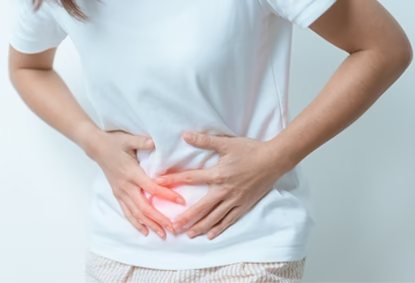
If you have PCOS, you already know the struggle. Irregular periods, hormonal chaos, unexpected weight changes — and then there’s the bloating. That tight, uncomfortable, “did my pants shrink overnight?” feeling.
But why does PCOS cause bloating in the first place? And is there anything you can actually do about it? Let’s break it all down in plain language.
What Is PCOS — And Why Is It Now Called PMOS?
PCOS stands for Polycystic Ovary Syndrome. It’s a hormonal condition that affects people with ovaries. It causes irregular periods, high androgen levels, and small cysts on the ovaries.
Here’s something worth knowing: PCOS has recently been renamed PMOS — Polyendocrine Metabolic Ovarian Syndrome. Medical experts made this change to better describe what actually happens in the condition. The old name was often misleading. Not everyone with the condition has cysts, and the ovaries aren’t always “polycystic” in the true sense.
The rename also helps reduce confusion for newly diagnosed people. Whether you see it written as PCOS or PMOS, it refers to the same condition. Throughout this article, we’ll use both terms interchangeably.
So, Does PCOS Really Cause Bloating?
Yes — and it’s incredibly common. Many people with PCOS/PMOS report bloating as one of their most frustrating daily symptoms.
Bloating with PCOS isn’t just about eating too much or swallowing air. It runs deeper than that. Several root causes are working together to make your belly feel like a balloon.
The Main Reasons PCOS Causes Bloating
-
Hormonal Imbalance Messes With Your Gut
PCOS throws your hormones off balance. Estrogen and progesterone levels fluctuate unpredictably. This directly affects your digestive system.
- High estrogen slows gut movement
- Low progesterone can cause water retention
- The gut becomes sluggish and gassy
Your gut and hormones are deeply connected. When one goes haywire, the other follows.
-
Insulin Resistance Triggers Inflammation
Most people with PCOS have insulin resistance. This means your cells don’t respond to insulin properly. Your body produces more insulin to compensate.
Too much insulin causes inflammation throughout the body. Inflammation in the gut leads to bloating, cramping, and discomfort. It’s a vicious cycle that’s hard to break without targeted action.
-
Gut Microbiome Disruption
Research shows that people with PCOS have a less diverse gut microbiome. Fewer “good” bacteria means more gas production and poor digestion.
- Bad bacteria outnumber good ones
- Food ferments more in the colon
- Gas builds up and causes bloating
A disrupted gut microbiome is one of the most underrated causes of PCOS-related bloating.
Water Retention and PCOS Bloating
Why Your Body Holds Onto Water
Hormonal shifts in PCOS cause your body to retain water. Especially around your period — or where your period would be, if it’s irregular.
This type of bloating feels different from gas bloating. Your abdomen feels puffy and heavy, not necessarily painful. Your fingers, ankles, or face may also feel swollen.
What Triggers Water Retention in PCOS?
- High estrogen levels
- High sodium intake
- Low progesterone
- Stress hormones like cortisol
Reducing sodium and managing stress can make a noticeable difference here.
Food Sensitivities Are More Common With PCOS
People with PCOS are more likely to have food sensitivities. Gluten and dairy top the list. These sensitivities cause inflammation and gut irritation.
You might not have a full-blown allergy. But a sensitivity is enough to trigger significant bloating after eating certain foods.
Common trigger foods for PCOS bloating include:
- Gluten (bread, pasta, cereals)
- Dairy (milk, cheese, ice cream)
- Processed sugar
- Beans and legumes (in large amounts)
- Carbonated drinks
- Artificial sweeteners
Keeping a food diary can help you identify your personal triggers.
Stress Makes PCOS Bloating Worse
The Cortisol Connection
PCOS already puts your body under hormonal stress. Add everyday life stress on top, and bloating gets significantly worse.
When you’re stressed, your body releases cortisol. Cortisol slows digestion. It also increases inflammation in the gut.
The result? More gas, more bloating, more discomfort.
The Gut-Brain Axis
Your gut and brain communicate constantly. This is called the gut-brain axis. When your brain is stressed, your gut knows it immediately.
Stress can cause:
- Slower digestion
- Increased gut sensitivity
- Bloating and cramping
Stress management isn’t just good for your mind — it’s essential for your gut.
PCOS, Bloating, and Your Menstrual Cycle
If your periods are irregular, your bloating may feel unpredictable too. Normally, bloating around the period is linked to hormonal shifts before menstruation.
With PCOS/PMOS, those hormonal shifts happen erratically. You might feel bloated for days or even weeks without knowing why.
Progesterone, which usually rises before a period, is often low in PCOS. Low progesterone means the gut slows down. This creates that persistent, hard-to-explain bloating feeling.
Practical Ways to Reduce PCOS Bloating
Adjust Your Diet
You don’t need to follow a perfect diet. Small, consistent changes make a big difference.
- Eat smaller meals throughout the day
- Avoid eating too fast (you swallow more air)
- Reduce processed foods and refined sugar
- Try an anti-inflammatory diet: leafy greens, berries, healthy fats
- Limit gluten and dairy for a few weeks and see how you feel
- Drink plenty of water — it actually helps flush out water retention
Support Your Gut Health
- Take a daily probiotic supplement
- Eat fermented foods like yogurt, kimchi, or kefir
- Include prebiotic foods: garlic, onions, bananas, oats
- Avoid antibiotics unless absolutely necessary
Manage Insulin Resistance
- Exercise regularly — even 30 minutes of walking helps
- Choose low-glycemic foods
- Eat protein and fiber with every meal
- Ask your doctor about inositol supplements
Reduce Stress
- Try 10 minutes of deep breathing daily
- Take short walks in nature
- Limit screen time before bed
- Sleep 7–9 hours a night
Consider Medical Support
If bloating is severely affecting your life, speak to a doctor. They may recommend:
- Hormonal birth control to stabilize hormones
- Metformin to help with insulin resistance
- Referral to a registered dietitian
When Is Bloating a Red Flag?
Most PCOS bloating is uncomfortable but not dangerous. However, watch for these warning signs:
- Sudden, severe abdominal pain
- Bloating that doesn’t improve after days
- Fever along with bloating
- Unexplained weight loss
- Blood in stool
These symptoms may point to something unrelated to PCOS. Always check with a healthcare provider.
A Quick Note on the PCOS to PMOS Rename
The shift from PCOS to PMOS is part of a bigger movement in medicine. Experts want condition names to reflect actual biology — not outdated assumptions.
For patients, this rename matters emotionally too. Many people with PMOS don’t have cysts. Being told they have “polycystic ovaries” when their scan looks different can be confusing and distressing.
The name PMOS — Polyendocrine Metabolic Ovarian Syndrome — focuses on the structural and hormonal pattern rather than assuming cysts are always present. It’s a small wording change, but it makes a real difference in how people understand their diagnosis.
The Bottom Line
PCOS (now PMOS) causes bloating through multiple pathways — hormone imbalances, insulin resistance, gut microbiome disruption, water retention, and food sensitivities. It’s not just in your head, and it’s not just about what you ate for lunch.
The good news? You have real options. Diet changes, stress management, gut health support, and medical care can all make a meaningful difference.
Understanding why you’re bloating is the first step toward feeling better. And now you do.
FAQs
Q1: Why do I feel bloated all the time with PCOS?
Constant bloating in PCOS is usually caused by a combination of hormonal imbalance, insulin resistance, and disrupted gut bacteria. These three factors together keep your digestive system in a state of low-grade inflammation, which causes persistent bloating.
Q2: Does PCOS bloating go away on its own?
It can improve, but it rarely goes away completely without lifestyle changes. Managing your diet, reducing stress, and addressing insulin resistance are the most effective long-term strategies.
Q3: What foods make PCOS bloating worse?
Common culprits include gluten, dairy, refined sugar, processed foods, carbonated drinks, and artificial sweeteners. Everyone is different, so a food diary can help identify your personal triggers.
Q4: Is PCOS now called PMOS?
Yes. PCOS has been renamed PMOS (Polyendocrine Metabolic Ovarian Syndrome) by medical experts to better reflect the nature of the condition. The change helps reduce confusion, especially for those whose ovaries don’t show visible cysts.
Q5: Can probiotics help with PCOS bloating?
Yes, probiotics can help by restoring balance to your gut microbiome. People with PCOS often have fewer beneficial gut bacteria, and taking a daily probiotic — along with eating fermented foods — can reduce gas and bloating over time.
Q6: How is PCOS bloating different from regular bloating?
PCOS bloating tends to be more persistent and less tied to specific meals. It’s driven by deeper hormonal and metabolic issues rather than just overeating or gas. It may also be accompanied by water retention, making the abdomen feel heavy and puffy.