Categories
PCOS

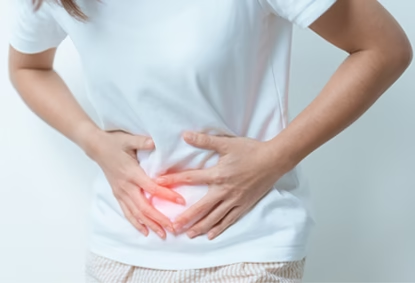
Why Does PCOS Cause Bloating? (And What You Can Do About It)

If you have PCOS, you already know the struggle. Irregular periods, hormonal chaos, unexpected weight changes — and then there’s the bloating. That tight, uncomfortable, “did my pants shrink overnight?” feeling.

But why does PCOS cause bloating in the first place? And is there anything you can actually do about it? Let’s break it all down in plain language.

What Is PCOS — And Why Is It Now Called PMOS?

PCOS stands for Polycystic Ovary Syndrome. It’s a hormonal condition that affects people with ovaries. It causes irregular periods, high androgen levels, and small cysts on the ovaries.

Here’s something worth knowing: PCOS has recently been renamed PMOS — Polyendocrine Metabolic Ovarian Syndrome. Medical experts made this change to better describe what actually happens in the condition. The old name was often misleading. Not everyone with the condition has cysts, and the ovaries aren’t always “polycystic” in the true sense.

The rename also helps reduce confusion for newly diagnosed people. Whether you see it written as PCOS or PMOS, it refers to the same condition. Throughout this article, we’ll use both terms interchangeably.

So, Does PCOS Really Cause Bloating?

Yes — and it’s incredibly common. Many people with PCOS/PMOS report bloating as one of their most frustrating daily symptoms.

Bloating with PCOS isn’t just about eating too much or swallowing air. It runs deeper than that. Several root causes are working together to make your belly feel like a balloon.

The Main Reasons PCOS Causes Bloating

  1. Hormonal Imbalance Messes With Your Gut

PCOS throws your hormones off balance. Estrogen and progesterone levels fluctuate unpredictably. This directly affects your digestive system.

  • High estrogen slows gut movement
  • Low progesterone can cause water retention
  • The gut becomes sluggish and gassy

Your gut and hormones are deeply connected. When one goes haywire, the other follows.

  1. Insulin Resistance Triggers Inflammation

Most people with PCOS have insulin resistance. This means your cells don’t respond to insulin properly. Your body produces more insulin to compensate.

Too much insulin causes inflammation throughout the body. Inflammation in the gut leads to bloating, cramping, and discomfort. It’s a vicious cycle that’s hard to break without targeted action.

  1. Gut Microbiome Disruption

Research shows that people with PCOS have a less diverse gut microbiome. Fewer “good” bacteria means more gas production and poor digestion.

  • Bad bacteria outnumber good ones
  • Food ferments more in the colon
  • Gas builds up and causes bloating

A disrupted gut microbiome is one of the most underrated causes of PCOS-related bloating.

Water Retention and PCOS Bloating

Why Your Body Holds Onto Water

Hormonal shifts in PCOS cause your body to retain water. Especially around your period — or where your period would be, if it’s irregular.

This type of bloating feels different from gas bloating. Your abdomen feels puffy and heavy, not necessarily painful. Your fingers, ankles, or face may also feel swollen.

What Triggers Water Retention in PCOS?

  • High estrogen levels
  • High sodium intake
  • Low progesterone
  • Stress hormones like cortisol

Reducing sodium and managing stress can make a noticeable difference here.

Food Sensitivities Are More Common With PCOS

People with PCOS are more likely to have food sensitivities. Gluten and dairy top the list. These sensitivities cause inflammation and gut irritation.

You might not have a full-blown allergy. But a sensitivity is enough to trigger significant bloating after eating certain foods.

Common trigger foods for PCOS bloating include:

  • Gluten (bread, pasta, cereals)
  • Dairy (milk, cheese, ice cream)
  • Processed sugar
  • Beans and legumes (in large amounts)
  • Carbonated drinks
  • Artificial sweeteners

Keeping a food diary can help you identify your personal triggers.

Stress Makes PCOS Bloating Worse

The Cortisol Connection

PCOS already puts your body under hormonal stress. Add everyday life stress on top, and bloating gets significantly worse.

When you’re stressed, your body releases cortisol. Cortisol slows digestion. It also increases inflammation in the gut.

The result? More gas, more bloating, more discomfort.

The Gut-Brain Axis

Your gut and brain communicate constantly. This is called the gut-brain axis. When your brain is stressed, your gut knows it immediately.

Stress can cause:

  • Slower digestion
  • Increased gut sensitivity
  • Bloating and cramping

Stress management isn’t just good for your mind — it’s essential for your gut.

PCOS, Bloating, and Your Menstrual Cycle

If your periods are irregular, your bloating may feel unpredictable too. Normally, bloating around the period is linked to hormonal shifts before menstruation.

With PCOS/PMOS, those hormonal shifts happen erratically. You might feel bloated for days or even weeks without knowing why.

Progesterone, which usually rises before a period, is often low in PCOS. Low progesterone means the gut slows down. This creates that persistent, hard-to-explain bloating feeling.

Practical Ways to Reduce PCOS Bloating

Adjust Your Diet

You don’t need to follow a perfect diet. Small, consistent changes make a big difference.

  • Eat smaller meals throughout the day
  • Avoid eating too fast (you swallow more air)
  • Reduce processed foods and refined sugar
  • Try an anti-inflammatory diet: leafy greens, berries, healthy fats
  • Limit gluten and dairy for a few weeks and see how you feel
  • Drink plenty of water — it actually helps flush out water retention

Support Your Gut Health

  • Take a daily probiotic supplement
  • Eat fermented foods like yogurt, kimchi, or kefir
  • Include prebiotic foods: garlic, onions, bananas, oats
  • Avoid antibiotics unless absolutely necessary

Manage Insulin Resistance

  • Exercise regularly — even 30 minutes of walking helps
  • Choose low-glycemic foods
  • Eat protein and fiber with every meal
  • Ask your doctor about inositol supplements

Reduce Stress

  • Try 10 minutes of deep breathing daily
  • Take short walks in nature
  • Limit screen time before bed
  • Sleep 7–9 hours a night

Consider Medical Support

If bloating is severely affecting your life, speak to a doctor. They may recommend:

  • Hormonal birth control to stabilize hormones
  • Metformin to help with insulin resistance
  • Referral to a registered dietitian

When Is Bloating a Red Flag?

Most PCOS bloating is uncomfortable but not dangerous. However, watch for these warning signs:

  • Sudden, severe abdominal pain
  • Bloating that doesn’t improve after days
  • Fever along with bloating
  • Unexplained weight loss
  • Blood in stool

These symptoms may point to something unrelated to PCOS. Always check with a healthcare provider.

A Quick Note on the PCOS to PMOS Rename

The shift from PCOS to PMOS is part of a bigger movement in medicine. Experts want condition names to reflect actual biology — not outdated assumptions.

For patients, this rename matters emotionally too. Many people with PMOS don’t have cysts. Being told they have “polycystic ovaries” when their scan looks different can be confusing and distressing.

The name PMOS — Polyendocrine Metabolic Ovarian Syndrome — focuses on the structural and hormonal pattern rather than assuming cysts are always present. It’s a small wording change, but it makes a real difference in how people understand their diagnosis.

The Bottom Line

PCOS (now PMOS) causes bloating through multiple pathways — hormone imbalances, insulin resistance, gut microbiome disruption, water retention, and food sensitivities. It’s not just in your head, and it’s not just about what you ate for lunch.

The good news? You have real options. Diet changes, stress management, gut health support, and medical care can all make a meaningful difference.

Understanding why you’re bloating is the first step toward feeling better. And now you do.


FAQs

Q1: Why do I feel bloated all the time with PCOS?

Constant bloating in PCOS is usually caused by a combination of hormonal imbalance, insulin resistance, and disrupted gut bacteria. These three factors together keep your digestive system in a state of low-grade inflammation, which causes persistent bloating.

Q2: Does PCOS bloating go away on its own?

It can improve, but it rarely goes away completely without lifestyle changes. Managing your diet, reducing stress, and addressing insulin resistance are the most effective long-term strategies.

Q3: What foods make PCOS bloating worse?

Common culprits include gluten, dairy, refined sugar, processed foods, carbonated drinks, and artificial sweeteners. Everyone is different, so a food diary can help identify your personal triggers.

Q4: Is PCOS now called PMOS?

Yes. PCOS has been renamed PMOS (Polyendocrine Metabolic Ovarian Syndrome) by medical experts to better reflect the nature of the condition. The change helps reduce confusion, especially for those whose ovaries don’t show visible cysts.

Q5: Can probiotics help with PCOS bloating?

Yes, probiotics can help by restoring balance to your gut microbiome. People with PCOS often have fewer beneficial gut bacteria, and taking a daily probiotic — along with eating fermented foods — can reduce gas and bloating over time.

Q6: How is PCOS bloating different from regular bloating?

PCOS bloating tends to be more persistent and less tied to specific meals. It’s driven by deeper hormonal and metabolic issues rather than just overeating or gas. It may also be accompanied by water retention, making the abdomen feel heavy and puffy.

Categories
PCOS

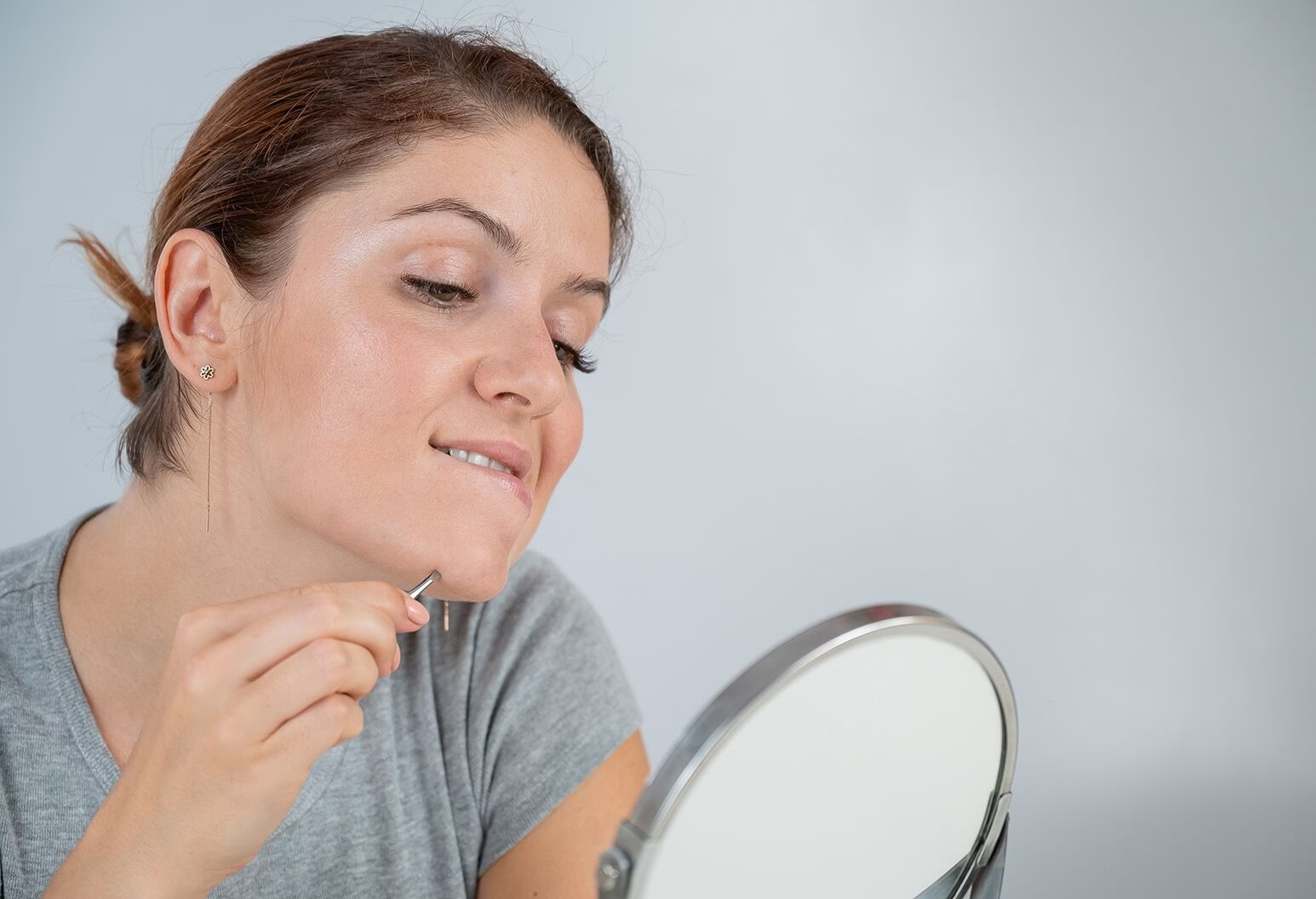
How to Get Rid of PCOS Facial Hair Naturally (What Actually Works)

Waking up to find new hair on your chin or upper lip is frustrating. For women with PCOS, this is a daily reality. You are not alone — and you are not without options.

This guide covers why PCOS causes facial hair and what you can do about it naturally, without harsh treatments or expensive procedures.

What Is PCOS and Why Does It Cause Facial Hair?

Polycystic Ovary Syndrome (PCOS) is a hormonal condition affecting 1 in 10 women of reproductive age. It disrupts how your ovaries work and throws your hormones out of balance.

The main culprit behind facial hair is androgens — hormones like testosterone. All women naturally produce small amounts of androgens. But in PCOS, those levels are higher than normal.

When androgens spike, they stimulate hair follicles on the face, chin, upper lip, and neck. This leads to thicker, darker hair in places you don’t want it. This condition is called hirsutism.

If you’d like to learn more about PCOS, then read our complete guide: PCOS – causes, symptoms and treatment.

What Makes Androgens Rise in PCOS?

High insulin signals the ovaries to produce more testosterone. More testosterone means more facial hair. It is a frustrating cycle — but one you can interrupt.

Can You Reduce PCOS Facial Hair Naturally?

Yes — but let’s set realistic expectations first.

Natural methods work best when you address the root cause: hormonal imbalance. They won’t give you overnight results. But with consistency, many women see real improvement within 3 to 6 months.

The goal is to lower androgen levels, improve insulin sensitivity, and reduce inflammation.

  1. Fix Your Diet First

Your plate is one of the most powerful tools you have.

Cut the Blood Sugar Spikes

High-sugar foods spike insulin, which drives androgen production. Reducing these foods can make a meaningful difference.

Foods to limit:

  • White bread, rice, and pasta
  • Sugary drinks and fruit juices
  • Pastries, cookies, and candy
  • Processed snacks

Foods to focus on:

  • Leafy greens — spinach, kale, broccoli
  • Whole grains — oats, quinoa, brown rice
  • Lean proteins — eggs, lentils, tofu, chicken
  • Healthy fats — avocado, olive oil, nuts

Try a Low-GI Eating Pattern

A low glycemic index (GI) diet keeps blood sugar steady. Studies show it reduces testosterone and improves PCOS symptoms over time.

  1. Spearmint Tea — A Simple Daily Habit

This one has solid research behind it.

Spearmint tea has natural anti-androgen properties. A study published in Phytotherapy Research found that drinking two cups of spearmint tea daily for 30 days significantly reduced free testosterone levels in women with PCOS.

Lower testosterone means less stimulation to facial hair follicles.

How to use it:

  • Steep 1 teaspoon of dried spearmint leaves in hot water for 5–7 minutes
  • Drink two cups daily — morning and evening
  • Be consistent for at least 4–6 weeks to notice a difference

It’s an easy, inexpensive habit. And it tastes great too.

  1. Manage Insulin Resistance Naturally

Since insulin resistance drives androgen excess, targeting it is key.

Inositol Supplements

Myo-inositol and D-chiro-inositol are two supplements with strong evidence for PCOS. They improve insulin sensitivity and lower androgen levels.

Many studies show they reduce testosterone, improve ovulation, and even reduce hirsutism scores over time.

Typical dosage: 2g of myo-inositol twice daily (always check with your doctor first)

Cinnamon

Cinnamon helps improve how the body uses insulin. Adding it to oatmeal, smoothies, or tea daily is a small but helpful step.

Apple Cider Vinegar

Some women with PCOS use ACV before meals to blunt blood sugar spikes. Mix one tablespoon in a glass of water before eating. Don’t overdo it — it’s acidic and can harm tooth enamel.

  1. Exercise Regularly

You don’t need intense workouts. You need consistency.

Exercise improves insulin sensitivity better than most supplements. Even a 30-minute daily walk helps. Strength training is especially powerful — it builds muscle and reduces insulin resistance at the cellular level.

Effective exercise types for PCOS:

  • Brisk walking
  • Cycling
  • Strength or resistance training
  • Yoga or Pilates (also helps with stress)

Aim for at least 150 minutes of moderate exercise per week.

  1. Reduce Stress — Seriously

Stress raises cortisol. High cortisol worsens insulin resistance and drives androgen production. It is a loop that keeps PCOS symptoms active.

Practical Stress-Reduction Tools

  • Sleep: Aim for 7–9 hours every night. Poor sleep alone raises cortisol.
  • Yoga: Multiple studies show yoga reduces testosterone levels in women with PCOS.
  • Meditation or breathwork: Even 10 minutes a day lowers cortisol meaningfully.
  • Journaling: Writing your worries down helps your nervous system reset.

Managing stress isn’t a luxury. For PCOS, it is medicine.

  1. Herbal Remedies With Some Evidence

Some herbs show promise for lowering androgens naturally.

Saw Palmetto

Saw palmetto blocks an enzyme (5-alpha reductase) that converts testosterone into its more potent form, DHT. DHT is what actually triggers hair follicles to grow thicker hair.

It is available as a supplement. Dosage varies — consult a healthcare provider.

Licorice Root

Licorice root contains compounds that reduce testosterone production. However, high doses or long-term use can raise blood pressure. Use it cautiously.

Chaste Tree Berry (Vitex)

Vitex helps balance LH and prolactin levels. Some women with PCOS find it helpful for overall hormonal balance. It works slowly — give it 3 months at minimum.

  1. Natural Hair Removal Methods (For Right Now)

While you work on the root cause, you still need to manage existing hair. Here are gentler, skin-friendly options.

Turmeric Paste

Turmeric has been used for centuries in South Asian cultures to slow hair growth.

Simple recipe:

  1. Mix 2 tablespoons of turmeric with enough water or milk to form a paste
  2. Apply to the affected area
  3. Leave for 15–20 minutes
  4. Rinse off with warm water

Use 3–4 times a week. Over weeks, hair may become finer and less noticeable.

Sugar Waxing (Sugaring)

Sugaring is a natural alternative to waxing. It uses sugar, lemon, and water — no chemicals.

  • Pulls hair from the root
  • Less irritating than traditional wax
  • Can be done at home

With regular use, hair often grows back finer over time.

Threading

Threading removes hair precisely from the root using twisted thread. It is gentle, chemical-free, and widely available. Great for upper lip and chin areas.

  1. Check Your Nutrient Levels

Certain deficiencies make PCOS symptoms worse.

Nutrient Why It Matters for PCOS
Vitamin D Low levels linked to insulin resistance and high androgens
Zinc Helps block 5-alpha reductase like saw palmetto
Magnesium Improves insulin sensitivity; many women with PCOS are deficient
Omega-3 fatty acids Reduces inflammation and lowers testosterone

Ask your doctor to check these levels. Supplementing deficiencies can bring noticeable changes.

When to See a Doctor

Natural methods are powerful — but they are not always enough on their own.

See a doctor if:

  • Facial hair is growing rapidly or in new areas
  • You notice hair thinning on your scalp alongside facial hair
  • Natural methods haven’t helped after 6 months
  • You have other PCOS symptoms like irregular periods or acne

A doctor may recommend medications like spironolactone, metformin, or birth control to manage androgen levels more directly.

Be Patient With Yourself

Getting rid of PCOS facial hair naturally takes time. Your hormones didn’t shift overnight — and they won’t reset overnight either.

Pick 2–3 changes from this list and start today. Track your progress. Give each change at least 8–12 weeks before judging results.

The hair you can manage. The confidence? That comes back faster than you think.

FAQs

Q1: Can PCOS facial hair go away permanently with natural methods?

Natural methods can reduce hair growth significantly over time by lowering androgen levels. However, hair that is already established may not disappear completely without professional treatment like laser hair removal. Think of natural methods as growth control, not permanent removal.

Q2: How long does it take to see results from natural PCOS treatments?

Most women notice changes within 3 to 6 months of consistent effort. Hormones shift slowly, so patience is key. Diet, spearmint tea, and inositol tend to show results sooner than herbal supplements alone.

Q3: Does spearmint tea really reduce PCOS facial hair?

Yes — spearmint has documented anti-androgen effects. Clinical studies show it can reduce free testosterone levels with regular use (two cups daily). It won’t stop existing hair overnight, but it can slow new growth over time.

Q4: Is it safe to use herbal supplements for PCOS without a doctor?

Some supplements like myo-inositol and zinc are generally well tolerated. However, herbs like saw palmetto, licorice root, and vitex can interact with medications. Always consult your doctor before starting any supplement, especially if you are on hormonal treatments.

Q5: Can exercise alone reduce PCOS facial hair?

Exercise won’t directly remove hair, but it significantly improves insulin sensitivity. Since insulin resistance drives androgen excess in PCOS, regular exercise can lower testosterone levels over time — which slows hair growth.

Categories
PCOS

Why Is It Hard to Lose Weight with PCOS? Understanding the Science and Solutions

Many women struggle with unexplained weight gain. They spend hours at the gym and eat clean diets. Yet, the scale does not move. For millions, the hidden culprit behind this battle is Polycystic Ovary Syndrome (PCOS). This common hormonal disorder affects up to ten percent of women of childbearing age.

Weight gain is one of the most frustrating symptoms of this condition. It usually settles around the belly. This stubborn fat leaves many women feeling defeated. They often blame themselves for a lack of willpower. However, the true cause is a complex web of hormonal imbalances.

Losing weight with this condition requires a different approach. Standard diet advice often fails. To find success, you must first understand your body. Let us explore the biological reasons behind this struggle and how you can manage them.

The Role of Insulin Resistance

Insulin is a vital hormone made by your pancreas. It acts like a key. It unlocks your cells to let glucose enter and provide energy. When you have PCOS, your body’s cells often ignore this hormone. This condition is known as insulin resistance.

Because the cells are resistant, glucose stays in your bloodstream. Your pancreas panics and pumps out even more insulin. High levels of insulin tell your body to store fat. It also blocks your body from burning stored fat for fuel.

This process creates a frustrating cycle. Your cells crave energy because they cannot access glucose. This leads to intense cravings for sugar and carbohydrates. You eat more, your insulin spikes, and your body stores more fat.

High Androgens and Fat Storage

Women naturally produce small amounts of male hormones called androgens. Testosterone is one example. If you have PCOS, your ovaries produce higher levels of these hormones than normal. High insulin levels actually trigger this extra production.

Elevated androgens change how your body handles fat. Most women store fat in their hips and thighs. High androgen levels cause fat to accumulate in the abdomen instead. This is often called visceral fat or a PCOS belly.

Visceral fat is not just an appearance issue. It wraps around your vital internal organs. This type of fat is highly active. It increases inflammation and makes insulin resistance even worse over time.

The Slowed Metabolism Myth vs. Reality

Many women feel their metabolism is completely broken. Studies show that women with this condition often have a lower basal metabolic rate. This means your body naturally burns fewer calories at rest than someone without the condition.

Your body is essentially programmed to conserve energy. It acts as if it is in survival mode. A normal calorie deficit might not work for you. Your body adapts quickly to lower food intake by slowing down further.

This lower metabolic rate makes traditional weight loss formulas inaccurate. Tracking calories alone rarely works. You must focus on changing your hormonal landscape to kickstart your metabolism instead.

Hunger Hormones Out of Balance

Your body uses specific hormones to signal hunger and fullness. Ghrelin tells your brain when it is time to eat. Leptin signals your brain when you are full. In a healthy body, these hormones keep your appetite stable.

PCOS disrupts this delicate balance completely. Research shows that ghrelin levels do not drop properly after a meal. You might finish a large dinner and still feel physically hungry an hour later.

At the same time, your body can become resistant to leptin. Your brain stops receiving the message that you have enough energy. This hormonal confusion leaves you fighting constant physical hunger every day.

Chronic Inflammation and Weight Gain

Living with this condition means your body experiences low-grade chronic inflammation. Your immune system is constantly on high alert. Doctors can measure this through specific proteins in your blood.

Inflammation and weight gain feed into each other. Inflammatory signals interfere with insulin receptors on your cells. This worsens insulin resistance. As a result, your body stores more fat in response.

Fat cells then produce their own inflammatory chemicals. This creates a dangerous loop. The more fat your body stores, the more inflamed it becomes. This makes weight loss even harder to achieve.

The Impact of Stress and Cortisol

Dealing with chronic symptoms is highly stressful. Stress triggers your adrenal glands to produce cortisol. Cortisol is your body’s primary stress hormone. High levels of cortisol are directly linked to weight gain.

Cortisol encourages your body to hold onto fat. It specifically targets the abdominal area. It also raises blood sugar levels. This gives your body a quick burst of energy that you do not use.

When this energy is not used, insulin stores it as fat. High cortisol also drives cravings for comfort foods. These foods are usually high in fat and sugar, which feeds the cycle.

Sleep Disturbances and Fat Loss

Sleep is essential for healthy hormone regulation. Women with this condition are at a much higher risk for sleep issues. Sleep apnea is common due to airway inflammation and weight.

Poor sleep disrupts your hunger hormones. Just one night of bad sleep increases ghrelin. It also decreases leptin the following day. This makes you crave high-calorie foods for quick energy.

Lack of sleep also worsens insulin resistance immediately. Your body cannot process glucose efficiently when it is exhausted. Prioritizing rest is a critical part of any successful weight management plan.

Why Traditional Diet Advice Fails

Most standard diet plans rely on extreme calorie restriction. They often advocate for hours of intense cardio exercise. While this works for some, it often backfires for women with PCOS.

Severe calorie restriction acts as a major stressor. It raises your cortisol levels significantly. Intense cardio can also spike cortisol. This tells your body to hold onto its fat stores even tighter.

Cutting out entire food groups can trigger intense binges. This happens because your hunger hormones are already unstable. A sustainable approach must focus on nourishment rather than deprivation.

Smart Dietary Strategies for Success

To lose weight, you must focus on balancing your blood sugar. Avoid extreme low-calorie diets. Instead, build your meals around three main pillars: protein, healthy fats, and fiber.

  • Prioritize Protein: Eat protein with every meal. Lean meats, fish, eggs, and tofu help stabilize blood sugar. Protein also keeps you feeling full for longer periods.
  • Choose Complex Carbs: Do not cut out carbs completely. Swap refined carbs for whole options. Vegetables, berries, quinoa, and legumes digest slowly and prevent insulin spikes.
  • Include Healthy Fats: Avocados, nuts, seeds, and olive oil are essential. They slow down digestion. They also support healthy hormone production in your body.

The Right Way to Exercise

Exercise is crucial, but type and intensity matter. Long, grueling cardio sessions can raise stress hormones. Focus on workouts that improve insulin sensitivity without exhausting your body.

  • Strength Training: Lift weights or use bodyweight exercises. Building muscle mass improves your metabolic rate. Muscle cells use glucose for fuel efficiently, even at rest.
  • Walking: Never underestimate the power of a daily walk. A 20-minute walk after meals lowers blood sugar spikes. It is also an excellent way to lower cortisol.
  • HIIT in Moderation: High-Intensity Interval Training can be beneficial. Keep these sessions short. Limit them to twice a week to avoid overstressing your system.

The Importance of Lifestyle and Supplements

Diet and exercise are only part of the puzzle. Managing stress is just as important. Practice regular stress-relief techniques. Meditation, deep breathing, and yoga can significantly lower cortisol levels.

Specific supplements can also support your journey. Always speak with your doctor before starting any new routine. Some options have strong scientific backing for managing symptoms.

  • Inositol: This supplement helps improve insulin sensitivity. It can reduce sugar cravings and help regulate your ovulation cycle.
  • Omega-3 Fatty Acids: High-quality fish oil reduces chronic inflammation. It also helps improve cholesterol profiles.
  • Vitamin D: Many women with this condition are deficient. Vitamin D is essential for insulin management and overall immune function.

Shifting Your Mindset

Weight loss with this condition takes time. It is a slow, gradual process. Expecting rapid results will only lead to frustration. Celebrate small victories that do not involve the scale.

Notice if your energy levels are improving. Track changes in your skin, mood, and sleep quality. These are signs that your hormones are shifting in a positive direction.

Be kind to yourself during this process. Your body is not working against you maliciously. It is dealing with a complex hormonal challenge. It needs your patience, care, and consistent support.

If you’d like to know more about how PCOS symptoms, then please check our detailed article – PCOS Symptoms Before Diagnosis.

Frequently Asked Questions (FAQs)

Can you actually lose weight if you have PCOS?

Yes. Weight loss is possible, but it requires balancing your hormones first rather than just cutting calories. Focus on managing insulin levels and lowering your daily stress.

Why does PCOS cause fat to store mainly in the stomach?

High levels of male hormones, called androgens, alter where your body stores fat. Instead of storing it in the hips, your body deposits fat in the abdomen, creating visceral fat.

Does cutting out all carbohydrates fix PCOS weight gain?

No, you do not need to cut out all carbohydrates. Focus on replacing refined carbs with high-fiber complex carbohydrates, which prevent drastic insulin spikes.

How long does it take to see weight loss results with PCOS?

Results vary for everyone, but sustainable hormone healing takes time. Most women start seeing real, lasting changes within three to six months of consistent lifestyle changes.

Exit mobile version