
Categories
PCOS

What Foods Make PCOS Worse? A Complete Guide to Foods to Avoid

If you have PCOS, what you eat matters more than you might think.

The right foods can calm your hormones and support your body. But certain foods actively work against you — spiking insulin, fueling inflammation, and making your symptoms harder to manage.

This guide covers exactly which foods make PCOS worse and why. Understanding this helps you make smarter choices every single day.

A Quick Note on the Name Change

You may have recently come across the term PMOS — Polyendocrine Metabolic Ovarian Syndrome.

Researchers are pushing to rename PCOS to PMOS because the condition affects far more than just the ovaries. It involves insulin resistance, inflammation, hormonal imbalance, and metabolism — all at once.

The name PCOS is still widely used by doctors and health organizations worldwide. But knowing about PMOS helps you understand that this is a full-body condition, not just an ovarian problem. That is exactly why diet plays such a powerful role in managing it.

For a deeper understanding of the condition itself, read our complete guide to PCOS — symptoms, causes, and treatment options.

Why Food Affects PCOS So Deeply

PCOS is driven largely by two core problems — insulin resistance and chronic inflammation.

When you eat foods that spike blood sugar, your body releases a surge of insulin. In women with PCOS, those already-high insulin levels signal the ovaries to produce more androgens (male hormones). This makes symptoms like acne, facial hair, irregular periods, and weight gain significantly worse.

Inflammation compounds the problem. Certain foods trigger low-grade inflammation in the body, which disrupts hormone production and makes insulin resistance worse.

This is not about eating perfectly. It is about reducing the foods that constantly fuel these two problems.

Check out our detailed guide on Best Diet for PCOS to Lose Weight Fast (Backed by Science).

  1. Refined Carbohydrates and White Flour Products

Refined carbohydrates are one of the worst dietary triggers for PCOS.

White bread, pasta, white rice, and products made with white flour digest extremely quickly. Your blood sugar rises fast, your body releases a large spike of insulin, and your PCOS symptoms flare up in response.

What to watch out for:

  • White bread and rolls
  • Regular pasta and noodles
  • White rice
  • Crackers made with refined flour
  • Pizza bases made with white flour
  • Packaged baked goods

These foods are not inherently evil. But eating them regularly — especially in large portions — keeps insulin elevated throughout the day.

Better swaps: Opt for whole grain bread, brown rice, quinoa, oats, and sweet potatoes. These digest slowly and keep blood sugar far more stable.

  1. Sugary Foods and Sweet Treats

Sugar is one of the fastest ways to spike blood sugar and insulin levels.

When you have PCOS, your body already struggles to manage insulin efficiently. Adding large amounts of sugar into the mix makes that job even harder. Over time, frequent sugar spikes worsen insulin resistance, increase androgen production, and deepen hormonal imbalance.

Common culprits:

  • Cakes, pastries, and donuts
  • Candy and chocolate bars
  • Ice cream and desserts
  • Sweetened breakfast cereals
  • Flavored yogurts with added sugar
  • Honey, syrups, and jam in large amounts

The tricky part is that sugar hides in many foods that seem healthy. Always check nutrition labels for “added sugars.”

One thing to remember: You do not need to eliminate sugar entirely. Occasional treats are fine. What hurts PCOS is consistent, daily sugar overload — not an occasional slice of birthday cake.

  1. Sugary Drinks and Fruit Juices

Liquid sugar is particularly damaging for PCOS.

When you drink sugar rather than eat it, your body absorbs it almost instantly. There is no fiber to slow it down. Your blood sugar spikes sharply, insulin surges, and your hormones take the hit.

Drinks to cut back on:

  • Sodas and fizzy drinks
  • Packaged fruit juices
  • Energy drinks
  • Sweetened iced teas
  • Flavored coffees with syrups
  • Bubble tea with added sugar
  • Sports drinks

Even 100% fruit juice — which sounds healthy — can cause significant blood sugar spikes because the natural fiber from the fruit has been removed.

Better choices: Plain water, herbal teas, sparkling water, and unsweetened drinks are your best options. If you enjoy coffee, try it without flavored syrups.

  1. Processed and Ultra-Processed Foods

Processed foods are a double problem for PCOS — they combine refined carbs, added sugars, unhealthy fats, and artificial additives all in one package.

This combination drives both insulin resistance and inflammation simultaneously. Many ultra-processed foods also contain trans fats — the most damaging type of fat for hormonal health.

Processed foods to limit:

  • Fast food burgers, fried chicken, and fries
  • Packaged chips and crisps
  • Instant noodles and ready meals
  • Processed meats like sausages, hot dogs, and deli meats
  • Microwave popcorn with artificial flavoring
  • Packaged cookies and snack bars

A simple rule of thumb: if a food has more than five ingredients on the label, and most of those ingredients are things you cannot pronounce, it is likely highly processed.

  1. Fried Foods and Unhealthy Fats

Fried foods are loaded with trans fats and omega-6 fatty acids — both of which promote inflammation.

Chronic inflammation makes PCOS harder to manage. It worsens insulin resistance, disrupts the hormonal signals that regulate ovulation, and increases androgen activity in the body.

Fried and high-fat foods to reduce:

  • Deep-fried takeaway food
  • Commercially fried chips and snacks
  • Foods cooked in vegetable shortening or hydrogenated oils
  • Margarine and products containing partially hydrogenated oils

Healthy fats — from avocados, olive oil, nuts, seeds, and fatty fish — are actually beneficial for PCOS. The problem is specifically with trans fats and heavily processed vegetable oils used in commercial frying.

  1. Dairy Products — The PCOS Debate

The relationship between dairy and PCOS is more complicated than some headlines suggest.

Dairy products — particularly cow’s milk — naturally contain hormones and growth factors. Some research suggests these may increase insulin levels and stimulate androgen production in women with PCOS. However, the evidence is not definitive, and some women with PCOS tolerate dairy without any obvious worsening of symptoms.

Dairy products that may cause issues:

  • Full-fat cow’s milk in large amounts
  • Ice cream and cream-based desserts
  • Heavily processed cheese products

What to do: Pay attention to your own body. If your skin breaks out, your periods become more irregular, or your bloating worsens after dairy, it may be worth reducing your intake and observing whether symptoms improve. Unsweetened almond milk, oat milk, or coconut milk are easy substitutes.

  1. Excess Caffeine

Caffeine itself is not necessarily harmful in moderate amounts. But excess caffeine can affect cortisol levels — and cortisol is a hormone that directly interacts with insulin and androgen production.

When cortisol stays chronically elevated (as it does with stress, poor sleep, or excessive caffeine), it worsens insulin resistance and disrupts the delicate hormonal balance that PCOS already struggles with.

Caffeinated drinks to monitor:

  • More than two to three cups of coffee per day
  • Energy drinks combining caffeine and sugar
  • Strong black tea consumed in large amounts
  • Pre-workout supplements containing high caffeine doses

Practical tip: If you currently drink four or five coffees a day, try reducing to two and swap the rest for herbal tea. You may notice a positive shift in energy stability and mood within a few weeks.

  1. Alcohol

Alcohol affects PCOS in several important ways.

It is high in empty calories that quickly convert to sugar in the body. It disrupts liver function — and the liver plays a central role in metabolizing and clearing excess hormones. Alcohol also raises cortisol levels and disrupts sleep quality, both of which worsen hormonal balance.

Alcoholic drinks with the highest impact:

  • Sweet wines and cocktails
  • Beer and ciders (high in refined carbs)
  • Alcopops and premixed sugary spirits
  • Large quantities of any alcohol

Occasional, moderate alcohol consumption is unlikely to cause dramatic harm. But regular heavy drinking is genuinely problematic for PCOS management.

  1. High-Sodium and Heavily Salted Foods

Excess sodium does not directly worsen insulin resistance, but it contributes to bloating and water retention — two complaints that many women with PCOS already struggle with.

High-sodium foods also tend to overlap heavily with ultra-processed foods, meaning cutting one often reduces the other automatically.

High-sodium foods to watch:

  • Canned soups and packaged sauces
  • Soy sauce in large quantities
  • Pickled and preserved foods eaten frequently
  • Salted nuts and processed snack foods
  • Fast food meals
  1. Artificial Sweeteners — Are They Really Safe?

Many women switch to artificially sweetened products hoping to reduce sugar intake. The reality is more nuanced.

Some research suggests certain artificial sweeteners may still trigger an insulin response, even without actual sugar. They may also disrupt gut bacteria — and gut health plays a larger role in hormonal balance than most people realize.

Sweeteners worth limiting:

  • Aspartame (common in diet sodas)
  • Sucralose in large amounts
  • Saccharin
  • Acesulfame potassium

The bottom line: Small amounts of artificial sweeteners are unlikely to cause major harm. But relying on them heavily — particularly in diet sodas and sugar-free products — may not be as beneficial as it seems.

What to Eat Instead

Knowing what to avoid is only half the picture. Here is a quick overview of what genuinely supports PCOS:

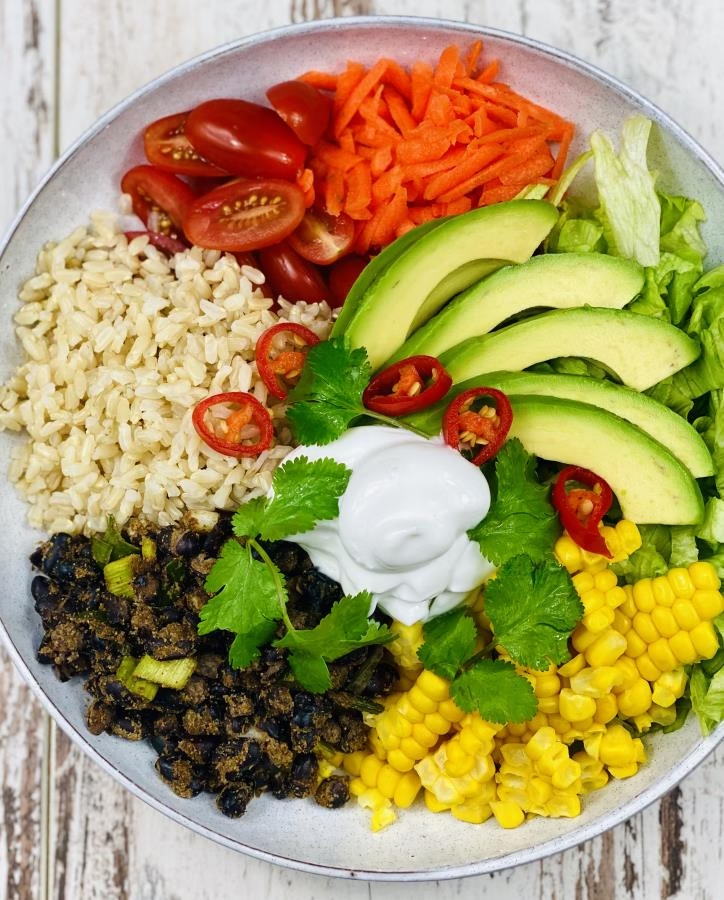
  • High-fiber vegetables — broccoli, spinach, kale, cabbage, and bell peppers
  • Lean proteins — eggs, chicken, fish, tofu, lentils, and chickpeas
  • Healthy fats — avocado, olive oil, almonds, walnuts, and chia seeds
  • Low-glycemic fruits — berries, apples, pears, and kiwi
  • Whole grains — quinoa, oats, brown rice, and barley
  • Anti-inflammatory foods — turmeric, ginger, fatty fish, and green tea

These foods work together to stabilize blood sugar, reduce inflammation, and support the hormonal balance that PCOS disrupts.

Practical Tips for Changing Your Diet With PCOS

Making sweeping dietary changes overnight rarely works. Here is a more realistic approach:

  1. Start with one swap per week — replace white bread with whole grain bread, or swap soda for sparkling water
  2. Read nutrition labels — look for hidden sugars under names like glucose syrup, fructose, maltose, and dextrose
  3. Eat protein with every meal — it slows digestion and prevents blood sugar spikes
  4. Never skip breakfast — eating a balanced breakfast stabilizes blood sugar for the rest of the day
  5. Prepare simple meals at home — home cooking gives you full control over ingredients
  6. Do not aim for perfection — consistent improvement beats occasional perfection every time

Small, sustainable changes compound into meaningful results over weeks and months.

Final Thoughts

PCOS — or PMOS as it is increasingly being called — is a complex hormonal condition that diet alone cannot cure. But what you eat every day has a genuine, measurable impact on how your symptoms feel and how well your body manages insulin and inflammation.

The foods covered in this guide are not banned forever. The goal is simply to reduce the ones that work against your hormones and make room for the ones that support them.

You do not need a perfect diet. You need a better one — and every small step in the right direction counts.

For a complete understanding of the condition, including causes, diagnosis, and treatment, visit our PCOS symptoms, causes, and treatment guide.

FAQs

Q1. What is the worst food for PCOS?

Refined sugar and sugary drinks are among the worst offenders. They cause rapid insulin spikes, which directly worsen hormonal imbalance in women with PCOS.

Q2. Does dairy make PCOS worse?

It depends on the individual. Some women with PCOS find that dairy worsens acne and bloating. Others tolerate it well. It is worth reducing dairy temporarily to see whether your symptoms improve.

Q3. Is rice bad for PCOS?

White rice digests quickly and can spike blood sugar. Switching to brown rice, quinoa, or cauliflower rice is a better choice for managing PCOS symptoms.

Q4. Can I eat fruit if I have PCOS?

Yes. Whole fruits are generally fine for PCOS because their natural fiber slows sugar absorption. Choose lower-sugar fruits like berries, apples, and pears. Avoid fruit juices, which remove the fiber.

Q5. What drinks are bad for PCOS?

Sugary sodas, packaged fruit juices, energy drinks, sweetened coffees, and alcohol are all worth reducing. Plain water, herbal teas, and unsweetened drinks are the best choices.

Q6. What is PMOS and how is it different from PCOS?

PMOS stands for Polyendocrine Metabolic Ovarian Syndrome — a proposed new name for PCOS. Researchers support this rename because the condition affects much more than just the ovaries. It involves insulin resistance, inflammation, and hormonal imbalance throughout the body. Both names refer to the same condition.

Categories
PCOS

Best Diet for PCOS to Lose Weight: A Simple and Sustainable Guide

If you have PCOS and feel like your body is working against you — you are not imagining it.

You eat carefully, stay active, and still the scale barely moves. Meanwhile, friends without PCOS seem to drop weight without trying. It feels unfair, because it genuinely is harder for you. PCOS disrupts the hormones that control hunger, fat storage, and metabolism. Standard diet advice was not built with that in mind.

The good news? Once you understand why weight loss is harder with PCOS, you can stop fighting your body and start working with it. The right eating approach does not have to be extreme or miserable. It just has to be smart.

Here is what actually works.

Why Losing Weight with PCOS Is So Much Harder

Before we get into what to eat, it helps to understand what you are dealing with.

Most women with PCOS have some degree of insulin resistance. This means your body produces insulin normally, but your cells do not respond to it efficiently. So your body pumps out more insulin to compensate — and high insulin levels tell your body to store fat, particularly around the belly.

High insulin also drives hunger and cravings, especially for sugar and refined carbohydrates. So you are not just dealing with slow weight loss. You are dealing with a hormonal environment that actively works against your efforts.

On top of that, many women with PCOS have:

  • Elevated androgens (male hormones), which promote fat storage
  • Chronic low-grade inflammation, which slows metabolism
  • Cortisol dysregulation, which makes stress eating more likely
  • Disrupted hunger hormones like leptin and ghrelin

Eating less and moving more is overly simplistic advice when your hormones are pulling in the opposite direction. The goal is not just cutting calories. The goal is eating in a way that improves insulin sensitivity and brings your hormones back into better balance.

A complete guide on why is it hard to lose weight can be read at – Why Is It Hard to Lose Weight with PCOS? 5 Real Reasons.

What Does a Good PCOS Diet Actually Look Like?

There is no single magic diet for PCOS. But the eating approaches that consistently work share a few core principles:

  • They keep blood sugar stable throughout the day
  • They reduce insulin spikes after meals
  • They support hormone production without excess
  • They lower inflammation
  • They keep you genuinely full, so you are not fighting cravings all day

In practice, this means building meals around protein, fiber, healthy fats, and slow-digesting carbohydrates. Not one of those things alone — all four, working together.

Let’s look at each one.

Protein: The Foundation of Every Meal

If there is one nutrition change that makes an immediate difference for women with PCOS, it is eating more protein.

Protein stabilizes blood sugar, which helps break the insulin spike-and-crash cycle that drives cravings. It keeps you full for longer than carbohydrates or fat alone. It supports lean muscle mass, and more muscle means a faster resting metabolism. Protein even burns more calories during digestion than other macronutrients.

Most importantly, a high-protein breakfast sets your blood sugar up for a much more stable day. Skipping breakfast or eating something sugary first thing derails your hunger hormones before you have even started.

Good protein sources for PCOS:

  • Eggs
  • Chicken breast and turkey
  • Salmon, tuna, and other fatty fish
  • Greek yogurt and cottage cheese
  • Tofu and tempeh
  • Lentils, chickpeas, and beans

Easy high-protein breakfast idea:

Two scrambled eggs with a side of Greek yogurt, a handful of mixed berries, and a tablespoon of chia seeds. Simple, quick, and keeps hunger at bay for hours.

Aim to include a meaningful protein source at every meal and snack — not just dinner.

Low-Glycemic Carbohydrates: Not All Carbs Are the Enemy

Cutting all carbohydrates is not realistic or necessary for most women. But the type of carbohydrates you eat matters enormously when you have PCOS.

High-glycemic carbs — white bread, sugary cereals, pastries, white rice, soft drinks — digest quickly and cause a sharp spike in blood sugar. That spike triggers a surge of insulin, which tells your body to store fat and leaves you hungry again within an hour or two.

Low-glycemic carbs digest slowly, releasing glucose steadily into your bloodstream. Blood sugar stays stable, insulin stays lower, and you stay fuller longer.

Better carbohydrate choices:

  • Oats (especially steel-cut or rolled)
  • Quinoa
  • Brown rice
  • Sweet potatoes
  • Barley
  • Whole wheat bread
  • Lentils and beans

Carbohydrates to limit:

  • White bread and white rice
  • Sugary breakfast cereals
  • Cakes, cookies, and pastries
  • Soft drinks and fruit juices
  • Processed snack foods

You do not need to eliminate these entirely. But reducing them consistently — and replacing them with slower-digesting options — makes a real difference in how your body manages insulin.

Fiber: Your Secret Weapon Against Cravings

Fiber does not get enough credit in most diet conversations.

For women with PCOS, it is genuinely powerful. Fiber slows down digestion, which prevents blood sugar from rising too quickly after meals. It feeds the beneficial bacteria in your gut, which plays a larger role in hormone regulation than most people realize. It helps you feel full without adding significant calories. And emerging research suggests it may directly improve insulin sensitivity over time.

Most people eat far less fiber than they need. The target is around 25 to 35 grams per day.

Top fiber sources to add to your meals:

  • Non-starchy vegetables: broccoli, spinach, kale, cabbage, cauliflower, bell peppers, cucumber
  • Fruits: berries, apples, pears, kiwi
  • Seeds: chia seeds, flaxseeds
  • Legumes: lentils, black beans, chickpeas

A practical rule: fill at least half your plate with vegetables at lunch and dinner. It is one of the simplest high-impact changes you can make.

Healthy Fats: Stop Avoiding Them

Fat has been unfairly demonized for decades. The truth is that healthy fats are essential for hormone production, and cutting fat too aggressively can actually worsen hormonal imbalance.

Your body needs dietary fat to produce estrogen, progesterone, and other sex hormones. Without enough fat in your diet, hormone production suffers. Healthy fats also slow digestion, which helps prevent blood sugar spikes, and they make meals genuinely satisfying so you are less likely to overeat later.

Best sources of healthy fats for PCOS:

  • Avocados
  • Extra virgin olive oil
  • Almonds, walnuts, and pistachios
  • Chia seeds and flaxseeds
  • Fatty fish like salmon and sardines

A well-built PCOS meal contains all three: protein, fiber, and healthy fat. That combination is what keeps your blood sugar stable and your appetite under control for hours.

The Mediterranean Diet and PCOS

If you want a tried-and-tested eating framework rather than building your own from scratch, the Mediterranean diet is widely considered one of the best options for PCOS.

It naturally emphasizes vegetables, fruits, whole grains, legumes, fish, olive oil, and nuts — all the things that support insulin sensitivity and reduce inflammation. It is satisfying, varied, and genuinely enjoyable to eat long term. This diet does not require eliminating entire food groups or counting every calorie.

Research supports its benefits for PCOS specifically, including improvements in insulin resistance, hormonal markers, and inflammatory markers. It is also significantly easier to sustain than restrictive approaches, which matters more than most people admit.

What About Low-Carb Diets?

Some women with PCOS do respond well to reducing carbohydrates more significantly. Lower carb intake lowers insulin levels, which addresses one of the core hormonal issues in PCOS. Some women see faster initial weight loss, reduced hunger, and better blood sugar control with this approach.

However, very low-carb or ketogenic diets are not necessary or suitable for everyone with PCOS. Some women feel worse on them, particularly if they are highly active or if severe restriction triggers stress and cortisol spikes. Chronically elevated cortisol worsens hormonal imbalance — the opposite of what you want.

A moderate approach works well for most people: reduce refined carbohydrates significantly, choose low-glycemic options when you do eat carbs, and keep total carb intake at a level that feels sustainable without feeling deprived.

Foods to Cut Back On

Some foods actively worsen the hormonal environment in PCOS. You do not need to never eat them again, but minimizing them consistently will accelerate your results:

  • Sugary drinks — sodas, fruit juices, sweetened coffee drinks
  • Refined grains — white bread, white pasta, white rice
  • Processed snack foods — chips, crackers, packaged cookies
  • Fried foods
  • Excess alcohol
  • High-sugar desserts and pastries
  • Fast food eaten regularly

Small reductions add up. You do not need to be perfect to see progress.

A Full Day of Eating for PCOS Weight Loss

Here is what a realistic, satisfying day of eating looks like:

Breakfast

Vegetable omelet with spinach and bell peppers, a small bowl of Greek yogurt with blueberries

Morning Snack

A handful of almonds and apple slices

Lunch

Grilled chicken over a large mixed salad with olive oil dressing, served with a scoop of quinoa

Afternoon Snack

Cottage cheese with cucumber sticks

Dinner

Baked salmon with roasted broccoli and cauliflower, and a small sweet potato

Evening (if needed)

Herbal tea and a small chia pudding made with unsweetened almond milk

Notice the pattern: every meal has protein, every meal has vegetables or fiber, healthy fats appear throughout, and the carbohydrates are slow-digesting. That structure — not perfection on every bite — is what produces results.

Common Mistakes That Slow Down PCOS Weight Loss

Even with the best intentions, these habits quietly sabotage progress:

Skipping meals — particularly breakfast. It might feel like you are saving calories, but it destabilizes blood sugar and drives stronger cravings later in the day.

Eating too little overall — extreme calorie restriction raises cortisol and slows metabolism. Your body needs enough fuel to function, heal, and lose weight sustainably.

Not prioritizing protein — low-protein meals leave you hungry within an hour or two, making overeating almost inevitable.

Drinking your calories — a daily flavored latte, fruit juice, or sweetened tea can add several hundred calories with almost no satiety benefit.

Chasing perfect eating — rigid all-or-nothing thinking leads to cycles of restriction and overeating. Consistent good-enough is dramatically better than occasional perfect.

How Quickly Can You Expect Results?

Realistically, PCOS weight loss tends to be slower than average. A loss of 0.5 to 1 kilogram per week is a healthy, sustainable pace for most women.

More importantly, even a 5% to 10% reduction in body weight can produce significant improvements in PCOS symptoms — more regular periods, better insulin sensitivity, improved fertility, more stable mood, and more energy. These changes often appear before the scale shows dramatic movement.

Track more than your weight. Pay attention to how your clothes fit, how your energy levels feel, how your appetite and cravings are behaving, and whether your cycle is becoming more regular. These are all meaningful signals that your approach is working.

Lifestyle Habits That Make the Diet Work Better

Nutrition is the foundation, but these habits amplify the results:

  • Daily walking — even 20 to 30 minutes significantly improves insulin sensitivity
  • Strength training — two to three sessions per week builds muscle and boosts metabolism
  • Seven to nine hours of sleep — poor sleep worsens insulin resistance and hunger hormones overnight
  • Stress management — chronic stress raises cortisol, which directly worsens PCOS. Yoga, breathing exercises, journaling, and time outdoors all help
  • Adequate hydration — staying well hydrated supports metabolism and reduces false hunger signals

If you worry about your body image, these self-esteem tips may help you in your PCOS journey.

Final Thoughts

PCOS makes weight loss harder — but it does not make it impossible.

The most effective diet for PCOS is not the most extreme one. It is the one that stabilizes your blood sugar, supports your hormones, keeps you full, and is sustainable enough to actually stick with.

Build your meals around protein, fiber, healthy fats, and low-glycemic carbohydrates. Reduce the foods that spike insulin. Add lifestyle habits that support the process. And give your body the time and consistency it needs to respond.

You are not broken. Your body is navigating a genuine hormonal challenge. With the right approach, real progress is absolutely possible.

A detailed guide on PCOS can be read here – Polycystic ovarian syndrome – causes, treatment & symptoms

FAQs

What is the best diet for PCOS to lose weight fast?

A balanced diet rich in protein, fiber, healthy fats, and low-glycemic carbohydrates is often the most effective approach.

Can I lose weight with PCOS naturally?

Yes. Many women lose weight through healthy eating, regular exercise, adequate sleep, and stress management.

Are carbohydrates bad for PCOS?

No. Choose complex, low-glycemic carbohydrates instead of refined carbohydrates and sugary foods.

Is the Mediterranean diet good for PCOS?

Yes. The Mediterranean diet may improve insulin sensitivity, reduce inflammation, and support healthy weight loss.

How much protein should I eat with PCOS?

Protein needs vary by individual. Including a quality protein source at every meal is generally beneficial.

Which foods should I avoid with PCOS?

Limit sugary drinks, refined carbohydrates, processed snacks, fried foods, and highly processed meals.

Can intermittent fasting help PCOS?

Some women find it helpful, but results vary. It is important to choose an eating pattern that is sustainable.

How long does it take to lose weight with PCOS?

Many women notice improvements within a few weeks. Sustainable weight loss usually occurs gradually over time.

Exit mobile version