If you have PCOS, you already know hormones run the show. One small shift, and your skin breaks out, your energy tanks, or your period disappears for months. It can feel like your body is working against you.
The good news? You have more control than you think. Small, consistent changes to food, sleep, movement, and stress can make a real difference. This guide breaks down how to balance hormones naturally PCOS, without overwhelming you with complicated rules.
For a full breakdown of PCOS symptoms, causes, and treatment options, check out our complete PCOS guide. This post focuses specifically on natural strategies you can start today.
What Hormonal Imbalance Looks Like in PCOS
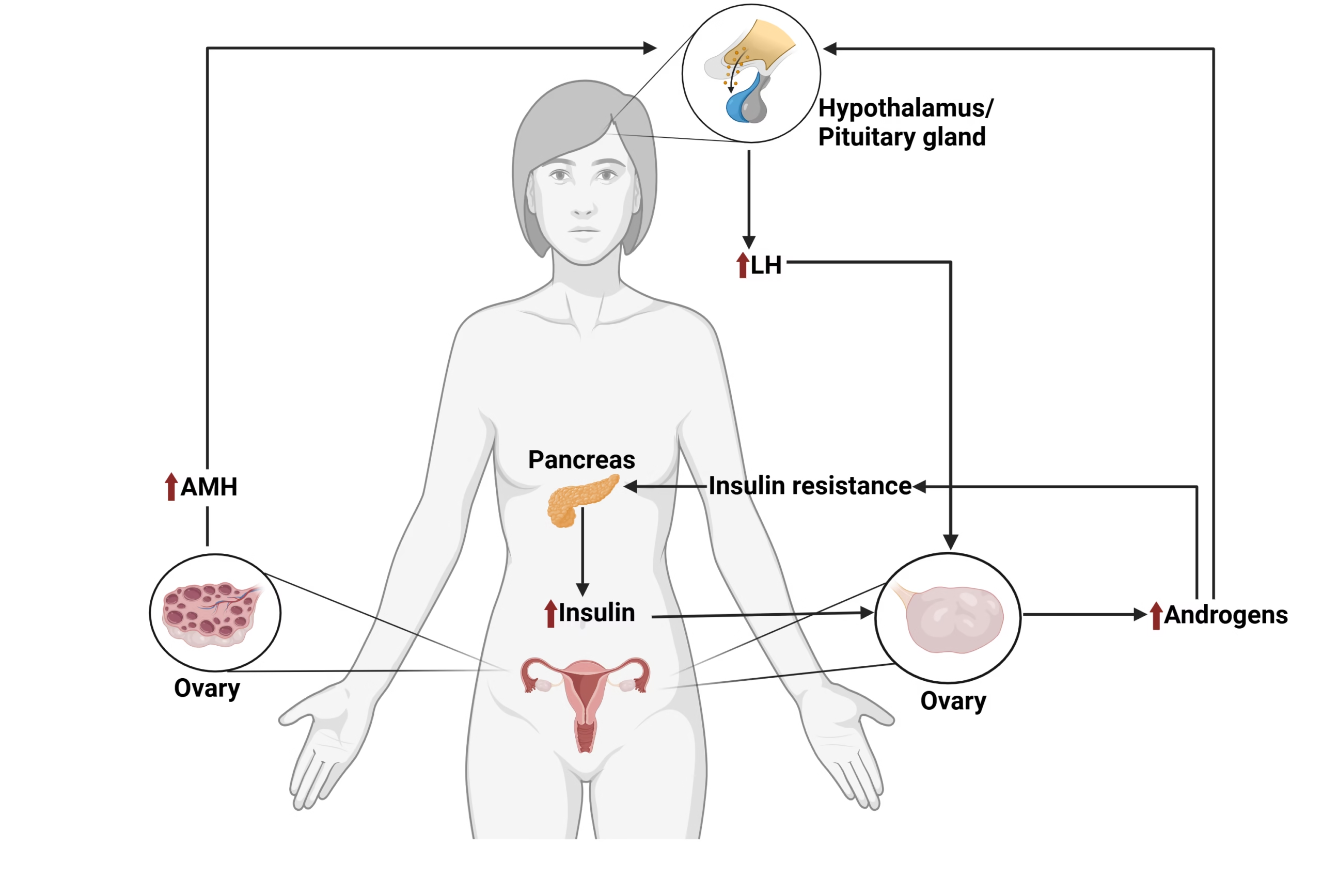
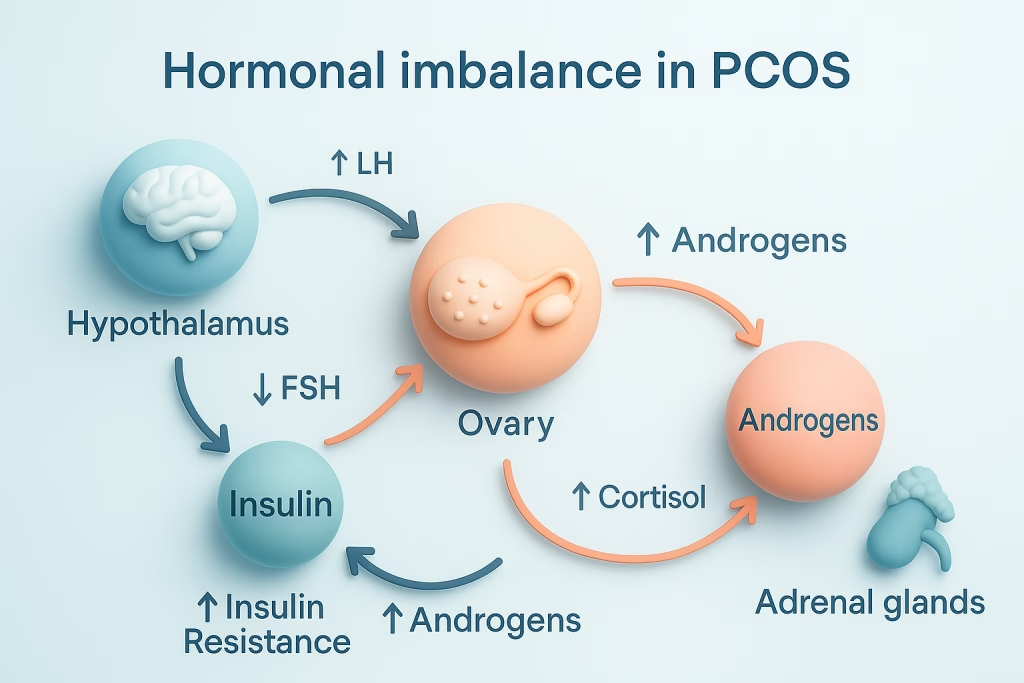
PCOS throws off several hormones at once, not just one. Androgens (male hormones) often run too high. Insulin can spike too. Cortisol, your stress hormone, may stay elevated for too long.
These imbalances don’t stay quiet. They show up as visible, everyday symptoms.
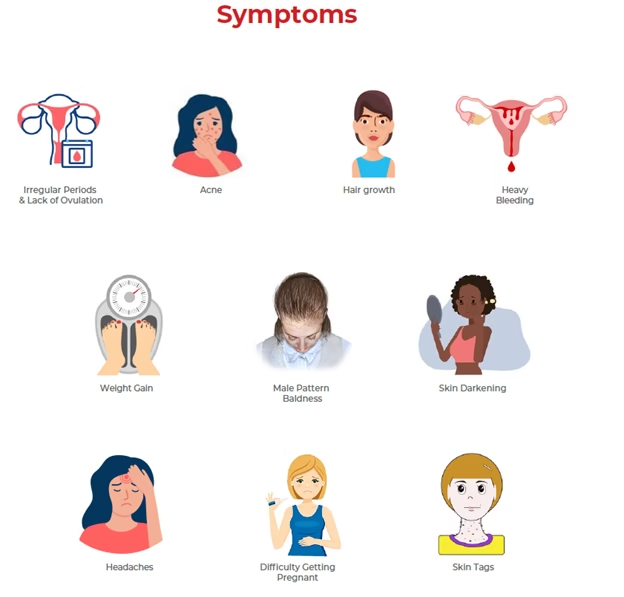
Common signs include:
- Irregular or missing periods
- Acne along the jawline or chin
- Unwanted hair growth on the face or body
- Hair thinning on the scalp
- Stubborn weight gain, especially around the belly
- Fatigue that doesn’t improve with rest
- Intense sugar cravings
Recognizing these signs is the first step. Once you know what’s driving them, you can target the right habits instead of guessing.
Why Diet Plays a Central Role
Food is one of the most powerful tools you have for PCOS. Every meal either helps stabilize insulin or sends it spiking. Since insulin and androgens are closely linked, your plate directly affects your hormone levels.
This doesn’t mean strict dieting or cutting out entire food groups. It means building meals that keep blood sugar steady throughout the day.
Build Balanced Plates
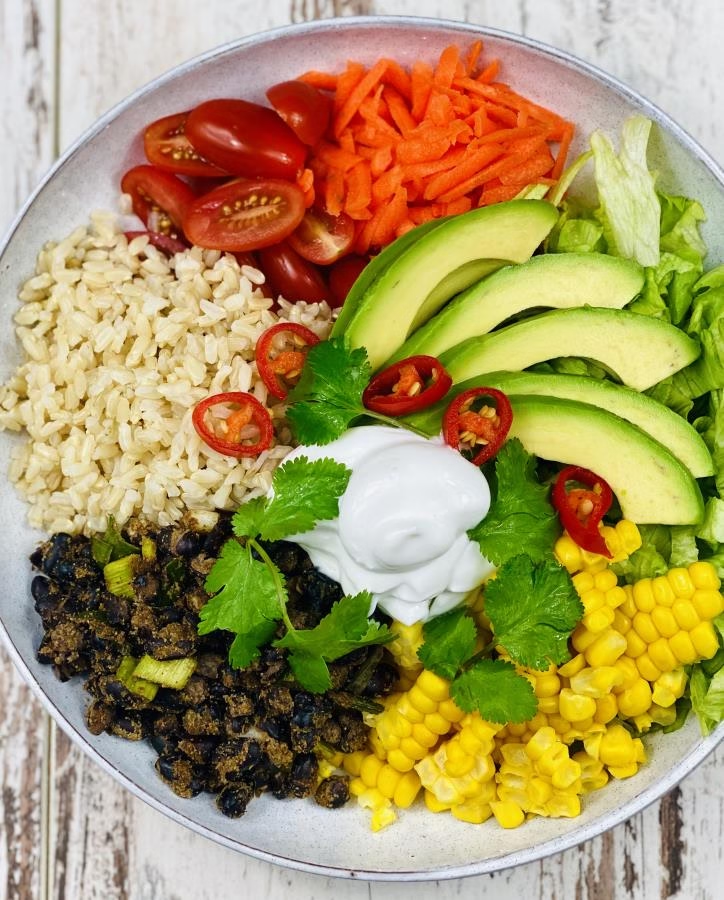
Aim to include protein, fiber, and healthy fat at every meal. This combination slows down sugar absorption. It keeps insulin from spiking after you eat.
A simple formula to remember:
- A palm-sized portion of protein (eggs, chicken, tofu, fish)
- A fist-sized portion of fiber-rich vegetables
- A thumb-sized portion of healthy fat (olive oil, avocado, nuts)
- A small portion of whole grains or starchy carbs
This formula works for almost any meal. It removes the guesswork and keeps your blood sugar calmer.
Don’t Skip Meals
Skipping meals can backfire with PCOS. Long gaps between meals often cause blood sugar dips. Your body then overcorrects with a bigger insulin spike later.
Eating every three to four hours helps keep things steady. It also curbs those intense cravings that hit in the afternoon or evening.
Best Foods for Hormone Balance
Certain foods actively support hormone health. Adding more of these to your week can make a noticeable difference over time.
- Leafy greens – spinach, kale, and arugula support liver detox pathways that help clear excess hormones
- Fatty fish – salmon and sardines provide omega-3s, which reduce inflammation
- Berries – lower in sugar than most fruits and rich in antioxidants
- Legumes – lentils and chickpeas offer fiber and plant protein together
- Nuts and seeds – flaxseed and pumpkin seeds support estrogen balance
- Fermented foods – yogurt and kimchi support gut bacteria, which influences hormone metabolism
- Cinnamon – some studies link it to better insulin sensitivity
You don’t need to eat all of these every day. Rotating a few into your regular meals is enough to start seeing benefits.
Foods That Can Work Against You
Some foods make hormonal symptoms worse. This isn’t about guilt or perfection. It’s about awareness, so you can make informed choices most of the time.
- Sugary drinks and desserts spike insulin quickly
- White bread, pasta, and other refined carbs act similarly to sugar
- Fried and heavily processed foods increase inflammation
- Excess dairy may worsen acne for some women with PCOS
- Alcohol can disrupt liver function and hormone clearance
You don’t have to eliminate these completely. Cutting back gradually tends to work better than an all-or-nothing approach. Sustainable habits beat short bursts of restriction every time.
Your PCOS Type Changes the Approach
PCOS isn’t one condition. It shows up differently depending on what’s driving it underneath. Knowing your type helps you focus on what actually works for your body.
Insulin-resistant PCOS is the most common form. Diet changes that stabilize blood sugar tend to help the most here. Inflammatory PCOS responds well to anti-inflammatory foods and gut support.
Adrenal PCOS behaves differently. Diet alone often isn’t enough. Stress management becomes the priority, since cortisol is the main driver.
Post-pill PCOS usually settles on its own within a few months. Supporting your body gently during that window still helps speed things along.
If you’re not sure which type applies to you, our complete PCOS guide breaks down all four types in detail. Matching your habits to your type saves time and frustration.
Building a Simple Weekly Routine
Big changes rarely stick. A simple weekly structure works better than an ambitious overhaul you abandon after two weeks.
Try this as a starting framework:
- Plan three balanced meals with protein, fiber, and fat
- Schedule two to three strength sessions
- Add a daily 15 to 20 minute walk
- Pick one stress practice, like breathing or journaling
- Set a consistent bedtime for the week
Review how you feel at the end of each week. Adjust one thing at a time instead of changing everything at once. This keeps the process manageable and realistic.
Exercise That Actually Helps
Movement changes how your cells respond to insulin. But with PCOS, the type of exercise matters more than you might expect.
Strength Training Wins
Resistance training builds muscle, and muscle improves insulin sensitivity. Even two to three sessions a week can shift how your body handles sugar.
You don’t need a gym membership. Bodyweight exercises, resistance bands, or light dumbbells at home all count.
Go Easy on Intense Cardio
Long, intense cardio sessions can raise cortisol in some women, especially those with adrenal-driven PCOS. This can backfire and worsen hormone imbalance.
Walking, yoga, swimming, or cycling at a moderate pace tend to work better. These support your hormones without adding extra stress to your system.
Move Daily, Not Just at the Gym
Consistency matters more than intensity. A 20-minute walk after meals helps regulate blood sugar. Small movement breaks throughout the day add up over time.
Sleep and Your Hormones
Poor sleep raises cortisol and worsens insulin resistance. It can also increase cravings the next day, creating a cycle that’s hard to break.
Try these habits for better sleep:
- Keep a consistent bedtime, even on weekends
- Avoid screens for 30 to 60 minutes before bed
- Keep your room cool and dark
- Limit caffeine after early afternoon
- Wind down with a calming routine, like reading or stretching
Aim for seven to nine hours most nights. Even improving sleep quality by an hour can support better hormone regulation.
Managing Stress the Right Way
Chronic stress keeps cortisol elevated, which can trigger excess androgen production. This is especially true for adrenal-related PCOS. Managing stress isn’t optional here. It’s part of the treatment plan.
You don’t need hours of meditation to see benefits. Short, consistent practices often work best.
- Try five minutes of deep breathing each morning
- Take short breaks during work to step outside
- Journal for a few minutes before bed
- Say no to commitments that drain your energy
- Spend time in nature when you can
The goal isn’t to eliminate stress completely. It’s to build small buffers that keep your nervous system from staying stuck in overdrive.
Natural Supplements Worth Considering
Several supplements have research behind them for supporting PCOS symptoms. Always check with your doctor before starting anything new, especially if you take other medications.
- Myo-inositol – supports insulin sensitivity and more regular ovulation
- Magnesium – helps regulate cortisol and supports better sleep
- Zinc – may help reduce excess androgen levels
- Spearmint tea – some studies show it can lower free testosterone
- Omega-3 fatty acids – help reduce inflammation throughout the body
Supplements work best alongside diet and lifestyle changes. They aren’t a replacement for the basics.
The Gut Health Connection
Your gut bacteria play a bigger role in hormone balance than most people realize. An unhealthy gut can increase inflammation and disrupt how your body processes hormones.
Supporting gut health doesn’t require anything complicated. Focus on fiber-rich foods, fermented foods, and staying hydrated. Limiting processed foods also helps your gut bacteria stay balanced.
Small, steady changes here often lead to noticeable improvements in energy, digestion, and skin over a few months.
Tracking Progress Without Obsessing
It helps to track a few simple markers instead of guessing whether changes are working. This keeps you motivated and shows real patterns over time.
Consider keeping a simple log of:
- Cycle length and regularity
- Energy levels through the day
- Skin changes, like acne or oiliness
- Sleep quality
- Cravings and hunger patterns
You don’t need a fancy app. A notes app or small notebook works fine. Check in weekly, not daily. Daily tracking can create unnecessary stress, which works against your hormone goals.
Look for trends over a month, not single days. Hormones fluctuate naturally, so one off day doesn’t mean something failed. Patterns over weeks tell the real story.
Hydration Matters More Than You Think
Water supports every hormone pathway in your body, including how your liver clears excess estrogen and androgens. Many women underestimate how much dehydration affects energy and cravings.
Aim for at least eight glasses of water daily, more if you exercise regularly. Herbal teas, like spearmint, count toward this total and offer additional benefits.
Try starting your morning with a glass of water before coffee. This simple habit supports digestion and helps regulate appetite hormones for the rest of the day.
When Natural Approaches Aren’t Enough
Natural strategies help most women manage symptoms. But PCOS looks different for everyone, and some cases need medical support too.
Talk to a doctor if you notice:
- Periods that stay irregular despite lifestyle changes
- Severe acne or hair loss
- Signs of insulin resistance, like dark skin patches
- Ongoing struggles with fertility
- Persistent low mood or anxiety
A doctor can run bloodwork, check your specific type of PCOS, and guide you toward the right combination of treatment. Natural methods and medical care work best together, not as an either-or choice.
Quick Questions People Ask
How long does it take to see results?
Most women notice small changes within 4 to 8 weeks. Bigger shifts, like more regular periods, often take 3 to 6 months.
Can I balance hormones without medication?
Many women manage symptoms well with lifestyle changes alone. Others need a mix of natural strategies and medical treatment. Both paths are valid.
Is weight loss necessary to balance hormones?
Not always. Even small improvements in diet and movement can help, regardless of the number on the scale. Lean women with PCOS benefit from these habits too.
Which change should I start with first?
Start with meals. Balanced eating affects insulin fastest, and steadier insulin supports every other hormone in the chain.
Final Thoughts
Learning how to balance hormones naturally PCOS takes patience. Your hormonal system didn’t become imbalanced overnight, and it won’t rebalance overnight either.
Start small. Pick one or two changes from this guide, whether that’s adding protein to breakfast or a short evening walk. Build from there, one habit at a time, and let each small win build your confidence for the next step.
Consistency beats perfection every time with PCOS. Give your body time, stay patient with the process, and celebrate small wins along the way, because every small win counts.
This article is for informational purposes only and does not replace medical advice. Always consult a healthcare provider for diagnosis and personalized treatment.
FAQs
How long does it take to balance hormones naturally with PCOS?
Most women notice small changes within 4 to 8 weeks. Bigger shifts, like more regular periods, often take 3 to 6 months.
Can diet alone fix PCOS hormonal imbalance?
Diet helps a lot, especially for insulin-resistant PCOS. But some women also need stress management, sleep support, or medical treatment alongside it.
What foods should I avoid with PCOS?
Limit sugary drinks, refined carbs, fried foods, and excess alcohol. These tend to spike insulin and worsen inflammation.
Is exercise necessary to balance PCOS hormones?
Yes, but the right type matters. Strength training and moderate movement help more than intense, long cardio sessions.
Do I need supplements to balance my hormones?
Not always. Supplements like myo-inositol or magnesium can help, but they work best alongside diet and lifestyle changes, not instead of them.