Acne is not a one-size-fits-all problem. Some people struggle with stubborn whiteheads and blackheads, others with painful inflammatory pimples, and many deal with lingering marks long after breakouts fade. Because acne shows up in different forms, choosing the right active ingredient matters more than choosing the strongest one.
Two of the most commonly recommended acne-fighting ingredients are salicylic acid and azelaic acid. Both are dermatologist-approved, both are widely available, and both can dramatically improve acne when used correctly. But they work in very different ways and are suited for different skin needs.
This detailed guide breaks down salicylic acid vs azelaic acid so you can decide which one truly works best for your skin type, acne severity, and long-term goals.
Understanding Acne Before Choosing an Acid
Before comparing ingredients, it helps to understand what actually causes acne.
Acne typically forms due to a combination of:
- Excess oil production
- Clogged pores from dead skin cells
- Acne-causing bacteria
- Inflammation
Different acids target different parts of this process. That’s why one person swears by salicylic acid for pimples, while another sees better azelaic acid before and after results.
What Is Salicylic Acid?
Salicylic acid is a beta hydroxy acid (BHA) derived from willow bark. It is oil-soluble, which allows it to penetrate deep into pores and dissolve the buildup that causes congestion.
Use of Salicylic Acid in Skincare
The primary use of salicylic acid is to:
- Unclog pores
- Reduce oil buildup
- Prevent future breakouts
- Calm mild inflammation
Because it works inside the pore lining, salicylic acid is especially effective for non-inflammatory acne.
Salicylic Acid for Whiteheads and Blackheads
Whiteheads and blackheads form when pores are clogged but not deeply inflamed. This is where salicylic acid excels.
Salicylic Acid for Whiteheads Works Because:
- It dissolves dead skin cells trapped inside pores
- It breaks down excess sebum
- It prevents pore congestion from forming again
People with oily or combination skin often see visible improvement within 2–4 weeks of consistent use.
Salicylic Acid for Pimples
Salicylic acid for pimples works best when pimples are:
- Small
- Mildly inflamed
- Surface-level
It is less effective for deep cystic acne but can reduce the frequency of breakouts when used preventively.
Pros and Cons of Salicylic Acid
Pros
- Ideal for oily and acne-prone skin
- Excellent for blackheads and whiteheads
- Helps control excess oil
- Widely available in cleansers, toners, and spot treatments
Cons
- Can cause dryness or peeling
- Not ideal for very sensitive or dry skin
- Overuse may disrupt the skin barrier
What Is Azelaic Acid?
Azelaic acid is a naturally occurring acid derived from grains like wheat and barley. Unlike salicylic acid, it is water-soluble and works mainly on the skin’s surface.
It is known for being gentle yet highly effective, especially for people dealing with acne plus pigmentation or redness.
Function of Azelaic Acid in Acne Treatment
The function of azelaic acid is multi-dimensional. It works by:
- Killing acne-causing bacteria
- Reducing inflammation
- Normalizing skin cell turnover
- Fading post-acne marks
This makes azelaic acid unique because it treats both active acne and acne aftermath.
Purpose of Azelaic Acid for Skin
The purpose of azelaic acid goes beyond acne control. It is commonly prescribed for:
This makes it an excellent long-term treatment for people who want clear and even-toned skin.
Azelaic Acid Uses Explained
Azelaic acid uses in dermatology include:
- Treating mild to moderate acne
- Reducing redness and swelling
- Preventing clogged pores
- Lightening dark spots after acne
- Improving skin texture over time
Unlike harsher acids, azelaic acid can be used daily with minimal irritation.
Azelaic Acid Before and After: What Results Look Like
Azelaic acid before and after results are often gradual but impressive.
Typical timeline:
- Week 2–4: Reduced redness and fewer inflamed pimples
- Week 6–8: Improved skin texture and tone
- Week 8–12: Visible fading of acne marks and pigmentation
Because it works gently, results take longer but are more sustainable.
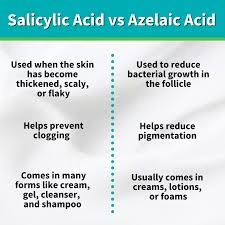
Salicylic Acid vs Azelaic Acid: Key Differences
-
How They Work
- Salicylic acid penetrates pores to clear oil and debris
- Azelaic acid works on the surface to reduce bacteria and inflammation
-
Best Acne Type
- Salicylic acid: whiteheads, blackheads, oily skin
- Azelaic acid: inflammatory acne, redness, acne marks
-
Skin Type Suitability
- Salicylic acid: oily, combination skin
- Azelaic acid: sensitive, dry, acne-prone skin
-
Irritation Potential
- Salicylic acid: moderate to high if overused
- Azelaic acid: low and well-tolerated
Which One Should You Choose?
Choose salicylic acid if:
- You have oily or acne-prone skin
- You struggle with whiteheads and blackheads
- Your pores clog easily
- You want fast pore-clearing action
Choose azelaic acid if:
- Your acne is inflamed or painful
- You have sensitive skin
- You struggle with post-acne marks
- You want long-term skin improvement
Can You Use Salicylic Acid and Azelaic Acid Together?
Yes, but with caution.
Safe ways to combine them:
- Salicylic acid cleanser in the morning
- Azelaic acid treatment at night
- Alternate days if skin is sensitive
Avoid layering both acids in the same routine unless advised by a dermatologist.
How to Use These Acids Safely
General Tips
- Always patch test
- Start with low concentrations
- Use sunscreen daily
- Moisturize consistently
Overuse of any acid can worsen acne instead of improving it.
Common Mistakes to Avoid
- Using acids too frequently
- Skipping moisturizer
- Ignoring sunscreen
- Expecting overnight results
- Mixing too many actives together
Consistency matters more than intensity.
Final Verdict: Salicylic Acid vs Azelaic Acid
There is no single “ultimate” acne fighter for everyone.
- Salicylic acid is ideal for clearing clogged pores and controlling oil.
- Azelaic acid is better for calming inflammation, reducing redness, and fading acne marks.
The best choice depends on your skin’s behavior, not trends or hype. Many people eventually use both at different stages of their acne journey.