If you have PCOS, you probably worry about getting pregnant. It’s one of the most common questions doctors hear. The good news? Pregnancy is very possible with PCOS. This guide walks you through your real chances, what affects them, and how to boost your odds naturally.
A Quick Update: PCOS Has a New Name
Before we dive in, here’s something important. PCOS is now officially called PMOS, or Polyendocrine Metabolic Ovarian Syndrome. Global health experts made this change in 2026 after a decade-long review process published in The Lancet.
Why the change? The old name focused too much on ovarian cysts. But many women with this condition don’t even have cysts. The new name better reflects what’s really happening. It’s a hormonal and metabolic condition, not just an ovarian one.
This article uses PCOS and PMOS interchangeably, since PCOS is still the more familiar term. Both refer to the same condition.
Understanding PCOS and Fertility
PCOS affects how your ovaries work. It often causes irregular or missed periods. This happens because ovulation doesn’t occur regularly, or at all some months.
Ovulation is when your ovary releases an egg. No egg, no natural pregnancy that month. This is the main reason PCOS makes conceiving harder.
But irregular ovulation doesn’t mean no ovulation. Many women with PCOS still ovulate, just less predictably. Understanding your own cycle is the first step toward pregnancy.
If you’re new to PCOS or want a fuller picture of symptoms, causes, and treatment options, check out our detailed guide on PCOS: Symptoms, Causes, and Treatment Options. It covers the basics this article builds on.
How Is PCOS Diagnosed?
Doctors usually look for at least two of three key signs. These include irregular periods, higher androgen levels, and ovarian cysts on ultrasound.
Blood tests check hormone levels, including testosterone and insulin. An ultrasound checks your ovaries for follicles, though cysts alone don’t confirm PCOS.
Getting a clear diagnosis helps you and your doctor build the right fertility plan. It also rules out other conditions with similar symptoms.
Read our complete guide on How PCOS is Diagnosed?
Why PCOS Affects Ovulation
PCOS involves higher levels of androgens, sometimes called male hormones. It also often involves insulin resistance. Both of these can disrupt the hormonal signals your ovaries need to release eggs.
Higher insulin levels can push your ovaries to produce more androgens. This creates a cycle that makes regular ovulation difficult. Managing insulin levels often helps restore more regular cycles.
Do All Women With PCOS Have Fertility Issues?
No, not every woman with PCOS struggles to conceive. Some women ovulate regularly despite having the condition. Others notice irregular cycles only during certain periods of life.
PCOS shows up differently in each person. Some have very irregular periods. Others have mostly regular cycles with other symptoms, like acne or excess hair growth.
This is why doctors look at your specific symptoms, not just a general PCOS label. Two women with the same diagnosis can have very different fertility experiences.
Different Types of PCOS and What They Mean for You
Doctors often describe a few common patterns of PCOS. Knowing your pattern can help you understand your fertility picture better.
- Insulin-resistant PCOS – linked to blood sugar issues and weight changes
- Inflammatory PCOS – linked to chronic low-grade inflammation
- Post-pill PCOS – symptoms that appear after stopping birth control
- Adrenal PCOS – linked to stress hormones rather than insulin
Each type may respond differently to lifestyle changes or medication. A doctor can help identify which pattern fits you best.
What Are Your Real Chances of Getting Pregnant Naturally?
Here’s the honest answer: most women with PCOS can get pregnant naturally, especially with some support. It may take longer than average, but it’s far from impossible.
Studies show many women with PCOS conceive within a year or two of trying, particularly with lifestyle changes or mild medical support. Fertility specialists often see high success rates once ovulation becomes more regular.
Age plays a big role too. Women under 35 with PCOS generally have better natural conception odds than older women. Every case is different, so working with your doctor gives you the clearest picture.
Factors That Affect Your Odds
- Your age and ovarian reserve
- How often you ovulate naturally
- Your weight and metabolic health
- Insulin resistance levels
- Any additional fertility factors, like partner’s sperm health
Common Myths About PCOS and Pregnancy
Misinformation about PCOS spreads fast, and it often adds unnecessary worry. Let’s clear up a few common myths.
- Myth: PCOS means you can never get pregnant naturally. Most women with PCOS can conceive without IVF.
- Myth: You need to lose a huge amount of weight first. Even small weight changes can restart ovulation.
- Myth: Irregular periods mean zero ovulation. Many women with irregular cycles still ovulate occasionally.
- Myth: PCOS pregnancies are always high risk. Many women with PCOS have healthy, uneventful pregnancies with proper care.
Believing these myths can add stress you don’t need. Talk to your doctor for accurate, personalized information instead.
How Do Success Rates Compare Across Approaches?
Every woman’s case looks different, but general patterns can help set expectations. These numbers vary by clinic and individual health factors.
- Lifestyle changes alone often restore ovulation in many over-weight women with PCOS
- Ovulation-inducing medication helps a large share of women ovulate within a few cycles
- Combining medication with lifestyle changes often improves outcomes further
- IUI and IVF offer additional options if simpler methods don’t lead to pregnancy
These are general trends, not guarantees. Your doctor can give you numbers based on your specific health profile.
Does Your Partner’s Health Matter Too?
Fertility isn’t only about you. Your partner’s sperm health also plays a role in how quickly you conceive.
If you’ve been trying for a while without success, suggest a semen analysis. This simple test rules out other factors that might be slowing things down.
Addressing both partners’ health together often leads to faster results. Fertility is almost always a two-person equation.
Natural Ways to Improve Your Fertility With PCOS
You have more control than you might think. Small, consistent changes can make a real difference in your ovulation and overall hormone balance.
-
Manage Your Weight
Losing even 5 to 10 percent of body weight can restart ovulation for many women. This works by improving insulin sensitivity and lowering androgen levels.
You don’t need drastic diets. Small, sustainable changes work better long term. Talk to a doctor or dietitian about a realistic plan for you.
-
Eat for Hormone Balance
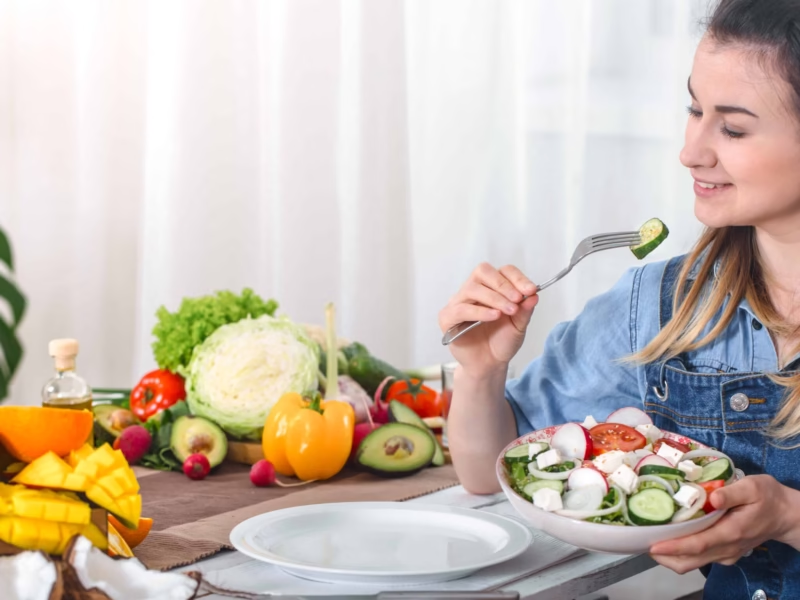
Focus on whole foods, fiber, and lean protein. Cut back on refined sugar and processed carbs where you can. This helps stabilize insulin and blood sugar levels.
Some women find a lower-glycemic diet helps regulate their cycles. Foods like leafy greens, whole grains, and healthy fats support this approach.
To add more of:
- Leafy greens like spinach and kale
- Whole grains like quinoa and oats
- Lean proteins like chicken, fish, and beans
- Healthy fats like avocado, nuts, and olive oil
- High-fiber fruits like berries and apples
To limit:
- Sugary drinks and desserts
- White bread and refined pasta
- Fried and highly processed foods
- Excess caffeine and alcohol
Small swaps, like whole grain bread instead of white, add up fast. You don’t have to overhaul everything overnight.
-
Move Your Body Regularly
Exercise improves insulin sensitivity, even without major weight loss. Aim for a mix of cardio and strength training a few times a week.
You don’t need intense workouts. Walking, swimming, or yoga all count. Consistency matters more than intensity here.
-
Track Your Ovulation
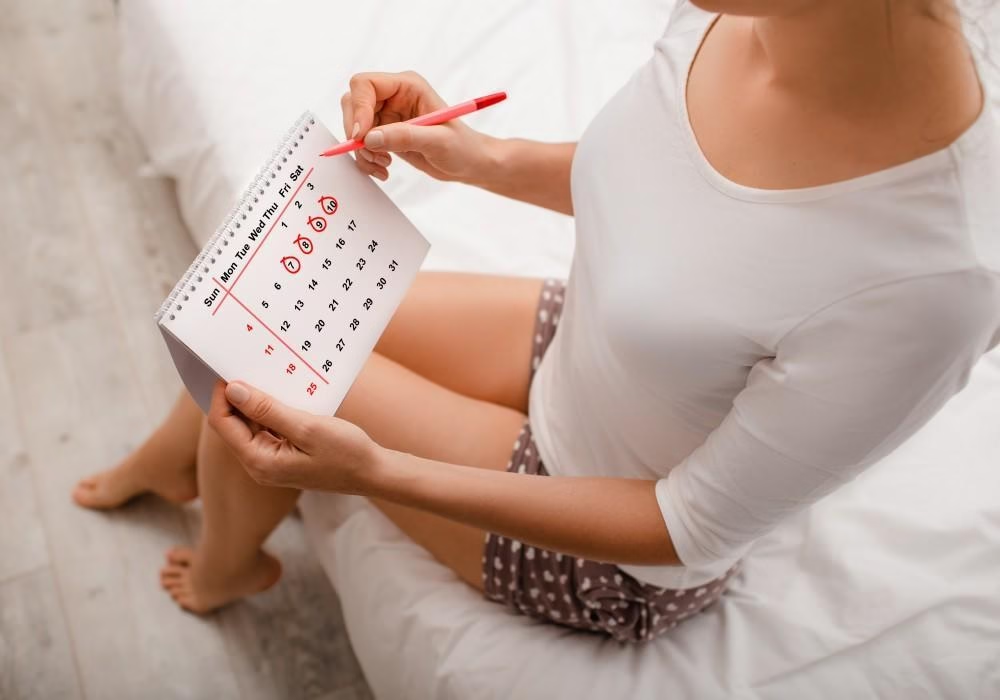
Since cycles can be irregular, tracking helps you find your fertile window. Ovulation predictor kits, basal body temperature, or cervical mucus tracking all help.
Apps designed for irregular cycles can also make this easier. This information helps you time intercourse for the best chance each month.
-
Manage Stress and Sleep
Chronic stress affects your hormones, including those tied to ovulation. Poor sleep also worsens insulin resistance over time.
Simple habits like a consistent sleep schedule or short daily relaxation practices can help. Small changes add up over months.
Try setting a fixed bedtime, even on weekends. Limit screens an hour before sleep if you can. These small shifts support better hormone regulation over time.
-
Consider Supplements With Guidance
Some women explore supplements like inositol, vitamin D, or omega-3s for PCOS support. Research suggests these may help with insulin sensitivity and cycle regularity.
Always check with your doctor before starting any supplement. Not every supplement suits every body, and dosage matters a lot.
Supplements work best alongside diet and lifestyle changes, not as a replacement for them. Think of them as one extra tool in your toolkit.
When to See a Fertility Specialist
Give natural methods time, but don’t wait too long if nothing changes. See a doctor if:
- You’re under 35 and haven’t conceived after a year of trying
- You’re over 35 and haven’t conceived after six months
- Your periods are absent or extremely irregular
- You’ve already tried lifestyle changes without success
A fertility specialist can check ovulation, hormone levels, and other factors. They can also discuss options like ovulation-inducing medication if needed.
Medical Options That Support Natural Conception
Some women need a little extra help alongside lifestyle changes. This doesn’t mean giving up on natural conception entirely.
- Medication to help trigger regular ovulation
- Insulin-sensitizing medication for those with insulin resistance
- Monitoring cycles with your doctor for better timing
These options often work alongside natural methods, not instead of them. Many women use both together for the best results.
What if Natural Methods and Basic Medication Don’t Work?
If ovulation-inducing medication doesn’t lead to pregnancy, don’t lose hope. Doctors have several next steps to explore.
- Intrauterine insemination (IUI) paired with ovulation medication
- Further hormone testing to rule out other issues
- Referral to a reproductive endocrinologist for a deeper evaluation
- IVF, if other options haven’t worked after a reasonable trial period
Most women don’t need to jump straight to advanced treatments. But knowing your options in advance can ease anxiety if you do.
The Emotional Side of Trying to Conceive With PCOS
Trying to conceive with PCOS can feel stressful and uncertain. It’s normal to feel frustrated, especially with irregular cycles.
Give yourself grace during this process. Connect with support groups or a counselor if the emotional weight feels heavy. You’re not alone in this journey, and many women with PCOS go on to have healthy pregnancies.
Tips for Coping Along the Way
- Set boundaries with unsolicited advice from friends or family
- Celebrate small wins, like a more regular cycle
- Take breaks from tracking apps if they add stress
- Lean on your partner or a trusted friend for support
- Remember that timelines look different for everyone
There’s no single “right” way to feel during this process. Be patient with yourself as much as with your body.
Final Thoughts
PCOS, now known as PMOS, doesn’t mean pregnancy is out of reach. Many women conceive naturally with the right support and lifestyle changes. Patience, tracking, and a good care team make a real difference.
If you’re struggling, don’t hesitate to reach out to a fertility specialist. The sooner you understand your body, the sooner you can plan your next steps with confidence.
FAQs
-
Can you get pregnant naturally with PCOS?
Yes. Many women with PCOS conceive naturally, especially with lifestyle changes and regular ovulation tracking.
-
What is PMOS?
PMOS stands for Polyendocrine Metabolic Ovarian Syndrome. It’s the new official name for PCOS, updated in 2026.
-
How long does it take to get pregnant with PCOS?
It varies. Some women conceive within months, others take a year or two with support.
-
Does weight loss help PCOS fertility?
Yes. Losing even 5 to 10 percent of body weight can help restore regular ovulation for many women.
-
When should I see a fertility specialist for PCOS?
See a specialist if you’re under 35 and haven’t conceived in a year, or over 35 after six months.