Trying to conceive can feel like a full-time job. You track cycles, read every article, and wonder if you are doing enough.
Here is some good news. What you put on your plate matters, and it is one of the easiest things you can change today.
No single food will guarantee a pregnancy. But a balanced, colorful diet can support your hormones, your eggs, and your overall health.
In this post, we cover the best foods to eat to improve fertility naturally. We keep it simple, practical, and free of fads.
This guide works alongside our complete female fertility guide. That pillar post covers the full picture, from ovulation to lifestyle. Here, we zoom in on food.
How Food Affects Your Eggs and Hormones
Your eggs are some of the oldest cells in your body. They need steady nutrients to mature well.
Food also shapes your hormones. Blood sugar swings, inflammation, and nutrient gaps can all affect ovulation.
What Research Tells Us
Studies link eating patterns to fertility. Diets rich in vegetables, fruits, whole grains, and healthy fats show the most promise.
The Mediterranean style of eating comes up often in this research. It focuses on whole foods and plenty of plants.
Keep one thing in mind. Food supports fertility, but it cannot fix every cause. Age, medical conditions, and partner factors also play a role.
Think Pattern, Not Perfection
You do not need a perfect diet. One slice of cake will not ruin your chances.
Focus on what you eat most of the time. Small, steady habits beat strict rules.
Leafy Greens: Your Folate Heroes
Folate is a B vitamin that helps cells grow and divide. It matters before and during early pregnancy.
Leafy greens are packed with it. They also give you iron, fiber, and vitamin K.
Greens to Try
- Spinach
- Kale
- Swiss chard
- Romaine lettuce
- Arugula
- Broccoli
Easy Ways to Eat More
- Toss a handful of spinach into your morning eggs.
- Blend greens into a fruit smoothie.
- Add kale to soups and stews.
- Swap white rice for sautéed greens now and then.
A Note on Folic Acid
Food is great, but most doctors also suggest a folic acid supplement. The usual advice is 400 micrograms daily when you plan to conceive.
Ask your doctor what dose fits you. Some people need more.
Healthy Fats for Hormone Support
Your body uses fat to make hormones. So cutting all fat is a bad idea when you want to conceive.
The key is choosing the right kinds.
Omega-3 Rich Foods
Omega-3 fats help calm inflammation. They may also support egg quality and a healthy cycle.
Good sources include:
- Salmon
- Sardines
- Walnuts
- Chia seeds
- Flaxseeds
Mercury Matters
Some fish carry high mercury levels. Mercury is not good for a developing baby.
Choose low-mercury options like salmon, sardines, trout, and shrimp. Limit shark, swordfish, king mackerel, and tilefish.
Everyday Healthy Fats
- Olive oil
- Avocado
- Nuts and nut butters
- Seeds
Drizzle olive oil on salads. Spread avocado on toast. Snack on a small handful of almonds.
Colorful Fruits and Veggies for Antioxidants
Your eggs face daily wear from something called oxidative stress. Antioxidants help protect cells from that damage.
Colorful produce is full of them. The more variety you eat, the more nutrients you get.
Fruits to Add
- Berries, such as blueberries and strawberries
- Oranges and other citrus
- Pomegranate
- Kiwi
- Cherries
Veggies to Add
- Bell peppers
- Carrots
- Sweet potatoes
- Tomatoes
- Beets
A Simple Color Rule
Try to eat three or more colors at each meal. It is an easy trick that needs no counting.
Frozen fruits and veggies count too. They are cheap, they last longer, and they keep most of their nutrients.
Whole Grains and Slow Carbs
Carbs are not the enemy. The type of carb is what counts.
Refined carbs, like white bread and sweet pastries, spike blood sugar fast. Big spikes can disrupt hormones, especially if you have PCOS or insulin resistance.
Better Carb Choices
- Oats
- Quinoa
- Brown rice
- Whole wheat bread
- Barley
- Lentils and beans
These foods digest slowly. They keep your energy steady and keep you full longer.
How to Swap
- Choose oatmeal instead of sugary cereal.
- Pick brown rice over white rice.
- Choose whole grain bread for sandwiches.
- Add beans to your salads and soups.
Protein: Mix Plants and Animals
Protein supports every cell in your body. It also helps you stay balanced between meals.
Some research suggests that getting more protein from plants may support ovulation. You do not need to go fully vegetarian, though.
Plant Protein Picks
- Lentils
- Chickpeas
- Black beans
- Tofu
- Edamame
- Quinoa
Animal Protein Picks
- Eggs
- Fish
- Chicken
- Greek yogurt
A Balanced Plate
Try filling about a quarter of your plate with protein. Fill half with veggies, and the rest with whole grains.
Eggs are a great pick. They offer protein, choline, and several vitamins in one small package.
Iron-Rich Foods
Low iron can affect ovulation in some women. It is also a common gap, especially if you have heavy periods.
Plant-based iron is gentler than many people think. Pairing it with vitamin C helps your body absorb it.
Iron Sources
- Lentils
- Spinach
- Pumpkin seeds
- Tofu
- Fortified cereals
- Lean red meat in moderation
Smart Pairing Ideas
- Lentil soup with a squeeze of lemon
- Spinach salad with orange slices
- Fortified oatmeal with strawberries
Do not start iron pills on your own. Too much iron can cause problems. Ask your doctor to check your levels first.
Dairy and Calcium-Rich Choices
Some studies hint that full-fat dairy may be friendlier to ovulation than low-fat versions. The evidence is not strong, though.
You can enjoy dairy in moderation if it suits you.
Good Options
- Plain Greek yogurt
- Kefir
- Milk
- Cheese in small portions
If You Skip Dairy
Many plant foods offer calcium too. Try fortified plant milks, tofu, almonds, and leafy greens.
Choose plain yogurt over sweetened types. Sweeten it yourself with berries or a drizzle of honey.
Vitamin D, Zinc, and Other Key Nutrients
Some nutrients play a quiet but important role. Let’s look at a few.
Vitamin D
Vitamin D supports hormone balance. Many people run low, especially with little sun.
Food sources include fatty fish, egg yolks, and fortified milk. A blood test can show if you need a supplement.
Zinc
Zinc supports egg development and ovulation. You can find it in pumpkin seeds, chickpeas, cashews, and oysters.
Choline and B Vitamins
Eggs, beans, and whole grains deliver these nutrients. They help your body build and repair cells.
Eating for PCOS and Irregular Cycles
PCOS is a common cause of irregular ovulation. Many women with PCOS also deal with insulin resistance.
Food can help here. The goal is steady blood sugar, which supports more regular hormone signals.
Helpful Habits for PCOS
- Pair carbs with protein or fat to slow digestion
- Choose high-fiber foods like beans, oats, and veggies
- Eat regular meals instead of skipping them
- Add cinnamon to oatmeal or yogurt for flavor without sugar
Go Easy on Extremes
Crash diets can backfire. Very low calorie plans may even stop ovulation.
Work with your doctor or a dietitian. They can build a plan that fits your body and your labs.
Your Partner’s Plate Counts Too
Fertility is a team effort. Sperm health also reflects diet, and sperm take about three months to develop.
That means your partner has time to make real changes.
Foods That Support Sperm Health
- Walnuts and other nuts
- Fatty fish like salmon
- Fruits and veggies
- Whole grains
- Zinc-rich foods such as pumpkin seeds and beans
Things to Cut Back
- Processed meats
- Sugary drinks
- Heavy alcohol use
Cook and eat together when you can. It is easier to stick with a plan when you share it.
Common Myths About Fertility Foods
The internet is full of miracle claims. Let’s clear up a few.
Myth: One Superfood Can Fix Everything
No pineapple core, pomegranate juice, or special tea will guarantee a pregnancy. Be careful with any site that promises that.
Myth: You Must Go Gluten-Free or Dairy-Free
Unless you have a medical reason, cutting whole food groups is not needed. It may even leave nutrient gaps.
Myth: Expensive Supplements Beat Real Food
Supplements can help in some cases. But they work best on top of a balanced diet, not in place of one.
Myth: Diet Can Reverse Age
Food cannot turn back the clock on egg quantity. It can support the health of the eggs you have.
Many lists claim to share the best foods to eat to improve fertility naturally, yet they overpromise. Look for advice that is honest about limits.
Eating Well on a Budget
Healthy eating does not need fancy products. Many fertility-friendly foods are cheap.
Wallet-Friendly Picks
- Canned beans and lentils
- Frozen berries and veggies
- Oats
- Eggs
- Canned salmon or sardines
- Bananas and seasonal fruit
Money-Saving Tips
- Buy staples in bulk.
- Choose seasonal produce.
- Cook big batches and freeze leftovers.
- Plan meals around what is on sale.
You do not need organic everything. Washing produce well is enough for most people.
Foods and Drinks to Limit
Knowing what to cut back is as helpful as knowing what to add. You do not need to avoid these forever. Just go easy.
Foods to Limit
- Trans fats in fried and packaged snacks
- Sugary drinks like soda and sweet tea
- Heavily processed meats
- Refined sweets and white flour products
Alcohol and Caffeine
Heavy drinking can hurt fertility. Many doctors suggest limiting or avoiding alcohol when you try to conceive.
Caffeine is fine in small amounts. Most experts suggest staying under 200 milligrams a day. That is about one regular cup of coffee.
Why This Matters
These items can raise inflammation and blood sugar. Over time, that may affect your cycle.
A Sample Day of Fertility-Friendly Eating
Ideas are great, but a real plan helps more. Here is a simple day you can adapt.
Breakfast
Oatmeal topped with blueberries, walnuts, and chia seeds. Add a boiled egg on the side.
Lunch
A big salad with spinach, chickpeas, avocado, and bell peppers. Dress it with olive oil and lemon.
Snack
Plain Greek yogurt with berries. Or an apple with almond butter.
Dinner
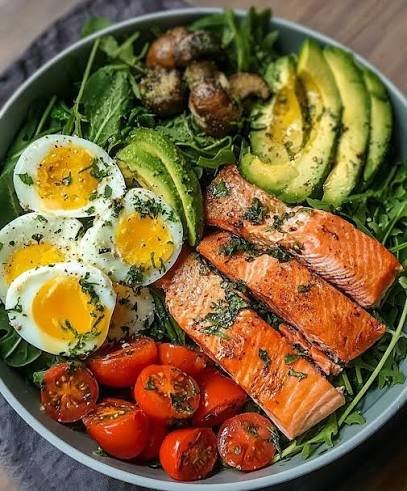
Baked salmon with roasted sweet potato and steamed broccoli.
Hydration
Drink water through the day. Herbal tea is a nice option too.
Simple Habits That Make It Stick
Knowing the best foods to eat to improve fertility naturally is only half the job. Healthy eating gets easier when you build routines. Here are a few ideas.
- Plan meals weekly. A short list saves time and money.
- Prep in batches. Cook a pot of beans or grains on Sunday.
- Keep snacks handy. Stock nuts, fruit, and yogurt.
- Read labels. Watch for added sugar and trans fats.
- Eat slowly. It helps digestion and helps you notice fullness.
Do not stress about every bite. Stress itself can affect your cycle.
Food Is One Piece of the Puzzle
Diet helps, but fertility has many parts. Sleep, stress, exercise, and weight all matter.
Medical factors matter too. Conditions like PCOS, endometriosis, and thyroid problems often need a doctor’s care.
When to See a Doctor
Consider booking a visit if:
- You are under 35 and have tried for a year without success
- You are 35 or older and have tried for six months
- Your periods are very irregular or absent
- You have pain, or a known condition like PCOS
Our female fertility guide explains these steps in more detail. It also covers tracking ovulation and other lifestyle habits.
Final Thoughts
Eating well will not promise a baby. But it can help your body feel ready, and it is a step you control.
Focus on whole foods, colorful plants, healthy fats, and steady meals. Those are the best foods to eat to improve fertility naturally. They are good for you at any stage of life.
Start small. Add one new healthy food this week, then build from there.
Remember, this post offers general information, not medical advice. Talk to your doctor before you change your diet or start supplements.
Ready to learn more? Read our full female fertility guide and take the next step with confidence.
FAQs
Can food really improve fertility?
Food can support your hormones and egg health. It cannot guarantee pregnancy, since age and medical factors also matter.
What is the single best food for fertility?
No single food does it all. A varied diet with greens, healthy fats, whole grains, and protein works better.
Should I take folic acid while trying to conceive?
Most doctors suggest 400 micrograms daily when you plan to conceive. Ask your doctor what dose suits you.
Is coffee okay when trying to conceive?
Small amounts are usually fine. Many experts suggest staying under 200 milligrams of caffeine a day.
Does diet help with PCOS and irregular cycles?
It can help. Steady blood sugar, high-fiber foods, and regular meals support more balanced hormones. Work with your doctor too.
Do I need to avoid dairy or gluten?
Not unless you have a medical reason. Cutting whole food groups can leave nutrient gaps.
How long before food changes show an effect?
Eggs mature over about three months. Many experts suggest giving new habits at least that long.
Does my partner’s diet matter?
Yes. Sperm health also reflects diet, so shared healthy habits can help both of you.