If you have PCOS, you probably have a long list of questions. The biggest one is often about the future. Will you be able to have a baby? And will it get harder as time goes on?
Many women search for answers late at night, so let’s talk honestly. In this post, we’ll answer one common worry: does PCOS affect fertility long term? You’ll learn what PCOS does to your cycle, how age plays a role, and which steps help most.
Here’s the short version. PCOS can make it harder to get pregnant. But it rarely means you can’t. Most women with PCOS conceive with the right support.
This article is part of our bigger series on conception. For the full picture, read our complete female fertility guide. Think of this post as a close-up on one topic.
What PCOS Does Inside Your Body
Polycystic ovary syndrome, or PCOS, is a hormone condition. It affects roughly 8 to 13 percent of women in their childbearing years. Many of them don’t know they have it.
With PCOS, your body makes more androgens than usual. Androgens are often called “male” hormones. Every woman has a small amount. Too much can throw your whole cycle off.
Your ovaries play a part too. They may hold many tiny follicles. A follicle is a small sac that holds an egg. In PCOS, these follicles often stall and never release the egg.
Doctors usually diagnose PCOS when you have two of these three signs:
- Irregular or missing periods
- High androgen levels, or signs like acne and extra facial hair
- Polycystic-looking ovaries on an ultrasound
Here’s something that surprises people. You don’t need “cysts” to have PCOS. The name is a bit misleading. Those small follicles aren’t harmful cysts. They’re just eggs that didn’t finish growing.
How PCOS Makes Conception Harder
Think of ovulation as a monthly handoff. Your brain sends a signal. Your ovaries respond and release an egg. PCOS disrupts that handoff in a few different ways.
Irregular or Missing Ovulation
This is the biggest hurdle. No ovulation means no egg to meet the sperm. Some women with PCOS ovulate only a few times a year. Others ovulate now and then with no clear pattern.
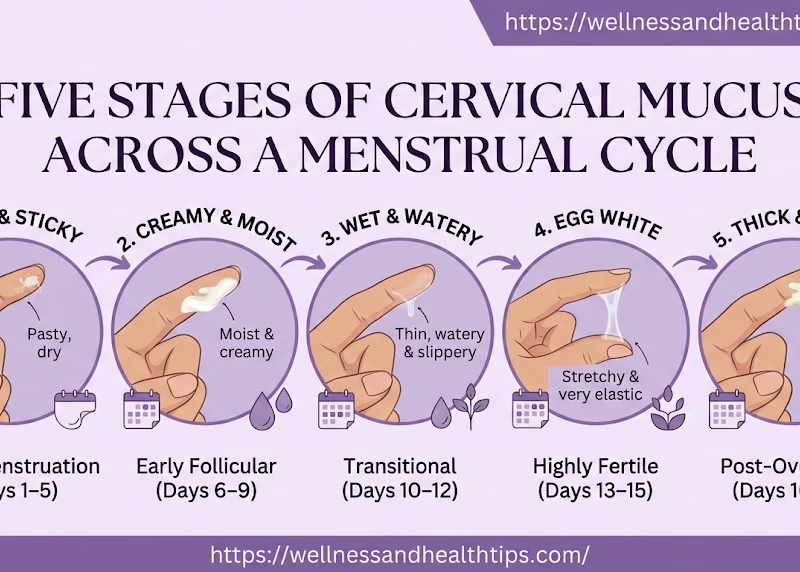
That makes timing tough. Your period might show up every 45 days. Or every 90. Counting days to guess your fertile window rarely works. If you’re new to tracking, our female fertility guide explains the basics.
High Androgen Levels
Extra androgens can stop follicles from maturing. They can also affect the lining of your uterus. A healthy lining helps an embryo settle in. When hormones are off balance, that lining may not build up the way it should.
Insulin Resistance
Many women with PCOS have insulin resistance. Your body makes insulin, but your cells don’t respond well. So your body makes even more.
High insulin tells the ovaries to produce more androgens. That creates a loop that’s hard to break. Insulin resistance can happen at any weight. Extra weight can make it worse, though.
Egg Quality and Inflammation
Some research suggests PCOS may affect egg quality. Low-grade inflammation may also play a role. The science here is still growing. The good news is that healthy habits can help on both fronts.
Does PCOS Affect Fertility Long Term?
Here’s the honest answer. PCOS is a lifelong condition. But lifelong doesn’t mean permanent infertility. Your fertility can shift as your hormones, weight, and age change.
The Good News
PCOS doesn’t destroy your ability to get pregnant. It makes ovulation unreliable. In many cases, doctors can restore regular ovulation with treatment.
Studies show most women with PCOS go on to have children. It may take more time. It may take some medical help. But the door is far from closed.
Age Still Matters
Here’s a twist. Women with PCOS often have more eggs than average. Their egg supply may last longer, which is a real bonus.
Still, egg quality and numbers decline with age. That’s true for everyone. So the clock keeps ticking for you too.
When people ask, does PCOS affect fertility long term, age is a big part of the answer. PCOS can slow things down. Waiting can slow them down even more. If you’re over 35, don’t put off getting help.
How Symptoms Can Change Over Time
Some women notice more regular cycles in their late 30s and 40s. Androgen levels often drop with age. That can help ovulation.
Don’t count on this, though. It doesn’t happen for everyone. It’s also not a good reason to delay your plans.
PCOS, Pregnancy, and Your Health
PCOS can also affect how a pregnancy goes. Not every woman faces these issues. But it helps to know what to watch for.
- Gestational diabetes, which is high blood sugar during pregnancy
- High blood pressure and preeclampsia
- A higher chance of miscarriage in some women
- Preterm birth
Don’t let this list scare you. Most women with PCOS have healthy pregnancies. Early prenatal care makes a big difference. Your doctor can monitor your blood sugar and blood pressure closely.
PCOS also links to long-term health risks. These include type 2 diabetes, heart disease, and sleep apnea. So the care you get now helps beyond pregnancy too.
Signs PCOS May Be Affecting Your Fertility
Not sure if PCOS is getting in your way? Watch for these signs:
- Periods that come less than 21 days or more than 35 days apart
- Fewer than eight periods a year
- Months with no period at all
- Trying for a year or more with no pregnancy
- Acne, thinning scalp hair, or extra hair on your face or body
- Stubborn weight gain around the belly
One sign alone doesn’t confirm anything. But several together deserve a chat with your doctor.
Treatment Options That Can Help
The right plan depends on your age, health, and goals. Most women start with simple steps. Then they move on to medical options if needed.
Lifestyle Changes
Small changes can have a big effect. If you carry extra weight, losing 5 to 10 percent of it may restore ovulation for some women. That’s a modest goal.
Skip crash diets. They stress your body and often backfire. Try these gentler steps instead:
- Eat balanced meals with protein, fiber, and healthy fats
- Move your body most days, even with a daily walk
- Sleep seven to nine hours each night
- Find a stress outlet you actually enjoy
Ovulation Medications
Doctors often prescribe letrozole first. It helps your ovaries release an egg. Clomiphene is another common choice. Some women also take metformin, which improves how your body uses insulin.
If pills don’t work, injectable hormones are the next step. They need close monitoring. That’s because they can cause too many eggs to mature at once.
IUI and IVF
Intrauterine insemination, or IUI, places sperm directly in your uterus. It’s often paired with ovulation medication. In vitro fertilization, or IVF, is another option. It can work very well for women with PCOS.
Women with PCOS can respond strongly to IVF drugs. Your clinic will adjust your dose to lower the risk of overstimulation.
Ovarian Drilling
This is a small surgery. A surgeon makes tiny holes in the ovary surface. It can trigger ovulation in some women. Doctors usually save it for cases where medication hasn’t worked.
When to See a Doctor
Don’t wait for a crisis. Here’s a simple guide:
- Under 35: See a doctor after 12 months of trying.
- 35 to 39: Go after six months of trying.
- 40 and older: Go right away.
- Known PCOS: Talk to your doctor before you start trying.
A preconception visit can save you months. Your doctor can check your hormones, blood sugar, and thyroid. They can also review any medicines you take.
For a wider look at what your doctor may test, check our female fertility guide.
Everyday Habits That Support Fertility
You can’t cure PCOS. But you can give your body a better shot. Try these habits:
- Eat more whole foods and fewer sugary, processed snacks.
- Pair carbs with protein to keep blood sugar steady.
- Stay active, and mix walking with some strength training.
- Take a prenatal vitamin with folic acid before you conceive.
- Cut back on alcohol and quit smoking.
- Track your cycle with an app or ovulation test kits.
- Manage stress with rest, hobbies, or time outdoors.
Pick one or two to start. You don’t have to change everything overnight.
Common PCOS Fertility Myths
Let’s clear up a few things you may have heard:
- “PCOS means you can’t get pregnant.” Not true. Many women conceive naturally.
- “Only overweight women get PCOS.” Women of every size can have it.
- “Birth control cures PCOS.” It manages symptoms. It doesn’t fix the cause.
- “You need cysts to have PCOS.” You don’t. Diagnosis depends on your overall pattern.
Final Thoughts
So, does PCOS affect fertility long term? It can make ovulation harder for years. But with the right care, many women still build the family they want. Age, health, and early support all matter.
You’re not alone in this. Start with small steps, and talk to your doctor early. For more tips on boosting your chances, explore our female fertility guide.
Note: This article is for general information. It isn’t medical advice. Please talk to your healthcare provider about your own situation.
FAQs
Can I get pregnant naturally with PCOS?
Yes, many women do. You may ovulate only some months, so it can take longer. Tracking your cycle can help you time things better.
Does PCOS get worse with age?
Not always. Some women find their cycles get more regular in their late 30s. Egg quality still declines with age, though.
Can PCOS cause miscarriage?
Some studies link PCOS to a higher risk. Insulin resistance and hormone changes may play a role. Good prenatal care can lower the risk.
What is the first treatment for PCOS-related infertility?
Doctors often start with lifestyle changes. Letrozole is a common first medicine to trigger ovulation. Your doctor will tailor the plan to you.
Do I need IVF if I have PCOS?
Not always. Many women conceive with lifestyle changes or ovulation pills. IVF is an option if other treatments don’t work.
How long should I try before seeing a doctor?
If you have PCOS, talk to a doctor before you start trying. Otherwise, see one after 12 months if you’re under 35. See one after six months if you’re 35 or older.