You track your cycle, count the days, and still feel unsure. Timing sex around ovulation can feel like a guessing game. Ovulation tests promise to take away some of that stress. They claim to show your most fertile days in just a few minutes. But are ovulation predictor kits accurate enough to trust when you want to get pregnant?
The short answer is yes, for most people. They work well when you use them the right way. They also have limits, and some health conditions can throw off your results.
This post is part of our fertility series. For the full picture, read our female fertility guide on boosting your chances of conceiving. Here, we zoom in on one tool. You will learn how it works, how reliable it is, and how to get better results.
What Is an Ovulation Predictor Kit?
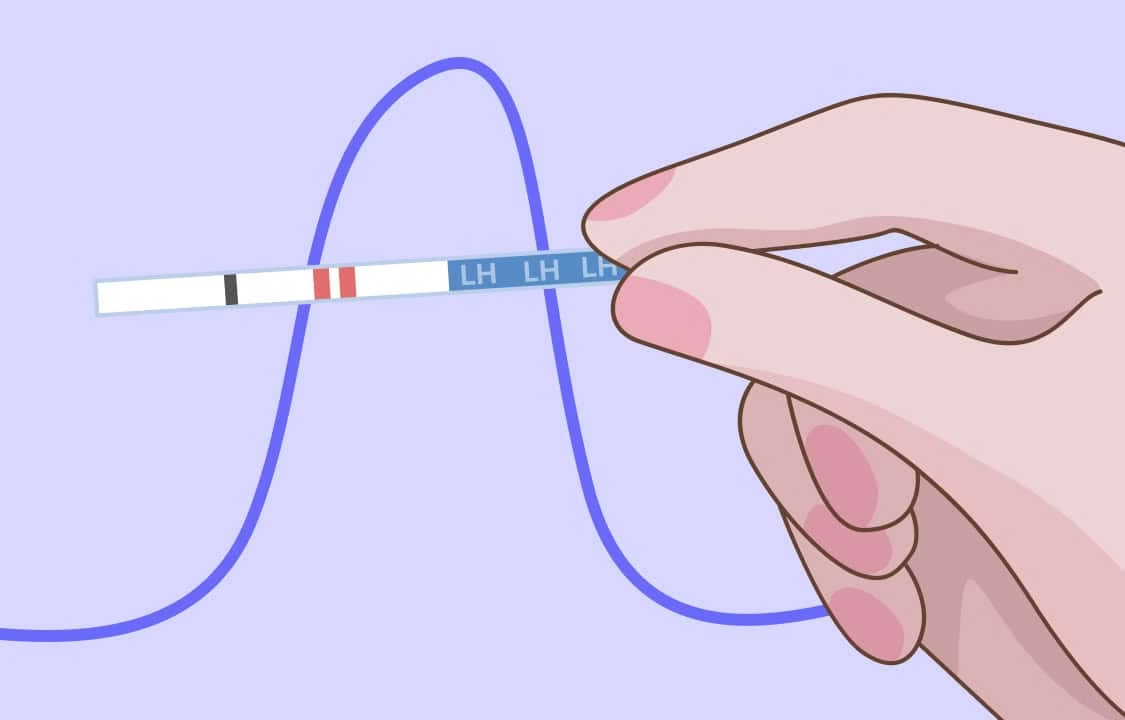
An ovulation predictor kit, or OPK, is a simple home test. You dip a strip in urine or hold it in your urine stream. The test then looks for a hormone called luteinizing hormone, or LH.
You can buy OPKs at most pharmacies and online stores. Basic strips cost only a few dollars. Digital versions cost more. Many couples like them because they are easy, private, and quick.
An OPK does not tell you if you are pregnant. It also does not confirm that you ovulated. It simply warns you that ovulation is likely coming soon. Think of it as a heads-up, not a final answer.
How Do Ovulation Tests Work?
The LH Surge Explained
Your body makes a small amount of LH all month. Right before ovulation, the level jumps sharply. Doctors call this the LH surge. It signals your ovary to release a mature egg.
Ovulation usually happens about 24 to 36 hours after the surge starts. That gives you a short window to plan. The test spots the spike in your urine and shows a positive result.
Types of Ovulation Kits
Not all kits look the same. Here are the main types:
- Basic strips: low cost, and you compare the test line to a control line.
- Digital tests: show a smiley face or a clear yes or no.
- Advanced digital tests: track estrogen and LH to show more fertile days.
- App-linked tests: you scan the strip with your phone to read the result.
Are Ovulation Predictor Kits Accurate in Real Life?
Many brands claim over 99 percent accuracy. That number sounds impressive. But it means the test correctly finds the LH surge in urine. It does not promise that you will ovulate or get pregnant.
In real life, results vary. OPKs tend to work well for women with regular cycles. They often work less well for people with irregular cycles or certain health issues.
Two things shape accuracy. One is the quality of the test. The other is how you use it. A good test used at the wrong time can still miss your surge. A short surge can slip by if you test only once a day.
Remember that a surge does not always lead to an egg. Sometimes the egg stays in the ovary. This is rare, but it happens. That is why OPKs give you a strong clue, not a guarantee.
Why Results Can Be Confusing
False Positives
A false positive means the test turns positive, but you do not ovulate soon. This can happen when LH rises more than once in a cycle. Your body sometimes starts a surge and then stops. Some medicines and recent pregnancy hormones can also trigger a positive line.
False Negatives
A false negative means you miss your surge even though you ovulate. This often comes from testing too late. Drinking lots of water before a test can also hurt. Diluted urine can hide the hormone spike. A very short surge can also pass between two tests.
A Surge Without an Egg
Rarely, the body makes an LH surge but never releases an egg. Doctors call this luteinized unruptured follicle syndrome. It is uncommon. Still, it shows why OPKs predict ovulation rather than prove it.
Who May Get Less Reliable Results?
PCOS
People with polycystic ovary syndrome often have high LH all month. That can cause several positive tests or lines that never fade. So are ovulation predictor kits accurate if you have PCOS? Not always. Ask your doctor about other options, such as ultrasound or blood tests.
Irregular Cycles
If your cycle length changes a lot, you will not know when to start testing. You may need to test for more days. That means you will use more strips each cycle.
Perimenopause
As you near menopause, your hormones swing up and down. LH can stay high or spike without ovulation. This can make results hard to read.
Fertility Treatments
Some fertility drugs contain hCG, which can mimic LH on a test. Ask your clinic before you rely on home tests during treatment.
Common Mistakes That Hurt Accuracy
Small errors can change your results. Watch out for these:
- Starting to test too late in your cycle.
- Using first morning urine, when LH may not show yet.
- Drinking a lot of fluid right before you test.
- Reading the result after the time window in the instructions.
- Using an expired kit.
- Testing only once a day when your surge is short.
How to Use an OPK Step by Step
Most kits follow the same basic steps. Always read your brand’s instructions first.
- Pick a start day based on your cycle length.
- Test at the same time each day, ideally between 10 a.m. and 8 p.m.
- Limit fluids for about two hours before you test.
- Collect urine or hold the strip in your stream, as directed.
- Wait the exact time listed on the box.
- Record the result in a notebook or app.
When Should You Start Testing?
A common rule is simple. Take your shortest recent cycle length and subtract 17. The answer is your first test day.
For example, say your cycle is 28 days long. Subtract 17, and you get day 11. Count day one as the first day of your period.
If your cycles vary, use your shortest cycle. This way, you will not miss an early surge. Once the test turns positive, you can stop testing for that cycle.
How to Read Your Results
With basic strips, you compare two lines. A positive result shows when the test line is as dark as the control line, or darker. A faint line means your LH is rising but has not peaked.
Digital tests make this easier. A smiley face or a clear symbol means a positive result.
Once you get a positive, your fertile window is open. Aim to have sex that day and the next day. Sperm can live up to five days in the body. An egg lives only about 12 to 24 hours. So having sex in the days before ovulation also helps.
Pros and Cons of Ovulation Tests
OPKs have clear benefits. They are easy to use, widely available, and give you an early warning. Many people feel more in control once they start tracking.
They also have downsides. Costs can add up, especially with long or irregular cycles. A positive test does not confirm that you ovulated. For some people, daily testing also adds stress. If tracking starts to feel like a burden, take a break and talk with your partner.
OPKs vs Other Tracking Methods
Basal Body Temperature
BBT charting tracks your resting temperature each morning. Your temperature rises slightly after ovulation. This confirms ovulation, but only after it happens. It cannot tell you when to try ahead of time.
Cervical Mucus
Mucus turns clear, slippery, and stretchy near ovulation. It costs nothing and gives an early sign. It takes some practice to read well, though.
Calendar Apps
Apps guess your fertile days using past cycles. They work best when your cycle is steady. They can be off if your cycle shifts.
Fertility Monitors and Wearables
These devices track hormones, temperature, or both. They can give more detail than basic strips. They also cost more.
Many people combine OPKs with mucus checks. Using two signals gives you a fuller picture.
Tips to Get the Best Results
Pick one brand and stick with it for a few cycles. Different brands read slightly different hormone levels. Switching often can confuse your results.
Test at the same time each day. If your surge is short, test twice a day when your lines start to darken. Store your kits in a cool, dry place. Check the expiry date before you buy.
Keep a simple record of each test. Photos of your strips can help you see patterns over time. You can also share these notes with your doctor if you need help later.
When to Talk to a Doctor
Ovulation tests are a helpful tool, but they do not replace medical care. See your doctor if you have been trying for a year and you are under 35. If you are 35 or older, check in after six months. If you are over 40, talk to a doctor sooner.
You should also book a visit in these cases:
- You get no positive tests after two or three cycles.
- Your cycles are shorter than 21 days or longer than 35 days.
- You have very painful or missing periods.
- You get positive tests all month long.
Early advice can save you time and worry. Your doctor can run simple tests to see what is going on.
Final Thoughts
So, are ovulation predictor kits accurate? Yes, for most people with fairly regular cycles, as long as you use them correctly. They are not perfect, and they cannot promise a pregnancy. But they take much of the guesswork out of timing.
Test at the right time, read the results with care, and pair OPKs with other signs from your body. If something feels off, reach out to a doctor. For more tips on boosting your chances, go back to our complete female fertility guide.
FAQs
How accurate are OPKs at finding the LH surge?
Many brands claim over 99 percent accuracy at detecting the LH surge in urine. Real-life results depend on timing and your health.
Can an ovulation test be wrong?
Yes. Testing too late, diluted urine, or hormone issues can cause false results.
What time of day is best to test?
Most brands suggest testing between 10 a.m. and 8 p.m. Avoid first morning urine.
How long after a positive test do I ovulate?
Ovulation usually happens about 24 to 36 hours after the surge begins.
Can I use ovulation tests if I have PCOS?
You can, but results may be confusing because LH can stay high. Talk to your doctor about other tracking options.
When should I start using ovulation tests?
Subtract 17 from your shortest cycle length. That number is your first test day.
Do ovulation tests confirm that I ovulated?
No. They only show that ovulation is likely soon. Basal body temperature can help confirm it afterward.