
Hearing that you have uterine fibroids can be unsettling. For many women, the first question that comes to mind is simple but important: how big is too big?
It’s natural to assume that size alone determines whether fibroids are dangerous. But the truth is a bit more nuanced. Size does matter, but it’s not the only factor. The location, number, and symptoms of fibroids all play a role in determining how serious they are.
Let’s walk through this in a clear, practical way so you can understand what really matters when it comes to uterine fibroids.
What Are Uterine Fibroids?
Uterine fibroids are non-cancerous growths that develop in or around the uterus. They are quite common and can occur at any age during a woman’s reproductive years.
Some women may have small fibroids and never even know it. Others may experience noticeable symptoms that affect daily life.
Fibroids can vary widely in size, from very small, almost undetectable growths to large masses that can change the shape of the uterus.
Which Size of Uterine Fibroid Is Dangerous?
This is where things often get confusing.
There isn’t a single size that automatically makes a fibroid dangerous. Instead, doctors look at a combination of size, symptoms, and location.
That said, fibroids are often grouped into general size categories to help understand their potential impact.
Small fibroids
- Usually less than a few centimeters
- Often do not cause symptoms
- Typically monitored without treatment
Medium fibroids
- Can start causing noticeable symptoms
- May lead to heavier periods or pelvic discomfort
Large fibroids
- More likely to cause complications
- Can press on nearby organs
- May affect fertility or pregnancy
In general, larger fibroids have a higher chance of causing problems, but even small fibroids can be troublesome if they are located in sensitive areas of the uterus.
Why Size Alone Doesn’t Tell the Whole Story
It’s possible to have a relatively small fibroid that causes significant symptoms, while a larger one might go unnoticed.
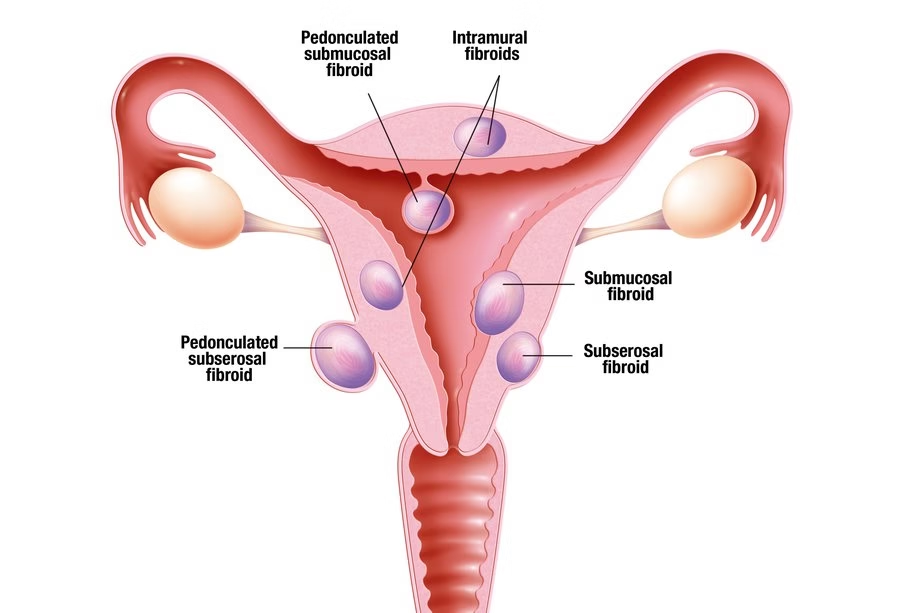
This happens because location plays a key role.
For example:
- A fibroid inside the uterine cavity can affect menstrual flow and fertility even if it is small
- A fibroid on the outer wall may grow larger without causing major symptoms
So when asking whether uterine fibroids are dangerous, the better question is how they are affecting your body, not just how big they are.
Uterine Fibroids Symptoms to Watch For
Fibroids can present in different ways depending on their size and position.
Common uterine fibroids symptoms include:
- Heavy or prolonged menstrual bleeding
- Pelvic pain or pressure
- Frequent urination due to pressure on the bladder
- Constipation if the bowel is affected
- Pain during intercourse
- Lower back discomfort
Some women may also experience fatigue due to blood loss from heavy periods.
If symptoms are severe or persistent, it may indicate that the fibroid is causing complications.
When Do Fibroids Become Dangerous?
Fibroids are generally not life-threatening, but they can become serious in certain situations.
Severe bleeding
- Heavy periods can lead to anemia
- Symptoms may include fatigue, weakness, and dizziness
Rapid growth
- Sudden increase in size may require evaluation
- Though fibroids are usually benign, rapid growth needs medical attention
Pressure on organs
- Large fibroids can press on the bladder or intestines
- This can lead to urinary or digestive problems
Fertility issues
- Fibroids inside the uterus can interfere with implantation
- May increase the risk of miscarriage
Pregnancy complications
- Depending on size and location, fibroids can affect fetal position or growth
These are the situations where fibroids move from being a mild condition to something that requires active management.
Uterine Fibroids Causes
The exact cause of fibroids is not fully understood, but several factors are believed to contribute.
- Hormonal influence, especially estrogen and progesterone
- Genetic factors and family history
- Growth factors that regulate tissue development
- Lifestyle factors such as diet and weight
Fibroids tend to grow during reproductive years and may shrink after menopause due to hormonal changes.
Are Uterine Fibroids Dangerous?
For most women, fibroids are not dangerous in the sense of being life-threatening.
However, they can significantly impact quality of life if symptoms are severe.
The key concern is not cancer risk, since fibroids are almost always benign, but rather how they affect:
- Daily comfort
- Menstrual health
- Fertility
- Pregnancy outcomes
With proper monitoring and treatment, complications can usually be managed effectively.
Do Uterine Fibroids Go Away?
This is a common question.
Fibroids do not usually disappear on their own during reproductive years. However, they may shrink naturally after menopause when hormone levels decrease.
In some cases:
- Small fibroids remain stable and do not grow
- Symptoms may improve over time
- Medical treatment can help control growth
So while they may not fully go away, they can become less problematic depending on the situation.
Treatment for Uterine Fibroids
Treatment depends on symptoms, size, and personal health goals.
Watchful waiting
- Suitable for small, symptom-free fibroids
- Regular monitoring through checkups
Medications
- Help control symptoms such as heavy bleeding
- May temporarily shrink fibroids
Minimally invasive procedures
- Techniques to reduce or remove fibroids without major surgery
Surgical options
- Removal of fibroids while preserving the uterus
- In severe cases, removal of the uterus may be considered
The right approach depends on individual needs, especially if pregnancy is planned.
Fibroids and Pregnancy
Many women with fibroids have healthy pregnancies.
However, certain fibroids can increase risks depending on their size and location.
Possible concerns include:
- Difficulty with implantation
- Increased risk of miscarriage
- Preterm labor in some cases
- Changes in fetal position
Regular prenatal care helps manage these risks effectively.
When Should You See a Doctor?
It’s important to seek medical advice if you notice:
- Very heavy or prolonged periods
- Persistent pelvic pain
- Rapid abdominal enlargement
- Difficulty with urination or bowel movements
- Trouble conceiving
Early evaluation helps prevent complications and provides more treatment options.
Practical Takeaway
If you’re wondering which size of uterine fibroid is dangerous, the answer is not as simple as a number.
What truly matters is:
- Whether the fibroid is causing symptoms
- Where it is located
- How it is affecting your daily life or reproductive health
Large fibroids are more likely to cause issues, but even small ones can be problematic in certain situations.
Final Thoughts
Uterine fibroids are common, and in many cases, they are manageable without major intervention.
Understanding the relationship between size, symptoms, and overall health is key to making informed decisions.
If you’ve been diagnosed with fibroids, focus on how your body feels rather than just the measurements. With proper care and guidance, most women are able to manage fibroids effectively and maintain a good quality of life.