Categories
PCOS

Can Stress Cause PCOS? What the Science Says (And What to Do About It)

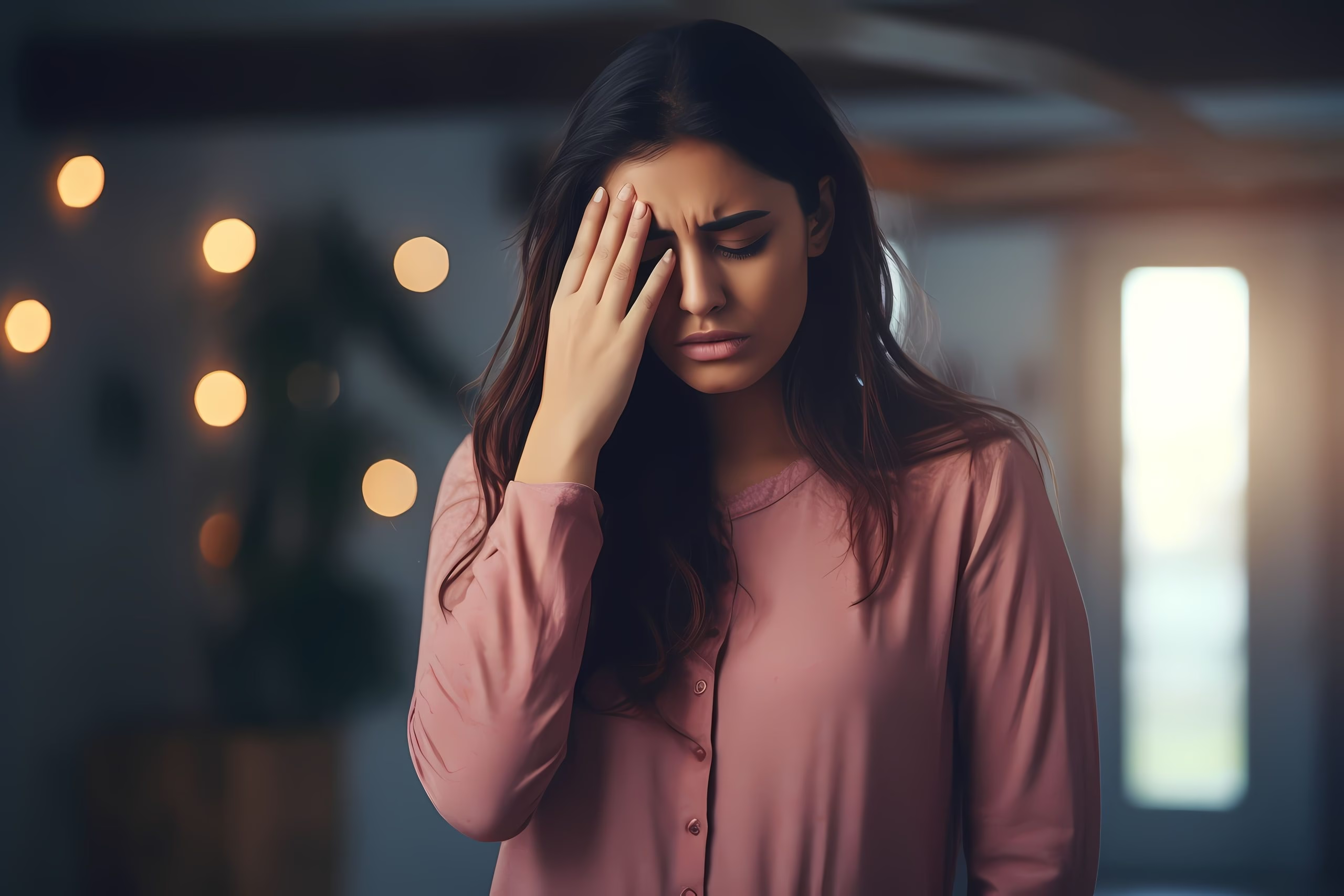
You’re exhausted, your periods are irregular, your skin is breaking out, and your doctor says it might be PCOS. But you haven’t changed your diet, you haven’t gained significant weight — the only thing that’s shifted is your stress level. Sound familiar?

If you’ve ever wondered whether your anxiety, burnout, or chronic stress could be connected to your hormonal chaos, you’re asking exactly the right question. The relationship between stress and Polycystic Ovary Syndrome (PCOS) is one of the most undertalked topics in women’s health — and the science behind it is finally catching up.

Let’s break it all down.

What Is PCOS, Exactly?

Polycystic Ovary Syndrome (PCOS) is the most common hormonal disorder among women of reproductive age, affecting approximately 8% to 13% of women worldwide. Despite its name, you don’t even need to have ovarian cysts to be diagnosed with it.

PCOS is typically characterized by:

  • Irregular or absent menstrual cycles
  • Elevated androgen levels (male hormones like testosterone), causing acne, excess facial or body hair, and hair thinning
  • Polycystic ovaries visible on ultrasound
  • Insulin resistance, present in up to 70% of cases

PCOS isn’t just a reproductive issue — it’s a full-body metabolic and hormonal disorder with far-reaching implications for mental health, cardiovascular health, and long-term wellbeing.

A detailed guide on PCOS can be read here – PCOS – causes, symptoms and treatment

So, Can Stress Actually Cause PCOS?

The short answer: stress likely doesn’t create PCOS from nothing, but it is a powerful trigger and amplifier — especially if you already have a genetic predisposition.

Research increasingly recognizes stress as “an important component of PCOS,” one that encompasses metabolic, inflammatory, oxidative, and emotional dimensions. In other words, stress isn’t just a background noise in your life. It is actively interfering with the hormonal systems that govern your reproductive health.

Here’s how it works.

The Stress–PCOS Connection: Inside Your Body

  1. The HPA Axis: Your Body’s Stress Command Center

When you encounter stress — whether it’s a work deadline, a difficult relationship, financial pressure, or even physical strain — your brain triggers a chain reaction called the HPA (hypothalamic–pituitary–adrenal) axis response.

Here’s the cascade:

  • The hypothalamus signals the pituitary gland
  • The pituitary releases ACTH (adrenocorticotropic hormone)
  • ACTH tells the adrenal glands to pump out cortisol, adrenaline, and noradrenaline

This is your classic “fight or flight” response — brilliant in short bursts, destructive when it never turns off.

  1. Cortisol: The Stress Hormone That Hijacks Your Cycle

Cortisol is the primary stress hormone, and in women with PCOS, it’s particularly disruptive.

Studies have found that women with PCOS have significantly higher hair cortisol concentrations compared to women without the condition — a measure that reflects chronic, long-term cortisol exposure rather than a single spike.

Here’s what elevated cortisol does to your hormonal health:

  • Disrupts ovulation: Cortisol interferes with GnRH (gonadotropin-releasing hormone) pulses in the hypothalamus. These pulses control LH and FSH — the hormones that trigger ovulation. When cortisol destabilizes that rhythm, your cycle pays the price.
  • Worsens insulin resistance: Cortisol raises blood glucose by encouraging glucose release from the liver. For women with PCOS — where insulin resistance is already a core issue — this is fuel on the fire.
  • Elevates androgens: High insulin stimulates the ovaries to produce more androgens. Meanwhile, cortisol directly disrupts hormonal signaling, indirectly pushing androgen levels higher. This worsens acne, hair growth, and hair loss.
  • Promotes visceral fat storage: Chronically elevated cortisol encourages fat storage around the abdomen, which itself worsens insulin resistance — creating a vicious cycle.

A detailed analysis on hormonal imbalance in PCOS can be read here – Signs of Hormonal Imbalance PCOS – You Shouldn’t Ignore.

  1. Stress Drives Adrenal Androgen Production

Here’s where it gets particularly interesting. When ACTH is released during stress, it doesn’t just trigger cortisol production. It also stimulates the adrenal glands to produce DHEA, DHEA-S, and androstenedione — adrenal androgen hormones.

Unlike cortisol, these adrenal androgens have no feedback regulatory loop — meaning there’s nothing telling the adrenal glands to stop producing them when levels get too high. For some women, this results in what’s informally called “adrenal PCOS” — a pattern where the androgen excess is driven more by adrenal stress hormones than by ovarian testosterone.

Women under extreme chronic stress — such as those with PTSD — show markedly increased DHEA response to ACTH stimulation, and research confirms that traumatized women with the highest DHEA levels had elevated androgen-related symptoms consistent with PCOS profiles.

  1. The Emotional Stress Loop

PCOS and emotional stress aren’t just linked — they feed each other in a destructive loop.

Living with PCOS is genuinely stressful. Irregular periods, unwanted hair growth, weight fluctuations, acne, fertility concerns — all of this creates significant psychological burden. Research confirms that women with PCOS are significantly more likely to experience anxiety and depression than women without the condition.

This psychological distress then activates the HPA axis further — increasing cortisol, worsening insulin resistance, and driving more androgen production. The hormonal imbalance deepens, symptoms worsen, and stress escalates. Round and round it goes.

A 2025 review in a SAGE journal described this as a “bidirectional interaction in which psychological distress and endocrine imbalance worsen one another” — meaning PCOS causes stress, and stress worsens PCOS.

Does Childhood Trauma Play a Role?

Emerging research suggests the stress-PCOS connection may begin far earlier than adulthood. Studies show that emotional maltreatment during childhood, including physical and sexual abuse, is closely linked to the onset of PCOS. This is thought to be mediated by long-term HPA axis dysregulation — essentially, early trauma rewires the stress response system in ways that can affect hormonal health for decades.

This is not about blame. It’s about understanding that PCOS has deeper roots than diet and exercise, and that healing may need to address the nervous system, not just the hormones.

Types of Stress That Affect PCOS

Not all stress is emotional. Research identifies multiple forms of stress relevant to PCOS:

Type of Stress How It Affects PCOS
Emotional/Psychological HPA axis activation, elevated cortisol, disrupted ovulation
Metabolic Insulin resistance, glucose dysregulation — considered the “pathophysiological heart” of PCOS
Inflammatory Chronic low-grade inflammation worsens hormonal imbalance
Oxidative Cell-level damage that impairs ovarian function and egg quality

Warning Signs That Stress Is Worsening Your PCOS

Pay attention if you notice the following patterns:

  • Cycle changes during high-stress periods — your period disappearing or becoming wildly irregular when life gets intense
  • Acne flare-ups linked to stress spikes
  • Increased fatigue and brain fog despite adequate sleep
  • Worsening mood, anxiety, or depression alongside physical PCOS symptoms
  • Sugar cravings and weight gain around the abdomen, particularly during stressful seasons

These aren’t coincidences. They’re your body signaling a stress-hormone-androgen connection in real time.

What You Can Do: Managing Stress to Support PCOS

The good news? You have more control than you think. Addressing stress is now considered a legitimate and evidence-backed component of PCOS management — not a “nice to have” addition.

Prioritize Sleep (Non-Negotiable)

Cortisol follows a circadian rhythm. Disrupted sleep immediately spikes cortisol and worsens insulin resistance. Aim for 7–9 hours of quality sleep. Avoid screens before bed, keep a consistent sleep schedule, and address sleep apnea if present — women with PCOS have higher rates of obstructive sleep apnea than the general population.

Choose the Right Kind of Exercise

Not all exercise reduces stress. High-intensity workouts done excessively can actually raise cortisol. Instead, focus on:

  • Yoga and Pilates — shown to reduce cortisol and improve hormonal balance
  • Walking — gentle but effective at lowering stress hormones
  • Resistance training — improves insulin sensitivity (though benefits decline after 3 days, so consistency 2–3x per week matters)
  • Moderate aerobic exercise — helps reduce stress even if its effect on depression is less pronounced

Stabilize Blood Sugar

Blood sugar crashes drive cortisol spikes. Eating fiber-rich, protein-balanced meals keeps glucose steady, reduces insulin demand, and keeps cortisol from spiking between meals. The Mediterranean-DASH hybrid (MIND diet) has shown positive results in PCOS management.

Practice Nervous System Regulation

Evidence supports the following for lowering cortisol in women with PCOS:

  • Breathwork and diaphragmatic breathing — directly activates the parasympathetic nervous system
  • Meditation and mindfulness — reduces perceived stress and measurably lowers cortisol
  • Journaling — helps process emotional load before it becomes physiological load
  • Cognitive Behavioral Therapy (CBT) — shown to improve both mood and PCOS-related quality of life

Get Daily Sunlight Exposure

Sunlight resets your circadian rhythm and supports healthy cortisol patterns. Even 10–15 minutes of morning light can make a meaningful difference over time.

Consider Mental Health Support

Given the strong link between trauma, psychological stress, and PCOS onset, regular mental health screening should be part of PCOS care — not an afterthought. If you’ve experienced childhood trauma or are dealing with anxiety and depression alongside PCOS, working with a therapist who understands hormonal health is enormously valuable.

The Bottom Line

Can stress cause PCOS? Stress alone is unlikely to conjure PCOS out of thin air. But it is a powerful trigger, amplifier, and sustainer of PCOS — through cortisol disruption, adrenal androgen elevation, insulin resistance, and the relentless feedback loop between hormonal imbalance and emotional distress.

The relationship is bidirectional: PCOS increases stress, and stress worsens PCOS. Understanding this loop is the first step to breaking it.

Managing PCOS is not just about metformin, low-carb diets, or spearmint tea. It’s about looking at your nervous system, your sleep, your emotional world, and your stress load — and treating those as seriously as any blood test result.

Your hormones are listening to everything your life is putting you through. It’s time to start listening back.

Frequently Asked Questions

Q: Can emotional stress trigger a PCOS diagnosis?

Stress alone is unlikely to cause PCOS in someone with no predisposition, but it can activate or worsen symptoms in women who are genetically vulnerable. Chronic stress elevates cortisol and adrenal androgens, which can push subclinical hormonal imbalances into diagnosable PCOS territory.

Q: Can reducing stress improve PCOS symptoms?

Yes. Lowering chronic stress through sleep, exercise, mindfulness, and therapy has been shown to improve cycle regularity, reduce androgen-related symptoms, and enhance insulin sensitivity in women with PCOS.

Q: What is adrenal PCOS?

Adrenal PCOS is an informal term for a pattern where excess androgen production is driven mainly by the adrenal glands (through DHEA-S) rather than the ovaries — often linked to chronic stress and HPA axis overactivation.

Q: Does cortisol directly cause PCOS?

Not directly. But chronic cortisol elevation disrupts ovulation, worsens insulin resistance, and indirectly drives androgen production — all core features of PCOS. It is a significant contributing and aggravating factor.

Q: Can PCOS cause anxiety and depression?

Yes, and this is well-documented. The hormonal imbalances, physical symptoms, and metabolic disruptions of PCOS significantly increase the risk of anxiety and depression. This creates a bidirectional feedback loop where mental health struggles worsen PCOS, and PCOS worsens mental health.

Q: Is childhood trauma linked to PCOS?

Emerging research suggests yes. Early emotional maltreatment appears to be linked to PCOS onset, likely through long-term dysregulation of the HPA axis — essentially, trauma reshaping the stress response system in ways that affect hormonal health later in life.

Always consult with a qualified healthcare provider for a personal diagnosis and treatment plan. This article is for informational purposes only.

Categories
PCOS

PCOS Is Making Me Depressed — What Can I Do?

You wake up feeling heavy. Not just tired — genuinely low. Getting through the day feels harder than it should. And no matter how much you try to “think positive,” the sadness doesn’t lift.

If you have PCOS and you’re feeling this way, you’re not alone. And you’re not weak. There’s a real reason this is happening — rooted in biology, not character.

Let’s talk about it honestly.

PCOS and Depression: The Link Is Real

Depression is one of the most commonly reported — and most commonly overlooked — symptoms of PCOS.

Studies show that people with PCOS are nearly three times more likely to experience depression than those without it. That’s a significant number. Yet many doctors focus only on periods, fertility, and weight — and never ask about mental health.

The connection between PCOS and depression isn’t just about living with a difficult condition. It’s about what PCOS does to your brain chemistry, hormones, and nervous system on a biological level.

Understanding this changes everything. Because when you know the why, you can actually start addressing it.

Why Does PCOS Cause Depression?

Your Hormones Directly Affect Your Mood

Hormones aren’t just about reproduction. They regulate brain chemicals that control how you feel.

PCOS disrupts several key hormones:

  • Estrogen — too much or too little affects serotonin (your “feel good” chemical)
  • Progesterone — chronically low in PCOS; calms the brain when it’s present
  • Androgens — elevated in PCOS; high levels are linked to low mood
  • Cortisol — the stress hormone, often chronically high in PCOS

When these hormones are imbalanced, your brain simply doesn’t produce or regulate mood chemicals properly. Depression can be the direct result.

Low Progesterone Hits Hard

Progesterone has a calming, antidepressant-like effect on the brain. It supports GABA — a chemical that promotes calm and emotional stability.

People with PCOS often have consistently low progesterone. Without it, the brain can feel perpetually flat, hopeless, or emotionally numb. This isn’t a mindset problem. It’s a chemistry problem.

Insulin Resistance and Your Mood

The Blood Sugar-Mood Connection

Most people with PCOS have insulin resistance. When blood sugar spikes and crashes throughout the day, your mood follows the same rollercoaster.

Low blood sugar triggers:

These symptoms overlap heavily with depression. Many people don’t realise their low mood is partly driven by unstable blood sugar.

Inflammation Affects the Brain Too

Insulin resistance causes chronic low-grade inflammation. Inflammation in the body crosses into the brain and disrupts the production of serotonin and dopamine — two chemicals essential for a stable, positive mood.

This inflammatory pathway is now considered one of the key drivers of depression — and PCOS sits right in the middle of it.

The Physical Symptoms Add Emotional Weight

Biology isn’t the only factor. Living with visible PCOS symptoms takes a real emotional toll.

Many people with PCOS struggle with:

  • Unwanted facial or body hair
  • Acne that feels impossible to control
  • Weight gain that doesn’t respond to dieting
  • Hair thinning or loss
  • Irregular or absent periods
  • Fertility concerns

Each of these affects self-image, confidence, and relationships. The grief of feeling like your body isn’t behaving the way it should — that’s a legitimate source of sadness.

It’s also worth knowing: PCOS has recently been renamed PMOS — Polyendocrine Metabolic Ovarian Syndrome. Medical professionals made this change to better capture the full hormonal and metabolic complexity of the condition. The old name focused on ovarian cysts, which not everyone with the condition even has. The rename acknowledges that PMOS affects the entire body — including mental health. If you’ve been diagnosed recently, you may see both names used. They refer to the same condition.

Sleep Deprivation Deepens Depression

PCOS and poor sleep are closely connected. Many people with PCOS experience insomnia or undiagnosed sleep apnea.

Sleep deprivation and depression feed each other in a vicious cycle:

  • Poor sleep raises cortisol and lowers serotonin
  • Low serotonin makes it harder to sleep deeply
  • Poor sleep worsens insulin resistance
  • Insulin resistance worsens mood

If you’re sleeping badly and feeling depressed, this cycle may be a significant part of what you’re experiencing.

The Gut-Brain Link Nobody Talks About

Your gut produces roughly 90% of the body’s serotonin. When your gut is unhealthy, your mood suffers.

Research shows that people with PCOS have a less diverse gut microbiome — fewer beneficial bacteria and more harmful ones. This affects:

  • Serotonin and dopamine production
  • Inflammation levels in the brain
  • How the body handles stress

Healing your gut is not just a digestive issue for PCOS. It’s a genuine depression management strategy.

What You Can Actually Do About It

Start With Your Blood Sugar

Stabilising blood sugar is one of the most impactful things you can do for your mood.

  • Eat protein with every meal — eggs, chicken, legumes, tofu
  • Never skip meals, especially breakfast
  • Cut back on refined sugar and white carbs
  • Choose whole grains, vegetables, and low-glycemic foods
  • Keep healthy snacks nearby to prevent blood sugar crashes

Even small dietary changes can lead to noticeable mood improvements within weeks.

Move Your Body Gently

Exercise is one of the most evidence-backed treatments for depression. It raises serotonin, lowers cortisol, and improves insulin sensitivity.

Best options for PCOS depression:

  • Daily walking (even 20–30 minutes helps enormously)
  • Yoga — especially calming or restorative styles
  • Swimming
  • Light strength training

Avoid punishing yourself with intense workouts. Gentle, consistent movement works better than sporadic intense sessions.

Support Your Gut

  • Take a daily probiotic supplement
  • Eat fermented foods: yogurt, kefir, sauerkraut, kimchi
  • Add prebiotic foods: bananas, garlic, oats, onions
  • Reduce ultra-processed foods that harm gut bacteria

Prioritise Sleep

  • Set a consistent bedtime and wake time — even on weekends
  • Avoid screens for at least 30 minutes before bed
  • Keep your room cool and dark
  • Limit caffeine after midday
  • Consider speaking to a doctor about sleep apnea if you snore or wake unrefreshed

Try Supportive Supplements

Always check with your doctor before starting supplements. These have shown benefit in PCOS-related mood issues:

  • Myo-inositol — improves insulin sensitivity and has mood-supporting effects
  • Magnesium — supports the nervous system, sleep, and emotional regulation
  • Vitamin D — deficiency is extremely common in PCOS and strongly linked to depression
  • Omega-3 fatty acids — reduce inflammation and support brain health

Emotional Strategies That Actually Help

Give Yourself Permission to Grieve

PCOS is a chronic condition. It’s okay to be sad about it. Trying to stay positive all the time is exhausting and unrealistic.

Acknowledge what’s hard. Name it. Let yourself feel it without guilt.

Build a Support System

Isolation makes depression worse. Find people who understand — whether that’s a trusted friend, a partner, or an online PCOS community.

You don’t need to explain everything to everyone. But having even one person who gets it makes a real difference.

Limit Comparison on Social Media

Social media can be brutal when you’re already struggling with body image and self-worth. Curate your feed. Unfollow accounts that make you feel worse. Follow PCOS communities that are honest and supportive.

Journaling

Writing down your thoughts — without judgment — can help process emotions that feel too heavy to carry internally. Even five minutes a day makes a difference over time.

When to Seek Professional Help

There’s no shame in needing more support. Please reach out if:

  • You feel sad, empty, or hopeless most days
  • You’ve lost interest in things you used to enjoy
  • You’re struggling to function at work, school, or home
  • You’re having thoughts of self-harm or suicide
  • Lifestyle changes aren’t making a dent after several weeks

If you’re having thoughts of suicide or self-harm, please reach out to a crisis line or go to your nearest emergency department. You matter, and help is available.

A GP or psychiatrist can assess your hormone levels, check for nutrient deficiencies, and discuss treatment options. A therapist — particularly one with experience in chronic illness or women’s health — can offer tools that genuinely help.

Medical Treatments That Address Both PCOS and Depression

Some treatments work on both conditions simultaneously:

  • Hormonal therapy — can stabilise oestrogen and progesterone, improving mood in some people
  • Metformin — improves insulin resistance, which eases the inflammatory drivers of depression
  • Inositol supplements — support both metabolic and emotional health in PCOS
  • Antidepressants — appropriate for moderate to severe depression; discuss with your doctor
  • CBT (Cognitive Behavioural Therapy) — highly effective for depression and for managing the emotional weight of a chronic condition
  • Treating underlying thyroid issues — thyroid dysfunction (more common in PCOS) is a major cause of depression

You’re Not Failing — Your Biology Is Working Against You

This is worth saying clearly: if PCOS is making you depressed, it is not a personal failure. You’re not being dramatic. You’re not too sensitive.

Your hormones are affecting your brain. Your blood sugar is affecting your mood. The gut health, your sleep, your cortisol — all of it is working against you in ways that have nothing to do with your willpower or your worth.

That’s not a reason to give up. It’s a reason to get the right support.

The Bottom Line

PCOS (now increasingly called PMOS) doesn’t just affect your body. It reaches into your brain, your mood, and your sense of self.

Depression in PCOS has real, biological roots — but it’s also absolutely treatable. Diet changes, movement, gut health support, better sleep, the right supplements, and professional care can all shift the picture significantly.

You deserve to feel better. Not just “okay” — genuinely better. Start with one small change. Then another. And please don’t go through this alone.

If you’d like to know more about PCOS (PMOS), then please check our complete guide – PCOS – causes, symptoms and treatment

FAQs

Q1: Can PCOS actually cause depression?

Yes. People with PCOS are nearly three times more likely to experience depression than those without it. The link is biological — PCOS disrupts hormones like progesterone, estrogen, and cortisol that directly regulate mood and brain chemistry. It also drives insulin resistance and inflammation, both of which are strongly connected to depression.

Q2: Why does PCOS make me feel so emotionally low every day?

Daily low mood in PCOS often comes from a combination of low progesterone, blood sugar instability, elevated cortisol, and gut microbiome disruption. These factors reduce the production and regulation of serotonin and dopamine — the chemicals your brain depends on to feel stable and positive.

Q3: Can fixing my diet really improve my mood with PCOS?

Yes — significantly. Stabilising blood sugar through a balanced, low-glycemic diet reduces the mood crashes and brain fog associated with insulin resistance. Many people notice real emotional improvement within a few weeks of dietary changes, especially when combined with better sleep and movement.

Q4: What supplements help with PCOS-related depression?

Vitamin D, magnesium, omega-3 fatty acids, and myo-inositol are the most researched for PCOS mood support. Vitamin D deficiency in particular is extremely common in PCOS and strongly linked to depression. Always speak with a doctor before starting new supplements.

Q5: When should I see a doctor about PCOS depression?

See a doctor if your low mood is affecting daily life, lasting most days, or not improving with lifestyle changes. Also seek help immediately if you have thoughts of self-harm or suicide. A doctor can assess your hormones, thyroid function, and nutrient levels — and recommend appropriate treatment.

Categories
PCOS

Can PCOS Cause Anxiety and Panic Attacks? Here’s What’s Really Going On

Your heart races out of nowhere. Your mind spirals at 2 AM. You feel on edge — and you can’t explain why.

If you have PCOS, these feelings might not be random. There’s a real, biological connection between PCOS and anxiety. And it’s more common than most doctors tell you.

Let’s get into it — no medical jargon, just clear answers.

Yes, PCOS Can Absolutely Cause Anxiety

Research consistently shows that people with PCOS are significantly more likely to experience anxiety than those without it.

Studies suggest that anxiety rates in people with PCOS can be two to three times higher than the general population. That’s not a small difference. That’s a pattern that demands attention.

And it’s not just “stress from having a chronic condition.” The anxiety often comes from deep hormonal and physiological changes happening inside the body. Your brain chemistry is literally being affected.

To understand PCOS completely, read our complete guide – PCOS – Causes, Symptoms & Treatment.

The Hormone-Anxiety Connection

Hormones Run Your Mood

Hormones don’t just control your cycle. They directly influence how your brain processes emotions, stress, and fear.

PCOS throws several key hormones out of balance:

  • Estrogen and progesterone — regulate mood and calm the nervous system
  • Androgens (like testosterone) — elevated in PCOS, linked to mood disruption
  • Cortisol — the stress hormone, often dysregulated in PCOS
  • Insulin — affects brain function and emotional regulation

When these hormones go haywire, your brain’s stress response goes haywire too.

Low Progesterone = High Anxiety

Progesterone has a natural calming effect on the brain. It interacts with GABA receptors — the same receptors that anti-anxiety medications target.

People with PCOS often have chronically low progesterone. Without enough of it, the brain stays in a heightened, anxious state. This is one of the most direct hormonal links between PCOS and anxiety.

Insulin Resistance and Your Anxious Brain

Most people associate insulin resistance with blood sugar. But its effects reach far beyond that.

Blood Sugar Swings Trigger Panic-Like Symptoms

When blood sugar drops suddenly, your body releases adrenaline to compensate. Adrenaline causes:

  • Racing heart
  • Trembling or shaking
  • Sweating
  • Sudden intense fear

Sound familiar? These symptoms mirror a panic attack almost perfectly. For people with PCOS and insulin resistance, blood sugar crashes can trigger what feels like a panic attack — even when there’s no emotional trigger.

The Brain-Insulin Link

Insulin resistance affects how the brain uses glucose for energy. When the brain doesn’t get stable fuel, mood becomes unstable too. Anxiety, irritability, and brain fog all worsen.

This is why blood sugar management isn’t just about preventing diabetes. For people with PCOS, it’s also about managing mental health.

Cortisol: The Hidden Driver of PCOS Anxiety

What Is Cortisol?

Cortisol is your body’s primary stress hormone. In healthy amounts, it helps you respond to challenges. In excess, it becomes destructive.

People with PCOS often have dysregulated cortisol patterns. The adrenal glands — which produce cortisol — are frequently overactive in PCOS.

How High Cortisol Feeds Anxiety

  • Keeps the brain in “fight or flight” mode
  • Disrupts sleep, which worsens anxiety the next day
  • Increases inflammation, which affects mood
  • Worsens insulin resistance, creating a vicious cycle

High cortisol also suppresses progesterone. So the more stressed you are, the lower your progesterone drops — and the more anxious you feel. It’s a relentless loop.

PCOS, the Gut, and Mental Health

Here’s something most people don’t know: your gut and your brain are in constant conversation.

The gut produces about 90% of the body’s serotonin — a key mood-regulating chemical. When the gut is unhealthy, serotonin production suffers. And people with PCOS frequently have gut health issues.

The PCOS Gut Problem

Research shows that PCOS is associated with a less diverse gut microbiome. Fewer beneficial bacteria means:

  • Lower serotonin production
  • Higher inflammation
  • Poorer mood regulation
  • Increased anxiety sensitivity

Healing your gut isn’t just about digestion. For PCOS, it’s a genuine mental health strategy.

Can PCOS Trigger Panic Attacks?

Yes — and here’s why this happens.

A panic attack is a sudden surge of intense fear with physical symptoms. It can feel like a heart attack. It can come out of nowhere.

PCOS Creates the Perfect Conditions for Panic

Several PCOS-related factors make panic attacks more likely:

  • Blood sugar crashes mimic panic attack symptoms physically
  • High cortisol keeps the nervous system primed for overreaction
  • Hormonal fluctuations destabilize the brain’s threat-detection system
  • Sleep disruption (common in PCOS) dramatically increases panic risk
  • Thyroid issues (more common in PCOS) can also trigger palpitations and anxiety

You may be experiencing genuine panic attacks — or panic-like episodes driven by blood sugar and hormones. Either way, the root cause often links back to your PCOS biology.

The Emotional Weight of Living With PCOS

It’s worth pausing here to acknowledge something important. PCOS isn’t just a physical condition. It carries an enormous emotional burden.

Irregular periods, unwanted hair growth, weight struggles, fertility concerns, acne — these things affect self-image, relationships, and confidence. That emotional toll is real.

It’s also worth noting that PCOS has recently been renamed PMOS — Polyendocrine Metabolic Ovarian Syndrome. The rename better reflects the full metabolic and hormonal nature of the condition. For many patients, the new name is actually more validating — it acknowledges that PMOS is about far more than just ovarian cysts. Whether you call it PCOS or PMOS, the lived experience — including the anxiety — is real and valid.

The psychological impact of managing a chronic hormonal condition should never be dismissed. Anxiety in PCOS often has both a biological cause and an emotional one. Both deserve attention.

Sleep Problems Make Everything Worse

PCOS and poor sleep go hand in hand. Many people with PCOS have sleep apnea or struggle with insomnia — often without realising it.

Poor sleep directly worsens anxiety. It also raises cortisol, disrupts blood sugar, and reduces the brain’s ability to regulate emotions.

If you’re sleeping poorly and feeling anxious, addressing your sleep quality may be one of the most impactful things you can do.

Signs your sleep may be affecting your anxiety:

  • You feel anxious mostly in the morning or late at night
  • You wake up frequently or feel unrefreshed
  • Your anxiety is worse on days after bad sleep
  • You feel irritable and overwhelmed more easily when tired

Practical Ways to Manage PCOS-Related Anxiety

The good news: you’re not stuck with this. Many of the root causes are addressable.

Stabilise Your Blood Sugar

  • Eat protein and healthy fat with every meal
  • Avoid long gaps between meals
  • Cut back on refined sugar and processed carbs
  • Choose low-glycemic foods: oats, legumes, vegetables, whole grains

Support Your Hormones Naturally

  • Prioritise sleep — 7 to 9 hours consistently
  • Try inositol supplements (especially myo-inositol), shown to help both insulin sensitivity and anxiety in PCOS
  • Reduce caffeine, which spikes cortisol
  • Include magnesium-rich foods: dark chocolate, spinach, almonds, pumpkin seeds

Heal Your Gut

  • Take a daily probiotic
  • Eat fermented foods: yogurt, kimchi, kefir
  • Add prebiotic foods: garlic, bananas, oats
  • Reduce inflammatory foods: processed meats, seed oils, excessive sugar

Manage Cortisol and Stress

  • Try 10–15 minutes of daily deep breathing or meditation
  • Take regular walks — even short ones help lower cortisol
  • Set boundaries around work and screen time
  • Consider journaling to offload mental tension

Move Your Body (Without Overdoing It)

Exercise reduces anxiety and improves insulin sensitivity. But intense exercise can spike cortisol in PCOS.

Best options for PCOS anxiety:

  • Walking
  • Yoga
  • Swimming
  • Light strength training

Avoid excessive cardio if you’re already feeling burnt out or anxious.

When to Seek Professional Help

Some anxiety needs more than lifestyle changes. Please reach out if:

  • Anxiety is affecting your daily life or relationships
  • You’re experiencing frequent panic attacks
  • You feel hopeless, depressed, or disconnected
  • You’re using alcohol or other substances to cope
  • Self-help strategies aren’t making a difference

A doctor can check your hormone levels, thyroid function, and blood sugar. A therapist — especially one familiar with chronic illness — can offer real tools to manage anxiety long-term. You deserve proper support.

Treatments That Can Help Both PCOS and Anxiety

Some medical treatments address both conditions at once.

  • Hormonal birth control can stabilise hormones and reduce mood fluctuations for some people
  • Metformin helps with insulin resistance, which eases blood sugar-related anxiety
  • Inositol supplements show promising results for both PCOS symptoms and anxiety
  • CBT (Cognitive Behavioural Therapy) is highly effective for anxiety and helps with chronic illness management
  • Antidepressants or anti-anxiety medication may be appropriate in some cases — discuss with your doctor

There’s no one-size-fits-all approach. What matters is treating the whole person — not just the ovaries.

The Bottom Line

PCOS is a complex hormonal condition. Its effects reach well beyond the reproductive system — straight into your brain chemistry, stress response, and emotional wellbeing.

Anxiety and panic attacks in PCOS are not weakness. They’re not “overthinking.” They have a real biological basis rooted in hormone imbalance, insulin resistance, cortisol dysregulation, and gut health disruption.

Understanding why you feel the way you do is powerful. It points you toward real solutions — not just “calm down” advice.

You’re not imagining it. And you don’t have to white-knuckle through it alone.

FAQs

Q1: Can PCOS directly cause anxiety?

Yes. PCOS disrupts several hormones that directly affect brain chemistry and mood regulation. Low progesterone, high androgens, insulin resistance, and elevated cortisol all contribute to anxiety. It’s not just emotional stress — it’s a biological response rooted in hormonal imbalance.

Q2: Why does PCOS cause panic attacks?

PCOS creates conditions that make panic attacks more likely. Blood sugar crashes from insulin resistance can mimic panic attack symptoms — racing heart, trembling, sudden fear. High cortisol keeps the nervous system in a constant state of alert, making full panic attacks easier to trigger.

Q3: How do I know if my anxiety is caused by PCOS?

If your anxiety feels unpredictable, worsens around your cycle, comes with physical symptoms like racing heart or shakiness, and doesn’t have an obvious emotional trigger — your hormones may be the cause. Ask your doctor to check your hormone panel, blood sugar, cortisol, and thyroid levels.

Q4: Does treating PCOS help with anxiety?

Often, yes. When PCOS is managed — through diet, lifestyle changes, or medication — the hormonal factors driving anxiety improve too. Many people notice significant reductions in anxiety once blood sugar and hormone levels stabilise.

Q5: What supplements help with PCOS anxiety?

Myo-inositol is one of the most researched supplements for PCOS. It improves insulin sensitivity and has shown benefits for mood and anxiety. Magnesium also supports both hormonal balance and nervous system calm. Always speak with your doctor before starting new supplements.

Q6: Is PCOS now called PMOS?

Yes. PCOS has been renamed PMOS — Polyendocrine Metabolic Ovarian Syndrome in newer clinical literature. The name change better reflects the full metabolic and hormonal complexity of the condition. Both terms refer to the same diagnosis.

Categories
PCOS

PCOS Fatigue: Why You’re Always Tired and How to Get Your Energy Back

You slept eight hours. You had your coffee. Sat down to start your day — and you already feel exhausted.

If you have PCOS, this isn’t laziness. It isn’t in your head. It’s your biology working against you.

PCOS fatigue is real, it’s frustrating, and most people don’t talk about it enough. This guide breaks down exactly why it happens — and what you can actually do to feel better.

What Is PCOS Fatigue?

PCOS fatigue isn’t just feeling a little tired. It’s a deep, bone-level exhaustion that doesn’t go away with sleep.

Many women describe it as:

  • Waking up tired even after a full night’s rest
  • Hitting a hard energy crash in the afternoon
  • Feeling mentally foggy and slow to think
  • Struggling to get through a normal day without feeling drained
  • Needing more effort than usual to do basic tasks

This kind of fatigue affects your work, your relationships, and your mood. And because it’s invisible, many women feel dismissed when they bring it up.

Understanding why it happens is the first step to fighting back.

The Root Causes of PCOS Fatigue

PCOS creates a hormonal environment that drains your energy from multiple directions at once. Here’s what’s actually going on.

Insulin Resistance

This is the biggest driver of PCOS fatigue. Up to 70% of women with PCOS have some degree of insulin resistance.

When your cells resist insulin, glucose can’t enter them properly. Your cells starve for energy even when your blood sugar is high. The result? You feel exhausted — especially after meals.

Insulin resistance also triggers energy crashes. You eat, blood sugar spikes, then crashes hard. That post-lunch slump many PCOS women feel? This is usually why.

Blood Sugar Swings

Even without full insulin resistance, PCOS disrupts blood sugar regulation. Eating refined carbs or sugar causes sharp spikes and fast crashes. Every crash leaves you feeling foggy, irritable, and flat.

Hormonal Imbalances That Steal Your Energy

PCOS isn’t one hormonal issue — it’s several happening at once.

High Androgens

Elevated testosterone and other androgens are the hallmark of PCOS. High androgens interfere with sleep quality and disrupt your body’s natural energy cycles.

Low Progesterone

Many women with PCOS have low progesterone. Progesterone is calming and sleep-supportive. Without enough of it, sleep becomes lighter and less restorative.

Thyroid Issues

Women with PCOS have a higher risk of thyroid disorders, especially hypothyroidism. An underactive thyroid slows everything down — metabolism, mood, and energy. If your fatigue is severe, always ask your doctor to check your thyroid.

Adrenal PCOS

Some women have a specific type of PCOS driven by the adrenal glands, which produce stress hormones like cortisol and DHEA. High cortisol disrupts sleep and keeps your body in a constant low-grade stress state — which is exhausting.

Sleep Problems Make It Worse

PCOS actively sabotages your sleep quality.

Sleep Apnea

Women with PCOS are 5 to 10 times more likely to have obstructive sleep apnea than women without it. Sleep apnea causes breathing interruptions throughout the night. You wake up feeling like you never slept at all.

Many women with PCOS go undiagnosed because sleep apnea is typically associated with men or women who are overweight. But lean women with PCOS can have it too.

Signs you might have sleep apnea:

  • Snoring or gasping during sleep
  • Waking with a headache
  • Extreme daytime sleepiness despite enough sleep hours
  • Difficulty concentrating

If this sounds familiar, speak to your doctor about a sleep study.

Poor Sleep Architecture

Even without apnea, PCOS disrupts the structure of sleep. Hormonal imbalances reduce deep sleep and REM sleep. You may sleep for 8 hours but spend very little time in the restorative stages.

Nutrient Deficiencies That Zap Your Energy

Your body needs specific nutrients to produce energy at the cellular level. PCOS makes deficiencies more likely.

Vitamin D

Low vitamin D is extremely common in women with PCOS — some studies suggest up to 85% are deficient. Vitamin D plays a direct role in energy production and mood. Without it, fatigue worsens significantly.

Iron and Ferritin

Heavy or irregular periods (common with PCOS) can deplete iron stores. Low iron means fewer red blood cells carrying oxygen to your tissues. That translates directly to fatigue.

Magnesium

Magnesium supports over 300 enzyme reactions in the body, including energy metabolism. Women with PCOS frequently have low magnesium, and deficiency causes tiredness, muscle weakness, and poor sleep.

B Vitamins

B12 and folate are essential for energy. If you take metformin (a common PCOS medication), it can deplete B12 over time. Ask your doctor to check your levels.

The Mental Load of PCOS

Fatigue isn’t always physical. PCOS carries a heavy emotional weight.

Living with irregular cycles, unwanted hair, weight struggles, and fertility worries is mentally draining. Anxiety and depression are significantly more common in women with PCOS than in the general population.

Mental fatigue looks like:

  • Difficulty focusing or making decisions
  • Feeling emotionally flat or overwhelmed
  • Low motivation even for things you enjoy
  • Irritability without a clear reason

Addressing mental health isn’t separate from addressing fatigue. They’re deeply connected.

How to Get Your Energy Back: Practical Steps

Now the good part. Here’s what you can do — starting today.

  1. Stabilise Your Blood Sugar

This is the single most impactful change for most women with PCOS fatigue.

How to do it:

  • Eat protein and healthy fat at every meal
  • Never eat refined carbs or sugar on their own
  • Don’t skip meals — especially breakfast
  • Eat every 3–4 hours to prevent energy crashes

Try starting your morning with a protein-rich breakfast: eggs, Greek yoghurt, or a smoothie with protein powder. Avoid starting the day with toast, cereal, or fruit juice alone.

  1. Move Your Body (Even a Little)

Exercise improves insulin sensitivity better than almost anything else. It also boosts mood-regulating chemicals that fight mental fatigue.

You don’t need intense workouts. In fact, for many women with PCOS, over-exercising raises cortisol and makes fatigue worse.

Best exercise types for PCOS energy:

  • Walking (20–30 minutes daily is powerful)
  • Strength training 2–3 times per week
  • Yoga or Pilates for stress and hormone balance
  • Low-intensity swimming or cycling

Start small. Consistency matters far more than intensity.

  1. Fix Your Sleep Habits

Better sleep starts before you get into bed.

Sleep hygiene tips for PCOS:

  • Go to bed and wake up at the same time every day
  • Avoid screens for 30–60 minutes before bed
  • Keep your bedroom cool and dark
  • Limit caffeine after 1pm
  • Try magnesium glycinate before bed — it promotes deeper sleep

If you suspect sleep apnea, don’t delay — get it assessed. Treating sleep apnea alone can dramatically improve energy.

Supplements That Can Help PCOS Fatigue

Always check with your doctor before starting new supplements.

Myo-Inositol

One of the most researched supplements for PCOS. It improves insulin sensitivity, reduces androgen levels, and supports hormonal balance. Many women report improved energy within 6–8 weeks.

Magnesium Glycinate

Supports sleep quality and reduces stress. Glycinate is the most absorbable and gentle form on the stomach.

Vitamin D3

If your levels are low, supplementing can significantly reduce fatigue. Most adults need 1,000–2,000 IU daily, but your doctor may recommend more based on your blood test.

Omega-3 Fatty Acids

Fish oil reduces inflammation — a key driver of fatigue in PCOS. It also supports mood and brain function.

Ashwagandha

An adaptogen herb that helps the body manage cortisol. Especially useful if your fatigue has an adrenal or stress component. Studies show it improves energy, sleep, and stress resilience.

Stress Management Is Non-Negotiable

Chronic stress is an energy thief. For women with PCOS, unmanaged stress raises cortisol, worsens insulin resistance, and disrupts sleep — all of which deepen fatigue.

Practical stress tools:

  • 10 minutes of daily breathwork or meditation
  • Journaling to offload mental load
  • Time in nature (even a short walk outside helps)
  • Setting clear boundaries around work and social commitments
  • Therapy or counselling — especially helpful for PCOS-related anxiety

You cannot outrun stress with supplements or diet alone. Stress management must be part of your energy recovery plan.

When to See a Doctor About PCOS Fatigue

Some causes of fatigue need medical testing to identify.

See your doctor if:

  • Fatigue is severely impacting your daily life
  • You haven’t had blood work done recently
  • You suspect sleep apnea
  • You’re taking metformin and haven’t checked B12 levels
  • You have symptoms of thyroid issues (cold sensitivity, hair loss, weight gain, low mood)

Ask your doctor to check: thyroid (TSH, T3, T4), iron and ferritin, vitamin D, B12, fasting insulin, and fasting glucose. These panels often reveal the exact root cause of your exhaustion.

You Are Not Just Tired — You’re Fighting Something Real

PCOS fatigue isn’t weakness. It’s your body dealing with a complex hormonal condition that most people don’t fully understand — including some doctors.

But you have more tools than you think.

Start with blood sugar stability. Add movement. Fix your sleep. Address nutrients. Manage stress. Give it 8–12 weeks of consistency.

Your energy is not gone. It’s just buried under a storm of hormones — and you can find your way back to it.

If you’d like to learn more about the PCOS in depth, please read our complete guide – PCOS – the complete guide.

FAQs

Q1: Is fatigue a common symptom of PCOS?

Yes — fatigue is one of the most common but least talked-about symptoms of PCOS. It often goes unaddressed because it’s invisible and many doctors focus only on cycles, weight, or fertility. The causes are real and physiological, including insulin resistance, hormone imbalances, poor sleep, and nutrient deficiencies.

Q2: Can fixing my diet actually reduce PCOS fatigue?

Absolutely. Diet is often the fastest way to improve PCOS energy levels. Stabilising blood sugar by eating protein and healthy fat at every meal reduces the spikes and crashes that cause exhaustion. Many women notice a difference within 1–2 weeks of changing how they eat.

Q3: Could my PCOS fatigue be caused by sleep apnea?

Yes — and this is often missed. Women with PCOS are up to 10 times more likely to have sleep apnea. It causes fragmented sleep even when you’re in bed for 8+ hours. If you wake up unrefreshed, snore, or feel excessively sleepy during the day, ask your doctor about a sleep study.

Q4: What supplements help most with PCOS fatigue?

The most evidence-backed options are myo-inositol (for insulin resistance), magnesium glycinate (for sleep and energy), vitamin D3 (especially if deficient), and omega-3 fatty acids (for inflammation and mood). Always get blood work done first so you know which deficiencies you’re actually addressing.

Q5: Why do I feel more tired after eating with PCOS?

This is typically caused by insulin resistance. When you eat — especially refined carbs or sugary foods — your blood sugar spikes and then crashes sharply. Your cells struggle to use glucose for energy. Eating balanced meals with protein, fat, and fibre slows this process and prevents the post-meal crash.

Categories
PCOS

Emotional Symptoms of PCOS You Shouldn’t Ignore

When most people think about PCOS, they focus on physical symptoms like irregular periods, weight gain, or acne. But there is another side that often goes unnoticed — the emotional impact.

Women with Polycystic Ovary Syndrome often experience changes in mood, mental health, and emotional well-being. These symptoms are real, common, and just as important as physical ones.

Understanding these emotional changes can help you manage PCOS more effectively and feel more in control of your health.

Why PCOS Affects Emotional Health

Hormones do not only regulate physical processes. They also influence brain chemistry, mood, and stress response.

In PCOS, several factors contribute to emotional symptoms:

  • Hormonal imbalance affects mood-regulating chemicals
  • Insulin resistance impacts energy and mental clarity
  • Chronic inflammation can influence brain function
  • Ongoing physical symptoms may lead to stress and frustration

These factors often overlap, making emotional symptoms more noticeable.

Common Emotional Symptoms of PCOS

Mood Swings

  • Sudden changes in mood without clear reason
  • Feeling fine one moment and irritated or low the next
  • Difficulty maintaining emotional balance

Hormonal fluctuations can directly influence mood patterns.

Anxiety

  • Constant worry or nervousness
  • Feeling overwhelmed even with small tasks
  • Physical symptoms like restlessness or tension

Anxiety is one of the most reported emotional symptoms in PCOS.

Depression

  • Persistent sadness or low mood
  • Loss of interest in daily activities
  • Lack of motivation or energy

Depression may develop gradually and is often linked to both hormonal and lifestyle factors.

Irritability

  • Feeling easily annoyed or frustrated
  • Reacting strongly to minor issues
  • Difficulty staying calm

This can affect relationships and daily interactions.

Low Self-Esteem

  • Negative body image due to physical symptoms
  • Feeling less confident in social situations
  • Comparing yourself to others

Changes in appearance, such as acne or hair growth, can impact confidence.

Brain Fog

  • Difficulty concentrating
  • Forgetfulness
  • Lack of mental clarity

This may be linked to insulin resistance and hormonal imbalance.

Fatigue and Emotional Exhaustion

  • Feeling mentally drained
  • Low energy even after rest
  • Reduced motivation to complete tasks

Fatigue can make emotional symptoms feel more intense.

Hidden Emotional Signs Often Overlooked

Some emotional symptoms are subtle and easily ignored.

  • Increased sensitivity to stress
  • Difficulty sleeping due to racing thoughts
  • Emotional eating patterns
  • Feeling disconnected or unmotivated

These signs may not always be recognized as part of PCOS but are commonly experienced.

How Hormones Influence Emotions in PCOS

Androgens

  • Elevated levels can affect mood stability
  • May contribute to irritability and anxiety

Insulin

  • Blood sugar fluctuations impact energy and mood
  • Can lead to irritability and fatigue

Cortisol

  • Stress hormone levels may increase
  • Leads to anxiety and emotional imbalance

Estrogen and Progesterone

  • Imbalance affects emotional regulation
  • Influences mood swings and sleep patterns

Emotional Symptoms in Different Stages of PCOS

Symptoms can vary depending on lifestyle and severity.

  • Early stage may involve mild mood changes
  • Moderate stage may include anxiety and fatigue
  • Severe cases may involve depression and emotional distress

Each person’s experience is different.

The Link Between Physical and Emotional Symptoms

Physical symptoms often influence emotional health.

  • Persistent acne may affect confidence
  • Weight gain may lead to body image concerns
  • Irregular cycles may cause stress or uncertainty

Addressing physical symptoms can help improve emotional well-being.

How to Manage Emotional Symptoms of PCOS

Managing emotional health requires a holistic approach.

Lifestyle Changes

  • Maintain a consistent routine
  • Prioritize sleep and rest
  • Include regular physical activity

Balanced Diet

  • Focus on whole, nutrient-rich foods
  • Avoid excessive sugar and processed foods
  • Support stable blood sugar levels

Stress Management

  • Practice relaxation techniques
  • Engage in activities you enjoy
  • Reduce daily stress triggers

Emotional Support

  • Talk to trusted friends or family
  • Seek professional support if needed
  • Join support groups for shared experiences

Medical Guidance

  • Consult a doctor for persistent symptoms
  • Therapy or counseling may be recommended
  • Medications may be considered in some cases

When Should You Seek Help

You should consider professional support if:

Early support can make a significant difference.

Can Emotional Symptoms Improve Over Time

Yes, emotional symptoms can improve with proper management.

  • Hormonal balance can stabilize gradually
  • Lifestyle changes can enhance mood and energy
  • Consistent care leads to better emotional health

Improvement may take time, but it is achievable.

Final Thoughts

Emotional symptoms of PCOS are often overlooked, but they are an important part of the condition. Recognizing these changes and understanding their causes can help you take better care of your mental and emotional well-being.

By addressing both physical and emotional aspects, you can create a more balanced and sustainable approach to managing PCOS.

FAQs

What are the emotional symptoms of PCOS?

Common symptoms include mood swings, anxiety, depression, fatigue, and low self-esteem.

Can PCOS cause anxiety and depression?

Yes, hormonal imbalance and lifestyle factors can contribute to anxiety and depression.

Why does PCOS affect mood?

Hormones influence brain chemistry, which affects mood and emotional stability.

How can I manage emotional symptoms of PCOS?

Lifestyle changes, stress management, and professional support can help improve emotional well-being.

Do emotional symptoms of PCOS go away?

They can improve significantly with proper care and consistent management.

Exit mobile version